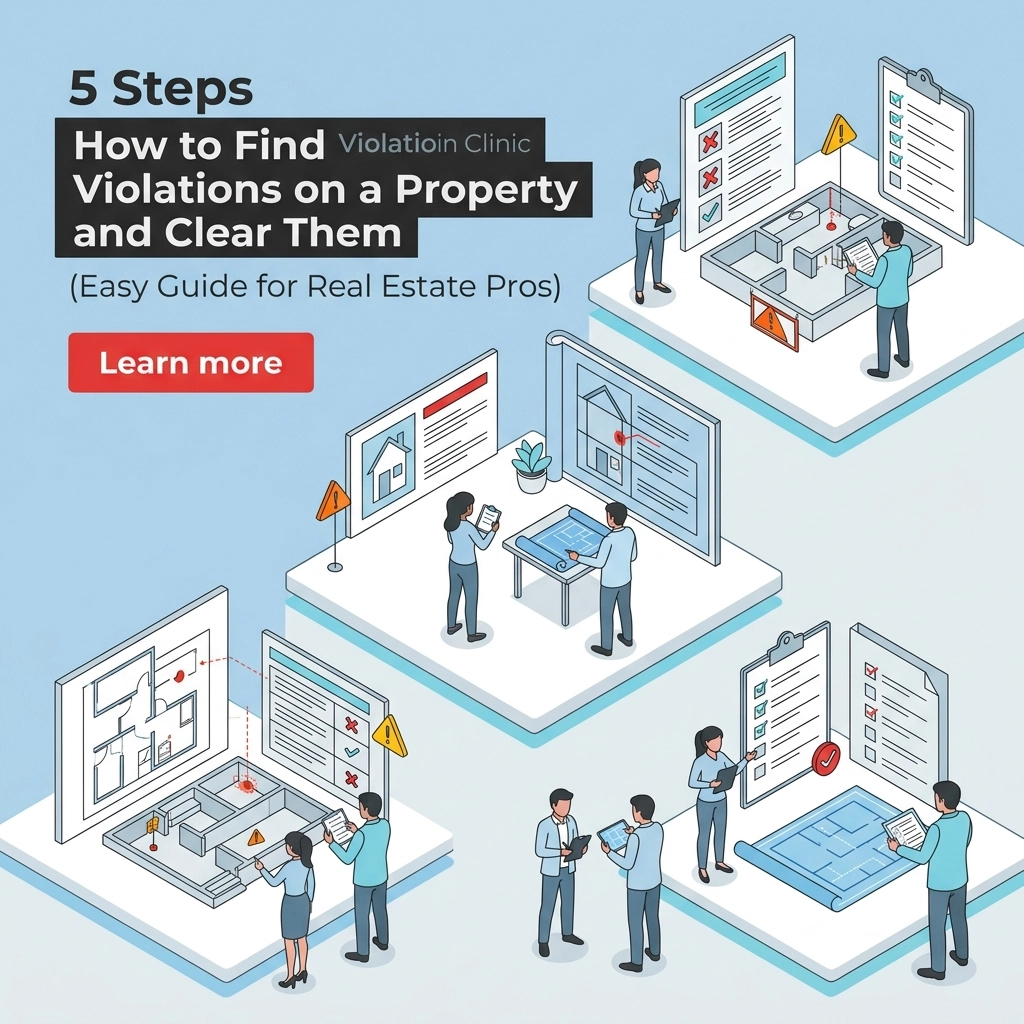
Finding out a property has a code violation is a bit like discovering a crack in a swimming pool: it’s much better to find it during the inspection than after you’ve jumped in. For real estate professionals, property owners, and contractors in the Sunshine State, navigating the maze of local regulations is more than just a box to check; it is a critical strategy for protecting your investment and ensuring a smooth transaction.
The regulatory landscape is shifting, especially with the introduction of the Florida Building Code 2025 standards. Failing to identify an outstanding issue can lead to a red tagged building, stalled closings, and thousands of dollars in compounding fines. Whether you are performing due diligence for a client or managing your own portfolio, knowing how to find violations on a property is a non-negotiable skill.
In this guide, we will break down the five essential steps to uncover hidden liabilities and the specific actions required to clear them permanently.
The High Cost of Looking the Other Way
Before we dive into the "how," we need to understand the "why." In Florida, code enforcement is aggressive. If you’ve ever wondered what happens if you ignore code enforcement, the answer is rarely pretty. It usually begins with a notice and ends with a lien against the property.
Ignoring these notices can lead to:
- Daily Accruing Fines: Some jurisdictions levy fines from $250 to $1,000 per day for non-compliance.
- Municipal Liens: These "super liens" can take priority over mortgages and make a property virtually unsellable.
- Utility Shutoffs: In extreme cases, the city may cut off water or electricity to an unsafe structure.
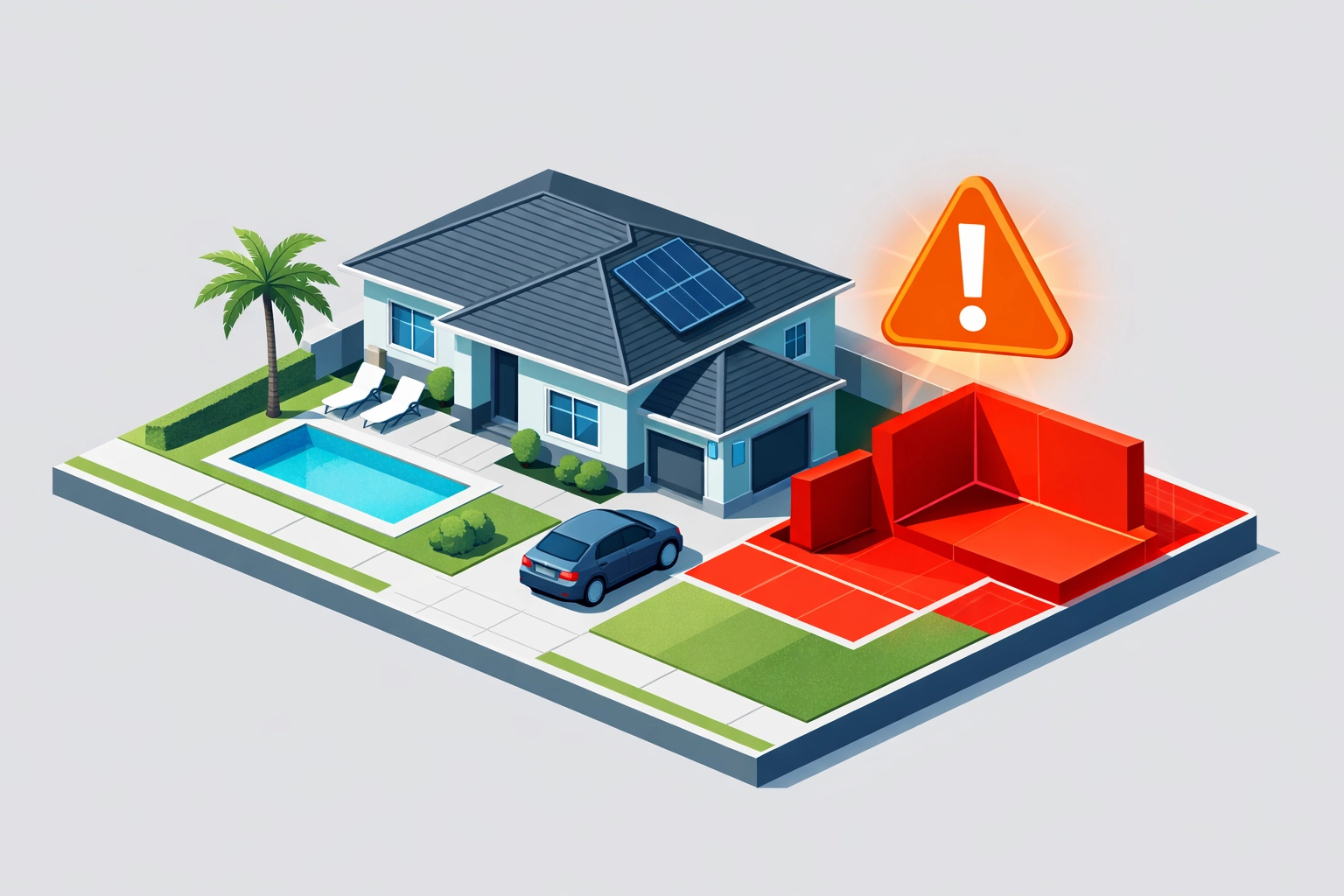
Step 1: Contact Local Building Departments & Search Online Portals
Your first line of defense is the local municipality. Every city and county in Florida, from Miami-Dade to Hillsborough County, maintains a database of code enforcement cases and permit histories.
Start by visiting the official Building Department or Code Enforcement website for the jurisdiction where the property is located. Most modern portals allow you to search by:
- Property Address
- Owner Name
- Parcel ID (Folio Number)
When searching, look specifically for "Open Enforcement Cases" or "Unresolved Citations." However, don’t stop at the online search. Databases aren't always updated in real-time. A quick phone call to a clerk can confirm if there is a pending unsafe structure notice that hasn't hit the public portal yet. This is especially vital in high-growth areas like Orlando and Tampa.
Step 2: Conduct a Permit Audit for Expired or Unpermitted Work
One of the most common "hidden" violations in Florida is the expired building permit florida. A permit might have been pulled for a roof or an AC unit three years ago, but if the final inspection was never called in, that permit remains open. To the city, that work is technically "incomplete" and "unauthorized."
Furthermore, you must look for work done without permits entirely. The penalty for not pulling a permit in florida is steep. Not only will you face double or triple permit fees, but you may also be forced to tear out finished work (like drywall or flooring) so an inspector can see the "guts" of the project.
Check the permit history against the current state of the house. Does the property have a brand-new deck that doesn't appear in the records? That is a red flag for future code enforcement action.
Step 3: Request a Formal Municipal Lien Search
If you are a real estate pro, you know that a standard title search doesn't always catch everything. A Municipal Lien Search is a specialized report that goes deeper than the county land records.
A comprehensive search will uncover:
- Unrecorded Liens: Issues that the city has flagged but hasn't yet filed as a formal lien at the county level.
- Utility Balances: Outstanding water, sewer, or waste management bills.
- Compliance Fees: You might find a what is a compliance fee charge on a ledger: this is typically an administrative cost the city charges to cover the overhead of monitoring a violation.
- Stop Work Orders: Information regarding a previous stop work order florida that may have halted construction mid-way through a project.
For properties in areas like Palm Beach or Broward County, these searches are the only way to ensure the title is truly clear of municipal encumbrances.

Step 4: Perform a Visual On-Site Inspection
Technology is great, but nothing beats boots on the ground. A physical walk-through can reveal violations that haven't been "caught" yet but will likely be flagged during a future appraisal or sale.
Keep an eye out for:
- The "Red Tag": A physical red tagged building notice is often taped to a window or front door. This indicates a serious violation where the structure may be deemed uninhabitable.
- Unsafe Structures: Look for sagging rooflines, exposed wiring, or crumbling foundations that could trigger an unsafe structure notice.
- Zoning Issues: Illegal garage conversions, unpermitted fences, or "mother-in-law" suites built without authorization.
If you see a yellow or red notice from the city, do not remove it. These documents contain the case number and the contact information for the specific code enforcement officer assigned to the property.
Step 5: Execute the Remediation and Clearance Process
Once you’ve identified the violations, it's time to clear them. This is where most people get overwhelmed, but the process generally follows a standard path:
- Analyze the Notice: Read the specific code sections cited. If the notice mentions the Florida Building Code 2025, ensure your repairs meet the most current safety standards.
- Consult the Officer: Reach out to the code enforcement officer. Most officers are willing to work with you if you show a good-faith effort to fix the problem. Ask for an extension if the 21-day compliance window is too short.
- Hire Licensed Professionals: For structural, electrical, or plumbing violations, you must use a licensed Florida contractor. Using uncertified labor will only lead to more failed inspections.
- Permit Rectification: If the issue was unpermitted work, you must apply for an "After-the-Fact" permit. This often involves architectural drawings and "as-built" inspections.
- Final Inspection and Case Closure: Once repairs are done, schedule a re-inspection. After the inspector signs off, ensure the city issues a formal "Release of Lien" or "Letter of Completion." Do not assume the case is closed just because the work is done.

Common Florida Compliance Terms You Must Know
Navigating the building department requires speaking their language. Here are a few terms that frequently pop up:
- Stop Work Order Florida: This is a legal order to cease all construction activity immediately. It is usually issued when work is being done without a permit or if the work is deemed extremely dangerous.
- Compliance Fee: These are administrative costs. Even if you fix the violation, the city may still require you to pay a fee to "close" the administrative file.
- Recertification: Especially in Miami-Dade, older buildings must undergo periodic recertification to ensure structural and electrical safety.
Why Professional Guidance Matters
Clearing violations is a marathon, not a sprint. The paperwork alone can be daunting, and the stakes: losing a sale or facing thousands in fines: are too high to leave to chance.
Violation Clinic specializes in helping Florida property owners, contractors, and real estate professionals navigate these exact hurdles. Whether you’re dealing with a Wellington zoning dispute or an Orange County expired permit, having an expert in your corner can save you months of stress and significant financial loss.
Resolving code violations with a compliance expert can save time, fines, and costly corrections. From initial research to the final inspection, we ensure your property meets every standard of the Florida Building Code.
Disclaimer: Code enforcement and compliance requirements may vary by jurisdiction. Always verify with local authorities or consult a licensed Florida compliance specialist.
For more information on how to clear your specific property violations or to start a municipal search, contact Violation Clinic today. We help you navigate the red tape so you can get back to business.