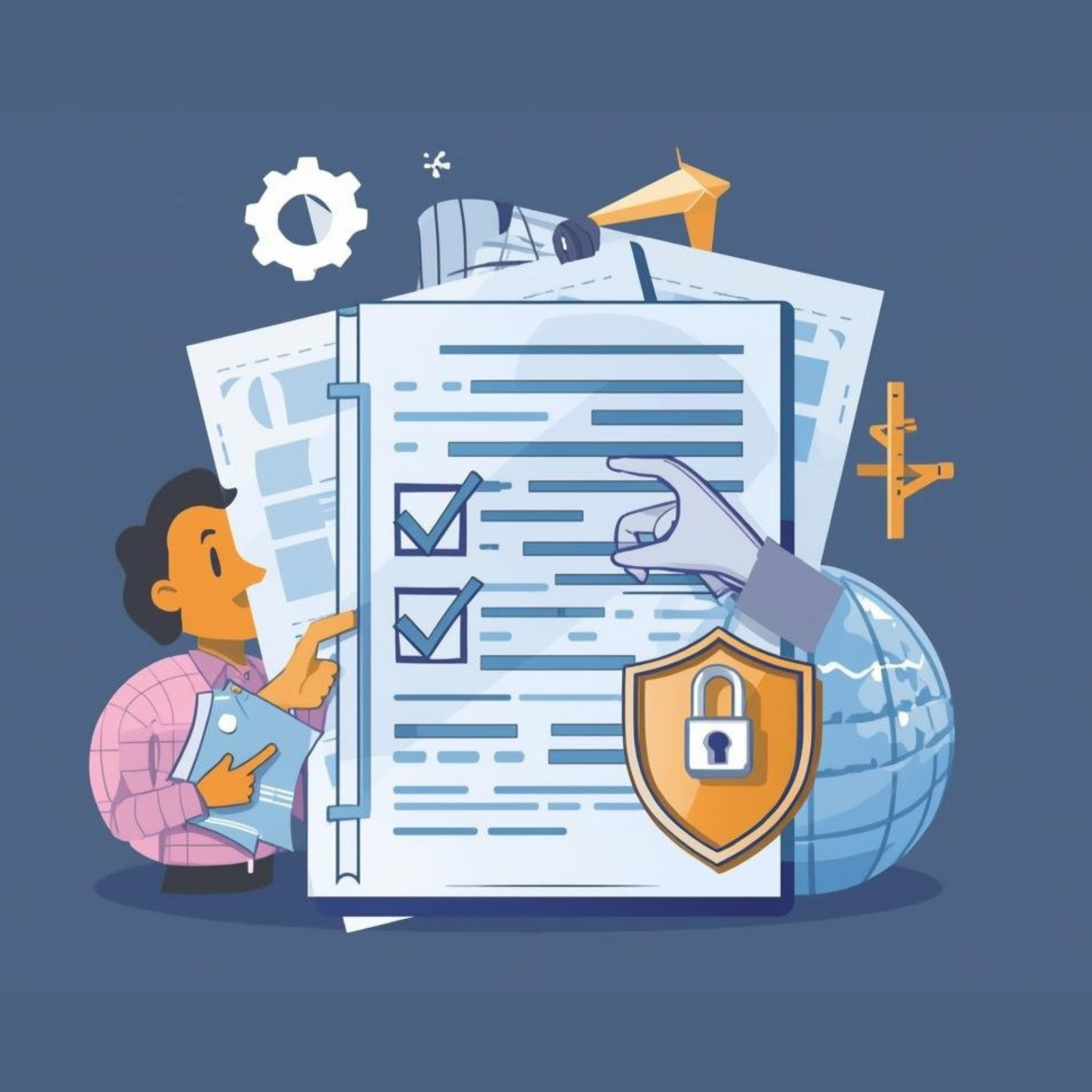
Florida’s unique environment, characterized by intense weather, rapid development, and coastal considerations, necessitates a rigorous and often complex system of building codes. For anyone involved in property—from long-time owners to international developers—understanding and proactively managing the Florida Building Code (FBC) and local municipal regulations is the key to protecting an investment, ensuring safety, and avoiding punitive legal and financial penalties.
Compliance is not an option; it’s a mandatory requirement. Yet, navigating the permit process and resolving subsequent violations is where most property stakeholders face their biggest challenges. This guide offers essential strategies for managing building permits and addressing code violations specifically within the Florida context.
The Foundation: The Florida Building Code and Local Authority
The core of all construction and renovation standards is the Florida Building Code (FBC). This is a comprehensive, statewide minimum set of regulations for the design, construction, erection, alteration, modification, repair, and demolition of public and private buildings, structures, and facilities.
However, compliance is complicated by local jurisdictions:
- County and Municipal Amendments: While the FBC is statewide, local authorities (like Miami-Dade, Broward, or the City of Tampa) often adopt specific amendments or overlay codes (such as hurricane mitigation standards) that are stricter than the state minimums.
- Multiple Enforcement Agencies: Property is simultaneously scrutinized by distinct entities:
- The Building Department: Focuses on structural integrity, plan review, and required inspections tied to permits.
- The Fire Department: Enforces fire safety, alarm systems, and egress requirements.
- Code Enforcement/Zoning: Handles property maintenance, quality of life, unauthorized uses, and unpermitted structures.
A successful compliance strategy must acknowledge and integrate the demands of all three authorities.
The Permit Pitfall: Managing the Life Cycle of a Building Permit
The single largest source of compliance problems in Florida is the mismanagement of building permits. A permit is not just permission to start work; it’s a contract with the local government to perform work to code, subject to mandatory inspections, which must conclude with an official sign-off.
1. The Necessity of Pulling a Permit
Nearly all structural changes, electrical work, plumbing work, mechanical installations (like A/C), and often even roofing replacements require a permit. Doing work without one is an Immediate Violation and can lead to:
- Double Fees: Municipalities often charge double or triple the standard permit fee once unpermitted work is discovered.
- Mandatory Demolition: The city can require the owner to tear out the unpermitted work to expose the structure for inspection, even if it means tearing down newly finished walls.
- Code Enforcement Liens: Unpermitted work can lead directly to formal violations, fines, and liens against the property.
2. The Crisis of the Expired or Open Permit
This is the most common hidden liability in Florida real estate transactions. An open or expired permit means the work was performed but never received its final inspection and official closure. The property’s records show the work as incomplete and unverified.
- Title Clouds: An open permit typically shows up during a title search and can stop a closing. Title companies will demand a clear record before insuring the transaction.
- Liability: The current owner assumes liability for the unverified work. If a structural failure or electrical fire occurs, the lack of a final inspection certificate compromises insurance claims.
- Resolution Complexity: Closing an old, expired permit often requires extensive effort, including:
- Hiring a licensed contractor, architect, or engineer to assess the existing, unverified work.
- Submitting current code-compliant drawings.
- Conducting demolition (selective tear-out) to expose critical structural, electrical, or plumbing elements for inspection.
- Paying all outstanding permit fees and penalties.
Proactive Tip: Establish an internal tracking system for every permit. Once work is physically complete, the final inspection should be scheduled immediately. Do not consider a project finished until the Certificate of Completion (CC) or Certificate of Occupancy (CO) is officially issued.
Proactive Strategies for Maintaining Compliance
The best defense against violations is a rigorous, proactive maintenance schedule that goes beyond standard property upkeep.
1. Regular Expert Compliance Audits
Do not wait for an official inspector to find a fault. Hire licensed professionals—such as architects, engineers, or specialized code consultants—to perform periodic audits focused on high-risk areas:
- Fire Safety: Check that all fire alarms, extinguishers, and suppression systems are serviced, exit signs are illuminated, and required clearances are maintained. Fire codes are often updated, and older properties may fall out of compliance simply due to a change in the law.
- Accessibility (ADA): In Florida, failure to meet federal and state accessibility requirements is a significant source of lawsuits and violations. Regularly verify that ramps, parking, signage, and restrooms comply with current ADA and FBC Chapter 11 (Accessibility) standards.
- Structural Integrity and Recertification: In densely populated counties like Miami-Dade and Broward, multi-family and commercial buildings are subject to 40-year recertification. An audit should anticipate the extensive structural and electrical requirements of this process well in advance to avoid a last-minute crisis.
2. Meticulous Documentation and Record Retention
In a dispute over a violation, documentation is paramount. Maintain a complete, centralized file for the property that includes:
- All Original Plans and Surveys: The “as-built” condition is the baseline for all future changes.
- Certificates of Occupancy/Completion: The official proof of compliance for major construction.
- All Closed Permit Cards: Proof that every project was properly inspected and signed off.
- Maintenance and Service Logs: Records of all routine repairs, system servicing (HVAC, plumbing), and vendor contracts.
Presenting clear evidence of an approved permit or a routine service can often resolve a potential violation on the spot, preventing it from escalating to a formal, punitive case.
The Violation Crisis: Navigating the Enforcement Process
When proactive measures fail, and a property receives a formal notice, the clock starts ticking. Florida’s enforcement process is designed for swift action, often resulting in severe consequences if not handled correctly.
Common Violation Triggers:
- Expired Permit: As detailed above.
- Unsafe Structure: A finding that the building is structurally unsound or presents an immediate danger to the public (e.g., severe water intrusion, structural cracks, major fire damage). This is the most serious violation, often resulting in immediate condemnation and potential demolition.
- Zoning Non-Conformity: Using the property for a purpose not permitted by zoning (e.g., operating a commercial business in a residential zone).
- Maintenance Issues: Overgrown landscaping, inoperable vehicles, broken fences, or severe exterior degradation—often handled by municipal Code Enforcement.
The Resolution Path:
- Notice of Violation (NOV) / Stop Work Order: Upon receipt, the most critical step is to halt all non-compliant activity and immediately assess the technical requirements for correction. A Stop Work Order (or “Red-Tag”) requires immediate compliance to resume work, often involving a fast-tracked inspection or plan review.
- Technical Expertise: Do not try to solve complex building code issues alone. The process requires a deep understanding of code language, specific local administrative procedures, and often new engineering or architectural drawings to demonstrate how the violation has been cured.
- Special Magistrate or Code Board Appearance: If the violation is not corrected within the specified deadline, the case will be escalated to a hearing. These quasi-judicial proceedings result in liens, fines, and administrative costs that accrue daily. Effective resolution at this stage requires a professional representative who can communicate with the board, present technical documentation, and negotiate a clear path and timeline for compliance.
Navigating this maze requires professionals with the technical knowledge of an architect or engineer combined with the procedural insight of a former building official or inspector. The primary goal in any violation scenario is simple: Speed and Accuracy. The faster the path to compliance is charted, the less money the property owner will lose in fines, fees, and project delays.
At ViolationClinic.com, we specialize in helping property owners navigate the recertification process smoothly. Whether you need assistance with inspections, violations, or compliance issues, our team is here to help. Don’t wait until it’s too late, take action today to protect your investment and ensure the safety of your building.
For more information or assistance, contact us at ViolationClinic.com!