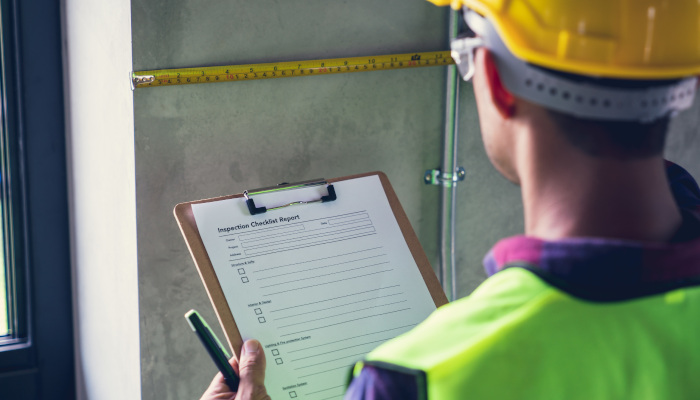
Failing a building code inspection isn’t just a minor bureaucratic setback; it can be an incredibly costly, stressful, and time-consuming experience. For property owners, developers, and facility managers across Florida, understanding and adhering to the complex web of local and state regulations is a non-negotiable part of responsible ownership.
The truth is, passing an inspection isn’t about luck—it’s about proactive compliance. It requires a strategic, informed approach that treats building codes not as hurdles, but as minimum standards for safety and structural integrity.
The Cost of Non-Compliance: 5 Common Code Violations and Fines
Code violations and the resulting fines are typically triggered by oversights in planning, maintenance, or adherence to safety standards. Ignoring a Notice of Violation (NOV) can lead to escalating fines, liens on the property, and in extreme cases, condemnation or forced demolition.
Here are the most common reasons property owners receive code violations and fines in Florida:
1. Unpermitted Construction or Alterations
This is arguably the most frequent violation. Any significant structural change, electrical work, plumbing installation, or major renovation, from adding a deck to replacing a roof, typically requires a permit under the Florida Building Code (FBC). Property owners often try to circumvent the permit process to save time or money, only to have the work flagged later during an inspection or property transfer. The result? A violation that requires the owner to apply for a “Permit After the Fact” and potentially expose the non-compliant work for destructive testing, far exceeding the initial cost and effort.
2. Zoning Violations
Zoning laws dictate how a property can be used and where structures can be built. Violations in this category include setting up a commercial business in a strictly residential zone, exceeding maximum height limits, or failing to meet minimum setback requirements (the distance a structure must be from the property line). A common example is adding a fence or shed without checking the local zoning ordinance for required placement, resulting in a violation for illegal setback construction.
3. Neglected Property Maintenance
While the FBC focuses on new construction, local ordinances often enforce property maintenance standards to preserve community aesthetics and public safety. This includes issues like severely peeling paint, overgrown vegetation, accumulated trash and debris, or broken, unsecured fencing. These are often referred to as “nuisance violations” and are frequently initiated by neighbor complaints.
4. Unsafe Conditions and Imminent Hazards
Violations related to unsafe conditions carry the most severe consequences. These relate to immediate threats to life, health, or safety, such as exposed electrical wiring, structural deterioration, collapsed roof sections, or non-functional fire safety systems. These conditions can trigger immediate “Unsafe Structure” declarations, demanding rapid repair or requiring the building to be vacated. The FBC’s emphasis on structural integrity, detailed in chapters like FBC Chapter 16 (Structural Design), makes non-compliance in this area especially critical.
5. Missed or Ignored Mandatory Inspections
In Florida, certain properties are legally required to undergo regular, mandatory inspections to ensure long-term structural integrity. Failure to schedule or submit the required report for these inspections—most notably the Building Recertification or Milestone Inspection—can result in swift and escalating penalties, as detailed below.
Actionable Steps and Best Practices for Fine Prevention
A successful inspection is a predictable one. By integrating compliance into your routine property management, you can nearly eliminate the risk of facing significant code fines.
1. Obtain All Necessary Permits, Every Time
Do not begin work without a valid permit. Always consult your local building department or a trusted building code compliance consultant before starting any construction, repair, or demolition project.
Best Practice:
- Check the Scope: Confirm whether your project falls under the definition of work requiring a permit as per the local jurisdiction and the Florida Statutes.
- Hire Licensed Professionals: Ensure your architect, engineer, and contractor are properly licensed in Florida. They are responsible for designing and building to code standards, minimizing your liability.
- Follow the Plan: Once a permit is issued, the work must strictly adhere to the approved plans. Any deviation requires a change order and new approval.
2. Schedule and Track Regular Inspections
Permitted projects require inspections at specific stages (e.g., foundation, framing, final). However, standard permits are only the beginning. You must also track state- or county-mandated inspections.
Best Practice:
- Maintain an Inspection Log: Keep a detailed, digital log of all official inspections, including dates, inspector names, outcomes, and copies of approved sign-offs (Certificate of Occupancy, Certificate of Completion).
- Proactive System Checks: Don’t wait for a required inspection to check critical systems. Have your HVAC, plumbing, and electrical systems inspected by certified technicians annually. Regular maintenance often prevents minor issues from turning into major code violations.
3. Emphasize Structural and System Safety
The most crucial element of compliance is guaranteeing the structural integrity and life safety of the building. Florida’s location in a high-velocity hurricane zone (HVHZ) means that structural requirements are among the strictest in the nation.
- Foundation and Load-Bearing Elements: Regularly inspect foundations, columns, beams, and slabs for signs of cracking, spalling (concrete chipping), or settlement. Corrosion of reinforcing steel (rebar) in concrete structures is a major concern, particularly in coastal areas.
- Roof and Envelope: Ensure the roof is properly maintained, as roof failure can lead to catastrophic structural damage. The FBC governs roofing materials and tie-down requirements rigorously.
- Life Safety Systems: Keep fire alarm systems, sprinkler systems, and means of egress (exit doors and paths) functional, accessible, and up to code. Violations here are immediate public safety hazards.
You can refer to the official Florida Building Code website for the latest edition and specific structural requirements.
4. Maintaining Property Aesthetics and Safety
Addressing minor aesthetic issues quickly prevents them from escalating into official code violations, which often happen after a disgruntled neighbor reports the property.
Best Practice:
- Landscaping and Debris: Regularly clear dead trees, overgrown shrubs, and accumulated construction materials or garbage that could be deemed a public nuisance or fire hazard.
- Exterior Surfaces: Repair damaged stucco, repaint flaking walls, and replace damaged or missing roof shingles promptly. A well-maintained exterior is often the first sign of a compliant property.
- Code Compliance Tips: Learn more preventative maintenance strategies on our page dedicated to code compliance tips.
5. Stay Informed About Local Florida Regulations
The Florida Building Code (FBC) provides a uniform statewide standard, but local jurisdictions (counties and municipalities) have the authority to adopt more stringent local amendments, especially in high-risk areas like Miami-Dade and Broward counties. What is compliant in one county might be a violation in another.
Best Practice:
- Monitor Local Ordinances: Subscribe to your county’s building department newsletter or check their website for updates, especially concerning zoning and property maintenance.
- Consult Local Experts: Engage with compliance professionals who specialize in your specific locality.
Mandatory Compliance: The Florida Building Recertification
For certain aging buildings in Florida, particularly condominiums and cooperative associations, proactive compliance is not just a best practice—it is a legal requirement with high-stakes penalties for non-compliance. This is primarily governed by the Milestone Inspection Program (introduced in response to the Surfside tragedy) and long-standing local ordinances, such as those in Miami-Dade County, often referred to as Building Recertification.
The 25/30-Year Milestone Inspection
Florida Statutes now mandate that condominium and cooperative buildings three stories or taller must undergo a Milestone Inspection.
- Buildings within three miles of the coastline must have their first inspection when they reach 25 years of age.
- Buildings located outside this coastal zone must have their first inspection when they reach 30 years of age.
- In both cases, subsequent inspections are required every 10 years thereafter.
The inspection involves a visual examination by a licensed Florida architect or engineer to assess the structural and electrical safety of the building. If substantial structural deterioration is found during the first phase, a more comprehensive, and potentially destructive, Phase Two inspection is required.
Escalating Fines for Non-Compliance
Failure to complete the required inspection and submit the certified report by the deadline stipulated by the local enforcement agency can result in severe financial penalties:
- Initial Fines: Property owners may face civil penalties, often starting at $510.00 per violation.
- Escalation: For continued non-compliance, these penalties can rapidly accumulate, potentially escalating to $10,000.00 or more per violation, in addition to accruing liens on the property.
These deadlines are firm and are not to be ignored. The financial and legal exposure of ignoring a recertification notice can put the entire building and its occupants at risk.
If your building is approaching its recertification deadline, it is essential to act immediately. Learn how our experts can manage the entire process for you, from inspection to certified reporting, ensuring full legal compliance: Building Recertification and Services by Violation Clinic
Case Study: Resolving an Unpermitted Electrical Violation
A common scenario involves unpermitted electrical work.
The Violation: A commercial property owner in a South Florida county hired an unlicensed handyman to replace the main electrical panel in a small office building to save money. A subsequent building permit application for a separate A/C replacement triggered a county-wide record check, revealing the unpermitted electrical upgrade. The county immediately issued a Notice of Violation (NOV) for unpermitted electrical work and for violating the FBC Electrical Code, Chapter 27, imposing a fine of $500, with daily penalties of $100 set to begin in 30 days.
The Resolution: The owner immediately contacted a compliance expert. Violation Clinic advised the following steps:
- Stop Work: Immediately halt all further work until permits are approved.
- Professional Assessment: Hire a licensed Electrical Contractor and a Professional Engineer (P.E.) to assess the unpermitted installation. The P.E. found several critical errors, including improper grounding and incorrect circuit breaker sizing—an immediate safety hazard.
- Permit After the Fact: The licensed contractor applied for a “Permit After the Fact” and corrected all deficiencies under the observation of a municipal electrical inspector.
- Final Inspection: The inspector signed off on the corrected work, and the engineer submitted a sealed letter certifying the system’s safety.
- Fine Resolution: Violation Clinic worked with the Code Enforcement Board, presenting the completed work and the engineer’s certification, resulting in the abatement of all accrued daily fines. The owner paid the initial $500 penalty and the cost of the professional services, avoiding over $3,000 in escalating penalties.
This case perfectly illustrates that while the initial violation cost was minimal, the rapid escalation and necessity of corrective, permitted work proved that cutting corners is never worthwhile. Proactive engagement with licensed professionals is the most cost-effective solution.
Related Posts and Resources
- Understanding Florida Zoning Violations: A Property Owner’s Guide
- Building Violation vs. Code Violation: What’s the Difference?
- Why You Need a Code Compliance Expert Before a Major Renovation
- External Resource: Florida Building Commission Official Website
Summary and Conclusion
Passing a building code inspection easily is synonymous with embracing a mindset of ongoing, proactive maintenance and compliance. The foundation of this success rests on three pillars:
- Permitting Everything: Treat permits as your project’s insurance policy.
- Maintaining Diligently: Keep your property safe, functional, and aesthetically sound to avoid nuisance complaints.
- Understanding Mandates: Know and adhere to critical legal requirements like the Florida Building Recertification/Milestone Inspection to avoid severe, escalating fines that can reach five figures.
At ViolationClinic.com, we specialize in helping property owners navigate the recertification process smoothly. Whether you need assistance with inspections, violations, or compliance issues, our team is here to help. Don’t wait until it’s too late, take action today to protect your investment and ensure the safety of your building.
For more information or assistance, contact us at ViolationClinic.com!