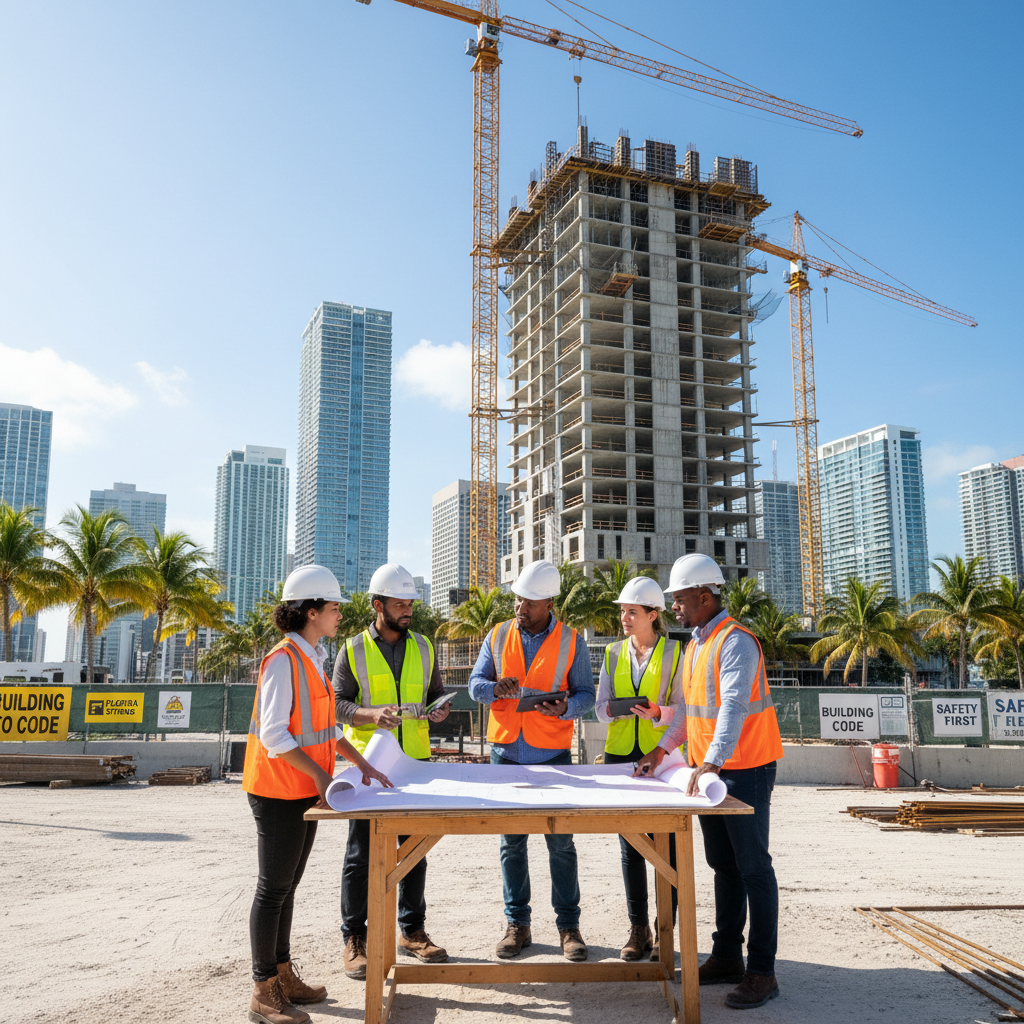
Florida’s dynamic landscape demands constant vigilance when it comes to property compliance. As we move towards 2025, staying ahead of the curve regarding building codes, permit closures, and violation resolutions is not just advisable – it’s essential for property owners, contractors, and developers alike. The Sunshine State’s unique environmental conditions and rapid growth necessitate stringent regulations to ensure structural integrity and public safety. Failing to comply can lead to hefty fines, project delays, or even legal repercussions. This comprehensive guide will delve into the critical aspects of Florida building codes, enforcement trends, and practical solutions to help you navigate the complexities and maintain compliance in the ever-evolving regulatory environment. In this environment, partnering with a firm like Violation Clinic can be a strategic move.
The Rising Stakes of Property Compliance in Florida
Florida’s robust construction sector is underpinned by a complex web of regulations. From Miami-Dade to Palm Beach, each county and municipality often has its nuances within the broader framework of the Florida Building Code. Ignoring these intricacies can be costly. Common issues range from unpermitted work and expired permits to structural deficiencies and safety hazards. As enforcement intensifies, understanding these challenges becomes paramount.
Common Code Violations and Their Consequences
Code violations can manifest in various forms, including:
- Unpermitted Construction: Undertaking renovations or new construction without obtaining the necessary permits is a frequent issue.
- Expired Permits: Permits have expiration dates, and failing to finalize inspections and close them out can lead to violations.
- Structural Deficiencies: Issues like cracks, water damage, or foundation problems can pose significant safety risks.
- Zoning Violations: Non-compliance with zoning regulations, such as setbacks or land use restrictions, can trigger enforcement actions.
- Fire Safety Hazards: Blocked exits, faulty fire alarms, or inadequate fire suppression systems are critical violations.
The consequences of these violations can be severe, ranging from financial penalties and stop-work orders to potential legal action and even property devaluation.
The Expired Permit Epidemic
Expired permits are a particularly pervasive problem in Florida. Many property owners are unaware that open permits can linger for years, creating significant liabilities. Closing these permits often requires navigating bureaucratic hurdles, scheduling inspections, and potentially rectifying unapproved work. Violation Clinic provides services to help with services to resolve these issues efficiently.
Unsafe Structure Programs: A Growing Concern
South Florida municipalities are increasingly focused on identifying and addressing unsafe structures. These programs aim to ensure that buildings meet minimum safety standards and do not pose a threat to occupants or the public. Properties deemed unsafe may face condemnation or demolition if the issues are not promptly addressed.
Decoding Florida’s Legal and Regulatory Landscape
Staying abreast of the latest changes to the Florida Building Code is crucial for compliance. The code is updated periodically to reflect advancements in construction technology, safety standards, and environmental considerations. The Florida Building Code, 8th Edition (2023) became effective on December 31, 2023.
Florida Building Code Updates for 2025 and Beyond
While specific updates for 2025 are still unfolding, it’s essential to monitor announcements from the Florida Building Commission and local building departments. These updates often address areas such as:
- Energy Efficiency: Stricter requirements for insulation, windows, and HVAC systems to reduce energy consumption.
- Wind Resistance: Enhanced standards for building design and construction to withstand hurricane-force winds.
- Flood Protection: Regulations to minimize flood damage in vulnerable areas.
- Accessibility: Improved accessibility standards for people with disabilities.
- Fire Safety: Updates to fire alarm, sprinkler, and fire-resistant construction requirements.
Staying informed about these changes and adapting your construction practices accordingly is vital for avoiding violations.
Enforcement Trends Across South Florida
Code enforcement practices vary across Miami-Dade, Broward, and Palm Beach counties. However, a common trend is increased vigilance and stricter penalties for non-compliance. Municipalities are leveraging technology and data analytics to identify potential violations more effectively.
- Miami-Dade County: Known for its proactive approach to code enforcement, particularly in areas prone to hurricane damage.
- Broward County: Focuses on addressing quality-of-life issues through code enforcement, such as illegal dumping and unmaintained properties.
- Palm Beach County: Emphasizes proactive inspections and community education to promote compliance.
Understanding Recertification Requirements
Many municipalities in Florida have implemented building recertification programs, requiring buildings to undergo periodic inspections to ensure structural safety. These programs typically apply to buildings that are 25, 30, 40, or 50 years old, depending on the location. For example, some buildings built on or after 1993 must have a recertification inspection when the building age reaches 30 years, and every 10 years thereafter. Don’t wait until the last minute; Violation Clinic can guide you through Building Recertification.
These inspections assess various aspects of the building’s structural and electrical systems, and any deficiencies must be addressed to maintain compliance.
Violation Clinic: Your Partner in Compliance
Navigating Florida’s complex building codes and enforcement procedures can be daunting. Violation Clinic offers a comprehensive suite of services to help property owners, contractors, and developers resolve violations, close permits, and ensure ongoing compliance.
Resolving Code Violations: A Step-by-Step Approach
When faced with a code violation, Violation Clinic follows a systematic approach:
- Assessment: Conducting a thorough inspection of the property to identify the scope of the violation.
- Research: Reviewing applicable building codes, regulations, and permit records.
- Strategy: Developing a tailored plan to address the violation and achieve compliance.
- Coordination: Working with building officials, inspectors, and other stakeholders to facilitate the resolution process.
- Execution: Implementing the necessary repairs, modifications, or documentation to rectify the violation.
- Closure: Obtaining final approval from the building department and closing out the violation case.
Closing Expired Permits: A Streamlined Process
Violation Clinic streamlines the process of closing expired permits by:
- Locating Permit Records: Identifying and retrieving all relevant permit documentation.
- Scheduling Inspections: Coordinating with inspectors to conduct the necessary inspections.
- Addressing Deficiencies: Rectifying any unapproved work or outstanding issues.
- Submitting Documentation: Preparing and submitting all required paperwork to the building department.
- Obtaining Final Approval: Securing final sign-off from the building official and closing out the permit.
Ensuring Ongoing Compliance: Proactive Strategies
Violation Clinic helps clients maintain ongoing compliance by:
- Conducting Compliance Audits: Performing regular inspections to identify potential issues before they become violations.
- Providing Training: Educating property owners and contractors on building codes and best practices.
- Monitoring Code Changes: Staying informed about the latest code updates and advising clients on necessary adjustments.
- Developing Compliance Plans: Creating customized plans to ensure adherence to all applicable regulations.
Expert Tips and Resources for Florida Property Owners
Prevention is always better than cure. Here are some expert tips to help you avoid code violations and maintain property compliance in Florida:
Conduct Regular Property Inspections
Regularly inspect your property for potential issues, such as cracks, water damage, or safety hazards. Addressing these problems early can prevent them from escalating into code violations.
Maintain Accurate Permit Records
Keep accurate records of all permits, inspections, and approvals. This documentation can be invaluable when resolving violations or closing permits.
Stay Informed About Code Changes
Subscribe to newsletters from your local building department and professional organizations to stay informed about the latest code updates. Violation Clinic’s Press page is also a great resource.
Work with Licensed and Insured Contractors
Always hire licensed and insured contractors for any construction or renovation work. This ensures that the work is performed to code and protects you from liability.
Seek Professional Guidance
Don’t hesitate to seek professional guidance from Violation Clinic or other qualified experts when navigating complex compliance issues. Consulting with experienced professionals can save you time, money, and headaches in the long run. Check out our FAQ for more information.
Conclusion: Partnering for Peace of Mind
In Florida’s complex regulatory environment, staying ahead of building codes and compliance requirements is essential for protecting your property and your bottom line. Violation Clinic offers the expertise, resources, and personalized service you need to navigate these challenges with confidence. Whether you’re facing a code violation, struggling to close an expired permit, or simply seeking proactive compliance strategies, we’re here to help. Contact Violation Clinic today to learn more about how we can assist you in achieving and maintaining property compliance in the Sunshine State.