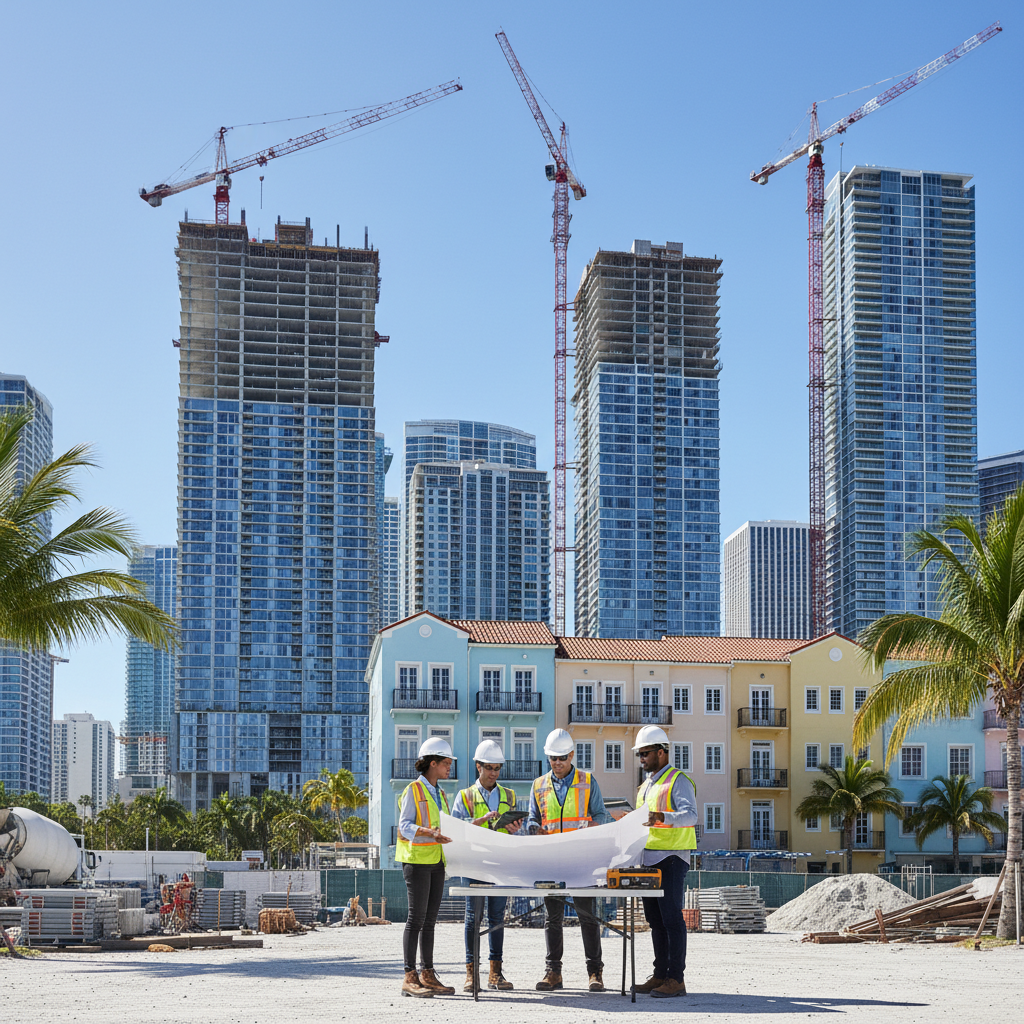
Florida’s dynamic real estate landscape demands constant vigilance regarding building codes and compliance. As we move closer to 2025, property owners, contractors, and developers across the Sunshine State must stay informed about evolving regulations, stricter enforcement, and the increasing importance of proactive compliance. From Miami-Dade to Palm Beach County, understanding these changes is critical for avoiding costly violations, project delays, and potential legal issues. Whether you’re dealing with expired permits, navigating the complexities of building recertification, or facing code enforcement actions, expert guidance is essential to ensure your projects remain on track and in full compliance with Florida law.
The Rising Stakes of Non-Compliance in Florida
Non-compliance with Florida’s building codes can trigger a cascade of problems for property owners and contractors alike. Expired permits, unapproved modifications, and failure to meet safety standards can lead to hefty fines, stop-work orders, and even legal action. In South Florida’s competitive real estate market, even minor violations can significantly impact property values and project timelines. Furthermore, stringent enforcement by local municipalities means that code infractions are more likely to be detected and addressed swiftly.
Common issues that lead to code violations include:
- Unpermitted Work: Any construction or renovation conducted without the necessary permits is a major violation.
- Expired Permits: Permits have expiration dates, and failing to close them out promptly can lead to fines and complications.
- Safety Hazards: Issues such as structural deficiencies, fire hazards, and electrical problems are serious violations that require immediate attention.
- Zoning Violations: Non-compliance with zoning regulations, such as improper setbacks or unapproved use of property, can result in fines and legal action.
- Failure to Meet Recertification Requirements: Buildings that do not undergo the required recertification process at the designated intervals (e.g., 25, 30, 40, or 50 years) face significant penalties.
Addressing these challenges requires a proactive approach, including regular inspections, thorough documentation, and a clear understanding of local building codes. For expert assistance in navigating these complexities, consider the services offered by Violation Clinic.
Decoding Florida’s Legal and Regulatory Landscape
Keeping pace with Florida’s ever-changing building codes and regulations requires continuous education and diligence. The Florida Building Code, updated periodically, incorporates the latest safety standards and construction practices. Understanding these updates and how they impact your projects is crucial for maintaining compliance. The Effective Date for the Florida Building Code, 8th Edition (2023), is December 31, 2023.
Key Regulatory Updates and Enforcement Trends
- Florida Building Code Updates: Stay informed about the latest changes to the Florida Building Code, including new requirements for energy efficiency, structural integrity, and fire safety.
- Enforcement Trends in South Florida: Municipalities like Miami-Dade, Broward, and Palm Beach are stepping up code enforcement efforts, focusing on issues such as unsafe structures, expired permits, and unpermitted work.
- Recertification Requirements: Buildings in Miami-Dade and Broward counties must undergo recertification inspections at specific intervals (typically every 10 years after an initial inspection at 25 or 30 years, depending on when the building was built).
Navigating Municipal vs. Private Compliance Assistance
While municipal building departments are responsible for enforcing codes, private compliance firms like Violation Clinic offer valuable support in navigating the complex regulatory landscape. These firms can provide expert guidance on:
- Violation Resolution: Helping property owners and contractors resolve code violations quickly and efficiently.
- Permit Closure: Ensuring that all necessary permits are properly closed out to avoid future complications.
- Compliance Audits: Conducting thorough audits to identify potential compliance issues before they escalate into major problems.
Understanding the nuances of Florida’s building codes and enforcement procedures is essential for avoiding costly mistakes and ensuring the success of your projects. Contacting Violation Clinic can provide that understanding.
Step-by-Step Solutions for Resolving Violations and Ensuring Compliance
Addressing building code violations and ensuring ongoing compliance requires a strategic, step-by-step approach. Here’s how Violation Clinic can help:
1. Comprehensive Violation Assessment
The first step in resolving a code violation is to conduct a thorough assessment of the issue. This involves:
- Reviewing the Violation Notice: Carefully examine the violation notice to understand the specific code sections that have been violated and the required corrective actions.
- Conducting a Site Inspection: Perform a detailed inspection of the property to identify the root causes of the violation and assess the extent of the non-compliance.
- Gathering Documentation: Collect all relevant documents, including permits, plans, and inspection reports, to support your case.
2. Developing a Resolution Strategy
Once the violation has been assessed, the next step is to develop a comprehensive resolution strategy. This involves:
- Identifying Corrective Actions: Determine the specific steps needed to correct the violation, such as obtaining necessary permits, making required repairs, or modifying construction.
- Creating a Timeline: Establish a realistic timeline for completing the corrective actions, taking into account the complexity of the work and any potential delays.
- Preparing a Response: Draft a formal response to the code enforcement agency, outlining the steps you are taking to resolve the violation and your commitment to compliance.
3. Implementing Corrective Actions
With a clear resolution strategy in place, the next step is to implement the necessary corrective actions. This involves:
- Obtaining Permits: Apply for and obtain any necessary permits for the required work.
- Making Repairs or Modifications: Complete the necessary repairs or modifications to bring the property into compliance with the code.
- Scheduling Inspections: Schedule inspections with the code enforcement agency to verify that the corrective actions have been completed satisfactorily.
4. Permit Closure and Final Compliance
The final step in the process is to ensure that all permits are properly closed out and that the property is in full compliance with the code. This involves:
- Submitting Close-Out Documents: Submit all required close-out documents to the building department, including inspection reports, affidavits, and other supporting materials.
- Obtaining a Certificate of Completion: Obtain a certificate of completion from the building department, verifying that all work has been completed in accordance with the code.
- Maintaining Records: Keep detailed records of all permits, inspections, and corrective actions taken to demonstrate ongoing compliance.
Violation Clinic streamlines this process, providing expert guidance and support at every step. Learn more in our FAQ.
Expert Tips and Resources for Proactive Compliance
The best way to avoid code violations is to take a proactive approach to compliance. Here are some expert tips and resources to help you stay ahead of the curve:
Prevention Strategies
- Regular Inspections: Conduct regular inspections of your property to identify potential compliance issues before they escalate into major problems.
- Thorough Documentation: Maintain detailed records of all permits, plans, and inspections to demonstrate ongoing compliance.
- Stay Informed: Keep up-to-date with the latest changes to the Florida Building Code and local regulations.
Recertification Guidance
If your building is approaching its recertification deadline, be sure to start the process early. This involves:
- Hiring a Qualified Inspector: Engage a licensed engineer or architect to conduct a thorough inspection of the building.
- Addressing Deficiencies: Correct any deficiencies identified during the inspection to ensure that the building meets current safety standards.
- Submitting the Recertification Report: Submit the recertification report to the building department by the required deadline. Violation Clinic’s Building Recertification services can help.
Compliance Strategies for Contractors
As a contractor, it’s your responsibility to ensure that all work is performed in accordance with the Florida Building Code. This involves:
- Obtaining Necessary Permits: Always obtain the necessary permits before starting any construction or renovation work.
- Following Approved Plans: Adhere to the approved plans and specifications throughout the project.
- Scheduling Inspections: Schedule inspections at the required intervals to verify that the work is being performed in accordance with the code.
Conclusion
Navigating Florida’s complex building codes and regulations can be a daunting task. However, by staying informed, taking a proactive approach to compliance, and seeking expert guidance when needed, you can avoid costly violations, project delays, and legal issues. Violation Clinic is committed to providing Florida property owners, contractors, and developers with the expertise and support they need to ensure full compliance with all applicable codes and regulations. Don’t hesitate to Contact us today to learn more about our services and how we can help you achieve your compliance goals. Read our Press page to see some of our work and impact across Florida.