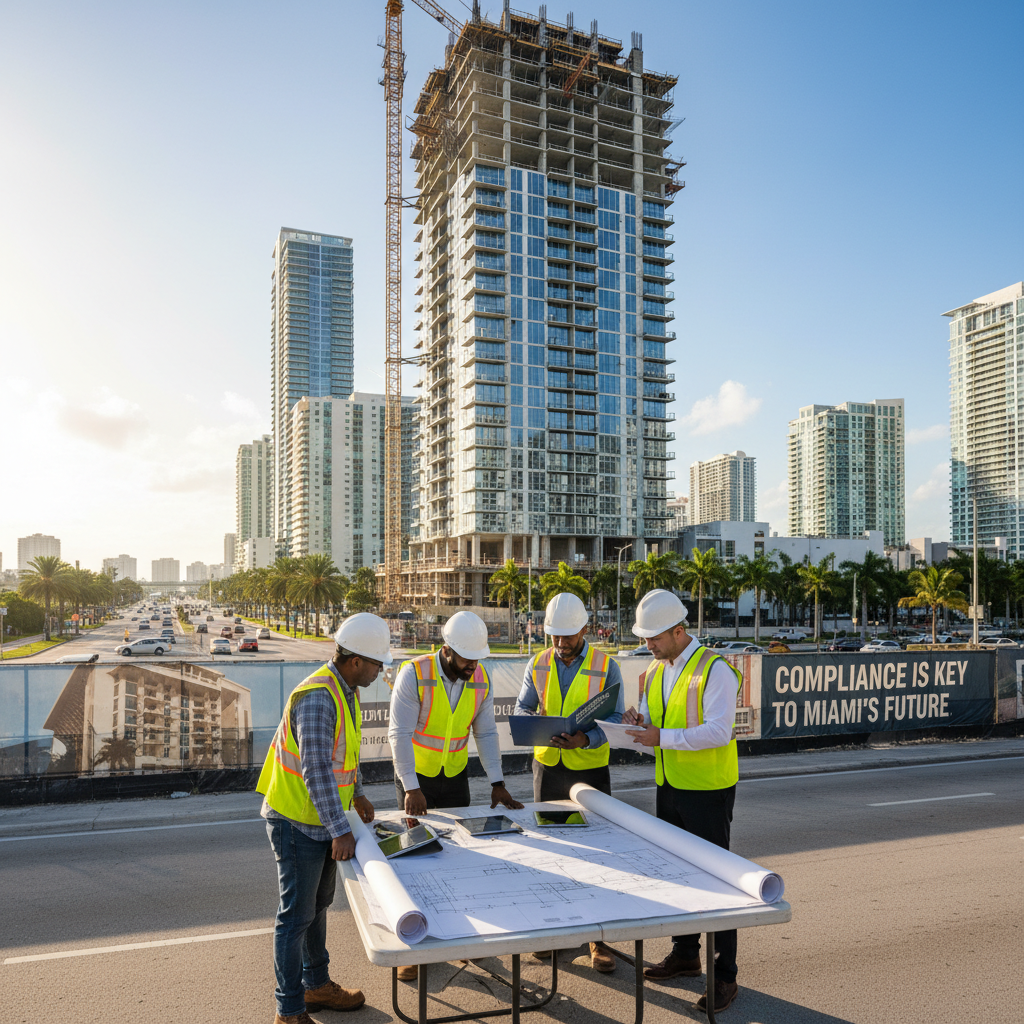
Navigating the complex web of Florida building codes can feel like a daunting task, especially with the ever-evolving regulations and increasing enforcement across the state. From Miami-Dade to Palm Beach, property owners, contractors, and developers face mounting pressure to maintain compliance and avoid costly penalties. As we move into 2025, understanding the latest updates to the Florida Building Code, along with local enforcement trends, is more critical than ever. Whether it’s an expired permit lurking in the records or a full-blown code violation notice slapped on your property, knowing how to navigate the system efficiently and effectively is paramount. This guide provides a comprehensive overview of common code issues, legal insights, step-by-step solutions, and expert resources to help you stay ahead of the curve and protect your investment in the Sunshine State.
In Florida’s dynamic real estate landscape, staying compliant is not just about avoiding fines; it’s about safeguarding your property’s value and ensuring the safety of its occupants. Building codes are in place to protect public welfare, and adherence demonstrates a commitment to quality and responsibility. Ignoring these regulations can lead to a cascade of problems, from stop-work orders and construction delays to potential legal battles and even property devaluation. For those operating in South Florida, understanding the specific nuances of Miami-Dade, Broward, and Palm Beach counties is crucial, as each locality may have its own interpretations and enforcement priorities. The good news is that with the right knowledge and resources, navigating the compliance process can be manageable and even streamlined. Let’s dive into the key challenges and solutions that will shape the future of building code compliance in Florida.
In today’s fast-paced construction environment, where deadlines are tight and projects are complex, overlooking critical compliance requirements is easy. However, failing to address these issues promptly can lead to significant repercussions. That’s where Violation Clinic comes in. With a team of experienced professionals, we specialize in building code violation resolution, expired permit closures, and property compliance across Florida. Our mission is to provide fast, accurate, and results-driven solutions that help you navigate the complexities of the Florida Building Code with confidence. From initial assessment to final resolution, we’re here to guide you every step of the way. So, whether you’re a seasoned developer or a first-time property owner, let’s explore how you can achieve and maintain compliance in Florida’s ever-evolving regulatory landscape.
Understanding Common Code Issues and Enforcement Challenges in Florida
Florida’s construction boom has brought with it an increase in code enforcement activity. Cities and counties are cracking down on violations to ensure public safety and maintain property standards. But what exactly constitutes a building code violation, and what are the common pitfalls that property owners and contractors face? Let’s break down some of the most frequent issues and the challenges they present.
Expired Permits: A Ticking Time Bomb
One of the most common headaches for Florida property owners is the dreaded expired permit. A permit is essentially a license granted by a local government allowing you to perform construction or renovation work. Permits have expiration dates, and if the work isn’t completed and inspected within that timeframe, the permit becomes invalid. This can lead to a cascade of problems. Suddenly, you’re facing potential fines, stop-work orders, and the daunting task of reopening a closed case. In some cases, you may even need to redo work that was already completed to bring it up to current code standards. Especially in areas like Miami, where construction is constant, ensuring permits are closed promptly is critical. If you’re dealing with this situation, consider reaching out for assistance with expired permit closures.
Unpermitted Work: A Risky Gamble
Skipping the permit process altogether might seem like a quick way to save time and money, but it’s a risky gamble that often backfires. Unpermitted work not only violates building codes but also creates potential safety hazards. Imagine installing electrical wiring without proper inspection, or altering structural elements without engineering approval. These shortcuts can have dire consequences, jeopardizing the safety of occupants and potentially leading to property damage. When unpermitted work is discovered, code enforcement officials can issue hefty fines, demand that the work be torn down, or require costly retrofitting to bring it up to code. Furthermore, unpermitted work can create significant hurdles when you try to sell or refinance your property. Title companies will often flag these issues, potentially delaying or even derailing the transaction.
Violation Notices: Responding Effectively
Receiving a building code violation notice can be unsettling, but it’s important to remain calm and respond promptly. Ignoring the notice will only make matters worse, as fines can escalate and legal action may be taken. The first step is to carefully review the notice to understand the specific violations cited and the deadline for compliance. Next, gather all relevant documents, such as permits, plans, and inspection reports. It’s often wise to consult with a qualified professional, such as a code compliance specialist or a licensed contractor, to assess the situation and develop a plan of action. Depending on the nature of the violation, you may need to make repairs, obtain permits, or provide documentation to demonstrate compliance. The key is to communicate openly and proactively with the code enforcement officials, demonstrating your commitment to resolving the issue.
Navigating the Red Tape: A Complex Process
Dealing with building departments, fire departments, and code enforcement agencies can be a complex and frustrating process. Each agency has its own procedures, requirements, and priorities. Navigating this bureaucratic maze requires patience, persistence, and a thorough understanding of the local regulations. Many property owners and contractors find themselves overwhelmed by the paperwork, the inspections, and the endless back-and-forth communication. This is where the expertise of a code compliance specialist can be invaluable. These professionals have the knowledge and experience to navigate the system efficiently, advocating on your behalf and ensuring that all requirements are met. They can also help you avoid costly mistakes and delays, saving you time, money, and stress.
Legal and Regulatory Insights: Staying Ahead of the Curve in 2025
The Florida Building Code is a dynamic document, constantly evolving to incorporate new technologies, address emerging safety concerns, and adapt to the state’s unique environmental conditions. Staying abreast of the latest updates and enforcement trends is crucial for anyone involved in construction or property management. Let’s delve into some of the key legal and regulatory aspects that will shape the landscape of building code compliance in 2025.
Florida Building Code Updates: What’s New?
The Florida Building Code is updated every three years, incorporating the latest national model codes and adapting them to the specific needs of the state. The 8th Edition (2023) is currently in effect, but preparations are already underway for the 9th Edition, expected to be released in 2026. While the exact changes for 2025 are still unfolding, it’s important to monitor the developments and anticipate potential impacts on your projects. Some areas to watch closely include energy efficiency requirements, wind mitigation standards, and accessibility guidelines. Furthermore, local governments may adopt amendments to the state code, adding another layer of complexity. Staying informed about these changes requires ongoing research, professional development, and collaboration with industry experts.
Enforcement Trends: A Closer Look at Miami-Dade, Broward, and Palm Beach Counties
Enforcement of building codes varies across Florida, with each county and municipality having its own priorities and approaches. In South Florida, Miami-Dade, Broward, and Palm Beach counties are particularly active in code enforcement, due to the high volume of construction and the dense population. These counties are increasingly focusing on issues such as unpermitted work, illegal modifications, and unsafe structures. They are also leveraging technology, such as drones and data analytics, to identify potential violations more efficiently. Understanding the specific enforcement trends in your locality is essential for avoiding costly penalties and maintaining compliance. For example, Miami-Dade County has been particularly aggressive in targeting illegal short-term rentals and unpermitted additions, while Broward County has focused on ensuring compliance with fire safety regulations.
Unsafe Structure Programs: Protecting Public Safety
Florida’s unsafe structure programs are designed to identify and address buildings that pose a threat to public safety. These programs typically involve regular inspections of properties to assess their structural integrity, fire safety, and overall condition. If a building is deemed unsafe, the owner is given notice and required to make necessary repairs or demolitions. Failure to comply can result in legal action, fines, and even forced demolition. In South Florida, where many older buildings exist, unsafe structure programs are particularly important. These programs help to ensure that buildings are maintained to a safe standard, protecting the lives and property of residents and visitors. If you own an older building, it’s wise to proactively assess its condition and address any potential issues before they become a major problem. You may also want to look into building recertification requirements for older buildings.
New Recertification Requirements: Ensuring Long-Term Safety
In the wake of the tragic Surfside condominium collapse, Florida has implemented stricter recertification requirements for older buildings. These requirements mandate that buildings of a certain age undergo regular inspections to assess their structural integrity and ensure they meet current code standards. The specific requirements vary depending on the location and the age of the building, but generally, buildings must be recertified every 25 to 50 years. This process involves hiring a qualified engineer or architect to conduct a thorough inspection and prepare a report outlining any necessary repairs or upgrades. The recertification requirements are designed to prevent future tragedies by identifying and addressing potential structural issues before they become critical. Understanding these requirements and planning for the recertification process is essential for owners of older buildings in Florida. Violation Clinic offers building recertification services to help you navigate this complex process.
Step-by-Step Solutions: How Violation Clinic Can Help
Navigating the complexities of building code compliance in Florida can be overwhelming, but you don’t have to do it alone. Violation Clinic offers a comprehensive range of services designed to help property owners, contractors, and developers resolve violations, close permits, and ensure compliance. Here’s a step-by-step overview of how we can assist you:
Step 1: Initial Consultation and Assessment
The first step is to schedule a consultation with one of our experienced code compliance specialists. During this consultation, we’ll discuss your specific situation, review any violation notices or permit issues, and gather all relevant information. We’ll then conduct a thorough assessment of your property and the applicable building codes to identify the root causes of the problem and develop a customized solution. This initial assessment is crucial for understanding the scope of the issue and developing an effective plan of action.
Step 2: Violation Resolution and Permit Closure
Once we have a clear understanding of the situation, we’ll work diligently to resolve any violations and close out expired permits. This may involve coordinating with building departments, fire departments, and other regulatory agencies. We’ll prepare all necessary documentation, submit applications, and attend meetings on your behalf. Our goal is to navigate the bureaucratic process as efficiently as possible, minimizing delays and ensuring that all requirements are met. We’ll keep you informed every step of the way, providing regular updates and answering any questions you may have.
Step 3: Compliance Planning and Implementation
Beyond resolving existing violations, we can also help you develop a proactive compliance plan to prevent future issues. This may involve conducting regular inspections, reviewing construction plans, and providing training to your staff. We’ll work with you to identify potential risks and implement strategies to mitigate them. Our goal is to help you create a culture of compliance within your organization, ensuring that you’re always in alignment with the latest building codes and regulations.
Step 4: Expert Representation and Advocacy
In some cases, resolving building code violations may require legal representation or advocacy. Our team includes experienced professionals who can represent you in hearings, negotiations, and other legal proceedings. We’ll advocate on your behalf, protecting your rights and interests and working towards a favorable outcome. Whether you’re facing fines, stop-work orders, or other legal challenges, we’re here to provide the support and expertise you need.
Step 5: Long-Term Support and Partnership
Our commitment to your success extends beyond the immediate resolution of violations. We strive to build long-term partnerships with our clients, providing ongoing support and guidance to help them maintain compliance and achieve their goals. We’re always available to answer your questions, provide updates on code changes, and assist with any compliance-related issues that may arise. Our goal is to be your trusted partner in navigating the complex world of building code compliance in Florida.
Violation Clinic offers a valuable service because we understand that dealing with municipal compliance issues can be a heavy burden. We also understand that sometimes you just need someone to point you in the right direction, which is why we offer helpful answers on our FAQ page.
Expert Tips and Resources: Staying Proactive and Prepared
Preventing building code violations is always better than having to resolve them after the fact. Here are some expert tips and resources to help you stay proactive and prepared:
Tip 1: Conduct Regular Self-Inspections
Regularly inspect your property for potential code violations. Look for issues such as unpermitted work, damaged structures, and fire hazards. Addressing these issues early can prevent them from escalating into major problems.
Tip 2: Maintain Accurate Records
Keep accurate records of all permits, plans, and inspections. This documentation can be invaluable when dealing with code enforcement officials or resolving disputes.
Tip 3: Stay Informed About Code Changes
Stay up-to-date on the latest changes to the Florida Building Code and local regulations. Subscribe to industry newsletters, attend workshops, and consult with code compliance specialists.
Tip 4: Hire Qualified Professionals
When hiring contractors, architects, or engineers, ensure that they are properly licensed and experienced. Verify their credentials and check their references before entrusting them with your project.
Tip 5: Communicate Openly with Code Enforcement Officials
If you receive a violation notice, communicate openly and proactively with code enforcement officials. Demonstrate your commitment to resolving the issue and ask for clarification if you have any questions. This will help to establish a cooperative relationship and potentially mitigate penalties.
Resources:
- Florida Building Code: https://www.floridabuilding.org/
- Miami-Dade County Building Department: https://www.miamidade.gov/global/government/departments/regulatory-and-economic-resources/building.page
- Broward County Building Department: https://www.broward.org/PermittingAndLicensing/Building/Pages/Default.aspx
- Palm Beach County Building Department: https://www.pbcgov.com/government/planning-zoning-building/building
Conclusion: Partnering for Compliance Success
Navigating the intricacies of Florida building codes and compliance regulations can be a complex and time-consuming process. From understanding the latest updates to the Florida Building Code to resolving expired permits and addressing violation notices, the challenges are numerous. However, with the right knowledge, resources, and support, you can successfully navigate these challenges and ensure the safety and value of your property.
Violation Clinic is your trusted partner in achieving compliance success. Our experienced team of code compliance specialists is dedicated to providing fast, accurate, and results-driven solutions. Whether you’re a property owner, contractor, or developer, we can help you resolve violations, close permits, and maintain compliance with all applicable regulations. We understand the unique challenges of the South Florida market, and we’re committed to providing personalized service that meets your specific needs.
Don’t let building code violations jeopardize your property or your business. Contact Violation Clinic today to schedule a consultation and learn how we can help you achieve compliance success. Our team is ready to provide the expert guidance and support you need to navigate the complex world of Florida building codes with confidence. You can also read about Violation Clinic in the press to learn more about our expertise and successful track record. Contact us today!
Frequently Asked Questions
What are common Florida building code issues?
Florida’s construction boom has increased code enforcement activity. Common issues include expired permits — a permit becomes invalid if work is not completed and inspected in time — unpermitted work that skips the permit process and can create safety hazards, and violation notices that require a prompt response. Dealing with building departments, fire departments, and code enforcement agencies can be a complex process because each agency has its own procedures.
What’s changing in Florida building code compliance in 2025?
The Florida Building Code is updated every three years. The 8th Edition (2023) is currently in effect, and preparations are underway for the 9th Edition expected in 2026. In South Florida, Miami-Dade, Broward, and Palm Beach counties are particularly active in code enforcement, focusing on unpermitted work, illegal modifications, and unsafe structures. Florida also runs unsafe structure programs and, after the Surfside condominium collapse, has stricter recertification requirements for older buildings.
How does Violation Clinic help with Florida building code violations?
Violation Clinic offers services to help property owners, contractors, and developers resolve violations, close permits, and ensure compliance. The process starts with a consultation and assessment, then violation resolution and permit closure, compliance planning, expert representation and advocacy when needed, and long-term support.
How can property owners stay proactive about Florida code compliance?
Conduct regular self-inspections for unpermitted work, damaged structures, and fire hazards. Keep accurate records of permits, plans, and inspections. Stay informed about Florida Building Code and local regulation changes. Hire licensed, experienced professionals. If you receive a violation notice, communicate openly with code enforcement officials.