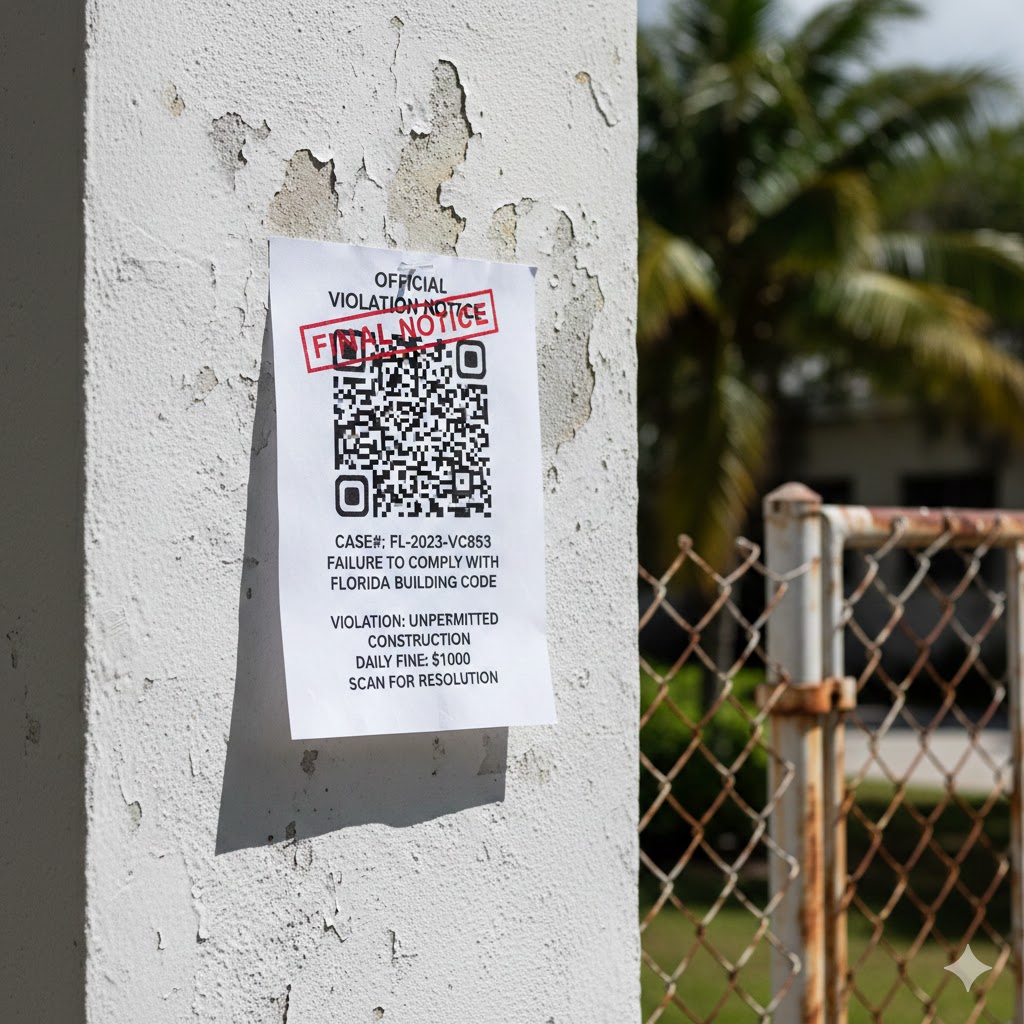
For property owners in Florida, maintaining a building is about more than just curb appeal; it is a complex balancing act of legal obligations, safety standards, and administrative deadlines. Whether you own a single-family home in Miami-Dade or manage a commercial high-rise in Broward County, staying compliant with the Florida Building Code (FBC) is essential to avoiding the heavy hand of local enforcement.
Unfortunately, many owners fall into the trap of “unintentional non-compliance.” They don’t set out to break the law, but a missed deadline or an unpermitted minor renovation can quickly spiral into thousands of dollars in fines. At Violation Clinic, we see these patterns daily. Understanding these common compliance oversights is the first step toward protecting your investment and your wallet.
The High Cost of Oversight: Why Compliance Matters
In Florida, code enforcement agencies are proactive. A single violation can trigger a “Notice of Violation,” which starts a ticking clock. Failure to remedy the issue can result in daily fines, liens against the property, and even the loss of your Certificate of Occupancy.
Perhaps the most significant example is the mandatory building recertification. In many Florida jurisdictions, building recertification services are a legal requirement for buildings of a certain age (typically 25 or 30 years). Fines for missing these inspections often start at $510 and can escalate to $10,000 for continued non-compliance.
Common Compliance Oversights That Lead to Violations
To stay ahead of the inspectors, you must recognize the most frequent triggers for citations.
1. Unpermitted Construction and Alterations
This is perhaps the leading cause of building violations. Many owners believe that minor interior work—such as replacing a water heater, installing a new AC unit, or putting up a backyard shed—doesn’t require official oversight.
Under the Florida Building Code, most work that involves structural, electrical, mechanical, or plumbing systems requires a permit. When a property is sold or appraised, these unpermitted additions often come to light, leading to “Double Permit Fees” and requirements to tear down completed work to allow for “open wall” inspections.
2. Zoning Violations
Zoning laws dictate how a property can be used. Common oversights include:
- Illegal Conversions: Turning a garage into a living space or an “in-law suite” without proper zoning approval.
- Short-Term Rental Issues: Using a property for Airbnb in an area zoned strictly for long-term residential use.
- Commercial Activity in Residential Zones: Running a high-traffic business out of a home. Violating these ordinances can lead to immediate zoning violation notices and legal action from the municipality.
3. Neglected Property Maintenance
Local “Minimum Maintenance Standards” require owners to keep their properties in good repair. Oversights often include:
- Peeling paint or damaged stucco.
- Overgrown vegetation and “nuisance” weeds.
- Broken windows or fences.
- Accumulation of junk, trash, or abandoned vehicles. While these may seem like aesthetic issues, they are frequently reported by neighbors and are among the easiest violations for code officers to spot from the street.
4. Unsafe Conditions and Life-Safety Hazards
Public safety is the primary goal of the FBC. Inspectors prioritize “life-safety” violations, which carry the heaviest penalties. Common oversights include:
- Inoperable Fire Alarms/Sprinklers: Failure to perform annual testing.
- Blocked Egress: Storing items in hallways or stairwells that block emergency exits.
- Structural Decay: Concrete spalling (cracks in balconies or walkways) and rusted rebar, which are critical concerns in Florida’s salt-air environment.
Actionable Steps to Prevent Fines and Violations
Prevention is significantly cheaper than remediation. Here is how you can ensure your property remains in good standing.
Obtain Necessary Permits Before Work Begins
Never take a contractor’s word that “a permit isn’t necessary.” Always verify with your local building department. If you are unsure if your project requires a permit, consult with a code compliance expert. Having a permit ensures the work is done to code, protecting your safety and the property’s resale value.
Schedule Regular Professional Inspections
Don’t wait for the city to send a notice. Hire a licensed engineer or inspector to conduct a “mock inspection” every few years. They can identify early signs of concrete spalling, roofing issues, or electrical hazards that could lead to a violation during a formal mandatory inspection.
Maintain Property Aesthetics and Safety
Create a seasonal maintenance checklist. This should include:
- Pressure washing and painting.
- Landscaping and debris removal.
- Checking the integrity of fences and gates. By keeping the exterior of your property “tight,” you reduce the likelihood of attracting the attention of code enforcement officers.
Stay Informed About Local Florida Regulations
Building codes are not static. For instance, following the Surfside tragedy, Florida updated its laws regarding Mandatory Milestone Inspections for condominiums. Staying informed through resources like the Florida Department of Business and Professional Regulation (DBPR) is vital for commercial and multi-family owners.
Case Study: The Cost of a Missed Recertification
The Scenario: A commercial warehouse owner in Miami-Dade County ignored a 30-year Building Recertification notice, assuming the building was “fine” because it looked sturdy.
The Oversight: The owner missed the 90-day deadline to submit an inspection report from a licensed engineer.
The Consequence: The county issued an initial fine of $510. Because the owner didn’t respond promptly, the case was moved to the Unsafe Structures Board. Daily fines of $100 were instituted. Within three months, the owner faced over $9,500 in penalties, plus the cost of the now-urgent repairs required to satisfy the engineer.
The Resolution: The owner contacted the Violation Clinic. We helped them navigate the recertification process, secured the necessary engineering reports, and represented them at the board hearing to mitigate the fines. By being proactive—even if late—the owner saved thousands in potential further penalties.
Best Practices for Structural and System Safety
Florida properties face unique challenges, including high humidity, salt spray, and hurricane-force winds. To maintain compliance:
- Roofing: Inspect your roof after every major storm. Missing shingles or tiles are a “Notice of Violation” waiting to happen.
- Electrical Panels: Ensure your panels are up to date. Many older “Federal Pacific” or “Zinsco” panels are now considered fire hazards and may trigger insurance or code issues.
- Water Management: Ensure gutters and downspouts direct water away from the foundation to prevent structural erosion.
Related Posts
- How to Appeal a Building Violation Notice Successfully
- Common Building Code Violations and How to Resolve Them Quickly
- Understanding Zoning Violations: What Property Owners Need to Know
External Resources
- Florida Building Commission – Official Site
- Miami-Dade County Code Enforcement Guidelines
- International Code Council (ICC) – Florida Codes
Summary: Proactive Compliance is Your Best Defense
Building code violations are rarely the result of malice; they are the result of a lack of information or deferred maintenance. However, the law does not view “not knowing” as a valid defense. From ensuring you have the right permits for a renovation to meeting the strict deadlines of Florida’s building recertification laws, the burden of proof is on the property owner.
At ViolationClinic.com, we specialize in helping property owners navigate the recertification process smoothly. Whether you need assistance with inspections, violations, or compliance issues, our team is here to help. Don’t wait until it’s too late, take action today to protect your investment and ensure the safety of your building.
For more information or assistance, contact us at ViolationClinic.com!