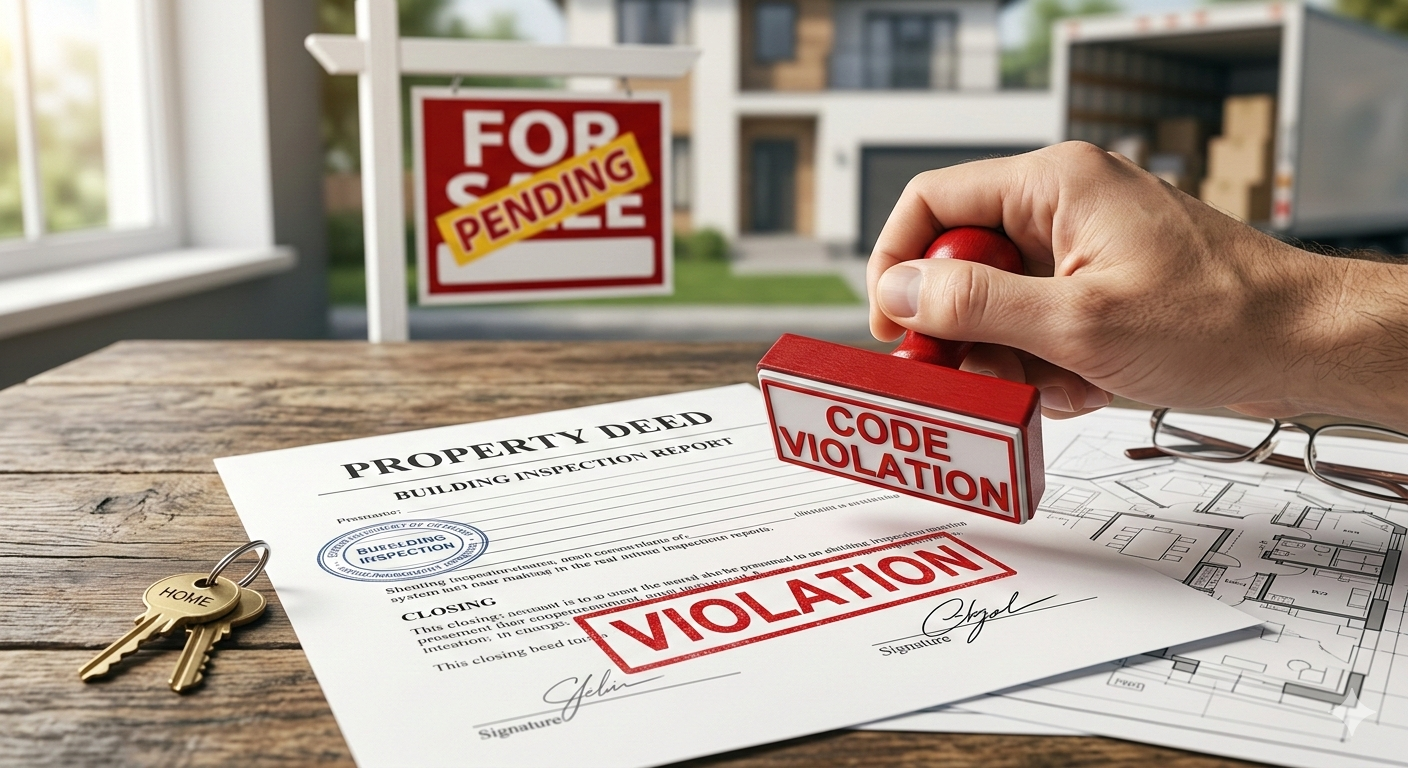
In the fast-paced world of real estate, timing is everything. Whether you are a homeowner looking to sell or an investor expanding a portfolio, the goal is always a seamless transfer of title. However, one of the most common—and expensive—roadblocks to a successful closing is the discovery of unresolved building code violations.
Compliance delays do more than just postpone a closing date; they can kill deals entirely, trigger massive price renegotiations, and result in escalating fines that eat away at equity. At Violation Clinic, we see firsthand how “minor” oversight in maintenance or permitting can balloon into a legal and financial nightmare.
This guide explores how compliance issues disrupt property transactions and provides actionable steps to ensure your property remains market-ready.
The Hidden Deal Killers: Common Reasons for Code Violations
Many property owners are unaware they have violations until a title search or a pre-sale inspection brings them to light. In Florida, where building codes are among the strictest in the nation due to high-velocity hurricane zones (HVHZ), even small discrepancies can lead to significant zoning violations and fines.
1. Unpermitted Construction
Perhaps the most frequent cause of transaction delays is unpermitted work. Whether it’s a converted garage, a new deck, or a modernized HVAC system, any work performed without a permit from the local building department is technically illegal. During a transaction, an open permit or work done without one can prevent a lender from issuing a mortgage.
2. Zoning and Land Use Violations
Florida’s municipal codes dictate how a property can be used. Running a commercial business out of a residential zone or having an illegal secondary suite (accessory dwelling unit) can lead to daily fines. If the buyer intends to use the property in a way that violates local ordinances, the transaction will likely stall.
3. Neglected Property Maintenance
Local code enforcement officers frequently issue citations for “blight.” This includes overgrown weeds, peeling paint, broken windows, or dilapidated fences. While these may seem like cosmetic issues, they are often precursors to more significant building code compliance investigations.
4. Unsafe Conditions and Structural Hazards
Cracked foundations, exposed wiring, or roofing that has exceeded its lifespan are major red flags. Under the Florida Building Code (FBC), structures must meet specific safety benchmarks. If a property is deemed “Unsafe” by a building official, it may be vacated, making it impossible to sell until the hazards are mitigated.
The Escalating Cost of Non-Compliance
In Florida, compliance isn’t just a suggestion—it’s a legal mandate with teeth. One of the most critical requirements for older buildings is the building recertification process.
For example, in Miami-Dade and Broward Counties, buildings of a certain age and occupancy must undergo rigorous structural and electrical inspections. Failure to comply with these Building Recertification and Services can result in immediate fines starting at $510. If the issues remain unaddressed, these fines can escalate to $10,000 or more, often accompanied by a lien placed on the property.
A property with an active lien cannot be sold with a clean title. The owner must pay the accumulated fines and resolve the violation before the “Lis Pendens” or lien is lifted.
Actionable Steps to Prevent Compliance Disruption
Proactive management is the only way to ensure a property transaction stays on track. Here are the best practices for maintaining a compliant property.
Obtain Necessary Permits
Before starting any renovation, check with your local building department. In Florida, even minor electrical or plumbing work often requires a permit. If you have already performed work without a permit, you may need to apply for a “Change of Contractor” or a “Curative Permit,” which often involves an engineer certifying that the work meets the Florida Building Code.
Schedule Regular Inspections
Don’t wait for a code enforcement officer to knock on your door. Hire professional inspectors to conduct “pre-compliance” audits. Regular inspections allow you to catch structural issues, electrical malfunctions, or roofing leaks before they become code violations.
Maintain Property Aesthetics and Safety
Curb appeal isn’t just for buyers; it’s for the city.
- Keep landscaping trimmed according to local ordinances.
- Ensure all “Means of Egress” (exits) are clear and functional.
- Maintain exterior paint and siding to prevent moisture intrusion.
Stay Informed About Local Regulations
Codes change. For instance, the Florida Senate Bill 4-D, introduced after the Surfside tragedy, has significantly tightened requirements for condo associations and high-rise buildings regarding milestone inspections and reserve studies. Staying informed through resources like the Florida Department of Business and Professional Regulation (DBPR) is essential for any property owner.
Case Study: The Cost of a Missed Inspection
The Scenario: A commercial property owner in Fort Lauderdale was in the final stages of selling an older warehouse for $2.4 million. Two weeks before closing, the buyer’s title company discovered a “Notice of Violation” for a missed 40-year building recertification.
The Complication: Because the owner had ignored the initial notices, the city had assessed daily fines over six months, totaling $18,000. Furthermore, the building required $40,000 in electrical upgrades to pass the recertification.
The Resolution: The buyer demanded a $100,000 price reduction to cover the fines, the repairs, and the “risk” of the delay. The seller, desperate to close, agreed. By failing to be proactive, the seller lost $100,000 in equity on a violation that would have cost less than $5,000 to address a year earlier.
The Lesson: Proactive compliance is an investment in your property’s value. If the owner had utilized professional compliance services early on, the transaction would have proceeded without a hitch.
How Violation Clinic Can Help
Navigating the bureaucracy of building departments, code enforcement boards, and special masters is daunting. At Violation Clinic, we specialize in:
- Lien Mitigation: Helping owners negotiate and reduce accumulated fines.
- Permit Expediting: Resolving open or expired permits that stall sales.
- Violation Correction: Providing a roadmap to bring properties back into compliance with the Florida Building Code.
Whether you are dealing with a stop-work order or preparing for a 40/50-year recertification, our team provides the expertise needed to clear your title and protect your investment.
Related Posts
- The Hidden Risk: Finding Unpermitted Work
- The Cost of Ignoring Building Violations: Fines, Fees, and Legal Risks
- How to Appeal a Building Violation Notice Successfully
External Resources for Property Owners:
- Florida Building Commission
- Miami-Dade County Code Compliance Division
- ICC International Building Code Overview
Summary and Conclusion
Compliance delays are one of the most avoidable yet devastating obstacles in property transactions. From unpermitted kitchen remodels to missed mandatory recertifications, these issues create a “cloud” on the title that can scare off buyers and lenders alike.
At ViolationClinic.com, we specialize in helping property owners navigate the recertification process smoothly. Whether you need assistance with inspections, violations, or compliance issues, our team is here to help. Don’t wait until it’s too late, take action today to protect your investment and ensure the safety of your building.
For more information or assistance, contact us at ViolationClinic.com!