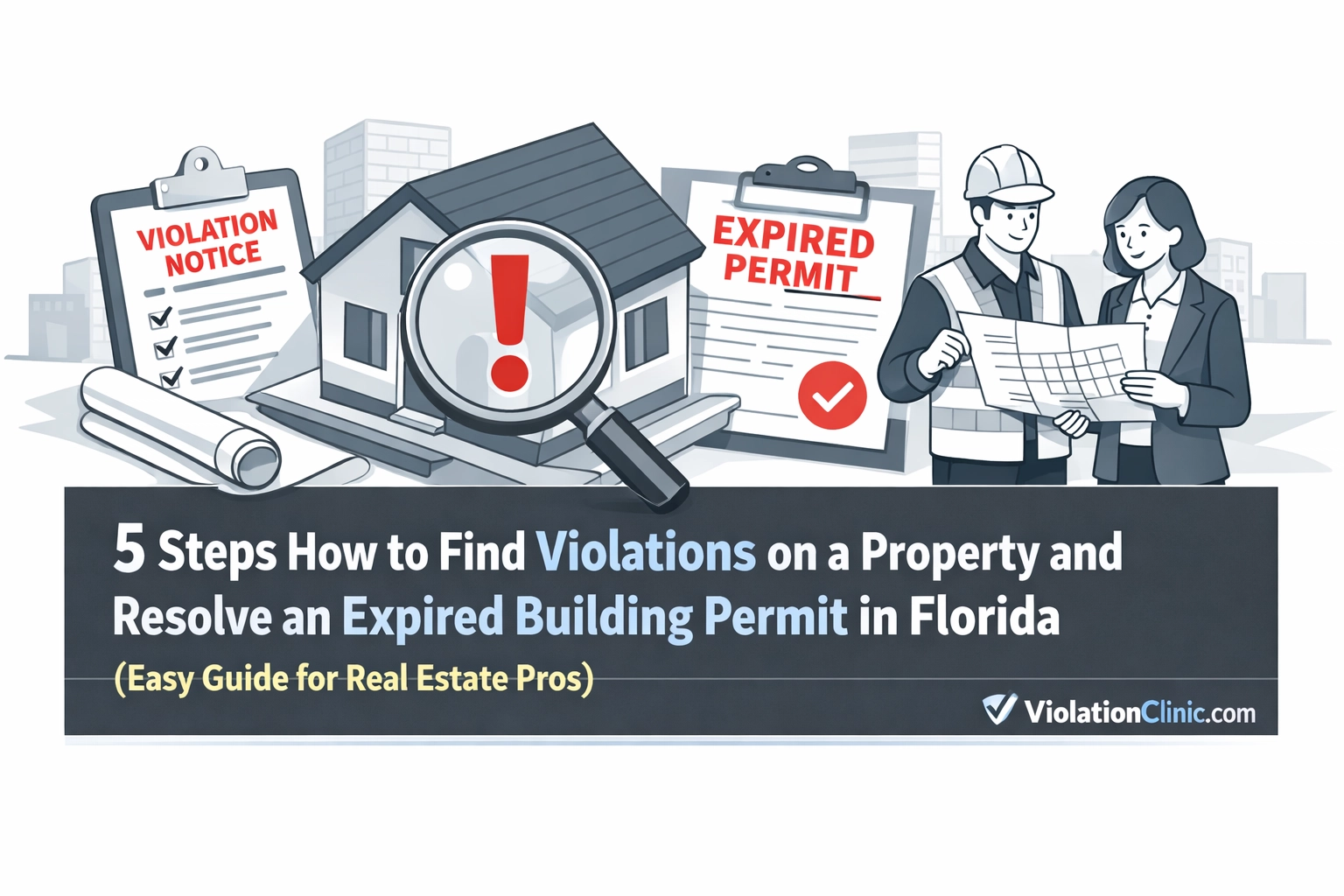
In the fast-paced world of Florida real estate, a hidden lien or an unresolved code violation can derail a multi-million dollar closing in an afternoon: protecting your investment requires more than just a standard walkthrough. For property owners, contractors, and real estate professionals, understanding the labyrinth of local regulations is not just a matter of legal obligation; it is a critical strategy for asset preservation.
When a property is red tagged, it signifies more than just a temporary delay. It represents a formal intervention by local authorities that can lead to mounting daily fines, clouds on titles, and the eventual issuance of an unsafe structure notice. Navigating these waters requires a firm grasp of the Florida Building Code 2025 and a proactive approach to remediation. Whether you are dealing with a residential flip in Miami-Dade or a commercial development in Orange County, the steps to compliance remain rigorous and time-sensitive.
The Real Cost of Non-Compliance
Before diving into the resolution process, it is vital to understand the gravity of the situation. Ignoring a municipal warning is perhaps the most expensive mistake a Florida property owner can make. What happens if you ignore code enforcement? The answer is a cascading series of financial and legal headaches.
Initially, a code enforcement officer may issue a stop work order florida, effectively freezing all activity on a site. If the underlying issue is not addressed, the case moves to a Special Magistrate or a Code Enforcement Board. Once a "Finding of Fact" is issued, daily fines begin to accrue: sometimes ranging from $250 to $1,000 per day: which eventually mature into a recorded lien against the property. This lien stays with the land, making it nearly impossible to sell or refinance until the debt is satisfied and the violation is cleared.
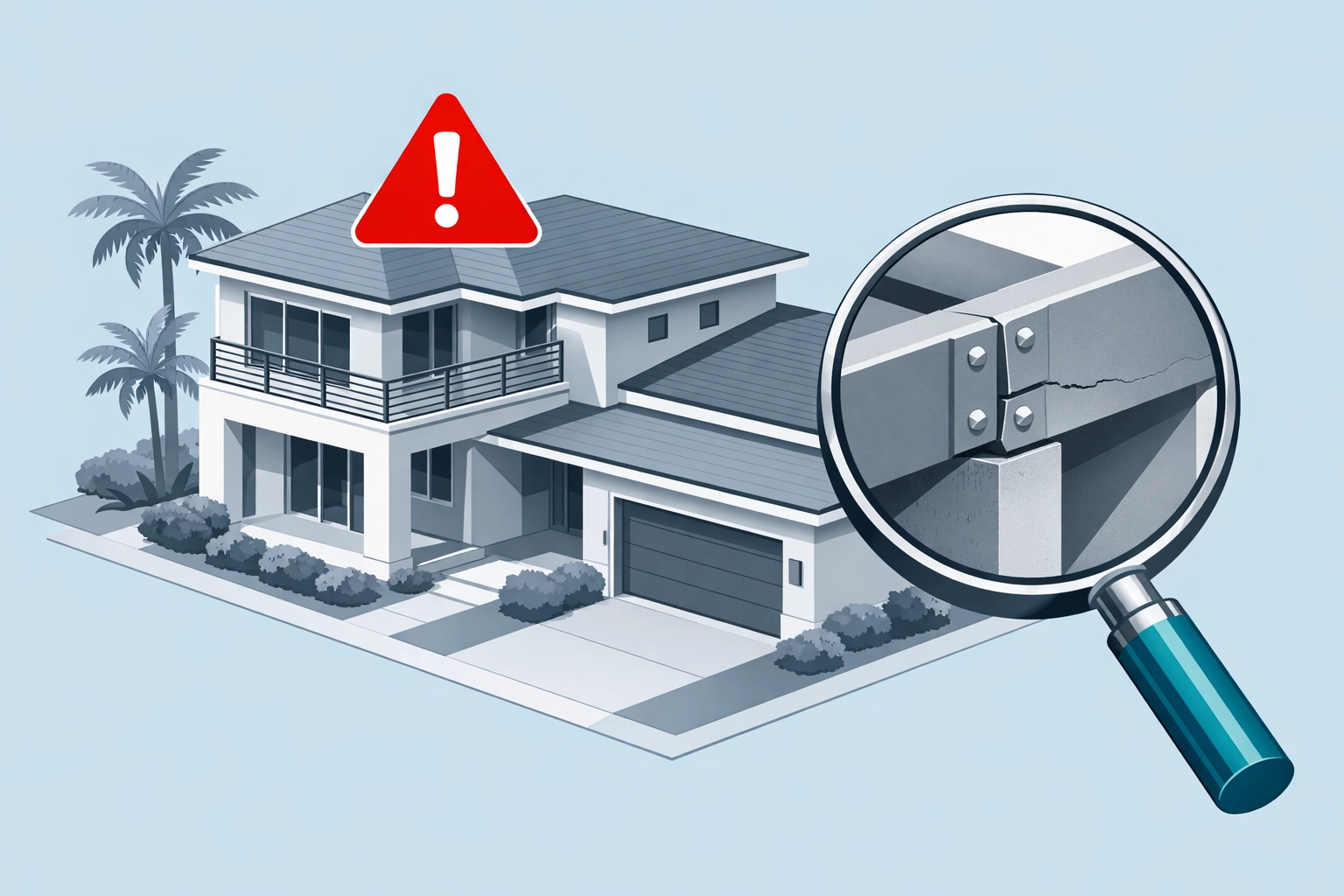
Step 1: Conduct a Comprehensive Property Research and Inspection
The first step in any remediation strategy is knowing exactly what you are up against. If you are representing a buyer or managing a portfolio, you must master how to find violations on a property before the due diligence period expires.
- Public Records Search: Most Florida counties, such as Broward and Palm Beach, offer online portals where you can search by address or Folio/Parcel ID. Look for "Open Cases," "Code Violations," or "Lien Inquiries."
- Permit History Audit: An expired building permit florida is one of the most common "hidden" violations. Just because a permit was pulled years ago doesn't mean it was closed. If the final inspection was never performed, the permit remains open and eventually expires, creating a title defect.
- Physical Site Inspection: Walk the property with a keen eye for unpermitted additions, enclosed carports, or new roof sections that look "too new" compared to the official records.
Step 2: Decode the Notice of Violation
Once a violation is identified, the municipality will issue a formal Notice of Violation (NOV). This document is your roadmap to resolution. It will specify the exact section of the code being violated and provide a "Compliance Date."
If the violation involves significant structural integrity issues or work performed without any oversight, you might receive an unsafe structure notice. This is a more severe designation that may require the building to be vacated or even demolished if not addressed immediately. In other cases, you might see a stop work order florida posted on the front door, which legally bars any further construction until a valid permit is obtained and the "stop work" fee is paid.
Step 3: Address the Expired Building Permit
Resolving an expired building permit florida is a nuanced process that depends on how much time has passed and which version of the code was in effect when the permit was originally issued.
- Revalidation or Extension: If the permit recently expired, you may be able to pay a fee to extend it and schedule the remaining inspections.
- The "As-Built" Permit: If the work was completed years ago but never inspected, you may need to file for a new "As-Built" permit. This often requires a Florida licensed engineer to perform a structural analysis to verify the work meets the current standards.
- The Penalty Fee: Be prepared for the penalty for not pulling a permit in florida. Most jurisdictions charge a "Double Permit Fee" or a specialized "Work Without Permit" penalty, which can significantly increase the cost of your project.
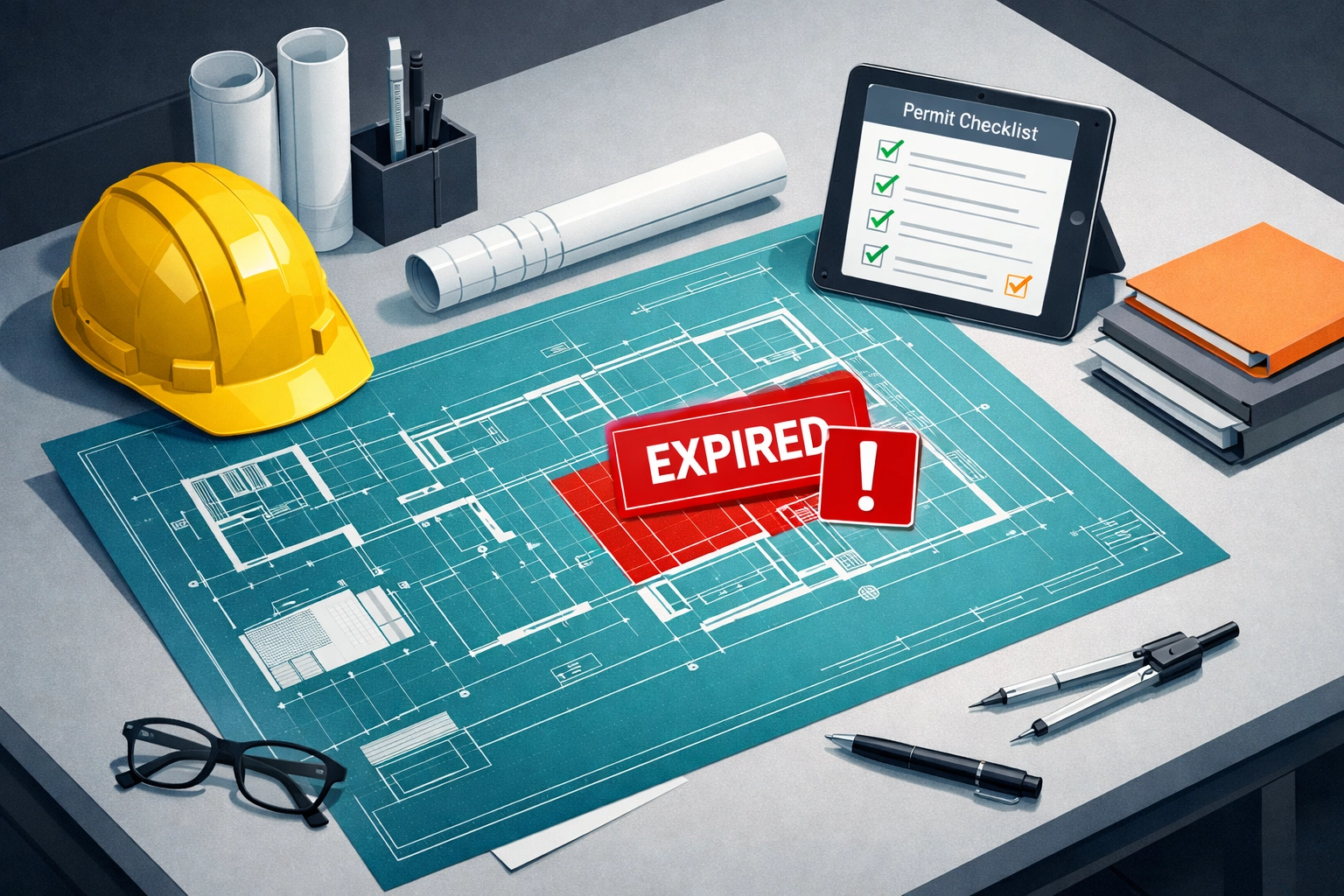
Step 4: The Code Enforcement Hearing and Mitigation
If you cannot achieve compliance by the date listed on the NOV, your case will likely be set for a hearing. This is a quasi-judicial process where a Special Magistrate hears evidence from the Code Enforcement Officer and the property owner.
- Preparation is Key: Do not show up empty-handed. Bring copies of permit applications, contracts with licensed professionals, and a clear timeline for completion.
- Requesting More Time: If you can show "Good Faith" effort: such as having hired an expeditor from Violation Clinic: the Magistrate may grant a 30, 60, or 90-day extension before daily fines begin to accrue.
- Understanding the Compliance Fee: Even if you fix the physical issue, you will likely still owe a compliance fee. This covers the administrative costs the city incurred while processing your violation.
Step 5: Final Inspections and Obtaining the Affidavit of Compliance
The final step is the most rewarding but also the most technical. To officially close a case, every trade (plumbing, electrical, mechanical, and building) must pass their final inspections.
Once the building department signs off, you must return to the Code Enforcement department to request a "Closing Inspection." If the officer finds the property is now in compliance, they will issue an Affidavit of Compliance. This document is the legal "clean bill of health" you need. If a lien was already recorded, you will then need to negotiate a "Lien Settlement" or "Fine Mitigation" to reduce the accrued daily penalties before the city will record a "Release of Lien."
Key Takeaways for Real Estate Professionals
Navigating the Florida Building Code 2025 requires diligence and a proactive mindset. For those operating in high-demand areas like Tampa or Orlando, the complexity of local ordinances can be overwhelming.
- Don't ignore the mail: Most code enforcement issues spiral out of control because the owner failed to update their mailing address with the Property Appraiser.
- Verify Licenses: Ensure any contractor you hire to fix a violation is licensed and insured in the State of Florida. Using unlicensed labor to fix a violation will only lead to further "red tags."
- Consult Experts: Solving a red tagged building issue is often a multi-disciplinary effort involving architects, engineers, and permit technicians.
Resolving code violations and expired permits doesn't have to be a nightmare. By following these five steps and acting swiftly, you can protect your property's value and ensure a smooth path to your next real estate transaction.
Code enforcement and compliance requirements may vary by jurisdiction. Always verify with local authorities or consult a licensed Florida compliance specialist.
Violation Clinic helps Florida property owners and contractors navigate the complexities of remediation and inspections. Whether you are dealing with a simple expired permit or a complex unsafe structure case, professional guidance can save you thousands in unnecessary fines.
For more information on how to clear your property title and resolve outstanding building violations, visit Violation Clinic.