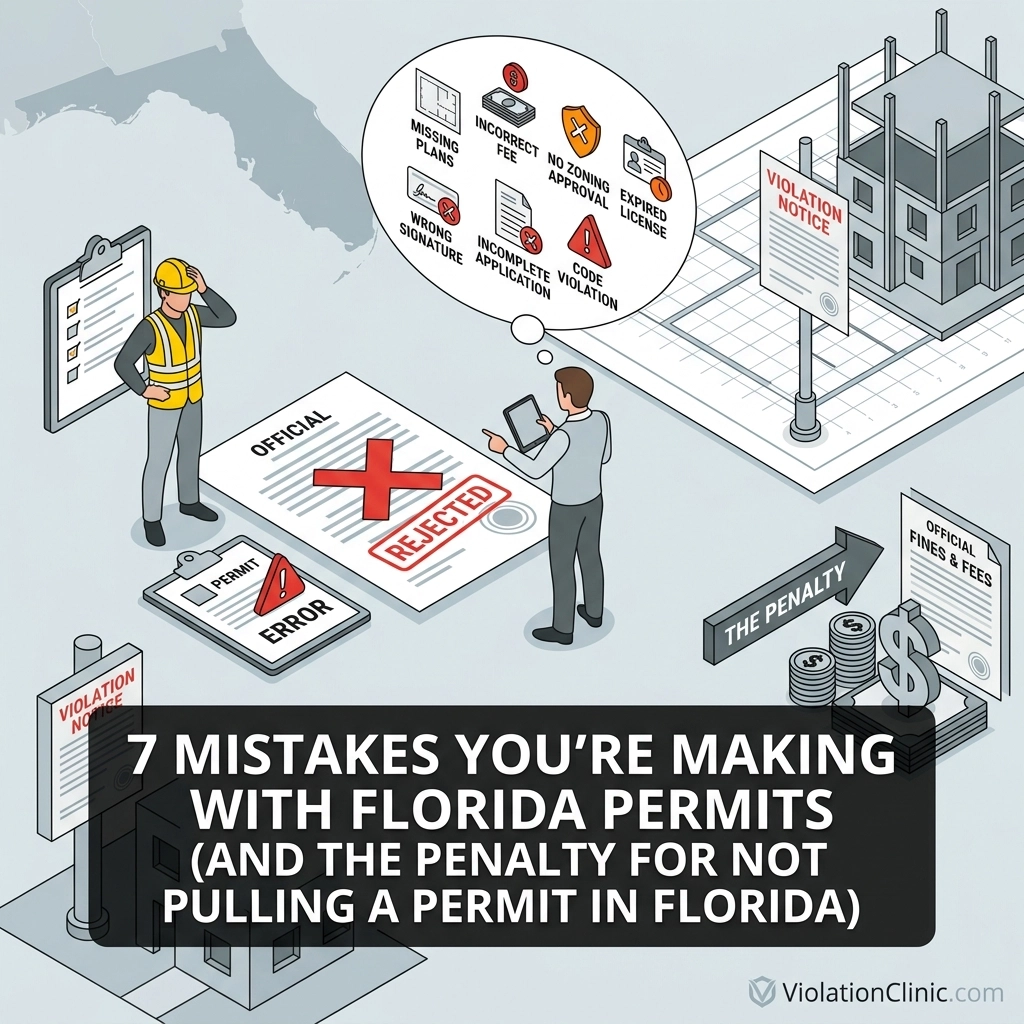
Navigating the world of Florida building permits can feel like walking through a minefield while blindfolded: if you don’t have the right map. Whether you are a homeowner looking to add a sunroom or a seasoned contractor managing a commercial build, the bureaucracy involved is more than just "red tape." It is a legal framework designed to ensure safety and structural integrity in a state known for its high-velocity hurricane zones and unique environmental challenges.
The reality is that cutting corners on permits rarely saves money; in fact, it usually costs double or triple in the long run. Between the penalty for not pulling a permit in Florida and the risk of having your project shut down entirely, the stakes are incredibly high. If you’re currently working on a project or planning one for later this year, you need to be aware of the common pitfalls that lead to delays, fines, and legal headaches.
The 7 Most Common Permitting Mistakes in Florida
Many property owners and contractors think that the permit process ends once they hand over a check to the city. That couldn't be further from the truth. Here are the top seven mistakes currently landing Florida property owners in hot water with code enforcement.
1. Missing Key Technical Details
Incomplete applications are the leading cause of permit rejections across the Sunshine State. It isn't just about filling out the form; it's about the documentation behind it. Common omissions include unsigned or unsealed engineering drawings, missing drainage plans, or structural calculations that lack professional documentation. If your survey doesn't match current site conditions, the reviewer will flag it immediately.
2. Vague Project Descriptions
A vague description is a fast track to a rejection letter. Simply stating you are doing a "small interior remodel" doesn't tell the plan reviewer what they need to know. You must specify which walls are being moved, what plumbing is being altered, and the exact scope of the electrical work. In jurisdictions like Miami-Dade, the specificity required is extremely high.
3. Failure to Follow the Latest Building Codes
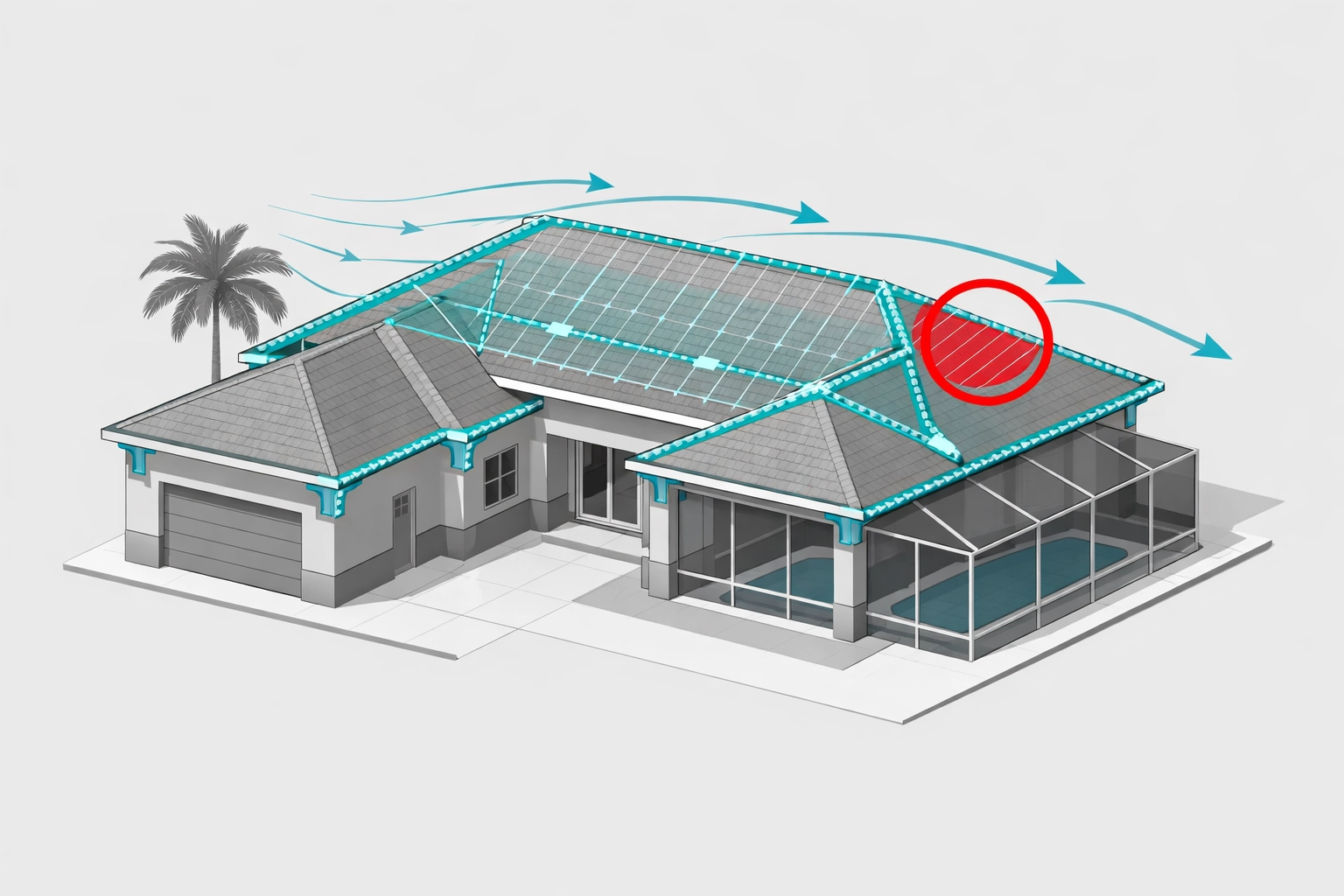
The rules change constantly. With the Florida Building Code 2025 updates, standards for energy efficiency, roofing, and wind loads have become even more stringent. Submitting plans based on outdated code versions will result in an immediate stop. You cannot rely on "what worked last year" to get a permit approved today.
4. Intentional Under-Valuation of Projects
It might be tempting to list a $50,000 renovation as a $10,000 project to save on permit fees, but Florida building departments are onto this trick. Reviewers use standardized cost-estimation software. If your valuation is suspiciously low, it triggers a red flag. This often results in a request for detailed contractor bids or an outright rejection of the application.
5. Using Expired or Unlicensed Contractors
Florida law is strict: all contractors must maintain valid, active licenses. Submitting an application with an expired license: or worse, a contractor who isn't licensed for that specific trade: results in an automatic denial. This mistake can also lead to a stop work order Florida inspectors are quick to issue, effectively freezing your project in its tracks.
6. Digital File Submission Errors
Most Florida jurisdictions have moved to digital portals like ProjectDox. Each county, from Hillsborough to Palm Beach, has unique requirements for file naming, page sizes, and resolution. If your files aren't named exactly according to the department’s protocol, the system may reject them before a human even looks at them.
7. Inadequate Coordination Between Professionals
When your civil engineer, architect, and surveyor aren't on the same page, the permit application usually fails. For example, a site plan might show a utility layout that conflicts with the structural drawings. This lack of coordination leads to "request for additional information" (RAI) letters that can delay a project for months.
The Real Penalty for Not Pulling a Permit in Florida
You might think, "It’s my house; why do I need permission?" The state of Florida disagrees. The penalty for not pulling a permit in Florida is designed to be punitive enough to discourage anyone from bypassing the system.
Financial Blowback and Double Fees
The most immediate consequence is financial. Most Florida counties will charge a "double permit fee" as a penalty for starting work without a permit. If your permit was supposed to cost $2,000, you are now looking at $4,000 before you even resolve the underlying issue. Additionally, daily fines can accumulate while the violation remains open.
The Dreaded Stop Work Order
If an inspector notices work being done without a permit, they will issue a stop work order Florida residents fear most. This is a legal notice that requires all construction activity to cease immediately. Ignoring this order can lead to criminal charges or significantly higher fines.
Red Tagged Buildings and Unsafe Structure Notices
If the unpermitted work is deemed hazardous or structurally unsound, the city may declare the property a red tagged building. This means the structure is unsafe for occupancy. In extreme cases, you may receive an unsafe structure notice, which could eventually lead to a city-ordered demolition if the issues aren't remediated promptly.
What Happens if You Ignore Code Enforcement?
Many people make the mistake of thinking code enforcement will eventually "forget" about a violation. They won't. Understanding what happens if you ignore code enforcement is critical to protecting your property value.
- Lien Placement: If fines remain unpaid, the local government can place a lien on your property. This makes it nearly impossible to sell or refinance the home.
- What is a Compliance Fee?: Beyond the initial fines, you will likely have to pay a compliance fee. This is an administrative charge to cover the city's costs for tracking your case and conducting follow-up inspections.
- The Problem of the Expired Building Permit: Even if you pulled a permit, if you didn't get the final inspection, you may be left with an expired building permit Florida title companies will flag during a sale. Resolving an expired permit often requires re-applying under the current, more strict building codes.
How to Protect Your Investment
If you are buying a new property or suspect that previous work was done without oversight, you need to know how to find violations on a property. You can typically search the public records of the local building department or code enforcement office. For those in high-volume areas like Broward County or Orange County, these databases are usually accessible online.
Steps to Rectify a Violation:
- Stop Work: If you receive a notice, stop all activity immediately.
- Research the Violation: Determine exactly which part of the code was violated.
- Hire Professionals: You will likely need an engineer or architect to "after-the-fact" certify the work.
- Open Communication: Work with code enforcement rather than against them.

Why Professional Compliance Matters
Dealing with the Florida building department is a full-time job. Between the Hillsborough County regulations and the specific nuances of Miami-Dade building code violations, the complexity is staggering.
At Violation Clinic, we specialize in navigating these exact headaches. Whether you're dealing with an unsafe structure notice, trying to close out an expired building permit Florida case, or simply trying to avoid the penalty for not pulling a permit in Florida in the first place, professional guidance is your best defense.
Resolving code violations with a compliance expert can save you thousands in fines and prevent the nightmare of a red tagged building. Don't let a simple paperwork error turn into a permanent lien on your home or business.
For more information on how to resolve your building code issues, visit Violation Clinic or check out our services for recertification.
Disclaimer: Code enforcement and compliance requirements may vary by jurisdiction. Always verify with local authorities or consult a licensed Florida compliance specialist.