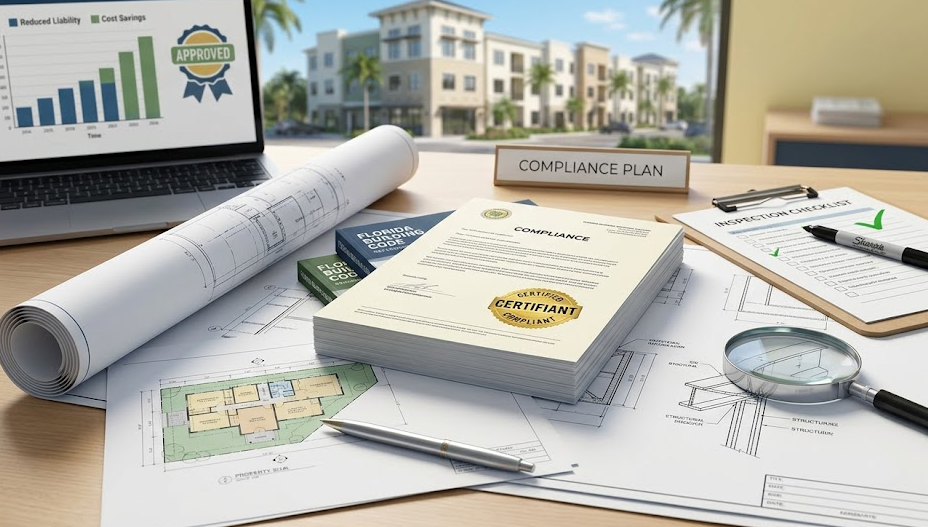
For many property owners, “compliance” is a word that only surfaces when a bright orange notice is taped to a front door or a formal warning arrives in the mail. However, viewing building codes and local ordinances as a reactive hurdle rather than a proactive strategy is a costly mistake.
In states like Florida, where environmental factors and rapid urban development shape strict regulatory landscapes, maintaining a compliant property is a fundamental aspect of asset management. Integrating compliance into your long-term property plan is the most effective way to protect your investment, ensure occupant safety, and avoid the staggering financial drain of municipal fines.
Common Catalysts for Property Violations and Fines
Understanding why violations occur is the first step toward prevention. Most fines issued by local municipalities are not the result of intentional negligence but rather a lack of oversight or awareness of evolving codes.
1. Unpermitted Construction and Alterations
One of the most frequent triggers for a code violation is performing work without the required permits. Whether it is a structural addition, an electrical upgrade, or even certain types of fencing, failing to pull a permit creates a “work without permit” violation. This doesn’t just result in fines; it can lead to “stop-work” orders and the potential requirement to tear down completed work to allow for late-stage inspections.
2. Zoning Violations
Zoning laws dictate how a property can be used. Common issues include operating a business in a strictly residential zone, improper land use, or violating “setback” requirements (how far a structure must be from the property line).
3. Neglected Property Maintenance and Aesthetics
Municipalities maintain “Minimum Housing Standards” or “Litter and Blight” ordinances. Overgrown grass, peeling paint, broken windows, or accumulated debris can trigger citations. While these may seem like minor aesthetic issues, they often serve as the “low-hanging fruit” for code enforcement officers to initiate a broader inspection of the premises.
4. Unsafe Conditions and Structural Integrity
Issues such as damaged roofing, crumbling balconies, or faulty wiring pose immediate risks to life and safety. In Florida’s coastal environments, salt air and humidity accelerate structural degradation, making routine maintenance a legal necessity under various safety codes.
5. Missed Mandatory Inspections
Many property owners are unaware that certain inspections are recurring legal obligations. Failing to complete these within the mandated window is an automatic trigger for significant penalties.
Proactive Strategies: Actionable Steps to Prevent Fines
The goal of a robust property plan is to move from a state of “crisis management” to “compliance management.” By following these best practices, you can ensure your property remains a recognized asset rather than a liability.
Obtaining Necessary Permits
Before any hammer hits a nail, verify the permit requirements with your local building department. Florida Building Code (FBC) Section 105.1 explicitly states that any owner or authorized agent who intends to construct, enlarge, alter, repair, move, demolish, or change the occupancy of a building must first make an application to the building official and obtain the required permit.
- Best Practice: Always work with licensed contractors who are familiar with local filing processes. Ensure that all permits are not only opened but also properly “closed out” with a final inspection.
Scheduling Regular Inspections
Don’t wait for the city to call you. Conduct annual or bi-annual internal audits of your property’s systems.
- Focus Areas: Check for leaks, cracks in the foundation, and the functionality of fire safety systems (smoke detectors, extinguishers, and sprinklers). Regular inspections catch small issues before they become five-figure structural repairs.
Maintaining Aesthetics and Safety
Set a recurring schedule for landscaping and exterior maintenance. This prevents “nuisance” violations that can lead to deeper scrutiny from the city. Ensuring that walkways are clear and lighting is functional also mitigates premises liability risks.
Staying Informed on Florida Building Codes
Building codes are not static; they are updated frequently to reflect new safety data and environmental challenges. Resources like the Florida Department of Business and Professional Regulation (DBPR) provide updates on licensing and code changes. Staying informed allows you to budget for upgrades before they become mandatory enforcement items.
The High Cost of Non-Compliance: Florida’s Legal Mandates
In Florida, compliance is not merely a suggestion—it is a rigorous legal requirement. One of the most critical components of Florida property law is the Building Recertification process (formerly known in some counties as the 40-year or 50-year recertification).
Recent legislative changes have tightened these windows, particularly for buildings near the coastline. For example, many structures are now required to undergo Milestone Inspections to ensure structural and electrical safety.
Financial Consequences
The financial impact of ignoring these mandates is severe:
- Initial Fines: In many jurisdictions, failure to comply with a recertification notice can result in an immediate fine of $510.
- Escalating Penalties: For continued non-compliance, fines can escalate to as much as $10,000.
- Legal Action: Beyond fines, the city may record a lien against the property, which can prevent sale or refinancing. In extreme cases, the building may be declared “Unsafe” and ordered to be vacated.
To ensure your building meets these strict standards, utilizing professional Building Recertification and Services is essential to navigate the paperwork and technical requirements.
Case Studies: Compliance in Action
Case Study 1: The “Unfinished” Addition
A property owner in Miami-Dade County decided to convert a garage into a living space without a permit. Two years later, during a routine neighborhood sweep, a code enforcement officer noticed the modification. The owner was hit with a double-fee penalty for the permit and was required to open up the walls so the electrical and plumbing work could be inspected.
- Resolution: By working with a compliance expert, the owner was able to obtain “as-built” plans and a retroactive permit, but the total cost (fines + remedial construction) was three times what the original permit would have cost.
Case Study 2: Proactive Safety Upgrades
A commercial building owner noticed minor spalling (cracking) on a concrete balcony. Rather than waiting for their scheduled recertification, they consulted code compliance tips and hired an engineer.
- Resolution: They repaired the rebar early. When the official building recertification notice arrived a year later, the building passed immediately, avoiding the stress and potential fines associated with emergency repairs.
Related Posts
- Dealing with Unpermitted Work: Solutions for Building Compliance
- How to Work with Inspectors for Faster Compliance
- Understanding Zoning Violations: What Property Owners Need to Know
External Resources
- Florida Building Code Online
- Miami-Dade County Building Recertification Guidelines
- Florida Statutes – Chapter 553: Building Construction Standards
Summary: Building a Culture of Compliance
Integrating compliance into your property plan is about more than just avoiding fines; it is about protecting the value of your real estate and the safety of everyone who enters it. By understanding common violations—such as unpermitted work or neglected maintenance—and taking proactive steps to stay ahead of Florida’s strict building codes, you can save thousands of dollars and avoid the headache of legal battles with the city.
At ViolationClinic.com, we specialize in helping property owners navigate the recertification process smoothly. Whether you need assistance with inspections, violations, or compliance issues, our team is here to help. Don’t wait until it’s too late, take action today to protect your investment and ensure the safety of your building.
For more information or assistance, contact us at ViolationClinic.com!