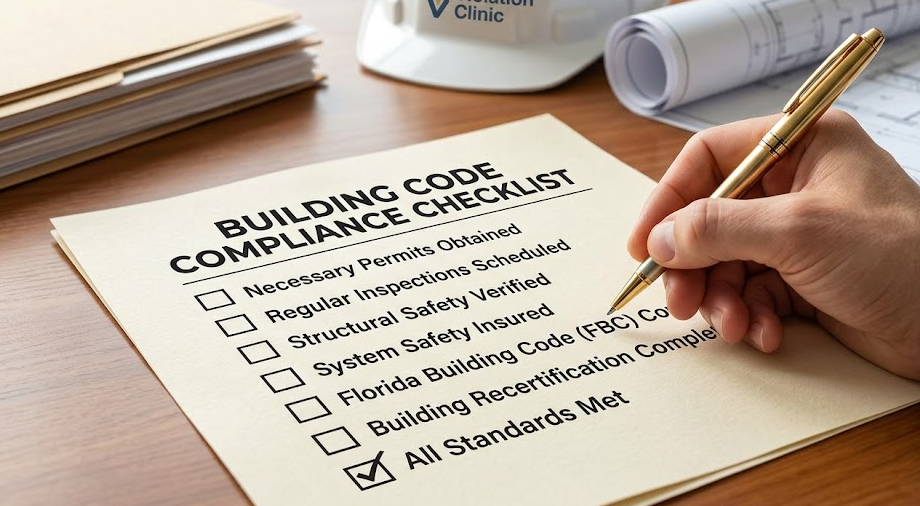
Real estate is often the most significant investment an individual or corporation will ever make. Whether it is a commercial warehouse in Miami-Dade, a multi-family apartment complex in Broward County, or a private residence, the value of that asset is tied directly to its legal and structural integrity. However, many property owners overlook a critical component of asset protection: building code compliance.
In Florida, where environmental factors and rigorous safety standards shape the legislative landscape, staying ahead of code requirements isn’t just about following the law—it’s about financial survival. Failing to adhere to local ordinances can lead to compounding fines, legal liabilities, and a significant decrease in property value.
This guide explores the common pitfalls of property management, the specific nuances of Florida building codes, and how a proactive approach to compliance can safeguard your financial future.
Common Reasons for Building Code Violations
Understanding why violations occur is the first step in preventing them. Most citations are not the result of intentional negligence but rather a lack of awareness regarding the complexity of local regulations.
1. Unpermitted Construction and Alterations
One of the most frequent issues property owners face is “work without a permit.” Whether it’s an interior remodel, a structural addition, or even a specialized electrical upgrade, failing to secure the proper documentation from the local building department can trigger immediate stop-work orders and heavy penalties. Beyond the fines, unpermitted work often complicates future sales, as title companies and buyers will flag these discrepancies during due diligence.
2. Zoning Violations
Zoning laws dictate how a property can be used. Common violations include operating a business in a residentially zoned area, exceeding occupancy limits, or failing to adhere to setback requirements. Navigating zoning violations requires a deep understanding of municipal codes, which can vary significantly between neighboring cities.
3. Neglected Property Maintenance
Local code enforcement officers frequently issue citations for “minimum housing standards” or “aesthetic maintenance.” This includes overgrown vegetation, peeling paint, cracked pavement, or debris accumulation. While these may seem like minor issues, they are often the “gateway” violations that draw inspectors’ attention to more serious internal problems.
4. Unsafe Conditions and Life Safety Issues
Violations involving fire hazards, blocked exits, faulty wiring, or compromised structural elements are treated with the highest urgency. In Florida, these are often identified during routine inspections, and failure to remedy them immediately can lead to the property being declared “unfit for human habitation.”
5. Missed Inspections and Expired Permits
A permit that is never “closed out” with a final inspection is essentially a ticking time bomb. An open permit remains on the property record indefinitely, preventing owners from refinancing or selling the asset until a final inspection is passed and the permit is officially closed.
The Financial Weight of Non-Compliance
In the state of Florida, the cost of non-compliance is designed to be more expensive than the cost of the repair. For example, when a property is due for its mandatory building recertification—a requirement for buildings that have reached a certain age to ensure structural and electrical safety—the stakes are incredibly high.
Initial fines for missing a recertification deadline often start at $510. However, these are typically daily or recurring fines. For continued non-compliance, penalties can escalate to $10,000 or more, and the local municipality may even place a lien on the property. In extreme cases, the building may lose its Certificate of Occupancy, forcing tenants to vacate and causing an immediate cessation of rental income.
To avoid these compounding costs, it is vital to utilize professional Building Recertification and Services to ensure all milestones are met according to state and county guidelines.
Actionable Steps to Protect Your Investment
Proactive management is the only way to guarantee long-term compliance. By implementing the following best practices, property owners can mitigate risk and maintain the “clean title” status of their assets.
Obtain Necessary Permits Before Work Begins
Never rely on a contractor who suggests “cutting corners” by skipping the permitting process. According to the Florida Building Code, most significant repairs and all structural changes require oversight. A permit ensures that the work is performed to safety standards, which protects you from future liability if a failure occurs.
Schedule Regular Professional Inspections
Don’t wait for a code enforcement officer to knock on your door. Conduct annual or bi-annual “pre-compliance” walkthroughs. Look for signs of:
- Water intrusion or mold.
- Cracks in structural beams or masonry.
- Outdated electrical panels (such as Federal Pacific or Zinsco panels, which are frequent targets for inspectors).
- Non-functional emergency lighting or fire extinguishers.
Maintain Property Aesthetics and Safety
Curb appeal and code compliance go hand-in-hand. Regularly pressure wash walkways, maintain landscaping, and ensure that signage is in good repair. A well-maintained exterior signals to code enforcement that the property is under active management, which often results in fewer “random” inspections.
Stay Informed About Florida-Specific Regulations
Florida’s building codes are among the strictest in the nation due to hurricane risks. Regulations regarding wind-load requirements, impact-resistant windows, and roofing materials are constantly evolving. Following updates from the Florida Department of Business and Professional Regulation (DBPR) can help you plan for necessary upgrades before they become mandatory violations.
Case Study: The Cost of a Forgotten Permit
Consider the case of a commercial property owner in Miami who converted a storage area into additional office space without a permit. Two years later, during a routine fire inspection, the unpermitted walls were discovered.
The Result:
- Initial Fine: $1,500 for work without a permit.
- Remediation: The owner had to hire an engineer to create “as-built” plans and a contractor to open the walls so the city could inspect the wiring.
- Total Cost: $12,000 in legal, engineering, and construction fees—nearly triple what the original permit would have cost.
By following code compliance tips, this owner could have invested that $12,000 back into the property’s value rather than into penalties and corrective labor.
Why Professional Guidance Matters
Building codes are not static; they are a complex web of municipal, county, and state laws. For many owners, managing these requirements while also handling the day-to-day operations of a business or household is overwhelming.
Partnering with experts allows you to navigate the “Violation Clinic” of modern real estate. Whether you are dealing with an existing lien, a “notice of violation,” or simply want to ensure your upcoming project is fully compliant, professional intervention ensures that you are speaking the same language as the building department.
Related Posts
- The Ultimate Guide to Florida Building Recertification
- How to Fix Open or Expired Building Permits
- Understanding Zoning Violations: What Property Owners Need to Know
Conclusion
Staying compliant is more than a legal obligation; it is a fundamental strategy for asset appreciation. A compliant property is easier to insure, simpler to sell, and safer for its occupants. By obtaining the right permits, respecting the recertification cycles, and maintaining high standards of repair, you ensure that your investment remains a source of wealth rather than a source of legal stress.
At ViolationClinic.com, we specialize in helping property owners navigate the recertification process smoothly. Whether you need assistance with inspections, violations, or compliance issues, our team is here to help. Don’t wait until it’s too late, take action today to protect your investment and ensure the safety of your building.
For more information or assistance, contact us at ViolationClinic.com!