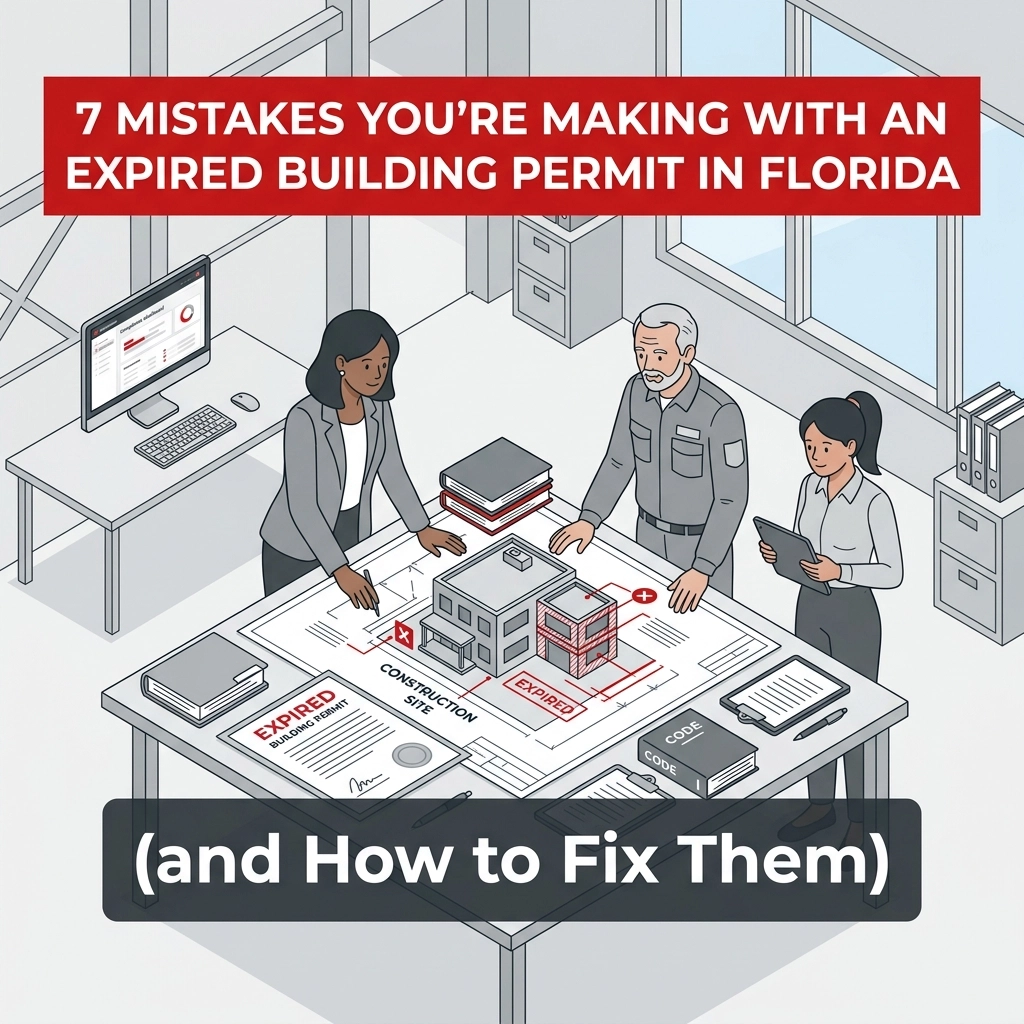
Owning property in the Sunshine State is a dream for many, but that dream can quickly turn into a regulatory nightmare if you lose track of your paperwork: especially when it comes to construction. Whether you are a homeowner finishing a kitchen or a developer mid-project, an expired building permit in Florida is a ticking financial time bomb that can explode during a sale, a routine inspection, or even a neighbor's complaint.
Ignoring an expired permit doesn’t make it go away; it only makes the eventual resolution more expensive and legally complex. In the current regulatory climate, Florida jurisdictions are becoming increasingly aggressive with code enforcement. Understanding how to navigate these waters: and avoiding common pitfalls: is the only way to protect your investment and ensure your property remains compliant.
1. Assuming "No News is Good News"
The most common mistake property owners make is assuming that because the building department hasn't called, everything is fine. In Florida, most building permits are valid for only six months (180 days) from the date of issuance or from the date of the last passed inspection.
If construction stops or if you fail to call for an inspection within that timeframe, the permit automatically expires. An expired building permit in Florida remains as an "open" item in the county’s system indefinitely. This "open" status is a red flag for title companies and can halt a real estate transaction years after the work was actually completed.
2. Ignoring the Florida Building Code 2025 Updates
Building codes are not static; they evolve to improve safety and energy efficiency. As of the Florida Building Code 2025, standards for wind resistance, electrical systems, and floodproofing have become even more stringent.
When a permit expires, you cannot simply "reactivate" it under the old rules. In many jurisdictions, once a permit has been void for a certain period, any remaining work must be brought up to the current code standards. This might mean that the windows you bought two years ago are no longer compliant, or your electrical layout needs a complete redesign to meet the latest safety requirements.
3. Continuing Work After Expiration
Some owners and contractors believe that as long as the work is "almost done," they can just push through and finish the project. This is a high-stakes gamble. If an inspector or code enforcement officer notices active construction on an expired permit, they will likely issue a stop work order florida.
Once a stop work order is posted, all activity must cease immediately. Continuing to work after this notice can lead to your property being classified as a red tagged building, which signifies a violation so severe that the structure may be deemed unsafe or the permit process has been completely compromised.
4. Failing to Monitor Code Enforcement Notices
Many property owners live out of state or use their Florida homes as vacation rentals, leading them to miss official mail. What happens if you ignore code enforcement notices? The situation escalates from a simple administrative fix to a legal battle.
If notices are ignored, the municipality may issue an unsafe structure notice or start accruing daily fines. These fines can range from $50 to $500 per day, depending on the municipality. If left unaddressed, these fines turn into liens against the property, which can eventually lead to foreclosure. If you are unsure about your status, you should learn how to find violations on a property through local public records or by consulting with a specialist.

5. Neglecting the "Final Inspection"
A permit is not closed just because the contractor finished the work and got paid. It is only closed when the building department performs a final inspection and issues a Certificate of Completion or Occupancy.
Many homeowners find out years later: often when trying to sell their home: that their contractor never called for that final walkthrough. This oversight creates a "zombie permit" that haunts your title. In places like Miami-Dade or Broward County, clearing these old permits requires navigating a maze of archives and potentially hiring new engineers to certify work that was done years ago.
6. Misunderstanding the Compliance Fee Structure
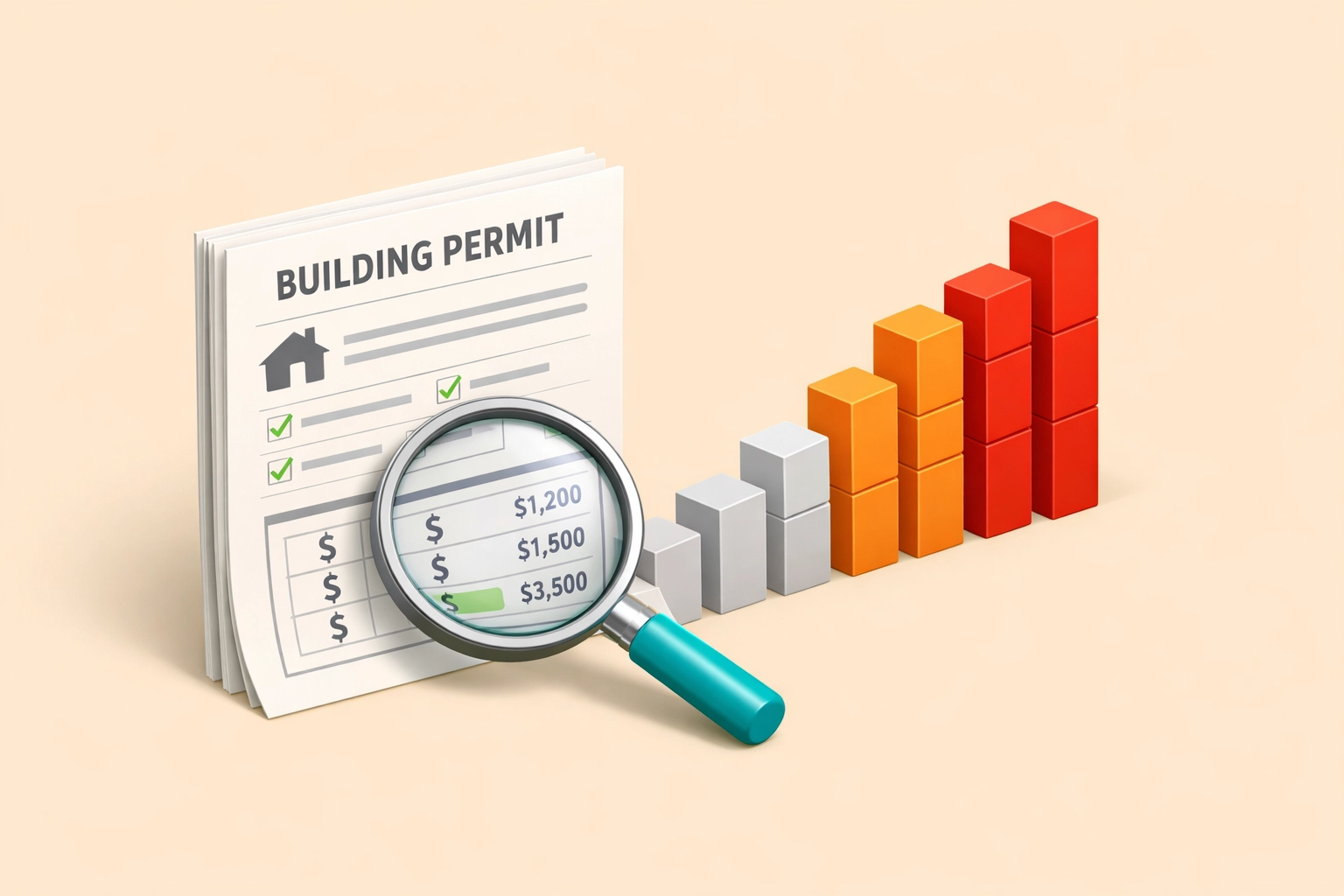
When you finally go to the building department to fix an expired permit, you will likely be hit with a compliance fee. Many people mistake this for a simple renewal fee, but it is often much more.
A compliance fee is a penalty or administrative cost charged by the municipality to cover the extra work required to process a violation or an expired file. In addition to this, you may face a penalty for not pulling a permit in florida correctly if the original scope of work was exceeded or changed without approval. These costs can quickly add up to thousands of dollars before a single nail is even driven.
7. Trying to Navigate the System Without Expert Help
The Florida building permit process is notoriously bureaucratic. Every municipality, from Orlando to Boca Raton, has its own specific quirks and local ordinances.
Attempting to fix an expired permit yourself often leads to more mistakes, such as submitting incorrect paperwork or failing to address the specific concerns of a code enforcement officer. This back-and-forth can take months, during which fines continue to accrue.
How to Fix an Expired Permit: A Step-by-Step Guide
If you’ve discovered that your permit has expired, don't panic: but do take immediate action. Here is the professional roadmap to getting your property back in good standing.
Step 1: Conduct a Thorough Property Audit
First, you need to know exactly what you are dealing with. Visit your local building department’s online portal to see the status of all permits associated with your address. If you are buying a home, this should be a standard part of your due diligence. Knowing how to find violations on a property early can save you from inheriting someone else’s legal mess.
Step 2: Stop All Unpermitted Work
If you are currently mid-construction and realize your permit is expired, stop. Do not wait for a stop work order florida to be taped to your front door. Voluntarily stopping and approaching the building department shows "good faith," which can sometimes help in negotiating down fines or penalties.
Step 3: Consult a Compliance Specialist
Before you walk into the building department, speak with a professional. A company like Violation Clinic specializes in code violation remediation services. They can review your case, determine if your work meets the Florida Building Code 2025 standards, and represent you in front of code enforcement boards.
Step 4: Apply for a Permit Extension or Re-issuance
Depending on how long the permit has been expired, you may be able to apply for a "Re-issuance." This involves paying the necessary fees (including any compliance fee) and submitting updated plans if the code has changed significantly since your original application.
Step 5: Schedule Necessary Inspections
Once the permit is active again, you must schedule the inspections that were missed. If walls have already been closed up, the inspector may require "destructive testing": meaning you might have to cut holes in your new drywall so they can see the plumbing or electrical work inside.
Step 6: Close the Permit and Obtain Documentation
After the final inspection is passed, ensure you receive a formal letter or certificate stating the permit is closed. Keep this in your permanent property records. This documentation is essential for future insurance claims and property sales.
Protecting Your Investment
An expired permit is more than just a piece of paper; it is a legal cloud over your property’s title. Whether you are dealing with a red tagged building in Palm Beach or an unsafe structure notice in Hillsborough County, the key is proactive communication and expert guidance.
Don't let administrative errors devalue your home or business. By addressing expired permits today, you avoid the compounding interest of fines and the stress of emergency repairs later.
Code enforcement and compliance requirements may vary by jurisdiction. Always verify with local authorities or consult a licensed Florida compliance specialist.
Resolving code violations with a compliance expert can save you time, fines, and costly corrections. Violation Clinic helps Florida property owners, contractors, and real estate professionals navigate the complexities of remediation, inspections, and permit closures.
For more information on how to clear your property's title and resolve building code issues, visit ViolationClinic.com or contact our team of specialists today. Don't wait until a small permit issue becomes a major legal hurdle( take action to protect your Florida property now.)