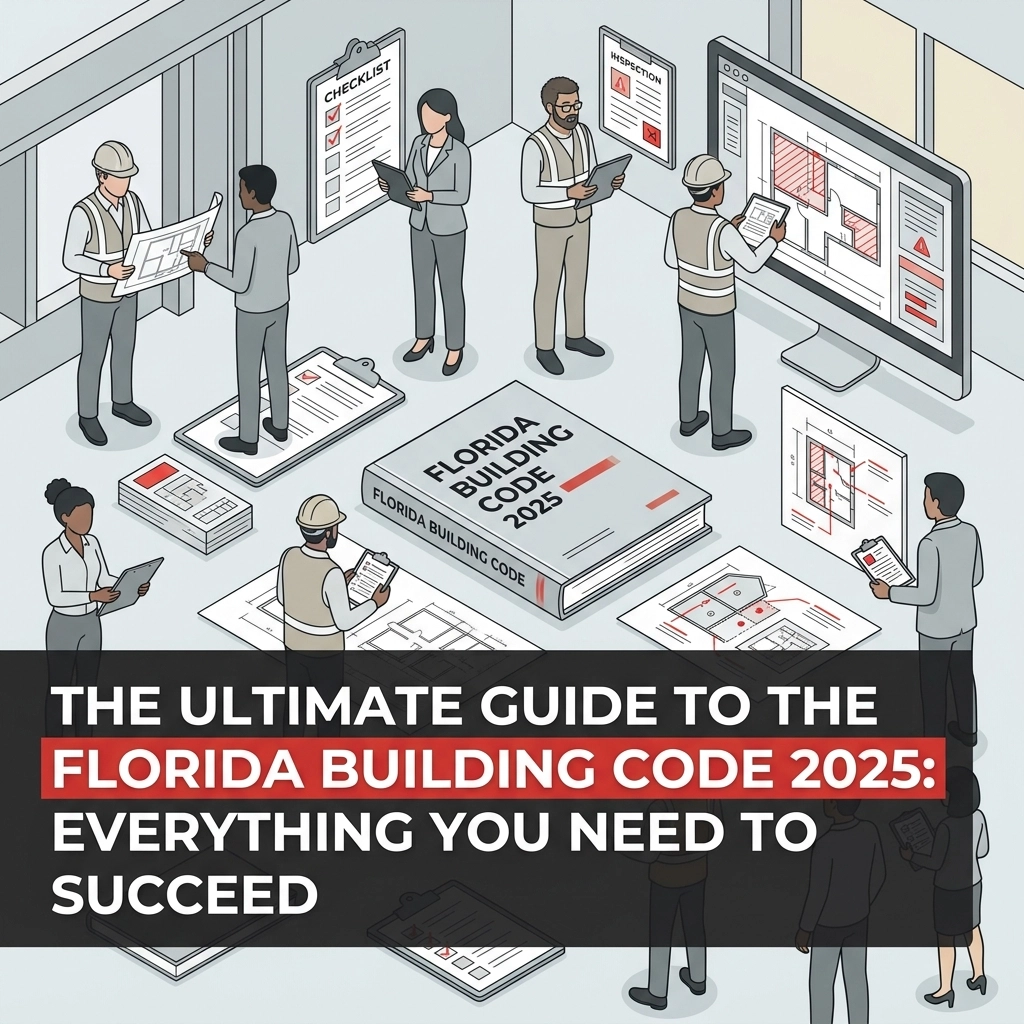
Navigating the landscape of Florida real estate and construction has never been a "set it and forget it" endeavor: and with the full implementation of the latest updates, the stakes have never been higher. Whether you are a property owner looking to renovate, a contractor managing multiple job sites, or a real estate professional closing a high-stakes deal, understanding the Florida Building Code 2025 is no longer just about following the rules: it is about protecting your bottom line from predatory fines and avoidable delays. In Florida’s high-velocity regulatory environment, ignorance of a single supplement can result in a project being shut down overnight.
The transition into 2025 brought significant changes to how permits are processed and how structural integrity is monitored across the Sunshine State. With the state government pushing for faster approvals alongside stricter safety mandates, the gap between "compliant" and "violator" has narrowed. This guide breaks down the essential updates, the consequences of non-compliance, and the practical steps you need to take to ensure your property remains a valuable asset rather than a legal liability.
The 2025 Regulatory Shift: Speed Meets Stringency
As of early 2026, we are now seeing the full impact of the legislative changes that took flight over the past year. The most notable driver of the Florida Building Code 2025 environment is House Bill 267, which fundamentally altered the relationship between local building departments and applicants.
For years, the permit process was a notorious bottleneck: but the new statutes have forced a change in pace:
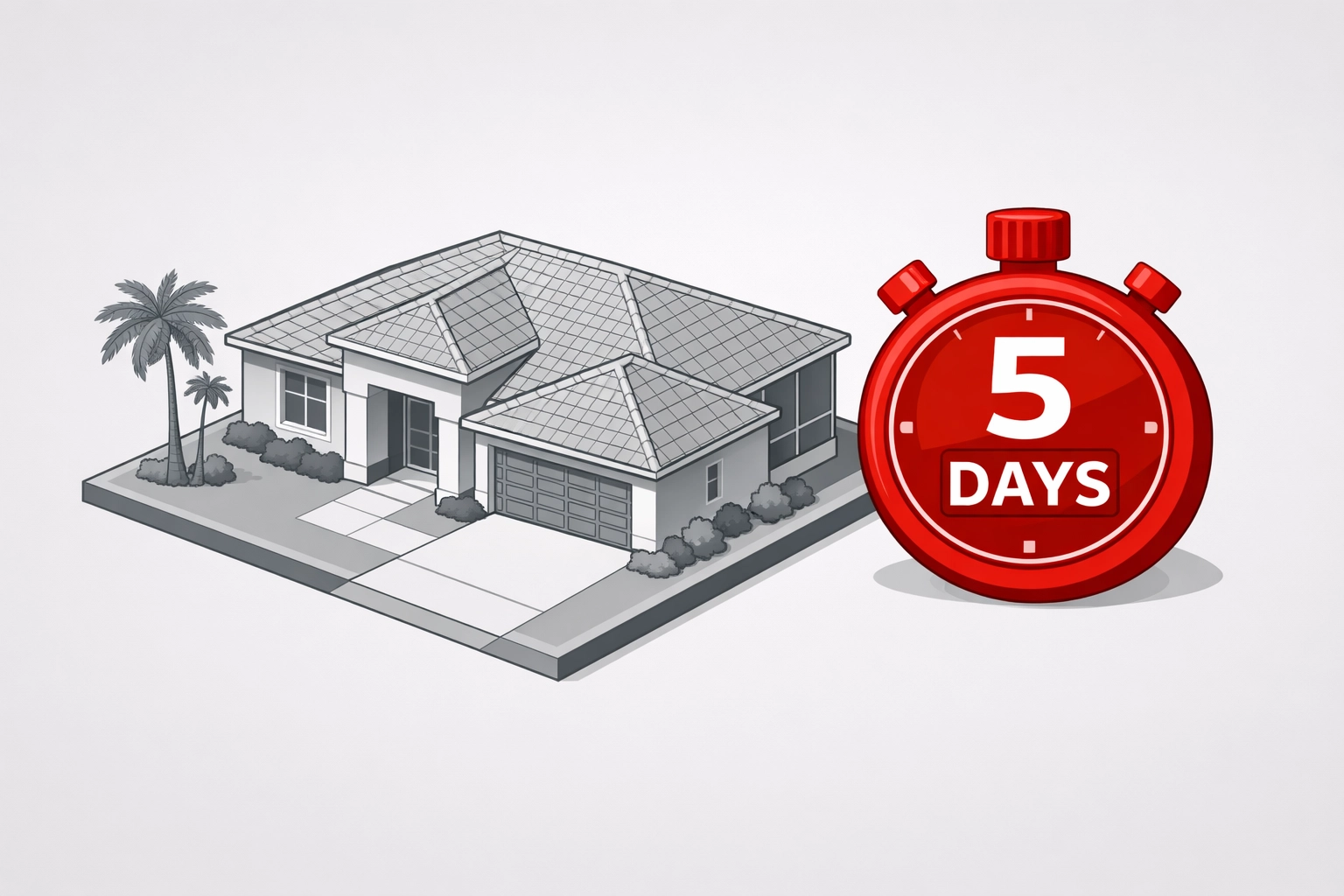
- Expedited Timelines: Local governments are now required to approve or deny permits for single-family residential dwellings under $15,000 within just 5 business days.
- Deemed Approved: In a revolutionary move for Florida construction, if the local authority fails to act within the statutory timeframe, the permit is often "deemed approved," allowing work to proceed.
- Emergency Provisions: In declared emergency zones, applications signed by a licensed architect or engineer must be processed within a staggering 2-day window.
While these changes are designed to help you succeed, they also place a higher burden of accuracy on the applicant. Because the review window is shorter, mistakes in your initial filing can lead to immediate rejections rather than helpful corrections from a desk clerk.
The High Cost of Shortcuts: Fines and Red Tags
In Florida, the temptation to "just get the work done" and deal with the paperwork later is a dangerous gamble. The penalty for not pulling a permit in florida is significantly more expensive than the permit itself: often involving double or triple the original application fee, plus mandatory investigative costs.
However, the financial penalty is often the least of your worries. If an inspector discovers unpermitted work, the immediate result is usually a stop work order florida. This is a legal directive that halts all activity on a job site. Ignoring this order is a criminal offense in many jurisdictions and can lead to immediate arrest or astronomical daily fines.
When a building is deemed to have major structural deficiencies or work that poses an immediate threat to life safety, it becomes a red tagged building. A red tag: formally known as an "Unsafe" or "Do Not Enter" notice: means the structure cannot be occupied. For a landlord, this means an immediate loss of rental income; for a homeowner, it means potential displacement.
Understanding the "Unsafe Structure Notice"
If you receive an unsafe structure notice, the clock starts ticking immediately. These notices are typically issued for:
- Unpermitted additions that lack structural engineering.
- Significant damage from weather events that has not been remediated.
- Failure to comply with the mandatory milestone inspections for older condominiums.
Under the 2025 framework, the Florida Building Safety Act (SB 4-D and SB 154) has reached a critical implementation phase. Condominiums three stories or higher must undergo milestone inspections. If these inspections reveal "substantial structural deterioration," and the association fails to act, the building department will not hesitate to issue notices that can lead to a full evacuation.
The Financial Sting: What is a Compliance Fee?
Many property owners are blindsided by the administrative costs of a violation. Beyond the initial fine, you will likely encounter a compliance fee. But what is a compliance fee exactly?
A compliance fee is an administrative charge levied by the municipality to cover the costs of re-inspections, overhead, and the legal processing of your violation. Unlike a one-time fine, these fees can sometimes be recurring or tied to the length of time the property remains out of compliance. In many South Florida jurisdictions, if a violation isn't cleared within 30 to 90 days, the case is referred to a Special Magistrate, where daily fines: sometimes ranging from $250 to $1,000 per day: begin to accrue against the property.
Hidden Traps: Expired Building Permits
A common headache for real estate professionals is the expired building permit florida. This occurs when a permit was pulled, work was started (or finished), but a final inspection was never conducted or passed.
An expired permit is a "cloud" on the title. It can prevent a sale, stop a refinance, and: under the current 2025 code: can be triggered as a new violation if the local building department conducts an audit. To clear an expired permit, you often have to:
- Hire a contractor to "re-open" the permit.
- Bring the old work up to the current 2025 standards (not the standards that existed when the permit was first pulled).
- Pay "work without permit" fees if the original permit has been expired for several years.
You can learn more about how these regulatory hurdles affect the broader market by visiting our press section at Violation Clinic Press, which features insights into how Florida's construction landscape is evolving.
Proactive Defense: How to Find Violations on a Property
If you are buying a property or managing a portfolio, you must be proactive. Waiting for a code enforcement officer to knock on your door is a losing strategy. Knowing how to find violations on a property is an essential skill in 2026.
- Search the Municipal Portal: Most Florida counties (like Miami-Dade, Broward, or Orange) have online databases. Search by address or Folio/Parcel ID under "Building Permits" and "Code Enforcement."
- Request a Lien Search: A standard title search might not catch every pending municipal fine. A dedicated municipal lien search will uncover unrecorded liens and "open" permits.
- Physical Inspection: Look for "tell-tale" signs: freshly painted areas that might hide unpermitted additions, new water heaters without inspection stickers, or roof work that doesn't match the age of the house.
For those involved in complex transactions, checking reports from reputable sources like The Florida Herald or Sunshine State Today can provide context on regional enforcement trends that might affect your specific city.
What Happens if You Ignore Code Enforcement?
It is a common myth that code enforcement will eventually "give up" if you ignore their letters. In reality, the opposite is true. So, what happens if you ignore code enforcement?
- Lien Foreclosure: Once a fine is recorded as a lien, it attaches to the property. After a certain period (often 3 to 12 months of non-payment), the municipality has the legal right to foreclose on that lien, potentially taking ownership of your property to satisfy the debt.
- Utility Shut-off: In extreme cases involving unsafe structures, the city can coordinate with utility companies to cut off water and electricity.
- Difficulty with Insurance: Most carriers now cross-reference building department records. An open violation or an unsafe structure notice can lead to the immediate cancellation of your homeowner’s insurance policy.

2025 Roofing and Energy Updates
Success in 2025 also requires technical knowledge. The 8th Edition of the Florida Building Code (with 2025 supplements) has doubled down on hurricane resiliency.
- Roofing: Two-layer underlayment is now a standard requirement for almost all residential roof replacements. This is designed to prevent water intrusion even if the primary shingles or tiles are blown off during a storm.
- Solar and Energy: There are stricter requirements for how solar panels are anchored to the roof deck, ensuring they don't become projectiles in high-wind events.
Conclusion: Securing Your Property’s Future
The Florida Building Code 2025 isn't just a book of rules: it's the framework for your project's success. Whether you're dealing with a stop work order florida or trying to resolve an expired building permit florida, the key is immediate and professional action. The days of "handyman specials" and unpermitted additions are being replaced by a highly regulated, digitally-tracked environment where every nail and beam is accounted for.
Ignoring these regulations can lead to a downward spiral of fines, liens, and the dreaded red tagged building status. However, with the right approach, these challenges are manageable. By understanding the permit timelines introduced by HB 267 and staying ahead of milestone inspections, you can turn compliance into a competitive advantage.
Code enforcement and compliance requirements may vary by jurisdiction. Always verify with local authorities or consult a licensed Florida compliance specialist.
Resolving code violations with a compliance expert can save you thousands in avoidable fines and months of frustration. Violation Clinic helps Florida property owners, contractors, and real estate professionals navigate the complexities of remediation, permitting, and inspections. Whether you need to clear an old lien or ensure your new project meets the latest 2025 standards, our team is ready to help you move from violation to victory.
For more information on how to protect your investment, visit our specialized resources on building permit assistance and compliance guidance. Don't wait until a small correction becomes a major legal battle( take action today.)