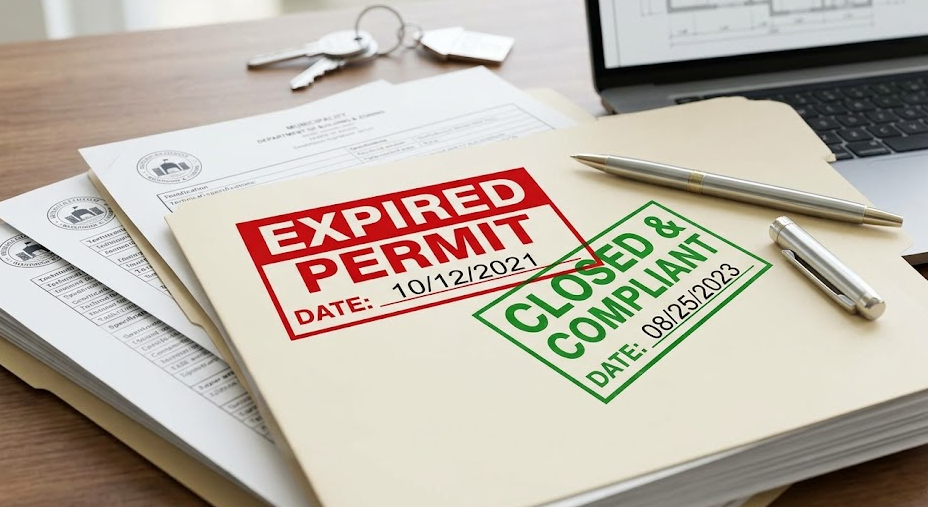
Dealing with an expired building permit can feel like discovering a ticking time bomb in your property records. Whether you are trying to sell your home, refinance a mortgage, or simply keep your property in good standing with local municipalities, an open or expired permit is a significant legal encumbrance. In Florida, where building codes are among the most stringent in the nation due to environmental and structural demands, leaving these loose ends untied can lead to mounting fines and even “unsafe structure” declarations.
At the Violation Clinic, we frequently see property owners blindsided by permits that were opened years- sometimes decades- ago by previous owners or contractors who failed to call for a final inspection. Closing these permits “the right way” requires a mix of technical knowledge, patience, and a proactive approach to compliance.
Why Do Building Permits Expire?
In most Florida jurisdictions, a building permit is not a permanent license to build. It is a temporary authorization that typically expires if work is not commenced within six months or if the project is suspended or abandoned for a period of 180 days.
The most common reason for an expired permit isn’t that the work wasn’t finished- it’s that the final inspection was never recorded. When a contractor finishes a kitchen remodel or a roof replacement but forgets to schedule that last walkthrough with the city inspector, the permit remains “open.” Over time, the clock runs out, and the status switches to “expired.”
Common Triggers for Code Violations and Fines
An expired permit is often the gateway to broader code violations. Once a permit expires, the municipality may flag the property, leading to a domino effect of administrative headaches. Common reasons property owners find themselves facing the magistrate include:
- Unpermitted Construction: Adding a deck, finishing a basement, or installing a new HVAC system without a permit in the first place.
- Zoning Violations: Using a property in a way that isn’t allowed by local land-use laws, such as illegal short-term rentals or non-conforming additions.
- Neglected Maintenance: Allowing a property to fall into disrepair, which often triggers an inspection that uncovers the expired permits.
- Unsafe Conditions: Structural issues or electrical hazards that pose a risk to occupants or neighbors.
- Missed Mandatory Inspections: Failing to complete the required milestones during a construction project.
The Financial Stakes: Florida’s Strict Compliance Landscape
In Florida, compliance isn’t just a suggestion; it’s a legal necessity with teeth. For instance, the Florida Building Code mandates specific recertifications for older buildings to ensure they remain structurally sound.
If you miss a milestone such as a required building recertification then the costs are staggering. Fines often start at $510 for the initial non-compliance and can escalate to $10,000 or more for continued failure to remedy the situation. If you are facing a notice regarding older structures, utilizing professional Building Recertification and Services is the most effective way to halt these fines before they spiral out of control.
Actionable Steps to Close Expired Permits
If you’ve discovered an expired permit on your property, don’t panic. Follow these best practices to resolve the issue legally and efficiently.
1. Research the Permit History
Start by visiting your local building department’s online portal or office. You need to identify exactly which inspections were missed. Was it the plumbing rough-in? The electrical final? Or just the general building final? Understanding the gap is the first step toward a solution.
2. Hire a Licensed Professional for an Assessment
Because the permit has expired, a city inspector cannot simply “pick up where they left off.” You will likely need a licensed contractor or an engineer to perform a “Letter of Substantial Compliance” or a “Safety Inspection Report.” They will verify that the work performed years ago still meets current safety standards.
3. Apply for a Permit Renewal or Re-issuance
You must “re-open” the permit. This usually involves paying a renewal fee (often a percentage of the original permit cost) and submitting updated plans if the building codes have changed significantly since the original filing.
4. Schedule the Necessary Inspections
Once the permit is active again, you must schedule the inspections that were originally missed. Be prepared: if the work was covered up (like wiring behind drywall), the inspector might require “destructive testing” or the removal of small sections of wall to verify the work was done correctly.
Preventing Future Violations: A Proactive Approach
The best way to deal with a code violation is to never receive one. Maintaining a property involves more than just mowing the lawn; it requires administrative diligence.
Obtaining Necessary Permits
Never take a contractor’s word that “you don’t need a permit for this.” Always check with your local building department. From water heaters to fences, many minor upgrades require a paper trail. Having a permit protects your liability and ensures the work is safe.
Maintaining Property Aesthetics and Safety
Code enforcement officers often practice “windshield inspections.” If your home has peeling paint, overgrown weeds, or a sagging fence, they are much more likely to run a full check on your property’s permit history. Keeping the exterior in top shape is your first line of defense against scrutiny.
Staying Informed on Local Florida Codes
Florida’s codes are updated every three years. For example, the Florida Building Code, 8th Edition (2023), introduced new requirements for energy efficiency and wind resistance. Staying informed or partnering with experts who are to ensure your upgrades won’t be deemed “non-compliant” a year later. You can find official updates and resources via the Florida Department of Business and Professional Regulation (DBPR).
Case Study: The “Forgotten Roof” Resolution
The Situation: A homeowner in Miami attempted to sell their home. During the title search, an expired permit from 2012 for a roof replacement was discovered. The original contractor had gone out of business, and the final inspection was never conducted.
The Complication: The city had transitioned to a new building code in the intervening years. The homeowner was facing a $250-per-day fine that had been quietly accruing for months.
The Resolution: The owner contacted the Violation Clinic. We coordinated with a structural engineer to inspect the roof’s hurricane straps and nailing pattern. After confirming the work met the safety standards of the time, we petitioned the city to reduce the accrued fines and assisted the owner in re-permitting the roof. The final inspection was passed, the permit was closed, and the house sale proceeded within three weeks.
The Lesson: Documentation and professional intervention can turn a potential disaster into a manageable hurdle. For more insights on avoiding these traps, check out our code compliance tips.
The Importance of Structural and System Safety
At its core, the permit process isn’t about bureaucracy; it’s about life safety. An expired permit for an electrical panel is a fire hazard. An open permit for a pool fence is a drowning risk. By closing these permits, you aren’t just satisfying a city clerk; you are ensuring that your home’s critical systems whether its mechanical, electrical, and structural- won’t fail when you need them most.
In Florida, where high winds and humidity take a toll on materials, ensuring that your property meets the Minimum Housing Standards is essential for long-term value retention.
Related Posts
- Importance of Building Recertification in Florida
- Common HOA Violations and How to Beat Them
- Legal Options When Facing Code Enforcement Fines
Summary: Taking Control of Your Property Records
Closing expired building permits is a meticulous process, but it is one of the most important things you can do for your property’s “legal health.” By researching your history, hiring the right professionals, and staying proactive with inspections, you can clear your title and avoid the massive financial penalties associated with Florida code violations.
At ViolationClinic.com, we specialize in helping property owners navigate the recertification process smoothly. Whether you need assistance with inspections, violations, or compliance issues, our team is here to help. Don’t wait until it’s too late, take action today to protect your investment and ensure the safety of your building.
For more information or assistance, contact us at ViolationClinic.com!