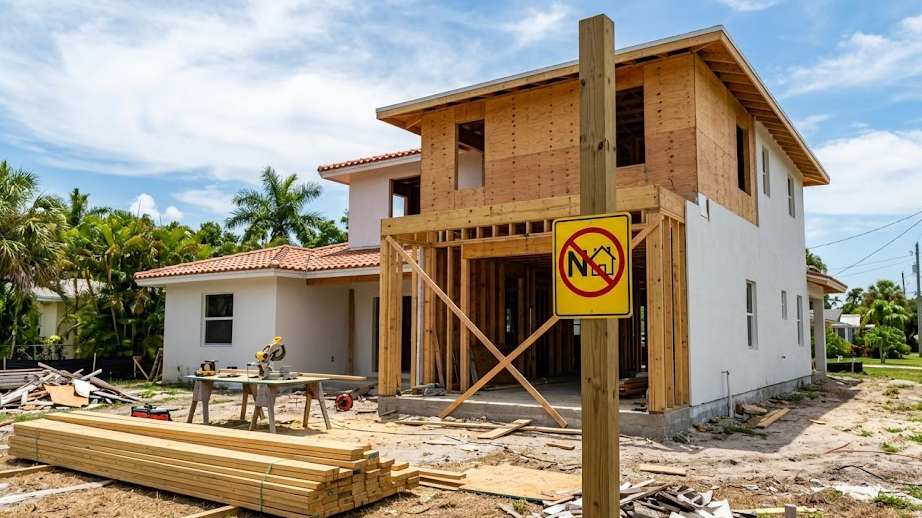
Property ownership is often seen as the ultimate freedom, a chance to build, expand, and customize a space to fit your vision. However, that freedom exists within a framework designed to ensure public safety, environmental health, and structural integrity. In the state of Florida, where the climate and geography present unique engineering challenges, building codes aren’t just suggestions; they are the law.
Constructing a new deck, finishing a basement, or upgrading an electrical system without a valid permit might seem like a way to save time and money. In reality, it is a high-stakes gamble. The consequences of “cutting corners” often manifest as massive financial penalties, legal headaches, and physical dangers that far outweigh the initial cost of compliance.
Why Do Property Owners Receive Code Violations?
Understanding the “why” behind code violations is the first step toward avoiding them. Most violations are not the result of malice, but rather a lack of awareness or an attempt to expedite a project.
Unpermitted Construction
This is perhaps the most common trigger for a “Stop Work Order.” Whether it’s a minor shed installation or a major room addition, performing work that requires a permit without obtaining one is an immediate red flag for local municipalities.
Zoning Violations
Every piece of land is designated for a specific use. Attempting to run a commercial business out of a residential zone, or building a structure too close to a property line (encroachment), can lead to mandatory demolition orders and daily fines.
Neglected Property Maintenance
Visible decay such as peeling paint, overgrown vegetation, or broken windows doesn’t just hurt curb appeal; it can lead to “slumlord” citations or public nuisance violations. In Florida, maintaining the exterior of a building is often a codified requirement to prevent neighborhood blight.
Unsafe Conditions and Missed Inspections
A building may look fine on the outside, but if an electrical panel was never inspected or a load-bearing wall was modified without oversight, it creates a “latent defect.” Missing required inspections during the construction phase means the city cannot verify that the structure is safe for habitation.
The Financial Fallout: From Small Fines to Massive Penalties
In Florida, the cost of non-compliance is steep. Local governments have stepped up enforcement to prevent tragedies like structural collapses or electrical fires.
A primary example is the Building Recertification requirement. In many Florida counties, buildings of a certain age and height must undergo rigorous safety checks. Failing to comply with these legal requirements is not a minor oversight. Initial fines often start at $510, but for every day the building remains out of compliance, those fines can escalate rapidly, reaching as high as $10,000.
When you factor in the cost of hiring an attorney to fight a lien, the cost of tearing down unpermitted work, and the potential increase in insurance premiums, the “savings” from skipping a permit evaporate instantly.
Best Practices to Prevent Fines and Ensure Compliance
Maintaining a compliant property shouldn’t be a source of constant stress. By following a proactive roadmap, you can protect your investment and ensure your project moves forward smoothly.
1. Obtain Necessary Permits Early
Never assume a project is too small for a permit. While minor cosmetic changes like painting or flooring usually don’t require one, anything involving structural changes, plumbing, HVAC, or electrical work almost certainly does. Before you swing a hammer, check with your local building department or consult with a code compliance expert.
2. Schedule Regular Inspections
Inspections are your safety net. They ensure that your contractor is following the Florida Building Code to the letter. If you are a long-term property owner, don’t wait for a notice from the city. Periodically have your systems checked to catch minor issues before they become “unsafe conditions.”
3. Maintain Property Aesthetics and Safety
Safety and aesthetics are often linked in the eyes of code enforcement. Ensure that your property has:
- Functional smoke and carbon monoxide detectors.
- Clear pathways for emergency exits.
- Managed vegetation that doesn’t interfere with power lines or visibility.
- Intact roofing and siding to prevent water intrusion and mold.
4. Stay Informed on Local Florida Regulations
Building codes are not static; they evolve based on new technology and past lessons (such as updated hurricane-strapping requirements after major storms). Being “grandfathered in” only goes so far. Stay updated on local ordinances in your specific municipality, as rules in Miami-Dade may differ significantly from those in Tampa or Orlando.
Case Study: The Cost of a “Simple” Kitchen Remodel
Consider the case of a homeowner in South Florida who decided to renovate their kitchen without a permit. They moved a sink (plumbing) and added a dedicated circuit for a new microwave (electrical).
Two years later, when they tried to sell the home, the buyer’s inspector noticed the unpermitted work. The city was notified, and the homeowner was hit with a triple-fee penalty for the permit. Worse yet, because the plumbing was behind new drywall, the city required the homeowner to cut into their brand-new backsplash so the inspector could verify the pipe connections. What was meant to be a $15,000 upgrade ended up costing an additional $7,000 in fines and repairs.
This could have been entirely avoided with a proactive compliance strategy. By pulling the permit initially, the homeowner would have had the peace of mind that their home was safe and their title was clear.
The Silent Risks: Insurance and Liability
Beyond the city fines, there is the issue of insurance. If a fire breaks out due to unpermitted electrical work, your insurance provider may have grounds to deny your claim entirely. Furthermore, if an unpermitted structure collapses and injures someone, you face personal liability that could lead to devastating lawsuits.
Professional oversight through the permitting process acts as a form of “due diligence.” It proves that you, as an owner, took every reasonable step to ensure the safety of your occupants.
Related Posts
- Step-by-Step: How to Clear a Building Violation in Record Time
- Importance of Building Recertification in Florida
- Can You Fight a Zoning Violation? Yes — Here’s How
External Resources
- Official Florida Building Code Online
- Florida Department of Business and Professional Regulation (DBPR)
- FEMA Building Code Resources
Summary and Conclusion
Building without a valid permit is a gamble where the house usually wins. The “High Danger” referred to in this article isn’t just about the physical risk of a ceiling falling; it’s about the financial ruin of escalating fines, the legal burden of property liens, and the loss of property value during a sale.
At ViolationClinic.com, we specialize in helping property owners navigate the recertification process smoothly. Whether you need assistance with inspections, violations, or compliance issues, our team is here to help. Don’t wait until it’s too late, take action today to protect your investment and ensure the safety of your building.
For more information or assistance, contact us at ViolationClinic.com!