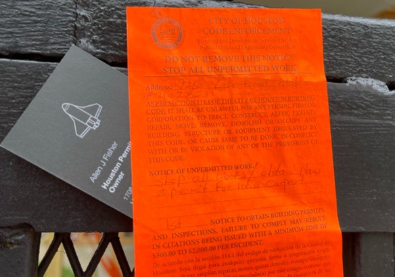
Property owners dread finding a bright red notice taped to their front door or job site. Commonly known as a red tag, this official warning indicates that a local code enforcement officer or building inspector has stopped work or declared a structure non-compliant. Whether you are managing a commercial property in Miami or renovating a home in Tampa, receiving a code violation can disrupt your timeline and drain your finances.
Resolving a red tag does not have to be an overwhelming ordeal. By understanding why these notices are issued and following a structured, proactive approach, you can clear the violation, protect your investment, and avoid escalating penalties.
Why Do Property Owners Get Code Violations and Fines?
Local municipalities enforce building codes to keep communities safe, orderly, and structurally sound. While code enforcement officers look for a wide variety of compliance issues, most red tags and fines stem from five common areas.
1. Unpermitted Construction
Undertaking major renovations, electrical work, plumbing upgrades, or structural additions without securing the proper permits is the fastest way to get a red tag. Local governments require permits to ensure that any changes made to a property align with safety standards. When an inspector spots unpermitted work, they will issue an immediate stop work order.
2. Zoning Violations
Every property is bound by specific local zoning regulations that dictate how a piece of land can be used. Common issues include violating property setbacks, exceeding allowable building heights, or operating a commercial business in a strictly residential zone. Ignoring these restrictions can result in hefty daily fines until the property is brought back into compliance.
3. Neglected Property Maintenance
Code compliance is not just about active construction sites. Properties must be kept in a decent state of repair. Code enforcement officers regularly issue citations for overgrown weeds, broken windows, damaged roofs, accumulated trash, and stagnant pool water.
4. Unsafe Conditions
Structures that pose an immediate danger to occupants or neighbors will trigger emergency code enforcement actions. Fire hazards, faulty electrical wiring, compromised foundations, and exposed structural elements fall into this category. In severe cases, the city may declare the building unfit for human habitation.
5. Missed Inspections
When a permit is active, property owners must schedule mandatory inspections at specific milestones, such as before pouring concrete or closing up drywall. Skipping these steps or failing to call for a final inspection once the project is finished leaves the permit open. An open, expired permit is a serious violation that can complicate future property sales.
Actionable Steps to Prevent Building Code Fines
The most cost effective way to handle a red tag is to prevent it from ever being issued. You can protect your property from unexpected citations by implementing a few best practices.
Obtain the Necessary Permits Early
Before you hire contractors or buy materials, consult your local building department to determine what permits your project requires. Securing approval before work begins keeps your project legal and ensures you do not have to tear down completed work later.
Schedule Regular Inspections
Treat inspections as a helpful safety net rather than an administrative hurdle. Partner with qualified inspectors to verify your project meets every requirement during construction. Regular checks prevent minor issues from turning into expensive, structural failures.
Keep Up with Property Aesthetics and Maintenance
Establish a routine maintenance schedule for your buildings. Addressing chipped paint, fixing broken fences, and managing landscaping removes the easy targets that code enforcement officers look for during routine neighborhood drives.
Verify Structural and System Safety
Prioritize critical building systems like roofing, electrical panels, and plumbing networks. Hiring licensed professionals to service these components ensures your property remains safe and compliant with the Florida Building Code.
Stay Informed About Local Florida Regulations
Building codes are dynamic and change periodically to address new environmental and safety challenges. Staying updated on state laws and county ordinances prevents you from accidentally falling out of compliance due to outdated practices.
The Escalating Costs of Non-Compliance in Florida
In Florida, code compliance is a matter of public safety, especially given the state’s vulnerability to severe weather and hurricanes. Because the stakes are high, local municipalities do not hesitate to enforce strict financial penalties for property owners who ignore warnings.
Certain structural assessments are strictly mandated by state law. For example, building recertification requirements apply to older commercial and multi family structures to verify their ongoing structural and electrical integrity. Neglecting these mandatory milestones can carry devastating financial consequences. Fines for missing a recertification deadline often start at $510 for the initial infraction. If a landlord or property manager continues to ignore notices, the penalties can escalate up to $10,000 for continued non-compliance.
Beyond the flat fines, code enforcement boards can place a lien against your property. A lien clouds the title, making it impossible to sell, refinance, or secure financing until every dollar is paid and the red tag is formally resolved. If you need assistance navigating these specific rules, you can explore the specialized resources available through Violation Clinic’s Building Recertification and Services.
Real World Examples: How Property Violations are Resolved
To understand how the resolution process works, let us look at two practical examples that property owners frequently encounter.
Case Study 1: The Unpermitted Backyard Deck
A homeowner in Broward County hired an unlicensed handyman to build an elevated wooden deck in their backyard. A neighbor reported the construction, and a code enforcement officer issued a red tag for unpermitted work, ordering all construction to stop immediately.
- The Resolution Process: The homeowner stopped work right away to avoid additional fines. They hired a licensed structural engineer to inspect the partial build and draw up official plans. The homeowner then submitted these engineered drawings retroactively to the city building department, paid a double permit fee as a penalty for starting without permission, and scheduled the required structural inspections. Once the city approved the work, the red tag was removed, and construction legally resumed.
Case Study 2: The Expired Electrical Permit
A commercial building owner in Orlando upgraded their retail space lighting system three years ago. The contractor completed the job but forgot to schedule the final electrical inspection, leaving the permit open and eventually causing it to expire. The owner only discovered the issue when trying to sell the building.
- The Resolution Process: The owner contacted compliance experts to review the property history. They applied for a permit renewal with the city, paid the necessary extension fees, and hired a licensed electrician to audit the system to ensure it met current standards. An inspector visited the site, verified the work was safe, and officially closed the permit, clearing the property title for a successful sale.
Your Step-by-Step Guide to Resolving a Red Tag
If you find a red tag on your property today, remain calm and follow this logical roadmap to resolve the issue completely.
Step 1: Stop All Work Immediately
Do not try to rush and finish the project hoping no one will notice. Continuing to build after a red tag has been posted is a misdemeanor in many jurisdictions and results in immediate, maximum fines or legal action. Instruct your crew to halt operations right away.
Step 2: Read the Notice and Contact the Inspector
The red tag will list the inspector’s name, contact information, the specific code section violated, and a brief description of the issue. Reach out to the inspector politely. Ask for clarification on what needs to change to bring the property into compliance. Establishing a polite, professional relationship with the city goes a long way.
Step 3: Create a Correction Plan
Depending on the violation, you might need to hire an architect, engineer, or licensed contractor to draft corrective plans. If you are dealing with zoning violations, you may need to apply for a variance or adjust your property use to match local land guidelines.
Step 4: Submit Corrected Plans and Pay Fees
File your corrective paperwork with the local building department. Be prepared to pay code enforcement fees, permit application costs, or administrative penalties to move your case forward.
Step 5: Schedule the Final Compliance Inspection
Once the physical corrections are made or the retroactive paperwork is approved, request a follow up inspection. The inspector will visit the site to confirm that all violations are corrected. Once satisfied, they will sign off on the paperwork and officially remove the red tag.
Related Posts
- How to Fix Open or Expired Building Permits
- Understanding Zoning Violations: What Property Owners Need to Know
- The Ultimate Guide to Navigating Building Violation Notices
Summary and Conclusion
Receiving a red tag can feel overwhelming, but it is ultimately a solvable administrative and technical puzzle. Most violations happen because of unpermitted work, missed inspections, or simple oversight regarding local upkeep rules. You can protect your real estate investments by securing permits early, setting up regular maintenance routines, and learning about regional safety laws.
At Violation Clinic, we specialize in helping property owners navigate the violation process smoothly. Whether you need assistance with inspections, violations, or compliance issues, our team is here to help. Don’t wait until it’s too late, take action today to protect your investment and ensure the safety of your property.
For more information or assistance, contact us at (786) 885-2613 or ViolationClinic.com!