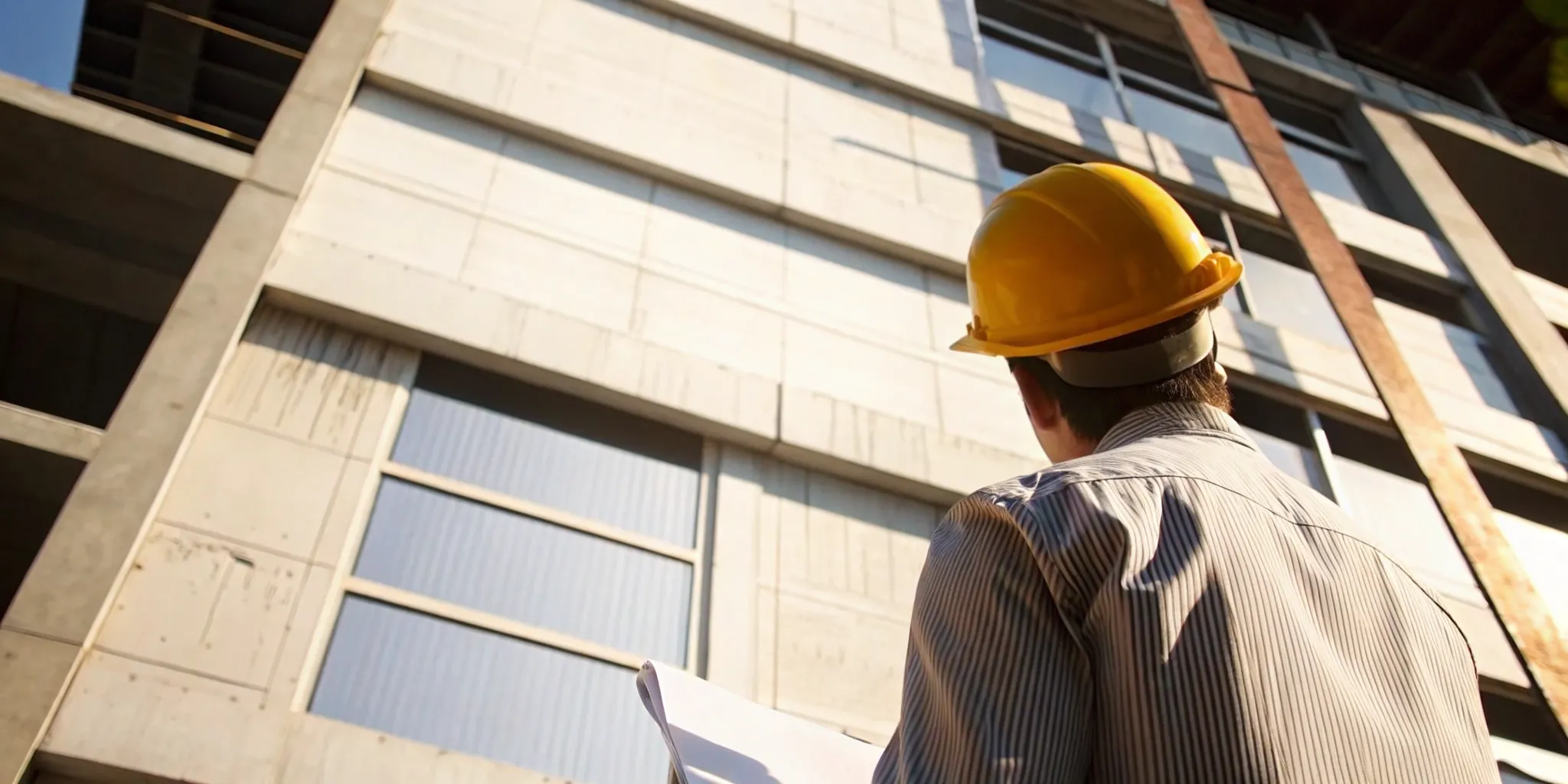
Thousands of Florida commercial and multifamily properties face mandatory structural and electrical safety inspections when they reach the 30-year mark. Understanding the Florida 30-year building recertification process is essential for property owners who want to avoid fines, maintain insurance coverage, and protect their investment. This guide covers everything you need to know about the requirements, timelines, and compliance strategies that keep your building safe and legally sound.
Schedule Your Building Recertification Today , Violation Clinic helps property owners across South Florida navigate the full recertification process from initial notice to certificate of compliance.
The Florida 30-year building recertification is a mandatory state requirement that ensures aging structures remain safe for occupancy. Under current laws, condominium and cooperative buildings three stories or taller must undergo a milestone structural inspection when they reach 30 years of age. This process requires a Florida-licensed engineer to examine the building’s load-bearing elements and primary structural systems. After the first inspection, property owners must repeat the process every 10 years. This statewide program, created in response to the Surfside condo collapse, helps identify needed repairs before structural issues become a threat to public safety.
What Is the Florida 30-Year Building Recertification?
The Florida 30-year building recertification is a mandated safety inspection for buildings that have reached 30 years of age. It requires a licensed engineer or architect to evaluate the structural integrity and electrical safety of a property and submit a detailed report to the local building department. Failure to complete this process can result in fines, liens, and even vacate orders.
The Florida 30-year building recertification is a required safety evaluation for older buildings. It ensures that aging structures remain safe for occupants and passersby. This process involves a thorough assessment of a building’s condition after it has been standing for three decades. It is a core component of Florida building code requirements designed to prevent structural failures. By identifying issues early, owners can address them before they escalate into dangerous or costly problems.
These requirements expanded significantly after the Surfside condominium collapse in 2021. Florida now operates a statewide inspection program for older buildings. This shift helps uncover hidden deterioration in aging concrete and steel that might otherwise go unnoticed. The law treats building safety as an ongoing responsibility for property owners. It is no longer sufficient to construct a building to code at the time of construction. Owners must demonstrate that the structure remains sound as it ages.
Building safety and the law
In Miami-Dade County, local ordinance requires buildings to undergo this inspection at the 30-year mark. After the initial inspection, owners must complete a new one every 10 years. This requirement comes from Section 8-11(f) of the county code. It enables county officials to track how large buildings perform over time. You can learn more about the importance of building recertification and how it protects property value.
Miami-Dade’s program was strengthened in 2022 to require deeper analysis. The inspection now covers a broader range of building components. This leads to more comprehensive reports that accurately reflect a property’s condition. These updated standards were established by the Board of Rules and Appeals to maintain high safety thresholds. All buildings constructed on or before 1982 must remain on the 10-year inspection cycle to stay compliant.
State law also requires milestone inspections for many building types. These rules primarily target condominiums and cooperatives that are three stories or taller. The objective of these laws is to ensure that every multistory building remains safe as it ages. These requirements are part of a statewide structural inspection program designed to protect public safety. If your building meets these criteria, you must comply with both state and local regulations.
What the inspection covers
A milestone inspection focuses on the most critical structural components of a building. It evaluates load-bearing elements and primary structural members. These are the parts that support the entire weight of the structure. An engineer examines beams, columns, and floor slabs for signs of deterioration. They look for evidence of corrosion, cracking, or other damage that could lead to failure. By scrutinizing these systems, the law aims to detect small problems before they become significant risks.
The primary objective of the inspection is to determine the overall condition of the building. It helps owners identify which components need maintenance, repair, or replacement. This work must comply with the Miami-Dade County recertification requirements to be valid. The inspection also evaluates electrical systems for fire hazards or outdated wiring. This comprehensive approach ensures that both the structure and the electrical infrastructure are functioning properly.
A thorough report provides a clear list of required repairs to maintain the building’s compliance status. Understanding these findings helps owners budget for future maintenance and stay aligned with legal requirements. It establishes a roadmap for repairs that keeps the building safe and legally compliant. Once the engineer certifies the building, the county acknowledges that the property is fit for occupancy for the next 10 years. This peace of mind is the true value of a comprehensive safety evaluation.
Which Buildings Require a 30-Year Recertification in Florida?
In Florida, condominium and cooperative buildings three stories or taller must undergo a 30-year recertification. Single-family homes, duplexes, and buildings under 2,000 square feet with an occupancy load of 10 or fewer people are generally exempt. Buildings within three miles of the coast may face an accelerated timeline, requiring their first inspection at 25 years instead of 30.
Florida law establishes strict requirements to ensure older buildings remain safe. The primary purpose of the Florida 30-year building recertification is to identify and address structural deficiencies. These requirements apply to a broad range of large properties, particularly in South Florida. If your building is approaching 30 years of age, you must demonstrate that it is still safe for occupancy. This evaluation recurs every 10 years after the initial inspection.
Condo and cooperative buildings
State law specifically targets multi-unit residential buildings where many people live. Under Florida Statute 553.899, any condominium or cooperative building three stories or taller must undergo a milestone inspection. This requirement helps the state identify risks in older structures. The goal is to ensure these buildings can withstand wind loads, aging, and environmental stress. An unmaintained building poses a risk to everyone inside and adjacent to it.
Owners of qualifying buildings typically receive a formal notice from the city or county building department. This notification starts the compliance timeline. Reviewing building compliance tips can help you prepare for what lies ahead. Understanding the rules helps you avoid significant fines and last-minute scrambles. Most buildings constructed three decades ago will need to complete this process soon if they have not already done so.
Common exemptions
Not every building in Florida requires this level of inspection. Single-family homes and certain small commercial properties are excluded from these state requirements. For example, detached single-family homes and duplexes are exempt. These structures are small enough that a full structural evaluation is not mandated by law. This helps keep compliance costs manageable for the majority of Florida homeowners.
Additional size and occupancy exemptions apply to other building types. Per Miami-Dade County guidelines, a building is exempt if it has an occupant load of 10 people or fewer. It is also exempt if it measures 2,000 square feet or less. These exemptions help small business owners avoid the expense of specialized inspections. If your building falls below these thresholds, you are unlikely to be subject to this requirement.
County-specific requirements
While the state establishes a baseline, individual counties often impose additional requirements. Miami-Dade and Broward counties maintain the most active recertification programs in the state. They have operated these inspection programs for decades to protect public safety. In these counties, the local building department manages a registry of properties that require inspections. They track the age and inspection status of every qualifying structure within their jurisdiction.
A building’s location also affects its inspection timeline. In certain areas, properties within three miles of the coastline may need their first inspection at year 25. Salt-laden air can accelerate corrosion in reinforced concrete. This environmental factor can compromise a building’s strength before its 30th year. Check your local code to determine whether your property falls within a coastal zone. Staying current with these requirements preserves property value and keeps insurance valid. For more information, see recertification services offered by Violation Clinic.
The 30-Year Recertification Process: A Step-by-Step Guide
The recertification process follows a structured timeline: receive a formal notice from the county, hire a Florida-licensed engineer or architect, complete a visual inspection (Phase 1). Conduct in-depth testing if needed (Phase 2), submit the report within 90 days, complete any required repairs, and obtain a certificate of compliance.
The Florida 30-year building recertification process follows a defined sequence of steps to verify that an older building remains structurally sound. It provides official confirmation that a property is safe for continued use. If you own a qualifying building in South Florida, you must follow this established pathway to remain compliant. This section breaks down the process from the initial notification to the final certificate of compliance.
Receiving the compliance notice
The process begins when you receive a formal letter from the county or city building department. This is the Notice of Required Recertification. Once this notice arrives, you have a defined window to take action. You must demonstrate Florida building code compliance by engaging a qualified professional to perform the inspection.
You cannot perform this inspection yourself. State law requires that milestone inspections be conducted by a Florida-licensed architect or engineer. These professionals are trained to evaluate load-bearing components and structural systems for signs of deterioration, corrosion, or damage. Engaging a qualified expert early helps you avoid late fees and rushed repair schedules.
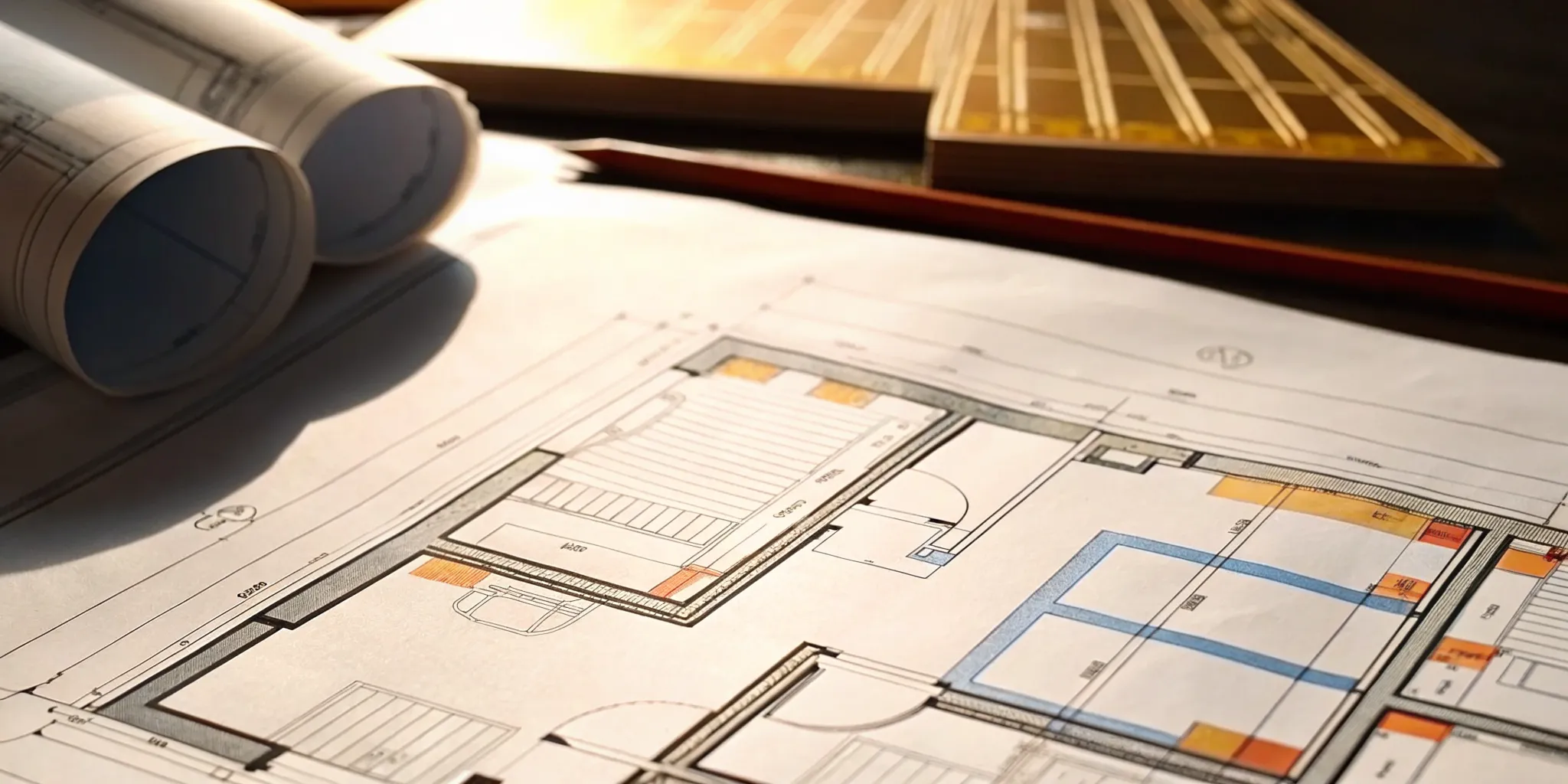
Step-by-step inspection timeline
Property owners should follow these steps to achieve a passing evaluation from the building department. Most owners find that the building recertification process and inspections proceed more smoothly when they maintain open communication with their hired engineer.
- Receive Official Notice: The county or city building department sends a formal notification to the property address. This notice confirms that the building has reached 30 years of age and requires an inspection.
- Hire a Licensed Professional: You must retain a Florida-licensed engineer or architect to lead the inspection. This professional will be responsible for certifying all documentation submitted to the building department.
- Phase 1: Visual Inspection: The engineer conducts a walk-through of the property to identify visible defects. They examine the primary structural frame, exterior walls, and electrical panels for clear signs of deterioration or damage.
- Phase 2: In-Depth Investigation: If the visual inspection reveals potential issues, the engineer conducts a more detailed investigation. This may include concrete core sampling, steel corrosion testing, or other diagnostic procedures to assess the extent of deterioration.
- Submit Final Report: The completed inspection report must be filed with the local building department. According to official county rules, you have 90 days from the notice date to submit this report.
- Complete Required Repairs: If the report identifies unsafe conditions, you must complete the necessary repairs. This work requires permits and a follow-up inspection by the engineer to confirm the repairs meet code.
- Obtain Certificate of Compliance: Once the building department accepts the inspection report and verifies that all repairs are complete, they issue a certificate of compliance. This document confirms that the property meets all safety requirements for the next 10 years.
Updated requirements for detailed reporting
In 2022, Miami-Dade County enhanced its recertification program to mandate more thorough evaluations. The Florida 30-year building recertification now examines a wider range of building components than previous versions of the program. These updated standards mean that inspection reports are significantly more detailed and comprehensive. Engineers now evaluate additional elements of the roof, exterior walls, and foundation to confirm they can withstand environmental stresses and the passage of time.
This program update was implemented to prevent building failures before they occur. Because the inspections are now more rigorous, they require more time to complete. Waiting until the last minute to begin the process increases the risk of missing the 90-day submission deadline. It is advisable to engage a professional as soon as you know your building is approaching its 30th year. This provides adequate time to identify and resolve any issues before they become expensive emergencies.
Coastal vs. Inland: How Location Affects Recertification Timelines
Buildings within three miles of the Florida coastline must complete their first recertification at 25 years instead of 30, due to accelerated deterioration from salt air and humidity. Inland buildings follow the standard 30-year timeline. After the initial inspection, both coastal and inland buildings must recertify every 10 years.
A building’s location within Florida significantly affects its recertification schedule. Saltwater and sea spray accelerate the deterioration of building materials over time. As a result, the state maintains two distinct inspection schedules. One applies to buildings near the coast, and the other applies to inland properties. Identifying which rules apply to your property is the first step toward maintaining compliance.
Requirements for coastal buildings
Buildings located near the coast face elevated exposure to wind and salt spray. These environmental factors can cause steel reinforcement within concrete to corrode more rapidly. Florida law establishes an accelerated inspection schedule for these properties. If a building is within three miles of the coast and three stories or taller, it requires an earlier inspection. This applies to structures built in 1998 or later. The first inspection for recertification services must occur when the building reaches 25 years. After that initial evaluation, the building must undergo a new inspection every 10 years. This accelerated schedule helps identify deterioration before it compromises the structure. Engineers use maps published by the local building department to verify a property’s distance from the coastline.
Requirements for inland buildings
Buildings located more than three miles from the coast follow a standard timeline. For most of these properties, the first Florida 30-year building recertification occurs at age 30. As with coastal properties, inland buildings then enter a 10-year inspection cycle. This requirement applies to all qualifying structures regardless of their distance from the water. It ensures that every large building in the state receives regular professional evaluations. Even without salt exposure, age alone can compromise a building’s structural integrity. The 30-year inspection evaluates the roof, walls, and foundation for signs of deterioration. Regular maintenance keeps the building safe and helps preserve its market value.
| Criteria | Coastal Sites | Inland Sites |
|---|---|---|
| Distance to Coast | 3 miles or less | More than 3 miles |
| Building Height | 3 stories or more | All qualifying buildings |
| First Inspection Age | 25 years | 30 years |
| Recurring Cycle | Every 10 years | Every 10 years |
| Primary Risk Factor | Salt air and corrosion | Age and material fatigue |
Deadlines based on construction year
The year a building was constructed also determines its inspection schedule. The state has established phased compliance dates to gradually implement these safety requirements. Buildings constructed in 1982 or earlier continue on their existing schedule. They maintain their established 10-year inspection cycle. However, a specific compliance date applies to newer inland buildings. Those constructed between 1983 and 1992 had an initial compliance deadline of December 31, 2024, under Miami-Dade County rules. Owners who miss these deadlines may face escalating fines and potential legal action. Miami-Dade County often sets the precedent for these regulations. While state law now applies statewide, local building departments in South Florida may impose additional requirements you need to address.
What Are the Penalties for Missing Recertification in Florida?
Missing a recertification deadline can result in fines starting at $510 and escalating to $10,000 or more. Daily fines until compliance, property liens, insurance cancellation, vacate orders, and loss of property value. Non-compliance also creates personal liability risk if injuries occur on the property.
Failing to complete a Florida 30-year building recertification on time triggers significant financial and legal consequences. The compliance clock starts when you receive the Notice of Required Recertification from your local building department. Once that notice arrives, property owners must begin the process promptly to avoid penalties. Even a short delay can initiate a cascade of consequences that make the property difficult to manage or sell.
Financial fines and legal costs
The most immediate consequence is financial. In many Florida jurisdictions, initial fines for missing the deadline begin at $510. These penalties do not stop there. If you remain out of compliance, fines can escalate to $10,000 or more depending on the local building department. Some municipalities impose daily fines for each day the property remains non-compliant. These daily assessments accumulate rapidly and can result in a substantial lien on the property before you even retain an engineer.
Additional legal costs may also apply. Building departments may refer the case to a code enforcement board or special master. If they do, you will likely be responsible for their administrative costs and hearing fees. These expenses come on top of the cost of the inspection itself and any repairs required to achieve compliance. You must satisfy all outstanding fees before the building department will close the case. Understanding the evolving Florida building codes helps you anticipate these requirements.
Insurance and liability exposure
Insurance companies now actively verify a building’s compliance status. If your property is past its recertification deadline, your carrier may deny renewal or cancel your policy. Without a current inspection report demonstrating that the building is safe, you become a high-risk insured. This lack of coverage can trigger a default on your mortgage or commercial loan. Even if your policy remains in force, your premiums will likely increase significantly because the insurer views the property as a liability risk.
Non-compliance also creates personal liability exposure. If someone is injured on a property that lacks a valid certificate of compliance, the owner may face negligence claims. Maintaining a safe property is a legal duty under Florida law to protect the public. A court may determine that you breached this duty by failing to comply with the state inspection mandate. This can result in damages that exceed your insurance coverage limits.
Loss of property control
In severe cases, the building department can order the property to be vacated. If an inspector determines that a building is unsafe due to age and lack of inspection, officials may issue a vacate order. This requires all occupants to leave until a licensed professional certifies that the structure is safe. For a landlord or condominium association, this represents a worst-case scenario. You lose rental income while continuing to pay taxes, insurance, utilities, and maintenance costs for an empty building.
Finally, the property’s market value will decline. Buyers and lenders will investigate open code violations and compliance status. An overdue recertification makes the property nearly impossible to sell or refinance. Most financial institutions will not approve a loan for a property that is not in good standing with the local building department. You may need to accept a significant price reduction to find a buyer willing to assume the risk and outstanding fines. For more details, explore Miami-Dade Building Department resources.
How to Prepare Your Building for a Recertification Inspection
Start preparing at least 12 months before your recertification deadline. Gather all maintenance records and previous inspection reports, conduct a pre-inspection walk-through to identify visible issues. Hire a Florida-licensed engineer early, and budget for both the inspection and any required repairs. Proactive preparation reduces stress and helps avoid costly surprises.
Preparing for a Florida 30-year building recertification involves more than scheduling an inspector. Proactive preparation can significantly reduce stress and lower your total compliance costs. By organizing your records and addressing visible issues early, you help ensure the process moves efficiently. The primary objective of these milestone inspections is to verify that load-bearing elements remain sound and protect public safety.
Experienced property owners often begin preparations a full year before the deadline. This additional time allows you to identify a qualified engineer and establish a budget for any necessary repairs. It also helps you avoid the end-of-cycle rush that can lead to missed deadlines and fines from the building department. Follow these steps to get your property in optimal condition for the evaluation.
Gather documents and maintenance records
Begin by collecting all relevant building documentation. You will need original construction blueprints, previous inspection reports, and records of recent repairs or renovations. Having these documents available helps your engineer understand the property’s history and structural systems. It also demonstrates to the building department that you have maintained the property responsibly. Maintaining organized records year-round makes this process significantly easier when the compliance notice arrives.
Review the building for visible damage
Conduct a preliminary walk-through of the property before the official inspection. Look for visible cracks in exterior walls, spalling concrete, rust stains on structural elements, and signs of water intrusion. Check the roof for damaged flashing or standing water. Examine the electrical panel for signs of corrosion or outdated components. Addressing these visible issues before the official inspection can improve your engineer’s initial assessment and reduce the likelihood of a Phase 2 investigation.
Choose a licensed professional
Select a Florida-licensed engineer or architect with specific experience in milestone structural inspections. Ask potential candidates about their familiarity with your county’s specific requirements. Miami-Dade and Broward counties have distinct submission procedures and reporting formats that differ from other Florida jurisdictions. An engineer who regularly works with your local building department can help streamline the process and ensure the report meets all administrative requirements on the first submission.
Plan for repairs and finances
Budget realistically for both the inspection and any required repairs. The cost of a milestone inspection varies based on building size, complexity, and location. Factor in potential Phase 2 testing costs if the visual inspection identifies concerns. Set aside a contingency fund for structural repairs that the inspection may reveal. Planning ahead financially prevents surprises when the engineer’s report arrives with repair recommendations. Contact Violation Clinic to discuss your property’s specific needs and get a clear understanding of what the process will involve.
Frequently Asked Questions
Which buildings in Florida require a 30-year recertification?
Condominium and cooperative buildings three stories or taller must complete a 30-year recertification. Single-family homes, duplexes, and buildings under 2,000 square feet with an occupancy load of 10 or fewer people are generally exempt. According to Florida law, these inspections help ensure that older structures remain safe for people who live or work in them.
How much time do I have to submit a recertification report?
You must submit the completed inspection report within 90 days of receiving the formal notice from your local building department. Missing this deadline can result in fines starting at $510. As noted by Miami-Dade County, property owners are responsible for initiating the process promptly upon receiving the notice. Hiring an engineer early is essential to meeting this tight deadline.
Do coastal buildings have different recertification requirements?
Yes. Buildings three stories or taller that are within three miles of the coast must complete their first inspection at 25 years, five years earlier than inland properties. Both coastal and inland buildings must then undergo inspections every 10 years. Miami-Dade County rules recognize that salt air and humidity accelerate structural deterioration, making earlier inspections a critical safety measure.
Who is qualified to perform a milestone structural inspection in Florida?
Only a Florida-licensed architect or engineer can perform these inspections. These professionals must have the appropriate training to evaluate load-bearing components and primary structural systems. Standard home inspectors are not qualified for this specialized work. State law requires these licensed professionals to certify the safety and condition of the building. Hiring an engineer with local experience helps ensure your report satisfies all current city and county requirements.
What happens if I sell a building without a valid recertification?
Selling a property without a current certificate of compliance can significantly complicate the transaction. Most buyers and lenders will require proof of compliance before closing. You may need to negotiate a price reduction, escrow funds for the inspection and repairs, or complete the process before the sale can proceed. Addressing the recertification well before listing the property avoids these complications.
Ready to Get Started with Your Florida 30-Year Building Recertification?
Waiting does not make the requirements go away. Every day past your recertification deadline increases your exposure to fines, insurance complications, and declining property value. The process may seem complex, but you do not need to navigate it alone.
Violation Clinic works with property owners across South Florida to guide buildings through the recertification process from start to finish. Our team includes former building officials and licensed professionals who understand exactly what inspectors look for and how to present your property in the best possible light.
Call (786) 885-2613 or schedule a free consultation today. We will review your property’s needs and help you map out a clear path to compliance before the deadline catches up with you.