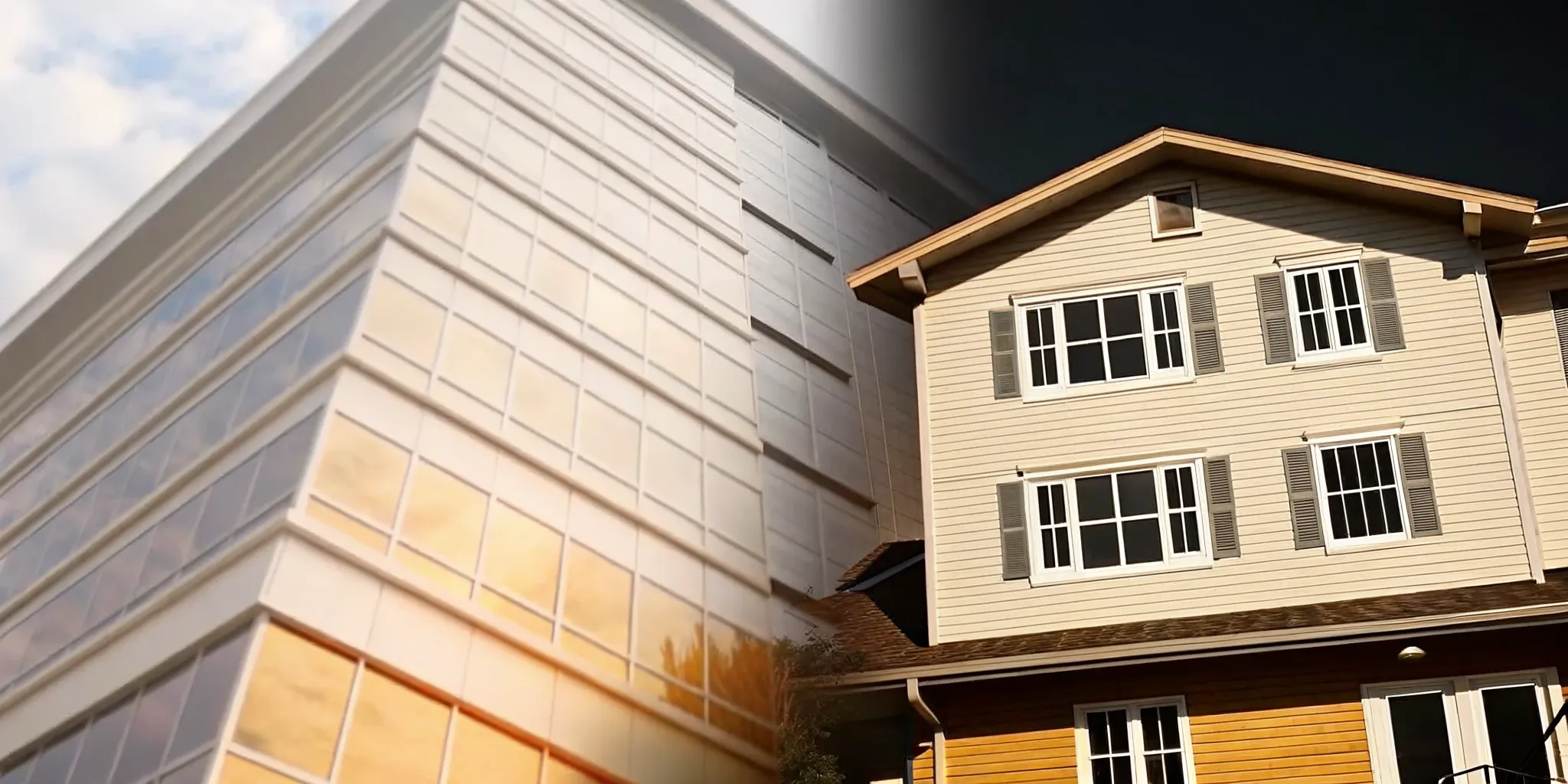
A violation notice can stop a business from opening, delay a refinance, or derail a home sale. For property owners dealing with commercial vs residential building violations Florida, the outcome depends on knowing which rules apply to their specific property type. Commercial cases often involve public access, fire safety, and occupancy permits. Residential cases usually start with unpermitted additions, decks, or maintenance concerns found during an inspection or sale.
Do not let a violation escalate into daily fines or a lien. Call (833) 302-4567 now for a consultation with Violation Clinic.
Florida uses different code frameworks, enforcement paths, and inspection schedules for each property type. Understanding which framework covers your property helps you respond before fines, liens, lost business, or a stalled transaction raise the cost of the problem.
Commercial Vs Residential Building Violations Florida: How Does Florida Classify Commercial vs Residential Properties?
Florida’s construction and code enforcement system uses separate frameworks for residential buildings and commercial structures. This classification determines what scope of work is involved, which professionals are required to perform corrections, what inspections apply, and what type of violation the owner may face.
Residential classification covers single-family homes, townhomes, condominiums, and smaller multifamily properties. The case often begins after an owner encloses a patio, adds a room, installs a deck, or modifies plumbing or electrical work without the required permits. These changes can surface during a complaint-driven inspection, an appraisal, an insurance review, or a title search. Residential does not mean low risk. An open violation can block a closing, limit financing options, create insurance complications, and trigger daily fines.
Commercial classification covers offices, retail locations, warehouses, restaurants, hotels, medical facilities, and mixed-use spaces. These buildings serve employees, customers, tenants, or the general public, so the code requirements are broader. Violations often involve multiple building systems at once, including fire protection, accessible egress, structural integrity, occupancy use, and current certificates needed to operate lawfully.
The practical consequence of classification is larger for commercial owners. A commercial violation can affect a tenant build-out, delay a business opening, trigger lease obligations, or disrupt lender requirements. That is why a commercial case often requires a coordinated corrective plan rather than a single repair. For residential owners, the disruption is usually tied to a pending transaction. A buyer, lender, or title company may demand resolution before closing. Learn more about how Florida building code requirements affect different property types.
Who Enforces Commercial vs Residential Violations?
Most Florida cases begin with local code enforcement, but the specific agency depends on the violation type, property use, and municipal ordinance. Commercial properties often interact with more departments because of the added public-safety, accessibility, and occupancy dimensions.
Local enforcement and hearing boards
Both commercial and residential owners receive the same types of notices: inspection dates, hearing notifications, and orders to correct. Local code enforcement boards and special magistrates have the authority to impose daily fines until the violation is fully resolved. The notice typically sets a cure date, but waiting until the deadline passes rarely improves the outcome. Early action preserves more options and reduces the risk that accumulated fines become a property lien.
Fine amounts vary by jurisdiction and case history. Violation Clinic regularly sees matters where the daily exposure reaches several hundred dollars and can exceed $1,000 per day. The practical question is not just what the fine is today. It is how long the case will remain open without a workable resolution plan in place.
Additional oversight for commercial properties
Commercial corrections almost always require a larger professional team. The scope of work may trigger licensed contractor requirements, plan review by the building department, fire marshal review, accessibility compliance review, and multiple rounds of inspections. Florida contractor licensing distinguishes between broader commercial authority and work limited to residential or smaller projects, which affects who can perform the corrective work.
For a commercial owner, this makes scope control essential. A correction that fixes one cited item but fails to address an occupancy or life-safety issue can leave the enforcement file open. Always review the notice, the local ordinance, the property records, and the intended use together before starting any corrective work.
A commercial violation notice does not have to stop your business operations. Learn about stop work orders in Florida and how to respond before they impact your tenants or customers.
Recertification Milestones: 30, 40, and 50-Year Requirements
Recertification is one of the clearest structural differences between commercial and residential buildings in South Florida. Older commercial and multifamily properties are subject to mandatory milestone inspection programs that do not apply to typical single-family homes.
Why building age matters for commercial owners
Miami-Dade County and other South Florida jurisdictions use age-based structural and electrical inspection programs for certain building types. Owners consistently encounter references to 30-year, 40-year, and 50-year milestones depending on the property type, location, and current local program. The required inspection timing and scope change periodically, so owners should confirm the current local ordinance rather than relying on an outdated checklist.
Commercial buildings and larger multifamily properties carry more formal reporting and repair obligations because of their size, occupancy load, and public use. A missed recertification deadline or an unresolved inspection finding can create immediate enforcement risk and complicate financing, insurance, or a future sale.
When residential properties face recertification
A single-family home is less likely to follow the same formal recertification path, but older homes can still face structural, electrical, or unsafe-condition violations. Age alone does not exempt a residential property from enforcement. The key difference is that the residential owner typically faces a code violation finding rather than a scheduled milestone inspection. Read more about building recertification in Miami-Dade and Broward to understand what deadlines apply to your property.
Commercial vs Residential Building Violations Florida: How Florida Classifies Each Property Type
In Florida, classification is not determined by ownership alone. The local jurisdiction considers approved occupancy, building characteristics, how the property is used, the work performed, and the notice or order involved. Local building and code-enforcement authorities apply the Florida Building Code and adopted local procedures.
Residential violations
Residential cases commonly involve single-family homes, townhomes, condominiums, and some multifamily properties. Whether a specific building follows a residential or commercial path depends on its approved occupancy, building characteristics, jurisdiction, and scope of work. Examples include an unpermitted room, patio enclosure, deck, plumbing change, or electrical alteration. A complaint inspection, appraisal, insurance review, or title search may uncover the issue. The consequences can include a delayed closing, financing or insurance problems, fines, or a lien, depending on the notice, jurisdiction, and enforcement process.
Commercial violations
Commercial cases commonly involve offices, retail spaces, restaurants, warehouses, hotels, medical facilities, and mixed-use properties. Because these buildings serve tenants, employees, customers, or the public, one case may involve several systems, such as accessibility features, egress, fire and life-safety systems, structural work, occupancy use, or an occupancy or use approval. Depending on the notice and local process, the issue can delay a tenant build-out or opening and may require a coordinated plan with licensed professionals.
What to confirm before choosing a solution
- Which city or county is enforcing the case?
- How is the property currently used, and what occupancy is approved?
- What work, condition, or document is named in the notice?
- What deadline, hearing date, inspection, or transaction is at risk?
The right response depends on the notice, property use, jurisdiction, and work involved. Do not assume a residential fix will satisfy a commercial requirement, or that a commercial process applies to a home. For background, review Florida building code requirements. If you received a notice, Contact Violation Clinic for help reviewing the violation and mapping the next compliance step.
How to Resolve Violations in Miami-Dade and Broward
Every municipality has its own code enforcement process, but a disciplined response follows the same essential sequence. Do not begin with assumptions about what a notice means. Start with the actual case record and the specific code sections cited.
- Read the notice and case history. Confirm the property address, the exact cited condition, the compliance deadline, the scheduled hearing date, and any prior orders or accumulated fines.
- Assess the full scope. Determine whether the issue is a simple correction, unpermitted work needing retroactive permitting, a structural condition. An occupancy problem, or a multi-agency matter that spans code enforcement, building, and fire departments.
- Build a corrective plan. Identify the documents, licensed professionals, scope of corrective work, required inspections, and local approvals needed to close the enforcement file.
- Address hearings and deadlines. Attend or prepare for required hearings. Present a documented corrective plan rather than a vague promise to fix the issue. Boards respond better to a concrete timeline backed by professional bids or reports.
- Complete inspections and confirm closure. Finish the corrective work, obtain the required inspections and sign-offs, and secure written confirmation from the enforcing agency that the case is closed.
Speed matters because code enforcement boards can continue accruing fines while the case remains open. For a comprehensive roadmap, see our step-by-step guide to resolving code enforcement fines in Florida.
Facing a code enforcement deadline in Miami-Dade or Broward? Call (833) 302-4567 to speak with a violation resolution specialist who knows your local process.
How Violation Clinic Tailors Its Approach to Each Property Type
Commercial and residential owners need different levels of coordination and different expertise. But both need a clear path to compliance that fits the property and respects the enforcement deadline. Violation Clinic starts every case by clarifying the enforcement issue, the practical scope of the correction, and the specific actions that will move the case toward closure.
For commercial property owners
Commercial matters may require accessibility insight from a former inspector, unsafe-structure evaluation support, occupancy coordination with multiple city departments, and management of several parallel review paths. The goal is to protect the asset value and restore usable, compliant space without losing control of the case timeline.
For residential property owners
Residential work more often focuses on legalizing unpermitted improvements, resolving expired permits that triggered code enforcement. Limiting daily fine exposure, and clearing issues that could block a scheduled closing. The process should be clear enough for the owner, the real estate agent, the lender, and the buyer to understand what remains before closing.
If your property has structural concerns, learn about structural code violations in Florida and how they are addressed differently for commercial and residential buildings.
Frequently Asked Questions
What is the main difference between commercial and residential building violations in Florida?
Commercial violations typically involve public access, occupancy permits, fire safety, and ADA compliance across multiple building systems. Residential violations more often involve unpermitted home improvements, maintenance issues, or zoning concerns that surface during a home sale or inspection.
Are commercial building violations more expensive than residential ones?
They can be significantly more expensive. Commercial cases often require broader repair scope, multiple licensed trades, plan review, several inspections, and potentially business interruption. The daily fine amount depends on the local ordinance and how long the case remains open.
Can unpermitted work on a Florida property cause a code violation?
Yes. Room additions, decks, plumbing changes, electrical work, and other improvements completed without proper permits can trigger a code violation. The solution depends on the scope of work, available documentation, and the local jurisdiction requirements for retroactive permitting.
Do I have to attend a code enforcement hearing in Florida?
Do not ignore a hearing notice. Attendance requirements depend on local ordinance and case status. Preparing a documented corrective plan before the hearing is far more effective than appearing without a clear path to compliance.
How long does it take to close a building code violation in Florida?
Timing depends on the violation type, required corrective work, local department review timelines, inspection availability, and whether fines or liens need resolution. Starting the process promptly with a clear plan helps prevent avoidable delays.
Ready to Resolve Your Florida Building Code Violations?
Open violations put commercial operations, home sales, refinances, and property values at risk. Violation Clinic helps Florida property owners turn an unclear notice into a practical, documented path to closure. With deep knowledge of Miami-Dade and Broward enforcement procedures and direct accessibility expertise from founder Jeri Goodkin Dausey. The team understands what it takes to resolve complex commercial and residential cases.
Stop worrying about code violations. Start fixing them. Call (833) 302-4567 for a consultation or visit our Miami-Dade service page to learn more about how we serve South Florida property owners.