
The work is finished, but the property cannot close. Certificate of completion assistance can help when an open permit, failed final inspection, red tag, unpermitted improvement, or unresolved municipal condition blocks a clean permit record for a buyer or lender. The problem is not always the construction itself. Often, the project was never documented, inspected, corrected, or formally closed out as the local building department requires.
Get help reviewing your certificate of completion requirements
A Certificate of Completion generally relates to completed remodels, renovations, or other permitted work where occupancy is not the issue. A Certificate of Occupancy serves a different purpose, often involving new construction or a change in use. Local agencies may require approved final inspections, completed revisions, supporting records, or corrections tied to an older permit before either document can be finalized. Miami, for example, says its CO or CC certifies compliance with applicable building codes and zoning requirements in its official guidance.
Before deciding what help is needed, start with what the certificate confirms and how that distinction affects your closeout path.
What Does a Florida Certificate of Completion Confirm?
Certificate of completion assistance is after-the-fact remediation support for identifying missing requirements, coordinating qualified professionals, preparing documentation, and moving a permit toward local closeout. It is not pre-construction permit expediting, and no single checklist applies across Florida. The responsible municipality must determine what the project needs before a certificate can be issued.
A Certificate of Completion, often called a CC, is a permit-closeout document for a completed construction project where a Certificate of Occupancy is not the applicable document. It is commonly associated with remodels, renovations, and shell buildings. The certificate confirms that the work covered by the permit has been completed in compliance with applicable building codes and zoning requirements, subject to the requirements of the local authority having jurisdiction.
That distinction matters when a property owner is trying to resolve an old permit, document completed work, or remove a compliance obstacle before a sale or refinance. A CC is not simply a receipt showing that someone performed construction. It is the municipality’s formal recognition that the relevant project has reached the required closeout point.
| Document | Common use | What to confirm |
|---|---|---|
| Certificate of Completion | Remodels, renovations, and shell buildings. | Applicable final inspections and local closeout requirements. |
| Certificate of Occupancy | New construction or a change in use. | Occupancy and zoning requirements for the project. |
Certificate of Completion vs. Certificate of Occupancy
A Certificate of Occupancy, or CO, generally applies to new construction or a change in use, such as converting a school into a restaurant. A Certificate of Completion is generally used for qualifying construction work that does not create a new occupancy situation. Miami’s building guidance identifies remodels, renovations, and shell buildings as examples associated with a CC, while new construction and changes of use are associated with a CO. See the municipality’s CO and CC guidance, but confirm the required document with the department handling your permit because terminology and workflows vary across Florida.
In some jurisdictions, a completion certificate may be issued after final inspection when occupancy is not involved. The project type, permit record, inspection history, and local process all matter. A document that was correct for one city or county may not be the right answer for another.
Why the Remediation Context Matters
Owners often seek a CC only after a permit has stalled, expired, or become part of a larger compliance problem. Missing documentation, unresolved corrections, unpermitted work, or an enforcement condition can prevent a clean closeout even when the physical work appears finished. The solution is not to treat the certificate as a generic application. The permit history and the municipality’s outstanding requirements must be reviewed first.
When the record is complicated, professional certificate of completion assistance can help identify what remains, coordinate the appropriate licensed professionals, organize supporting documentation, and follow up with the agency. The objective is after-the-fact compliance and permit closure, not pre-construction permit expediting.
What Has to Happen Before a Certificate Can Be Issued?
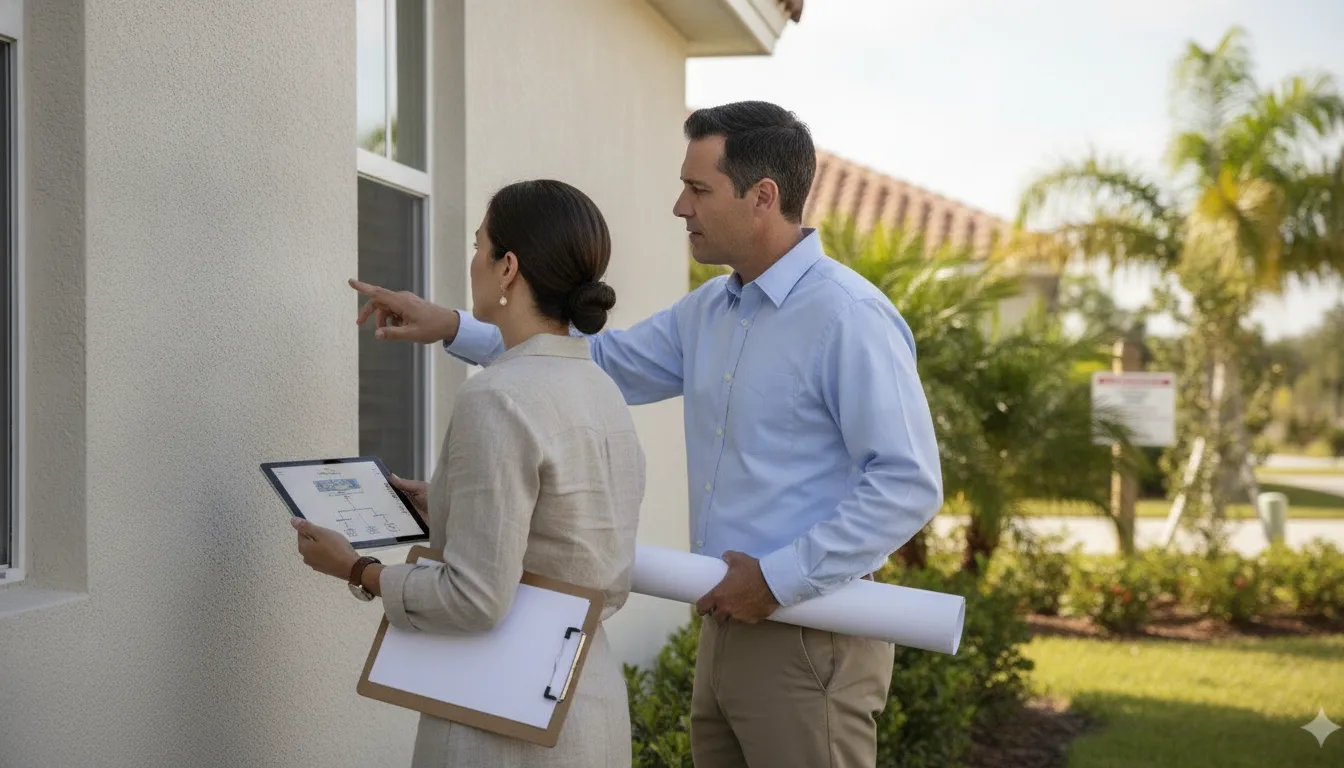
Before a Florida certificate can be issued, confirm the correct document and review the permit history. Complete required work, obtain final inspections, resolve violations, and submit the closeout records required by the municipality.
A certificate is not issued simply because construction appears finished. The permit record must show that the project is ready for closeout, and the exact process depends on the municipality, project type, and local permitting system. Use this checklist to identify what still needs attention.
- Confirm which certificate applies. Start by confirming whether the project needs a Certificate of Completion or a Certificate of Occupancy. A CC is generally associated with remodels, renovations, and shell buildings where occupancy is not involved. A CO is generally associated with new construction or a change in use. Some local systems identify the required certificate within the permit application. Miami, for example, states that its iBuild application indicates whether a CO or CC is required. If the terminology is unclear, review this guide to understanding Florida building certificates before submitting anything.
- Complete and pass every final inspection. All required final inspections must be completed and approved before the certificate can be issued. That may include separate trade or discipline inspections tied to the permit. An inspection that is still scheduled, failed, incomplete, or awaiting correction can keep the permit from reaching final status. Osceola County notes that a Certificate of Completion can be issued after final inspection for a structure where occupancy is not involved. The local building department, not a general statewide checklist, determines which finals apply to your project.
- Resolve revisions and open requests. Review the permit record for outstanding revisions, corrections, or administrative requests. Miami specifically identifies unresolved permit revisions and requests, including a change-of-contractor request, as items that must be completed. A project can look finished in the field while the permit file remains open because a requested document or revision was never finalized. Check the portal and written correspondence together, since the missing item may be listed in one and not the other.
- Assemble the documents your jurisdiction requires. Identify the documents the local agency requires for this project and certificate type. Do not assume another Florida city uses the same forms, signatures, contractor information, or supporting records. Match every document to the permit number and scope of work, then confirm whether the agency wants an online submission, an in-person filing, or another local process. This prevents a technically complete project from being delayed by an incomplete closeout package.
- Submit through the local closeout process and verify issuance. Submit the application or closeout request using the municipality’s designated system, then monitor the permit record until the certificate is actually issued. Keep confirmation records and follow up on any new request from the building department. The certificate is intended to document completion in compliance with applicable local building and zoning requirements, so unresolved conditions should be addressed rather than worked around.
Talk with a Florida compliance professional before your next submission
What Does Certificate of Completion Assistance Resolve?
Assistance for unpermitted or expired work starts with the permit and violation history. It then identifies missing plans, inspections, corrections, or professional reports. The closeout path may involve documenting existing work, correcting noncompliant conditions, coordinating qualified professionals, and tracking the file with the local department.
A permit closeout cannot be clean when the building department still sees work that was never properly permitted. An expired permit that remains open can also leave an unresolved enforcement condition in the municipal record. The issue is not simply that a document is missing. The agency may need proof of what was built and whether it complies with current requirements. It may also need specific inspections or corrections before the record can be closed.
Florida law generally requires a permit before construction, alteration, modification, repair, or demolition of a building. Florida Statutes section 553.79 establishes that baseline, but the practical path for correcting past work depends on the municipality, the scope of the work, and the available permit history. An owner should not assume that a new permit application will automatically resolve an older violation.
Why unpermitted work creates a closeout problem
When work was completed without the required permit, the department may not have the inspections, plans, contractor information, or other records needed to verify compliance. That gap can affect the final status of the property and may prevent the agency from issuing the applicable completion document. A red tag or related notice can add another layer of review, particularly when the condition involves safety, structural work, or work that cannot be verified from the surface.
After-the-fact remediation is different from pre-construction permit expediting. The objective is to identify and correct an existing compliance problem, document the work accurately, coordinate the right licensed professionals when needed, and satisfy the agency’s requirements. It is not a promise that a permit will be issued retroactively without review, and requirements vary by jurisdiction.
How expired or open permits delay a sale
An expired permit may still show as open in the municipal record even if the physical work appears finished. Missing finals, incomplete revisions, unresolved requests, or a failed inspection can keep the permit from reaching closed status. Orlando’s closeout guidance warns that permits should be closed promptly after construction to avoid problems when selling a home. An open permit can also create friction during refinancing or title review, when another party needs confidence that the property’s work was properly completed.
Start by collecting the notice, permit numbers, inspection history, plans, prior approvals, and any correspondence with the building department. Then determine which conditions are actually outstanding rather than guessing from the online record. For owners dealing with an expired permit, remediating expired building permits may require a coordinated review and follow-through, not just a request to mark the permit closed.
How Certificate of Completion Assistance Resolves the Bottleneck
Certificate of completion assistance resolves a stalled closeout by locating the exact open item and coordinating the needed people and records. It also helps submit the right documentation and track the file until the municipality confirms the next step.
A stalled certificate is rarely solved by submitting the same paperwork again. The real problem may be an open permit, an unresolved correction, a missing final inspection, an enforcement notice, or a project record that no longer matches the work completed. Effective assistance starts by finding the exact point where the file stopped moving.
1. Review the notice and permit history
The first step is a detailed review of the violation notice, permit numbers, inspection results, prior comments, contractor records, and available plans. This establishes what the municipality believes is incomplete and separates current requirements from outdated or duplicated requests. It also helps identify whether the project needs a Certificate of Completion, a Certificate of Occupancy, or another local closeout document. Requirements differ by municipality and project type, so a checklist from one building department should not be treated as a statewide rule.
2. Identify the missing work and documentation
Next, the file is compared with the property’s actual condition. Missing items may include approved final inspections, revised drawings, affidavits, contractor information, engineering documentation, or responses to outstanding permit requests. Miami states that all final inspections must be completed and approved before a CO or CC can be issued. It also identifies completion of outstanding permit revisions or requests as part of the closeout process. The city’s published CO and CC guidance illustrates why the agency record has to be reviewed line by line.
3. Coordinate the right licensed professionals
If the record shows work that requires technical verification, the next step is coordinating the appropriate licensed professionals. Depending on the project, that may involve an architect, engineer, contractor, inspector, or other qualified specialist. The purpose is not to add unnecessary layers. It is to obtain the documentation or corrective work the jurisdiction actually needs to evaluate the project.
4. Submit, communicate, and track the file
Once the deficiencies are addressed, the documentation can be organized and submitted through the applicable municipal process. Clear communication with the building department matters when a file contains a violation, red tag, expired permit, or multiple prior submissions. Follow-up should continue until the agency confirms what remains, accepts the required materials, and records the appropriate closeout status.
This is the remediation side of the process, not general pre-construction permit expediting. If enforcement or unpermitted work is blocking closeout, building code violation remediation can bring the notice, permit history, professionals, and agency communication into one coordinated workflow. No professional can guarantee approval, but a complete, jurisdiction-specific file gives the reviewer a clear basis for the next decision.
When Certificate of Completion Assistance Is Worth Considering
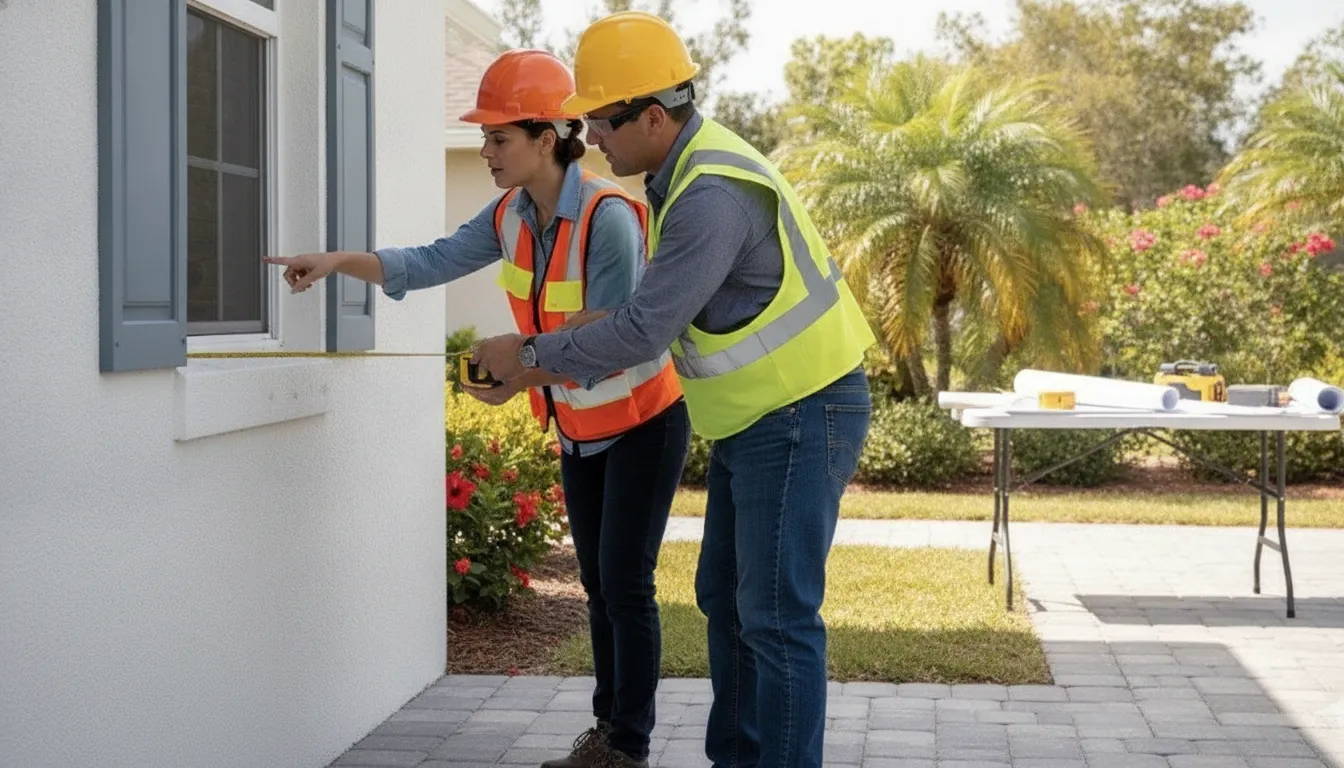
Consider certificate of completion assistance when a failed inspection, red tag, open permit, unpermitted work, unclear requirement, or transaction deadline blocks clean closeout.
Some permit closeouts are straightforward. Others become difficult because the property has an unresolved inspection, an old permit, or an enforcement notice that requires several offices and professionals to coordinate. Getting help early is usually more practical than waiting until a transaction, occupancy question, or agency deadline makes the problem urgent.
The final inspection failed or cannot be scheduled
A failed final inspection is a clear signal to stop guessing and identify the exact correction path. A Certificate of Completion generally depends on all required final inspections being completed and approved, but the next step can vary by municipality and project type. If the inspection record is unclear, a professional can review the comments, permit history, drawings, and supporting documents before another submission is made.
The property has a red tag or stop work order
A red tag or stop work order means the local authority has identified a compliance issue. Address it through the agency’s process, not by bypassing the order. Continuing work without understanding it can create complications. If the notice is active, review the requirements for stop work order removal. Then determine what documentation, inspections, or licensed professionals are needed to move toward closure.
An open or expired permit is holding up the property
Open permits can surface when an owner prepares to sell, refinance, insure, or transfer a property. An expired permit may need more than a simple renewal, especially if the original scope was incomplete, records are missing, or codes have changed. Orlando’s building guidance warns that permits should be closed after construction to avoid problems when selling a home. A review can establish what remains open before the issue becomes a last-minute transaction obstacle.
The jurisdiction’s requirements are unclear
Florida municipalities do not all use the same forms, portals, review steps, or documentation standards. Get help when the agency has requested revisions repeatedly, when different departments are giving conflicting instructions, or when you cannot tell whether the project requires a Certificate of Completion or a Certificate of Occupancy. The goal is to organize the facts, identify the responsible parties, and submit a complete response rather than repeating an incomplete request.
Professional assistance is especially valuable when several issues overlap. Violation Clinic can review notices and permit records, coordinate licensed professionals, prepare documentation, communicate with the agency, and track the file through the remaining closeout steps. That does not replace the municipality’s review or guarantee an outcome, but it gives the owner a defined remediation process.
Contact Violation Clinic about your permit closeout options
Frequently Asked Questions
What is a Certificate of Completion in Florida?
A Certificate of Completion, or CC, documents that a remodel, renovation, or shell-building project has met the applicable closeout requirements. It is different from a Certificate of Occupancy, which generally applies to new construction or a change of use. Local requirements vary, but the certificate is tied to compliance with applicable building codes and zoning requirements. Miami’s guidance describes these distinctions.
How do I get a Certificate of Completion for unpermitted work?
First, identify the work performed, the responsible jurisdiction, and any open violations or permit records. Florida law generally requires a permit before construction, alteration, modification, repair, or demolition, so unpermitted work may need documentation, inspections, and corrective action before closeout. The exact path depends on the municipality and project. Florida Statutes section 553.79 states the permitting requirement.
What is the difference between a Certificate of Occupancy and a Certificate of Completion?
A CO is generally associated with new construction or a change in how a property is used. A CC is generally associated with remodels, renovations, and shell buildings where occupancy is not the issue. Your permit record and local building department determine which document applies, so do not assume one can substitute for the other.
What happens if my permit expires before I get a Certificate of Completion?
An expired permit can leave the project open and prevent a clean closeout. You may need to resolve outstanding revisions, requests, inspections, or violations before the jurisdiction will issue its final documentation. Leaving permits open can also create problems during a sale, as Orlando’s permit-closeout guidance explains. The required remediation steps vary by jurisdiction.
Can I get professional assistance with building code violations?
Yes. A remediation professional can review the notice and permit history, identify missing items, coordinate licensed professionals, prepare documentation, communicate with the agency, and track the file through closure. This is especially useful when work is unpermitted, red-tagged, or repeatedly fails inspection. Assistance should focus on after-the-fact compliance and closeout, not general pre-construction permit expediting.
Contact us to close out the permit
Unresolved conditions, incomplete documentation, or an unpermitted project can make certificate of completion steps difficult to navigate. A clear review of the permit history and municipal requirements can help identify what still needs attention before closeout.
Contact Violation Clinic through the contact form for certificate of completion and permit-closeout assistance.