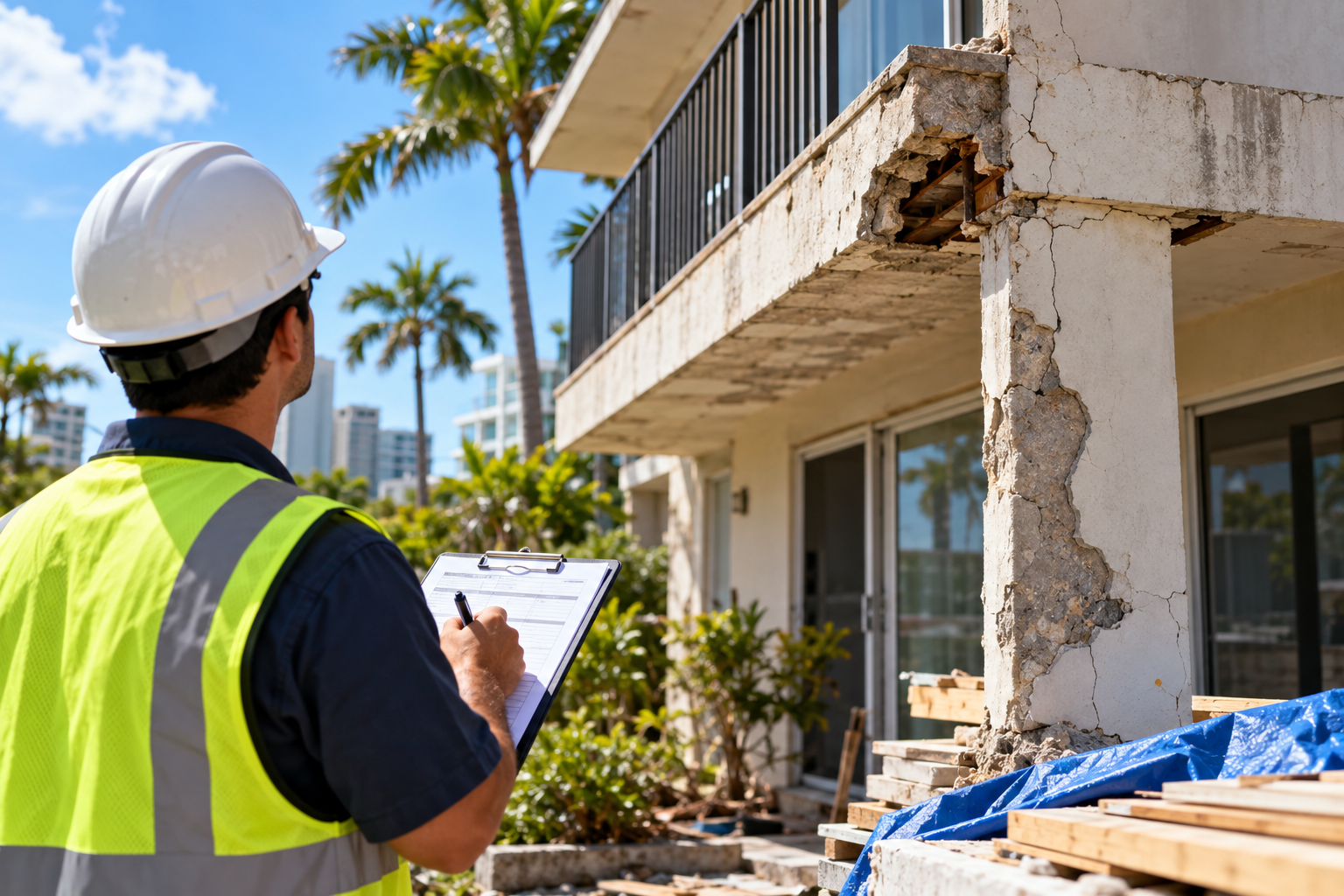
Unsafe Structure Violations can create serious problems for Florida property owners, from costly repairs and fines to restrictions on occupancy. Whether you own a residential property, manage a commercial building, or oversee a real estate investment, understanding local building regulations is essential to protecting your property and avoiding unnecessary expenses.
The good news is that many violations can be prevented through regular maintenance, proper documentation, and timely action when issues arise.
What Causes Unsafe Structure Violations?
Property owners may receive code violations when buildings fail to meet applicable safety, construction, or maintenance requirements. Common causes include:
- Unpermitted construction: Renovations, additions, electrical work, or structural modifications completed without required permits or inspections.
- Zoning violations: Property uses, building expansions, setbacks, or other improvements that conflict with local zoning regulations.
- Neglected property maintenance: Deteriorating roofs, damaged exterior walls, exposed wiring, poor drainage, and unsecured vacant structures.
- Unsafe conditions: Structural deterioration, compromised foundations, inadequate exits, fire hazards, or unsafe electrical and plumbing systems.
- Missed inspections: Failure to complete required inspections, submit engineering reports, or meet local building recertification deadlines.
Under the Florida Building Code, unsafe conditions may require repairs, rehabilitation, or, in severe cases, demolition, depending on the circumstances and the building official’s determination.
How to Prevent Violations and Costly Penalties
Proactive property management can help reduce the risk of enforcement action and protect occupants.
Obtain the necessary permits. Before starting renovations, additions, or significant repairs, check with your local building department to determine which permits are required. Keep approved plans, permits, inspection records, and final approvals in an organized file.
Schedule regular inspections. Have qualified professionals assess structural components, electrical systems, plumbing, roofing, and other essential building systems. Address deficiencies promptly and maintain written inspection reports.
Maintain property appearance and safety. Keep roofs, exterior walls, walkways, drainage systems, and common areas in good condition. Secure vacant buildings against unauthorized entry and correct visible hazards before they worsen.
Monitor structural and system safety. Look for cracks, water intrusion, corrosion, sagging structures, exposed wiring, and other warning signs. Consult appropriately licensed professionals when structural or technical assessments are necessary.
Stay informed about local regulations. Florida follows the Florida Building Code, but counties and municipalities may adopt additional requirements. Check with your local building department for applicable ordinances, permit procedures, and inspection deadlines.
Understanding Building Recertification and Fines
Some inspections are legal requirements rather than optional maintenance. In Miami-Dade County, for example, qualifying buildings are generally subject to recertification at 40 years and every 10 years thereafter, with certain exemptions.
According to Miami-Dade County, failure to complete required recertification can result in an initial citation penalty of $510, with additional accumulated penalties of up to $10,000 per violation for continued non-compliance. These penalties are specific to the applicable local program and should not be assumed to apply throughout Florida.
Property owners who receive a recertification notice should review the deadline, arrange the required professional inspection, and submit the necessary reports. Violation Clinic’s Building Recertification Services can be a resource for understanding the process and addressing outstanding compliance concerns.
What to Do When You Receive a Violation Notice
Receiving a violation notice does not necessarily mean that a property must be demolished or vacated. The appropriate response depends on the documented condition and the requirements of the local enforcement authority.
- Review the notice carefully. Identify the cited violations, required corrective actions, deadlines, and any hearing information.
- Document the property’s condition. Take photographs, collect permits, and gather previous inspection reports and relevant correspondence.
- Consult qualified professionals. Engage a licensed contractor, architect, or professional engineer when the nature of the violation requires technical evaluation.
- Coordinate with the local authority. Confirm the required corrective work, permit applications, inspection schedule, and documentation.
- Complete repairs and obtain approvals. Secure the required inspections and retain evidence of compliance.
For more complicated cases, services such as Stop Work Order Removal, Certificate Of Occupancy Assistance, and Special Magistrate Representation may be relevant, depending on the circumstances and available remedies.
Practical Examples of Violation Resolution
Consider an illustrative example of a property owner who discovers that a previous renovation was completed without the necessary permits. The owner can consult the local building department, engage a qualified professional to assess the work, obtain any required after-the-fact permits, complete necessary corrections, and arrange inspections.
In another illustrative case, a condominium association receives a building recertification notice identifying structural deterioration. The association may need to engage a qualified engineer, submit the required report, obtain permits for corrective work, and complete follow-up inspections within the local authority’s deadlines.
These examples are general scenarios, not documented Violation Clinic projects. They demonstrate why early action, proper documentation, and communication with local authorities matter.
Related Resources
Property owners can explore these resources to learn more about building compliance:
- Building Recertification Services
- Violation Clinic for information about resolving building code and permit issues
- Florida Building Code for applicable technical requirements
Protect Your Property Through Proactive Compliance
Navigating Unsafe Structure Violations requires a clear understanding of local regulations, timely corrective action, and consistent property maintenance. Obtaining permits, scheduling inspections, addressing safety concerns, and meeting recertification deadlines can help property owners avoid escalating penalties and protect occupants.
When a violation arises, review the notice, seek appropriate professional guidance, and work with the local building department to establish a clear path toward compliance. Taking action early can help safeguard your property, reduce avoidable costs, and support long-term safety.
At ViolationClinic.com, we specialize in helping property owners navigate the recertification process smoothly. Whether you need assistance with inspections, violations, or compliance issues, our team is here to help. Don’t wait until it’s too late, take action today to protect your investment and ensure the safety of your building.
For more information or assistance, contact us at ViolationClinic.com!