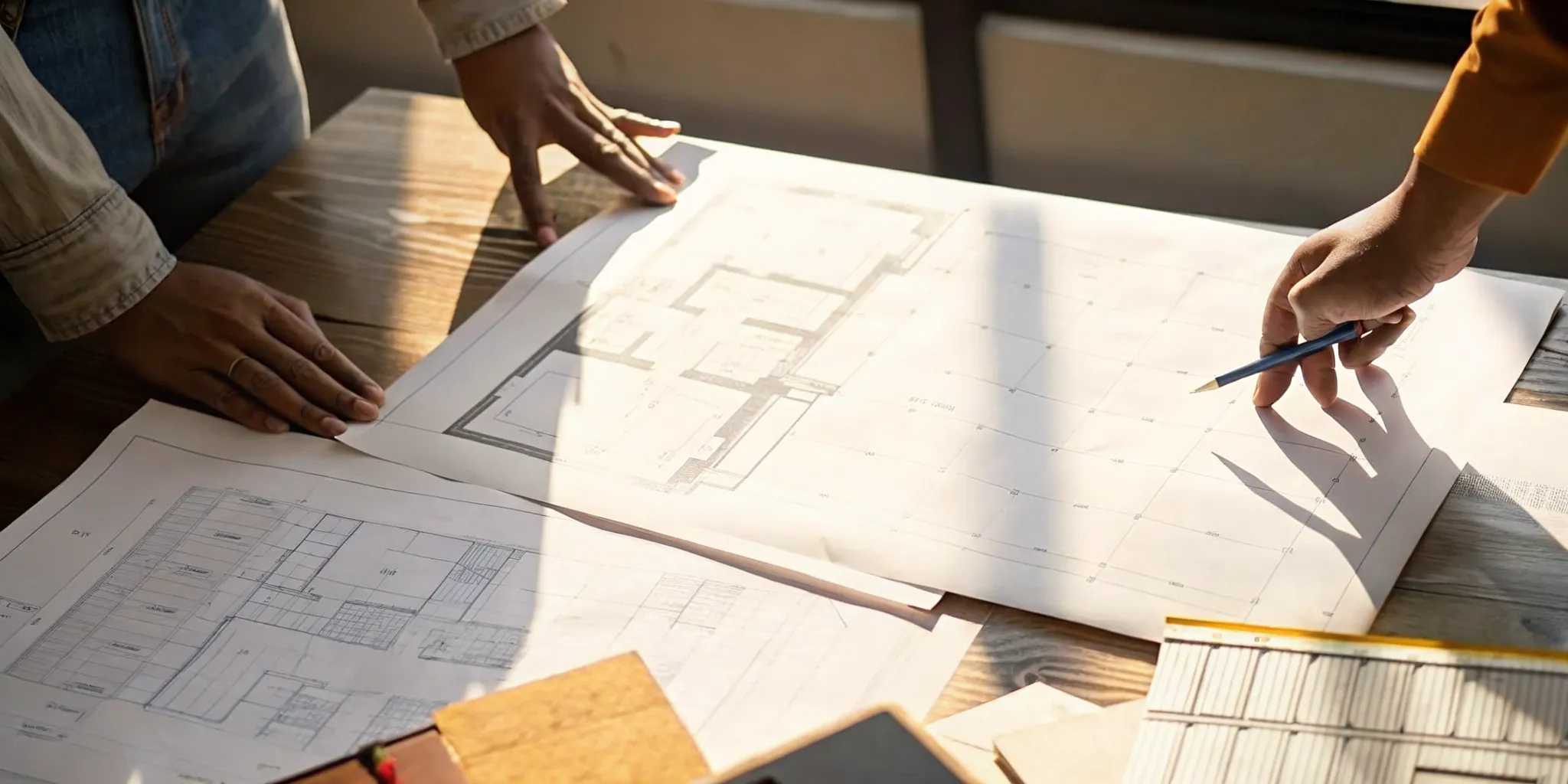
Florida building permit wait times can stretch for weeks across major counties like Miami-Dade and Broward. The backlog can leave contractors, developers, and property owners managing rising costs while equipment sits idle and closing dates approach. Knowing how to diagnose the delay and respond to the reviewer can keep a manageable issue from becoming a costly project shutdown.
Building department delays in Florida often result from growth, limited staffing, complex code requirements, or incomplete applications. Confirm the file’s status, resolve comments precisely, document exchanges, and escalate professionally after the expected review window. According to Freedom Code Compliance, reviews often take six to eight weeks in Miami-Dade and Broward counties. Complete paperwork, private providers, and permit consultants can help avoid errors and keep work moving.
Why building department delays happen in Florida
Florida permit reviews tend to slow when application volume exceeds available staff capacity or when a submission needs corrections. Growth, post-storm reconstruction, complex code requirements, and jurisdiction-specific procedures can compound the problem. The most useful first step is identifying whether the delay is internal or caused by an incomplete file.
In 2026, building department delays in Florida can range from two to eight weeks. Some areas struggle more than others. In Miami-Dade County, the wait time usually lasts six to eight weeks for many projects. These long pauses can stall work and increase costs for everyone involved.
Common staffing and growth issues
Florida’s growth and post-hurricane rebuilding create a high demand for permits. The volume can put a strain on staff levels and slow reviews.
The time it takes to get a permit varies by city. While some spots move fast, others have deep backlogs. Under Florida law, local offices must act on a complete and sufficient application within 30 business days for many small structures. If the team is too small, meeting these legal dates becomes very hard for the city to do.
Errors in permit applications
An incomplete application can stop review and add weeks to the process. Check signatures, plans, site details, and fee payments before submitting.
Using a pro can help you skip these common traps. Experienced teams know how to spot errors in the plans before the city sees them. If you are dealing with a stop work order, getting the right facts fast is key to moving ahead. A former building inspector can guide you through the rules to keep your project on track and avoid more lost time.
How do you find out what is holding up a permit?
Start by checking the permit portal, reviewing every open comment, and confirming which reviewer or department currently owns the file. Then ask whether the application is considered complete and what specific action will advance it. A dated status log makes follow-up clearer and gives you evidence if escalation becomes necessary.
Use the local portal to identify where review slowed and whether a desk needs more information. This status check is a key part of permit expediting.
Check the portal status
Check the portal every few days for terms such as “under review” or “ready for pick up.” A plan that remains at one desk may need follow-up. Under Florida law, local offices have set times to act on complete requests.
- Log in to the city or county portal. Find your project by its number or street address.
- Open the plan review tab. Look for the list of desks like plumbing, fire, or zoning.
- Find the desks that are not yet marked as “pass” or “approved.” These are the spots causing your wait.
- Read any notes or “flags” from the reviewer. These show why the desk did not sign off on the work.
- Note the name and email of the person in charge. You may need to reach out to them for more help.
- Write down every task you need to do next. A clear list keeps your project on track.
Read the review notes
Read every reviewer note and ask for a meeting if a comment is unclear. Accurate responses support Florida building code compliance and prevent another review cycle.
Share every note with your team, correct errors promptly, and keep a log of each change. A coordinated response prevents small issues from causing another delay.
What can keep a delayed Florida project moving?
Keep a delayed project moving by separating work that depends on permit approval from work that can proceed lawfully, answering reviewer comments in one coordinated response, and tracking each open item. Never continue work that requires an issued permit. Instead, protect the schedule with approved parallel tasks and prompt, documented follow-up.
These holdups are common in Miami-Dade and Broward counties. Every week of delay adds to project cost, but a clear action plan can help push your permit forward.
Use clean fixes and answers
Give the reviewer one complete answer package instead of sending small fixes separately. A clear response helps the reviewer verify every correction efficiently.
You should also look into new state rules that help make the process more clear. For example, if your project is worth less than $15,000, local teams may only have five days to respond to your request. Knowing these limits gives you more power when talking to the office. It helps you stay on top of the review and avoids lost time. You can learn more about these changes in our guide to Florida building department permit simplification.
Watch legal deadlines
Florida law sets clear time limits for local building offices. Under Florida Statute 553.792, cities must act on full permit files within 30 business days. This applies to most structures smaller than 7,500 square feet. If you have sent in a full file and heard nothing, you can use this law to ask for a status update. This keeps the department on track and helps you plan your next move.
If the city is still too slow, you can use a private provider. These experts can handle your plan review in as little as 24 hours for homes or two days for business jobs. Using a private provider is a legal right under state law. It is often the fastest way to get past a busy building office and start your work. This option can bypass long wait times and get your crews back on the job site.
| Action Type | Proactive Steps That Help | Actions That Waste Time |
|---|---|---|
| Response Style | Send one full answer to all city notes. | Emailing small fixes one by one. |
| Plan Review | Hire a private provider for fast reviews. | Waiting weeks for a city staffer to finish. |
| Follow-up | Use specific laws to ask for status updates. | Calling and complaining without a plan. |
| Work Flow | Set up parallel tasks to keep crews busy. | Stopping all work while the permit sits. |
Run parallel work streams
Do not let a permit stop every part of your job. Look for work you can do while the city reviews your main plans. You might be able to start site work or get local price quotes. This keeps the project alive and keeps your team ready to move. Our team can help you find permit expediting options to keep your timeline on track. We work to find every gap in the schedule to keep progress moving.
Log each city contact, including the date, person, and response. This record supports escalation if the department misses an applicable deadline.
Are Florida building departments required to meet review deadlines?
Florida law sets review timelines for many complete permit applications, but the applicable deadline depends on the project and submission. Local wait times also vary by jurisdiction. When a review appears overdue, confirm that the application is complete, document its status, and ask the department which deadline applies before escalating.
Areas like Miami-Dade often see waits of six to eight weeks. These building department delays in Florida can stall your work. For business owners, every week of delay can cost up to $8,000 in holding costs. These costs add up fast and can hurt your budget. But state law does list clear rules for how fast a city must act.
State limits on permit review times
Florida Statute 553.792 sets the main rules for review times. Local building offices must act on a full file within 30 business days. This rule applies to structures that are smaller than 7,500 square feet. For larger projects, the time frame may range from 10 to 60 days. The state wants to make sure cities do not hold up growth for no reason. You can find the full text of these rules in Florida Statute 553.792.
New laws have also cut wait times for small jobs. SB 1234 now says local offices must reply in five days for work worth less than $15,000. This helps home owners and small firms get started sooner. It reduces the red tape for minor fixes and small upgrades. These rules give owners more power when dealing with slow local boards.
Deadlines for fixing permit files
Most files will need some changes after the first check. When a city asks for fixes, the clock does not stop. Once you send in your new plans, the law sets a new limit. The local office must act within 10 business days after they get your changes. If they do not meet this goal, they may face legal trouble or fees. This rule keeps the local office from letting files sit on a desk for months.
Checking on your file status is a key part of the job. You should track each date and keep copies of all notes from the city. If a city takes too long, you can point to the state law. This often helps to move things along. It shows you know your rights and will not accept long waits that are not needed. Staying on top of these dates can help you Florida building department permit simplification.
Faster options with private providers
If the city is too slow, you have other choices. Florida Statute 553.791 allows you to use a private provider for plan reviews. These are licensed pros who can do the work much faster than the city. In many cases, they can finish a check in just one or two days. This is a big win for large jobs where time is money. Using a private pro can help you bypass the long lines at the local hall.
Starting July 1, 2026, new rules will make this even better. HB 405 will force cities to cut permit fees by 50 to 75 percent if you use a private pro. This makes it easier to afford the extra help. It also puts pressure on cities to staff up and work faster. By using these tools, you can keep your project on track and avoid the worst of the local backlogs.
When should you escalate or hire a permit expediter?
Escalate when a complete application has passed the expected review window, status updates stop, or repeated comments do not identify a clear path to approval. A permit expediter can help organize the record, coordinate responses, and keep communication moving when the process is consuming time your project team needs elsewhere.
Violation Clinic helps Florida property owners, contractors, developers, and real estate professionals understand municipal review issues and develop a practical resolution plan. Staying professional and keeping a precise record are essential while you wait for a local building department to act.
When to escalate your request
You should consider a step up if you have not heard from your local office within the legal time limits. Under Florida Statute 553.792, local governments must act within 30 business days for most small structures. If you have sent in a new plan, the agency must act within 10 business days. When these dates pass with no word, it is time to ask for a status update from a lead staff member.
Before you call, gather all your notes and dates. Have your permit number, the date you filed, and any proof of pay ready. A clear record shows you are serious and helps the staff find your file fast. If you are dealing with an expired building permit in Florida, mention the exact dates the permit was active. This helps avoid confusion about which rules apply to your work site.
The value of a permit expediter
A permit expediter or expert adds value when your project is stuck in a slow cycle of reviews. These pros often have deep skills with Florida building code compliance and know the local staff. They can spot errors in your plans before you file. This saves you from long back-and-forth delays. Their goal is to keep the file moving through each desk at the city or county office.
Hiring help is often worth the cost for big jobs. Facts show that every week of delay can cost owners $5,000 to $8,000 in extra costs. An expediter can help you meet state rules for fast response times by making sure your files are perfect. While no one can promise a set date for a win, a pro reduces the risk of human error causing more building department delays in Florida.
What to bring to your specialist
When you hire a pro, bring a full set of plans and all past emails from the building office. You will also need a list of any fees you have already paid. Having these files ready lets your expert start work right away. If your project has a mark for Florida building code violations, include that notice in your pack. The more info they have, the faster they can find a path to your final permit.
How to prevent avoidable delays before you submit
A complete, internally consistent permit package is the best defense against an avoidable review delay. Confirm local submittal rules, match every drawing and form, verify required signatures, and assign one person to track comments. This preparation reduces preventable corrections and gives reviewers a clearer file to evaluate.
Planning your project before you file can help you avoid the building department delays in Florida that property owners often face. Small errors in your first package can start a cycle of rejection and change that adds weeks to your plan.
Check your local building department rules
Every city and county has its own set of rules and forms. You must check what your local office needs to avoid a quick rejection. Florida law sets dates for how fast a building office must act on a full set of plans. For example, Florida Statute 553.792 says they must answer in 30 work days for many small jobs. If you miss a local form, these clocks may not even start.
You should also see if your job can use faster review paths. Under Florida Statute 553.791, you can use a private firm to finish plan reviews in as little as two days. Knowing these paths before you submit can save you from a long wait in a busy county like Miami-Dade.
Match your drawings and permit package
A common cause of delay is when drawings from your team do not match. If your frame plans do not match your wire plans, the city will send them back. A full permit pack must have all signed drawings, site plans, and proof of good parts like windows and doors. Our team of experts helps you with permit expediting to find these errors early.
You must also make sure your builder has a valid license and current insurance with the city. If their license has run out or their insurance is old, the building office will stop your work. Checking these items before you pay your fee stops a simple clerical error from stalling your entire job.
Set realistic buffers for your plan
Always build extra time into your project plan. Even a perfect set of papers can face a wait if the building office is short on staff. It helps to name one person to talk to the city. This person should check the status of the permit each day and answer city questions right away. A fast answer to a city ask can keep your file moving toward a final permit.
Why unresolved permit delays can become bigger problems
Unresolved Florida building department delays can quickly put a project at risk. Waiting for a permit is more than a simple bother. It can lead to deep money losses and legal headaches that last for years. Knowing these risks helps you act fast to protect your home and your funds.
High costs of slow builds
The most direct impact of a stalled project is the high cost of waiting. For business builds, every week of delay can cost between $5,000 and $8,000 in extra costs. These fees often include:
- Loan fees and bank charges
- Site watch and safety costs
- Rising prices for building supply
If a project sits idle, your budget can vanish before the first nail is driven. Home owners also feel the pinch. A slow permit wait may mean paying for a home you cannot live in yet. You might have to extend a lease or pay for storage for your things.
Legal and sale risks
Open permit issues can also block land sales. Most buyers will not close on a home with an expired building permit in Florida. Title firms often flag these issues during the search wait.
This can kill a deal at the last minute or force you to drop your price a lot. Buyers want a clean title and no hidden risks. Unresolved permits are a major red flag for banks and lenders too.
State law sets rules for how fast cities must act. Florida laws require local offices to act on full forms within 30 business days for most small builds. You can read the full rules on permit deadlines to see if your city is following the law. If they are not, you may need an expert to push for an answer.
Safety and code issues
Letting work sit without a final review is risky. Unfinished work might not meet current safety codes. This puts people at risk and can lead to code errors. Local building offices can issue fines that grow every day the issue stays open.
These fines can soon lead to liens on your home. A lien can block you from taking out a loan or selling the house. It is a heavy burden that you should avoid at all costs.
Insurance firms also watch for these problems. If your permit is not closed, they might deny a claim for storm damage or fire. They may even cancel your policy for good.
Fixing these delays is the only way to ensure your house stays safe and fully covered. Working with a team that knows the local rules can help you avoid these traps.
Frequently Asked Questions
Does Florida law require a deadline for getting a building permit?
Yes, under Florida law, local building offices must act on full files within 30 work days for small buildings. For big or hard projects, the time is 60 days. If the office needs more info, they must tell you within 10 days of getting your new files. These rules help make sure that city delays do not stop build jobs for too long without clear updates or next steps.
Can I hire a permit expeditor in Florida?
Yes, many owners hire firms to help speed up the work. Under Florida law, you can hire private pros for plan reviews. These experts can often finish a review in one to two days. This is much faster than the weeks it takes some local building offices. Using a pro helps you find errors early, keeps your job on track, and avoids long wait times that can stall your build for months.
How long is the wait for a building permit in Florida in 2026?
Wait times across Florida in 2026 mostly range from two to eight weeks. Big counties like Miami-Dade often take six to eight weeks to finish files. Areas like Broward and Palm Beach usually take four to six weeks. These delays often come from a lack of city staff and more new builds. Per Freedom Code Compliance, backlogs are common in big cities where fixing homes after large storms strains local tools.
Can I sue a Florida building department for permit delays?
Owners can take steps to move a slow project forward. You may be able to file a writ of mandamus to force a city office to act. This is a court order that tells the city to do its job. But hiring a permit expert is often faster and costs less than going to court. New laws like SB 1234 aim to fix this by setting strict goals for city response times on small build jobs.
Ready to keep your Florida project moving?
Long permit delays can raise costs and increase the risk of fines. Violation Clinic helps property owners and contractors identify review blocks, coordinate with local staff, and build a practical path forward.