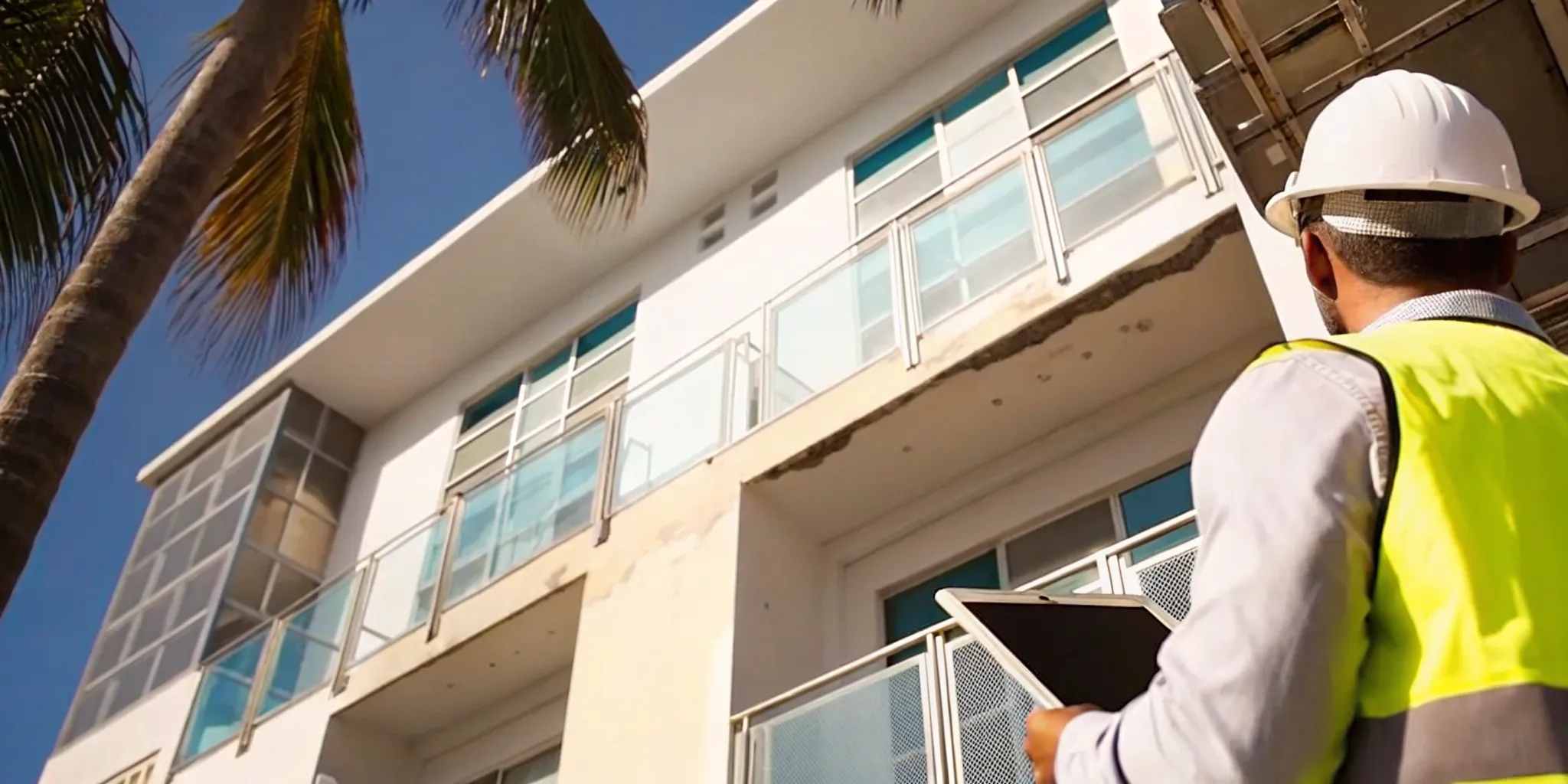
The rules for property owners in Florida are changing. Recent updates to state laws have introduced new requirements, including mandatory milestone inspections for aging condo buildings and clarifications on what constitutes a “material” violation. These changes directly impact your responsibilities and potential liabilities. Staying informed is no longer optional; it’s essential for protecting your property and avoiding unexpected penalties. This guide will bring you up to speed on these critical updates. We’ll explain what these new laws mean for you and how they connect to the enforcement of building inspection violations Florida-wide, ensuring you have the current information needed to stay compliant.
Key Takeaways
- Prioritize proactive compliance to avoid violations: The best way to handle a violation is to prevent it from happening. Always secure permits before work begins, schedule regular property inspections, and stay current on code changes to protect your investment and avoid future headaches.
- Act immediately if you receive a violation notice: Don’t ignore it. Your first steps should be to understand the specific issue, note the deadline to avoid fines, and start documenting everything with photos and notes. Prompt action is crucial to prevent the problem from escalating.
- Don’t hesitate to hire professional help: Trying to fix a complex violation alone can make things worse. Bringing in a team of experts is a smart decision that ensures the problem is resolved correctly, efficiently, and in full compliance with local codes, saving you from costly mistakes.
What Is a Building Code Violation in Florida?
Let’s start with the basics. A building code violation happens when any construction, renovation, or repair work on your property doesn’t meet the standards set by the Florida Building Code (FBC). Think of the FBC as the official rulebook for construction in the state, designed to protect public health, safety, and welfare. Its main purpose is to keep people safe by making sure buildings are structurally sound and built to handle Florida’s unique weather, especially hurricanes. When work doesn’t follow these rules, it can create serious safety hazards.
Building code violations can range from minor issues, like an improperly installed handrail, to major structural problems that compromise the integrity of the entire building. These regulations cover everything: electrical wiring, plumbing systems, fire safety measures, accessibility, and energy efficiency. Because the code is so comprehensive, it’s easy for something to be missed. Beyond the safety risks, building code violations can also bring a wave of stress, including expensive repairs and legal or financial trouble. If you’ve received a notice, it’s a sign that an inspector found something that needs to be addressed. Getting these issues sorted out is crucial, and our team has extensive experience providing assistance with Building Department matters to get you back in compliance quickly and efficiently.
A Quick Look at the Florida Building Code
So, who actually enforces this massive rulebook? The responsibility for enforcing the Florida Building Code primarily falls on your local city or county government. These are the folks who run the building departments and send out inspectors. In some cases, special enforcement districts or state agencies might also have jurisdiction, depending on the type of property. For you as a property owner, this means you’re dealing with local officials who are tasked with making sure every project, big or small, meets the code. They have the authority to issue violations, stop work, and require corrections, which is why understanding their role is the first step in resolving any issues.
How Do Violations Happen?
Violations aren’t always the result of someone intentionally breaking the rules. More often than not, they happen due to simple human error or oversight. A contractor might make a mistake, a small but crucial detail could be missed during a large project, or someone might try to cut costs by taking a shortcut that isn’t up to code. It’s also very common for violations to stem from unpermitted work, where a project was completed without the necessary approvals in the first place. Even with the best intentions, these things can happen. The key is to address them head-on instead of hoping they go unnoticed, as they rarely do.
Common Building Code Violations to Watch For
While Florida’s building codes are extensive, many violations we see are surprisingly common. Knowing what inspectors look for can help you spot potential problems in your own property before they lead to a formal notice. Think of this as a friendly heads-up on the issues that frequently appear during inspections, from the foundation all the way to the roof. Recognizing these can be your first step toward ensuring your property is safe, compliant, and secure. Let’s walk through some of the most common violations property owners face.
Structural and Foundation Problems
The structural integrity of a building is its most fundamental safety feature, which is why it’s a major focus during inspections. In Florida, this is especially critical for withstanding strong winds and hurricanes. Common violations involve the “bones” of the house, like its wooden frame, roof trusses, and the metal straps that hold it all together. Inspectors often find issues with improper strapping, weak wind braces, or poorly attached roof sheathing. Foundation problems, like cracks or shifts, are also a serious concern. These aren’t cosmetic fixes; they are complex issues that require professional expertise to correct and ensure the long-term safety of your property.
Common Electrical Code Violations in Florida
Common electrical code violations in Florida include missing or inoperable GFCI protection where required, improper grounding or bonding, uncovered junction boxes, overloaded circuits or panels, incorrect wire size or type, and electrical work completed without the required permits or inspections. The exact requirement depends on the property, location, equipment, and current Florida Building Code provisions.
- Missing GFCI protection: Wet or damp locations may require GFCI protection. A missing, failed, or incorrectly installed device can create a shock hazard and may be flagged during inspection.
- Grounding and bonding problems: Incomplete or improper grounding and bonding can increase shock and fire risk and should be assessed by a qualified electrical professional.
- Exposed boxes or overloaded panels: Exposed junction boxes, loose connections, or circuits added to an overloaded or overfilled panel can create safety and inspection concerns.
- Incorrect wire size or type: Conductors must be appropriate for the circuit load, equipment, and installation conditions. Using the wrong wire can cause overheating or a failed inspection.
- Unpermitted or uninspected electrical work: Work completed without the required permit or inspection can create a compliance problem even when the installation appears functional.
These examples are a starting point, not a diagnosis. Do not open an electrical panel or attempt a correction based only on an online checklist. If an inspection notice identifies an electrical issue, preserve the notice, photos, permit records, and prior inspection results. Have a licensed electrical professional evaluate and correct the work, then address the documentation and local compliance steps needed to close the violation. Contact Violation Clinic for help coordinating a Florida violation-resolution path.
Plumbing Code Mistakes
Plumbing violations can quickly lead to bigger problems like leaks, expensive water damage, and unhealthy mold growth. These issues often stem from DIY repairs or work done without a permit. Inspectors frequently find improper pipe connections, drains that lack adequate venting (which can cause sewer gases to enter your home), or the use of unapproved materials that don’t meet code standards. Correcting these mistakes is about more than just stopping a drip; it’s about protecting your property’s value and ensuring a healthy living environment. If you have plumbing work that was done without oversight, legalizing unpermitted work is a key step to becoming compliant.
Fire Safety and Accessibility Gaps
Fire safety and accessibility codes are in place to protect everyone who uses a building. Violations can include anything from a missing smoke detector in a home to more complex issues in commercial properties. For businesses, inspectors often find problems with blocked emergency exits, expired fire extinguishers, or improper sprinkler systems. Accessibility is also a major point of inspection. Commercial buildings must comply with the Americans with Disabilities Act (ADA), so violations can involve non-compliant ramps, handrails, restrooms, or parking spaces. Addressing these gaps is not only required by law but is also crucial for ensuring public safety and avoiding fines.
What Are the Penalties for a Violation?
Receiving a building code violation notice can feel overwhelming, but it’s a problem that won’t go away on its own. Ignoring it can lead to a cascade of penalties that are far more stressful and expensive than addressing the issue head-on. These consequences aren’t just simple fines; they can impact your finances, your legal standing, and the long-term value of your property. Understanding what’s at stake is the first step toward making a plan to resolve the violation correctly. The penalties generally fall into three main categories: immediate financial hits, serious legal actions, and lasting damage to your property’s value and insurability.
Fines and Stop-Work Orders
The most immediate consequences of a building code violation are financial. Municipalities in Florida can issue daily fines for as long as a violation remains uncorrected. These fines can accumulate quickly, turning a manageable issue into a significant financial burden. If the violation is related to ongoing construction, the building department can also issue a stop-work order. This order legally halts all work on your project until the violation is resolved and re-inspected. A stop-work order doesn’t just pause your timeline; it can create a domino effect of costly delays, scheduling conflicts with contractors, and budget overruns. Our team offers comprehensive services to resolve these issues and get your project moving again.
Potential Legal Action
If fines and warnings are ignored, the city can escalate its enforcement. Under Chapter 162 of the Florida Statutes, municipalities have the authority to take legal action to compel compliance. One of the most common actions is placing a lien on your property. A lien is a legal claim against your property for the amount of the unpaid fines and administrative costs. This can make it impossible to sell, refinance, or even get a home equity loan until the lien is paid and the violation is cleared. It’s a serious measure that local governments use to ensure property owners take their compliance responsibilities seriously.
Hits to Your Property Value and Insurance
Beyond direct fines and legal actions, an unresolved violation can quietly eat away at your property’s financial health. A property with a history of code violations is a major red flag for potential buyers, which can significantly decrease its market value and make it much harder to sell. Furthermore, insurance companies view violations as increased risks. Your insurer may raise your premiums or, in some cases, refuse to renew or issue a policy altogether. On top of that, Florida Statute 553.84 allows anyone harmed by a “material violation” to sue the responsible party for damages, opening you up to personal liability. If you’re worried about these risks, it’s wise to contact us for guidance.
How Recent Law Changes Affect Florida Property Owners
Keeping up with Florida’s building codes can feel like a moving target. Recent legislative updates have introduced significant changes that directly affect property owners, redefining your responsibilities, inspection requirements, and legal rights. Understanding these shifts is the first step in protecting your investment and ensuring your property remains safe and compliant. These new rules are important for every property owner to know.
New Rules for Material Violations
A recent update to Florida law clarifies when you can take legal action over a building code violation. The key word is “material.” Now, a violation must be serious enough to potentially cause physical harm or significantly impair your building’s performance to be grounds for a lawsuit. This means small, cosmetic flaws that don’t affect safety or structural integrity likely won’t qualify. This change makes it harder to sue for minor defects, placing more emphasis on identifying truly dangerous issues. If you suspect a serious problem, it’s important to work with an expert who can help you understand the violation and explore your resolution options.
Milestone Inspections for Condos
For condo and co-op owners, a new safety law has established mandatory “milestone inspections” to ensure the long-term structural safety of aging buildings. Your building’s first milestone inspection is required when it reaches 30 years of age, with follow-up inspections needed every 10 years. There’s a critical deadline to know: if your building was 30 years or older before July 1, 2022, its first inspection must be completed by December 31, 2024. This process is part of a larger building recertification effort to keep Florida communities safe.
Updated Inspection Protocols
Your local city or county government is primarily responsible for enforcing the Florida Building Code, which includes conducting plan reviews and on-site inspections. While they can charge reasonable fees for these services, the law specifies that this money must be used exclusively for code enforcement costs. This ensures the funds are reinvested into the system that keeps our buildings safe. If you’re facing an inspection or have questions about the process, it’s helpful to contact an expert who understands local protocols and can guide you through the requirements.
Got a Violation Notice? Here’s What to Do Next
Seeing that official notice taped to your door or arriving in your mailbox can make your stomach drop. But take a deep breath. A building code violation isn’t the end of the world, and you have a clear path forward. The key is to act promptly and methodically. Ignoring the problem will only lead to bigger headaches like mounting fines, stop-work orders, or even legal trouble. Think of this notice not as a punishment, but as a to-do list from the city. By tackling it head-on with a solid plan, you can resolve the issue efficiently and get your property back in good standing. The next few steps are crucial for setting yourself up for a smooth resolution process.
Your Immediate First Steps
Before you do anything else, read the violation notice from top to bottom. Make sure you understand exactly what the issue is, which code has been violated, and which department issued the notice (it could be Code Enforcement, the Building Department, or the Fire Department). The notice will specify the location of the problem on your property. Don’t make any assumptions. Your first move should be to get clarity. If you’re unsure about any part of the notice, seeking professional guidance is a smart step. Our team can help you interpret the notice and outline a clear plan for all the services required to bring your property into compliance.
Understand Your Deadlines
Every violation notice comes with a deadline, and you absolutely cannot ignore it. This date is usually the timeframe you have to correct the violation or, in some cases, to submit a formal plan for how you will correct it. Missing this deadline is what triggers additional fines and penalties. It’s also important to know that Florida has strict time limits, or statutes of limitations, for filing lawsuits over construction defects, so time is truly of the essence. Acting quickly not only keeps you in the good graces of the city inspector but also protects your legal rights as a property owner. Mark the date on your calendar and make it your top priority.
Document Everything Correctly
From this moment on, you are a record-keeping machine. Start by taking clear photos and videos of the area cited in the violation, making sure to note the date and time. This creates a baseline record of the issue as it was when the notice was issued. Keep a dedicated folder for all paperwork, including the original notice, any correspondence with the city, and receipts for repairs or professional consultations. You should also log every conversation you have, whether it’s with a contractor or a city official. Note the date, the person you spoke with, and a summary of the discussion. This detailed documentation is invaluable and can help our team resolve your case much faster when you contact us for help.
How to Resolve a Building Violation
Receiving a violation notice can feel overwhelming, but there’s a clear path forward. Resolving a building code violation is a structured process, and you don’t have to go through it alone. The key is to act methodically and bring in the right help from the start. By tackling the issue head-on with a solid plan, you can correct the problem, satisfy the authorities, and protect your property’s value.
The process generally involves three main stages: working with licensed professionals to assess the situation, ensuring all work meets permit and compliance requirements, and budgeting for the necessary fixes. Following these steps will help you address the violation efficiently and prevent future complications.
Work with Licensed Professionals
Your first call should be to a qualified expert. Trying to fix a violation yourself can often make things worse. A team of licensed professionals can offer comprehensive services to guide you through the process, from initial assessment to final sign-off. These specialists, including building officials, inspectors, and engineers, understand the specific codes in your municipality and have established relationships with local building departments.
Hiring an independent expert provides an unbiased report of what needs to be done. They can translate the technical jargon on the violation notice into a clear action plan, identify any hidden issues, and ensure the repair work is done correctly the first time. This professional guidance is invaluable for a smooth and successful resolution.
Meet Permit and Compliance Requirements
Once you understand the scope of the violation, the next step is to address the official requirements. Most corrective work requires a permit. It’s critical to follow the proper channels, as performing work without a permit can result in additional violations and fines. Your licensed professional will help you prepare and submit the necessary applications to the local building department.
Local governments are responsible for making sure all buildings comply with the Florida Building Code, so every step of the repair must be documented and inspected. This includes plan reviews and on-site inspections to verify that the corrections meet current standards. Fulfilling these compliance requirements is the only way to officially close the violation and clear your property’s record.
Budgeting for the Fix
Addressing a violation comes with costs, and it’s important to plan for them. Your budget should account for several items: the initial fine, fees for permits and inspections, and the cost of labor and materials for the actual repairs. Local governments can charge reasonable fees for code enforcement, so be prepared for these administrative expenses.
To get a clear picture of the total cost, ask your chosen professional for a detailed estimate. While it’s an unexpected expense, view it as a necessary investment in your property’s safety and long-term value. The first step is to contact an expert for a consultation to understand the scope of work and the associated costs. This proactive approach helps you manage the financial aspect without any surprises.
The Risks of Ignoring a Violation
Receiving a violation notice can be stressful, and it might be tempting to set it aside and hope it goes away. Unfortunately, that’s one of the worst things you can do. Ignoring a building code violation in Florida doesn’t just create a paper trail; it opens you up to significant financial and legal risks that can quickly spiral out of control. The problem will only get bigger and more expensive the longer you wait.
Think of a violation notice as a warning sign. Addressing it promptly shows good faith and is the first step toward protecting your property and your finances. On the other hand, inaction can lead to mounting fines, legal battles, and even put people’s safety at risk. Let’s break down exactly what’s at stake when you leave a building violation unresolved.
Your Liability for Damages
One of the most serious risks of an unaddressed violation is your personal liability. According to Florida law, if someone is injured or their property is damaged because of a “material violation” of the building code, you could be held responsible. A material violation isn’t just a minor mistake; it’s a significant issue that could reasonably lead to physical harm or major damage to the building. This means if an unpermitted deck collapses or faulty wiring causes a fire, you could face a lawsuit. The best way to protect yourself is to ensure all your work is properly permitted, inspected, and fully compliant from the start.
City Enforcement Actions
Local governments are responsible for enforcing the Florida Building Code, and they have several tools to ensure compliance. When you have a violation, the city or county can take enforcement actions that directly impact your wallet. They are authorized to charge fees for plan reviews and inspections. If your building plans are rejected three or more times for the same issue, the local government can charge you four times the standard review fee for every rejection after that. The same principle applies to failed inspections. These escalating costs are designed to penalize inaction and repeated mistakes, making it far more affordable to resolve the issue correctly the first time with professional help.
Potential Criminal Charges
While most violation cases start with civil penalties like fines, ignoring them can lead to more severe consequences. If you fail multiple inspections for the same violation, the city can charge a reinspection fee that is four times the original amount for each follow-up visit. Continually ignoring official notices, stop-work orders, or fines can result in the city taking legal action against you. In the most extreme cases of willful negligence or fraud, criminal charges are possible. This entire chain of events is avoidable. By taking a violation seriously and working with experts to correct it, you can prevent the situation from escalating and keep your project, and your record, clean. If you’re facing a notice, it’s time to get professional help.
How to Prevent Violations Before They Start
The best way to handle a building code violation is to make sure it never happens in the first place. Being proactive is always less expensive and far less stressful than reacting to a violation notice. Think of it as preventative care for your property. By taking a few key steps, you can protect your investment, ensure the safety of your tenants or family, and avoid the costly delays that come with fines and stop-work orders. This approach isn’t just about avoiding penalties; it’s about maintaining your property’s value and integrity for the long haul.
Adopting a preventative mindset means shifting your focus from fixing problems to building a foundation of compliance from day one. It involves careful planning, regular maintenance, and staying informed. While it might feel like extra effort upfront, this approach will save you significant time, money, and frustration down the road. It gives you peace of mind, knowing your property is not just a valuable asset, but a safe and secure one. A property free of violations is easier to insure, easier to sell, and ultimately, a stronger investment. The following strategies are your best defense against future violations and will help you keep your property in excellent standing.
Plan and Permit Before Building
The single most important rule for any construction or renovation project is to secure the proper permits before any work begins. It can be tempting to cut corners to save time or money, but this almost always backfires. Building codes are not just bureaucratic red tape; they are essential safety standards designed to ensure your structure is safe and can withstand Florida’s demanding weather, especially hurricanes. Always be wary of a contractor who suggests skipping the permit process. Getting everything approved first ensures your project starts on the right foot and meets all legal requirements, protecting you from liability and future headaches.
Perform Regular Compliance Checks
Just like a car, your property needs regular check-ups to stay in good shape. Scheduling periodic compliance checks with a professional inspector can uncover hidden issues before they become major violations. An expert can provide an unbiased report on your property’s condition, which is invaluable for maintenance planning. If you ever suspect a problem, get in the habit of documenting it. Take clear photos and videos with a timestamp, and keep detailed records of all conversations with contractors. For owners of larger properties, these checks are sometimes mandatory, such as the required building recertification process in Miami-Dade and Broward counties.
Stay Current on Code Updates
Building codes are not set in stone; they evolve to reflect new safety standards and construction technologies. It’s your responsibility as a property owner to keep up. The state of Florida has its building code, but local governments often add their own specific ordinances. Ignorance of a new rule won’t protect you from a violation. You can stay informed by following your local building department’s updates or working with a professional who tracks these changes for you. The state even outlines the legal right for property owners to take action over damages caused by a material violation of the Florida Building Code, so staying current is key to protecting your investment.
When to Call for Professional Help
While it’s tempting to try and handle a violation notice on your own, some situations are simply too complex for a DIY approach. Recognizing when you’re in over your head is the first step to resolving the issue efficiently and correctly. Calling in a professional isn’t admitting defeat; it’s making a smart business decision to protect your property and investment.
For Complex Violation Issues
If you suspect a problem or have received a notice for anything beyond a simple fix, it’s time to start a paper trail. Begin by taking photos and videos of the area in question, making sure to note the date and time. Keep a detailed log of every conversation you have with contractors and save all your repair receipts. This documentation creates a clear timeline and provides an objective record of the situation. A professional can use this information to assess the problem, but more importantly, an expert inspector can often uncover hidden issues that an untrained eye would easily miss, giving you a complete picture of what you’re up against.
Choosing the Right Expert for the Job
When you need help, finding the right expert is crucial. An independent inspector can give you an impartial report on the violations, which is a great starting point. However, for a complete solution, you need a team that can take you from notice to resolution. This is where a violation resolution specialist comes in. Our team at Violation Clinic includes licensed building officials, inspectors, architects, and engineers who manage the entire process for you. We offer comprehensive permit and violation services that handle everything from legalizing unpermitted work to closing out old permits. Instead of you juggling multiple contractors and city officials, we do it for you, ensuring the job is done right. If you’re facing a violation, contact our team to see how we can help.
Related Articles
- How to Navigate City and County Code Rules | VIOLATION CLINIC
- Dealing with Building Violations in Florida: A Local’s Guide | VIOLATION CLINIC
- Common Compliance Oversights That Lead to Violations | VIOLATION CLINIC
Frequently Asked Questions
I just received a violation notice. What’s the most important first step? Before you do anything else, take a moment to read the notice carefully. It contains crucial details: what the specific violation is, where it’s located on your property, and the deadline you have to address it. Your first job is to understand the problem, not to start tearing down a wall. Resisting the urge to panic or immediately start work is key. Once you have a clear picture of what the city is asking for, you can form a logical plan instead of reacting with stress.
Can I just fix the violation myself to save money? While the DIY route might seem like a good way to cut costs, it often ends up being more expensive. Building codes are complex and specific, and a repair that looks fine to you might not pass an official inspection. A failed inspection can lead to more fines and delays. Working with a licensed professional ensures the job is done correctly the first time. They understand the code, have relationships with local inspectors, and can manage the entire permit and sign-off process for you, saving you from costly mistakes.
What happens if the violation is for work done by a previous owner? This is a common and frustrating situation. Unfortunately, as the current property owner, the responsibility to bring the property into compliance now falls on you. The violation is tied to the property, not the person who did the work. Think of it as an inherited issue that needs to be resolved to protect your investment. The good news is that you don’t have to solve it alone; a professional can help you investigate the history of the work and create a plan to make it right.
My violation is for work done without a permit. Is it too late to fix this? It’s definitely not too late. This is a very common issue, and there is a formal process for it called “legalizing” unpermitted work. It typically involves creating “as-built” plans of the existing work, submitting them for retroactive permits, and having the work inspected to ensure it meets current code. While it can be a complicated process, it is the only way to officially resolve the violation and ensure your property is safe and legally compliant.
How much should I expect to pay to resolve a violation? The total cost can vary widely, so there isn’t one simple answer. The final amount depends on a few factors: the initial city fines, the fees for new permits and inspections, and the actual cost of labor and materials for the corrective work. The complexity of the violation plays the biggest role. A simple plumbing fix will cost far less than resolving a major structural issue. The best way to get a clear financial picture is to get a professional consultation to assess the scope of work and provide a detailed estimate.