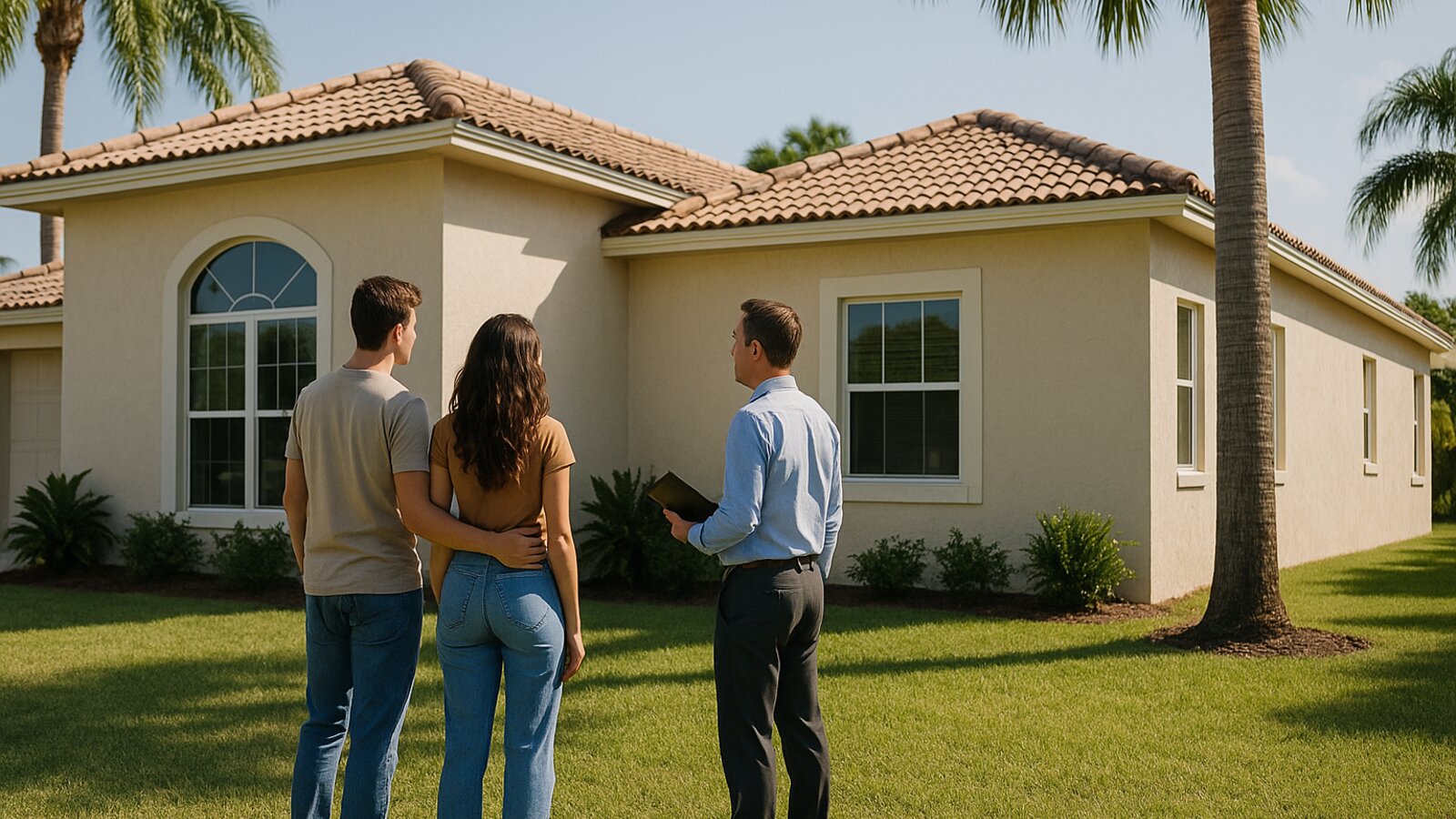
The inspection came back clean, the lender is moving, and then the title search or the seller’s records show a permit that was never closed. Buying a house with an open permit in Florida is more common than most buyers and agents expect, and it does not automatically kill a deal. It does change what you should ask for before closing. This guide is written for buyers, investors and the agents and attorneys who advise them in Miami-Dade, Broward and Palm Beach. Violation Clinic is a private compliance consulting company, not a government agency, and nothing here replaces the rules of the local building department.
Why an open permit matters to the buyer, not just the seller
A permit is a record that a project was started under local review. If it was never finaled, the jurisdiction has no sign-off that the work was inspected and accepted. Florida law requires a permit from the local enforcing agency for construction, alteration, repair and demolition, as set out in section 553.79 of the Florida Statutes. Because the permit is tied to the property rather than to the person who pulled it, an open one typically remains on the property’s permit record after the sale.
That is the buyer’s problem. Once you own the property, you may be the one asked to deal with a stalled permit, an expired inspection window or a contractor who is long gone. Depending on the jurisdiction, an open permit can also complicate future work, insurance questions or a later resale.
How buyers usually discover an open permit
- The permit history review. An agent, attorney or investor searches the building department’s online portal by address or folio number.
- The home inspection. An inspector notices a newer roof, addition, electrical panel or converted space and asks where the paperwork is.
- The title or lender review. Some title companies and lenders flag open permits or code violations before they will close.
- The seller’s disclosure. A seller mentions finished work but cannot produce a final inspection record.
If you are an investor, building this review into your standard due diligence is worth the time.
Open permit versus expired permit versus unpermitted work
These three situations sound alike but are fixed differently, so work out which one you have before negotiating.
Open permit
A permit was issued and work may be done, but the final inspection was never recorded. The fix is often a matter of scheduling the missing inspections, sometimes with the original contractor’s cooperation.
Expired permit
The permit lapsed before the work was completed or finaled. Jurisdictions differ on whether it can be renewed or must be replaced. Our expired permit resolution service deals with this situation directly.
Unpermitted work
The work was done and no permit was ever pulled. This usually requires an after-the-fact process, which we explain in how to legalize unpermitted work in Florida.
What to ask for when a purchase involves an open permit
The right move depends on your contract, the timeline and local practice, and you should confirm the specifics with your real estate attorney. These are the questions buyers commonly raise:
- Ask for the permit number, the contractor of record and a copy of the permit card and any inspection history.
- Find out what scope the permit covers and whether the finished work actually matches it.
- Ask whether the seller will close the permit before closing, and what evidence of closure they will provide.
- If closure cannot happen in time, discuss a written agreement on who will handle it and how it will be paid for. Some contracts use an escrow or holdback arrangement, and an attorney should draft it.
- Check whether any code enforcement case, fine or lien is attached to the property. The review in clearing violations before closing is a helpful companion.
- Confirm whether your lender or insurer has its own requirements for open permits.
Where the open permit is tied to a bigger issue, such as unfinished work or a contractor who disappeared, our post on selling a property with an open permit describes the same problem from the seller’s side, which helps you anticipate their position.
Buying a house with an open permit in Florida: a due diligence checklist
- Search the permit portal for the address, the folio number and any older address formats.
- Print or save the permit status screens with the date you checked them.
- Compare visible improvements with the permit history, looking for roofs, additions, garages, pools, windows and electrical work with no permit.
- Look for permits that were issued but are marked expired, void or inactive.
- Ask the seller for contractor invoices, warranties and any final inspection paperwork.
- Check for code enforcement cases and recorded liens. Liens and fines can follow a property, so ask for the case status in writing.
- Confirm the inspection period and closing date in your contract so you know how much time remains to act.
- Have your attorney review any change to the contract, escrow or credit before you sign.
Practical paths to closing an open permit
Closing a permit generally means getting the required inspections completed and recorded. The details vary by jurisdiction, but the path often looks like this:
- Get the file. Pull the full permit record and note which inspections are still missing.
- Identify who can act. The contractor of record may need to request inspections, or a new licensed contractor may need to take over the permit. Some jurisdictions allow a change of contractor, others do not.
- Verify the work. If the work does not match the permit or is not up to code, corrections may be needed before the final inspection.
- Request inspections and document them. Keep the final approval record for the closing file.
If the permit has lapsed for a long time, the jurisdiction might require a new permit, new plans or an engineer’s letter. Timelines are jurisdiction-dependent, so avoid assuming a quick fix when you set a closing date. If a notice of violation has already been issued, the correction deadline matters, and the enforcement process in section 162.06 of the Florida Statutes is the starting point for understanding how notices and hearings work.
Frequently asked questions
Can I close on a house that has an open permit?
Often yes, but it depends on the contract, the lender and the title company. Many parties prefer the permit be closed first. Others agree to a written plan for closing it afterward. Ask your attorney what is realistic in your deal.
Who is responsible for an open permit after I buy the property?
Permits are tied to the property, so the new owner may be the person the building department contacts. Whether you can recover the cost from the seller depends on your contract, which is why it matters to address the permit before closing.
Does an open permit mean the work is unsafe?
Not necessarily. It means the work was not signed off. The work may be fine, but without a final inspection there is no record showing it was reviewed.
Should I walk away from a deal with an open permit?
Not automatically. The answer depends on the scope of the permit, how long it has been open, whether violations exist and how much time your contract allows. A compliance consultant can help you size the issue so you can decide with facts.
What if I only learn about the permit after closing?
The same steps apply: get the permit file, identify what is missing and plan the inspections. Acting early keeps more options available than waiting for a notice.
Talk to us before the closing date gets close
If you are buying, or advising someone who is, and an open permit has turned up, contact Violation Clinic privately with the address, the permit number and any records you have. We are a private firm, and we will tell you plainly what the file shows and what the next step looks like. You can also review our Florida code violation help page, or reach out through our contact page to share the notice, property address and permit records.