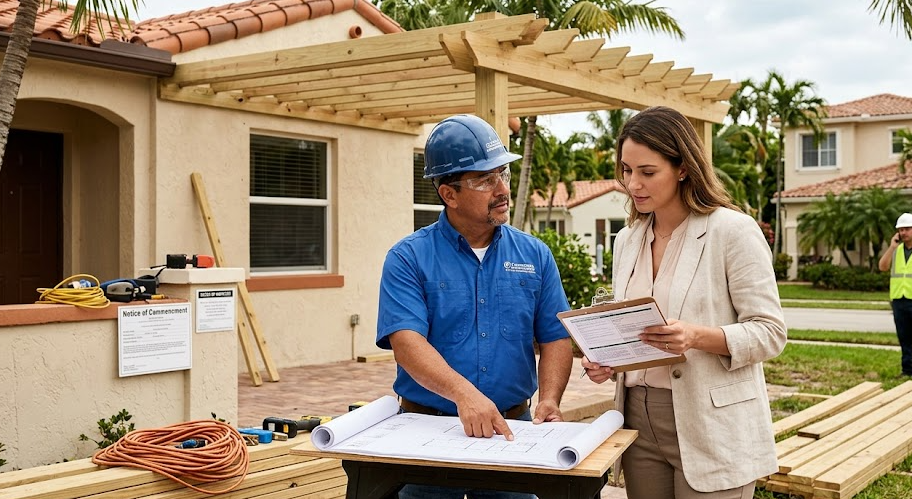
Navigating the world of property ownership in Florida is a rewarding experience, but it comes with a dense manual of rules. Whether you are a long-time homeowner in Miami or a commercial property manager in Broward County, the phrase “building code violation” is enough to cause a headache. Most of these issues don’t stem from a desire to break the law; rather, they arise from simple oversights during the permit application process or a lack of awareness regarding local statutes.
At Violation Clinic, we see firsthand how minor clerical errors or bypassed steps can snowball into liens, massive fines, and even legal battles. Understanding the nuances of the Florida Building Code is the first step toward protecting your investment. This guide breaks down the most common mistakes to avoid and how to keep your property in peak standing.
Why Do Property Owners Get Cited?
Before diving into the paperwork, it is vital to understand the “why” behind code enforcement. Municipalities use codes to ensure public safety, structural integrity, and neighborhood aesthetics. Here are the primary reasons owners find themselves facing a notice of violation:
- Unpermitted Construction: This is the leading cause of fines. Adding a deck, converting a garage into a living space, or even installing certain fences without a permit triggers immediate red flags.
- Zoning Violations: Using a residential property for industrial purposes or violating setback requirements (how far your building must be from the property line) can lead to forced removals. You can learn more about how to navigate zoning violations on our dedicated resource page.
- Neglected Property Maintenance: Overgrown grass, chipped paint, or broken windows aren’t just eyesores; they are often cited as health and safety hazards.
- Unsafe Conditions: Faulty electrical wiring, mold, or structural cracks pose risks to occupants and the public.
- Missed Inspections: Many owners get the initial permit but forget to call for the final inspection. Without a signed-off permit, the work is technically illegal, even if it was done perfectly.
Critical Mistake: Ignoring Florida’s Recertification Requirements
In Florida, compliance isn’t a one-time event. One of the most expensive mistakes a property owner can make is ignoring mandatory milestones like the Building Recertification. Under Florida law (specifically sections like the Broward County Administrative Code and the Miami-Dade Code), buildings that reach a certain age typically 25 or 40 years must undergo a rigorous safety inspection covering structural and electrical systems.
Failure to comply is not just a safety risk; it is a financial disaster. Fines for missing a recertification deadline typically start at $510. However, if the owner remains non-compliant, these fines can escalate to $10,000 or more, and the city may even declare the building unsafe for occupancy.
If your building is approaching its anniversary, do not wait for the city to mail you a notice. Proactive owners should consult Violation Clinic’s Building Recertification and Services to ensure all paperwork is filed correctly and on time.
Actionable Steps to Prevent Fines and Violations
The best way to handle a violation is to never receive one in the first place. Here is a checklist of best practices to keep your records clean.
1. Always Obtain the Necessary Permits
Never take a contractor’s word that “you don’t need a permit for this.” Always verify with your local building department. From roof replacements to water heater installations, the Florida Building Code is specific about what requires oversight. You can check the Florida Building Commission for the most updated state-wide regulations.
2. Schedule and Attend Every Inspection
A permit is a “work in progress” until a city inspector signs off on the final product. Many owners have “open permits” from ten years ago that they never knew existed because a contractor finished the work but didn’t call for the final inspection. This becomes a major hurdle when trying to sell the property. Our inspections guide provides a deeper look into what inspectors look for during these visits.
3. Maintain Property Aesthetics and Safety
Curb appeal is about more than just being a good neighbor. Code enforcement officers frequently patrol neighborhoods for exterior violations. Ensure your property is free of debris, the landscaping is maintained according to local ordinances, and the exterior structure shows no signs of rot or decay.
4. Ensure Structural and System Safety
Florida’s climate is harsh. Humidity and salt air can corrode electrical panels and weaken concrete (spalling). Regular maintenance of these systems prevents “Unsafe Structure” designations, which are much harder and more expensive to resolve than standard maintenance issues.
Real-World Example: The Case of the “Simple” Kitchen Remodel
Consider the case of a homeowner in Fort Lauderdale who decided to modernize their kitchen. They hired a handyman who moved a sink and added two new electrical outlets. Because no walls were torn down, the owner assumed no permit was needed.
Two years later, when trying to sell the home, the buyer’s inspector noticed the unpermitted electrical work. The city was notified, and the owner was hit with a “Work Without Permit” violation. They had to pay double permit fees, hire a licensed master plumber and electrician to certify the work (which involved tearing out new backsplash to see the wiring), and pay a $500 fine. If they had followed proper code compliance tips from the start, they would have saved thousands of dollars and months of stress.
Professional Tips for a Smooth Permit Application
When you are ready to file, avoid these common administrative traps:
- Incomplete Site Plans: Ensure your drawings are scaled and include all existing structures.
- Contractor Licensing: Verify that your contractor is licensed and insured in the State of Florida. Using an unlicensed contractor is a fast track to a violation and can void your insurance policy.
- Zoning Overlays: Be aware of historical district requirements or environmental protections (like sea turtle lighting ordinances) that might add extra layers to your application.
Staying Informed on Florida Regulations
Florida building codes are updated every three years to reflect new safety data and technology. Staying informed is a full-time job. For example, changes in wind-load requirements after major hurricanes can affect what type of windows or roofing materials are allowed in your specific zone. You can find detailed legal guidelines on the Florida Statutes website under Chapter 553, which covers Building Construction Standards.
Related Posts
- The High Danger of Building Without a Valid Permit
- Fixing Open Permits: How to Clear Your Property Title
- How to Close Expired Building Permits the Right Way
Summary: Proactive Compliance is Key
In the world of property management and ownership, an ounce of prevention is worth much more than a pound of cure. Avoiding common mistakes in permit applications requires a mix of diligence, professional advice, and a respect for local regulations. By obtaining the right permits, respecting the recertification timelines, and keeping up with maintenance, you protect both your wallet and the safety of those who live or work on your property.
At ViolationClinic.com, we specialize in helping property owners navigate the recertification process smoothly. Whether you need assistance with inspections, violations, or compliance issues, our team is here to help. Don’t wait until it’s too late, take action today to protect your investment and ensure the safety of your building.
For more information or assistance, contact us at ViolationClinic.com!