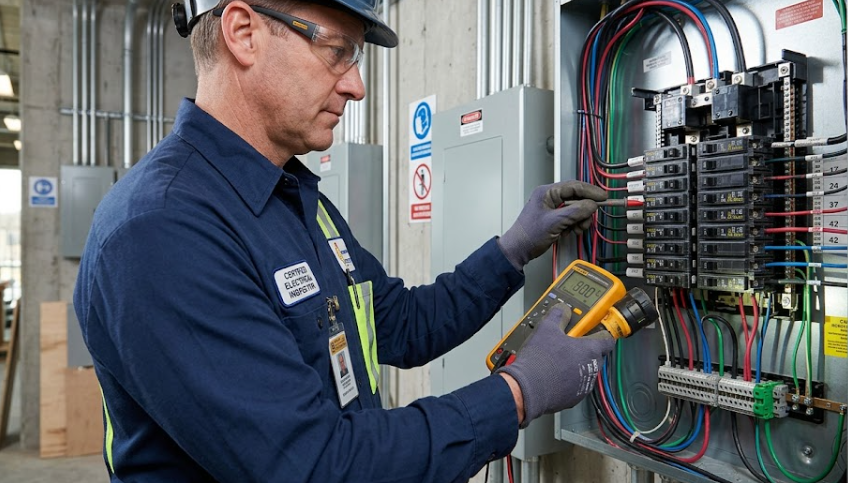
Navigating the world of property ownership comes with a unique set of responsibilities. Beyond interior design and curb appeal, ensuring your property is structurally and systematically safe is paramount. For Florida property owners, maintaining compliance with the Florida Building Code is not just a best practice; it is a legal obligation.
When it comes to building systems, electrical setups are among the most heavily scrutinized during code inspections. A failed electrical inspection can stall your construction project, lead to costly unpermitted work fines, and, most importantly, pose severe safety risks like structural fires or electrocution.
Whether you are remodeling a home, managing a commercial property, or preparing for a mandatory safety milestone, understanding the ins and outs of electrical compliance is crucial. This comprehensive guide outlines why properties fail inspections, how to stay ahead of code enforcement, and actionable strategies to guarantee you pass your next electrical inspection.
Why Properties Fail Inspections: Common Code Violations and Fines
Code enforcement officers and building inspectors do not look for reasons to penalize you arbitrarily. Their primary focus is public safety. However, when property owners cut corners or overlook maintenance, they often find themselves facing steep fines. Here are the most frequent culprits behind code violations:
1. Unpermitted Construction and Electrical Work
One of the fastest ways to receive a major citation is executing electrical modifications without a proper permit. From adding new outlets to completely rewiring a room, any significant electrical adjustment requires oversight. Doing this work without official approval frequently triggers an unpermitted construction violation that requires retrofitted inspections, fines, and sometimes tearing out finished walls to expose hidden wiring.
2. Neglected Property Maintenance and Aging Systems
Electrical components wear out over time. Corrupted wiring insulation, outdated panels (such as old Federal Pacific or Zinsco panels, which are notorious fire hazards), and rusted outdoor conduit boxes are prime targets during routine inspections. Neglecting basic upkeep violates basic property maintenance standards set by local municipalities.
3. Unsafe Environmental and Physical Conditions
Exposed live wires, overloaded circuits, improper grounding, and using indoor equipment in outdoor settings create immediate hazards. The National Electrical Code (NEC), which forms the backbone of Florida’s electrical requirements, strictly dictates how systems must be protected from physical damage and moisture.
4. Overlooking Local Zoning Violations
Sometimes, the issue isn’t how the wire is run, but where the structure sits. Operating commercial grade electrical equipment on a property zoned exclusively for residential use can instantly trigger zoning violations. Similarly, running power lines across property boundaries without easements violates local land use rules.
5. Missed or Ignored Mandatory Inspections
When a permit is pulled, a sequence of inspections follows (e.g., rough in, progress, and final inspections). Skipping these steps or failing to call an inspector before covering your work with drywall results in automatic project halts and administrative financial penalties.
Actionable Best Practices to Prevent Violations and Pass Your Inspection
Achieving code compliance does not have to be an overwhelming ordeal. By establishing a proactive compliance strategy, you can easily protect your assets and breeze through your next electrical evaluation.
| CHECKLIST FOR ELECTRICAL INSPECTION SUCCESS |
|---|
| [ ] Verify Permit Status for All New or Altered Electrical Work |
| [ ] Confirm All Outlets in Wet Areas Use Properly Wired GFCIs |
| [ ] Label the Electrical Panel and Breakers Clearly and Accurately |
| [ ] Maintain at Least 3 Feet of Clear Workspace Around Panels |
| [ ] Ensure Proper Grounding and Bonding Systems Are Established |
Pull the Necessary Permits Before Starting Work
Never rely on a contractor who suggests skipping the permitting phase to save money. Legitimate electrical work in Florida requires specific permits issued by your local building department. Ensuring your documentation is in order before the first wire is cut protects you legally and guarantees that the work will be done to code.
Adhere Closely to the National Electrical Code and Florida Standards
Florida updates its building requirements regularly. Currently, the state adheres to the latest editions of the Florida Building Code, which incorporates the NEC standards. Key focus areas include:
- GFCI Protection: Ground Fault Circuit Interrupters are mandatory in kitchens, bathrooms, garages, outdoors, and anywhere electricity is close to water.
- AFCI Protection: Arc Fault Circuit Interrupters detect dangerous electrical arcing and are required on most residential branch circuits.
- Panel Accessibility: Your electrical panel must have clear accessibility. Inspectors require a minimum workspace of 3 feet in depth and 30 inches in width in front of the panel.
Partner with Licensed Professionals
While DIY projects are popular, electrical systems are not the place to experiment. Hiring a licensed, insured electrical contractor ensures your project aligns with modern safety protocols. A professional knows how to balance circuit loads and size wires correctly, which keeps your system running smoothly.
Implement Regular Maintenance Checks
Do not wait for an official notice to check your property’s condition. Schedule periodic walkthroughs to verify that outdoor lighting fixtures remain weatherproofed, GFCI outlets trip and reset correctly, and electrical panels remain free of dust, rust, or debris. Taking advantage of professional code compliance tips early saves you thousands of dollars down the road.
Real Life Case Studies: From Violations to Resolution
Case Study 1: The Finished Basement Surprise
A property owner in Broward County decided to convert their basement space into an entertainment room, complete with a wet bar and surround sound system. To save money, they hired an unlicensed handyman to handle the electrical work without pulling a permit.
During an appraisal for an equity loan, a code officer noticed unlisted renovations. The owner was issued a severe code enforcement violation for unpermitted work. The penalty required hiring a licensed electrician to trace the hidden wiring, cutting holes in the brand new drywall to verify proper wire gauges, installing missing GFCI outlets by the wet bar, and paying double the original permit fees in penalties.
The Lesson: Doing the work right the first time with a permit is always cheaper than fixing unpermitted work under enforcement scrutiny.
Case Study 2: Commercial Warehousing Overload
A business owner in Miami-Dade County expanded their manufacturing line without upgrading their electrical service panel. Overloaded breakers caused frequent tripping, leading them to use unapproved, heavy duty extension cords across the facility floor.
A routine fire and safety inspection flagged multiple violations, including physical hazards, unapproved wiring methods, and a lack of dedicated circuits. The business faced a daily accumulating fine until compliance was reached. By quickly consulting code experts, they upgraded their main distribution panel, ran permanent conduit to the machinery, cleared floor space, and resolved the citation before the fines became crippling.
The Ultimate Risk: Florida Milestone Inspections and Severe Escalating Fines
In Florida, keeping up with electrical and structural safety is more than just a matter of avoiding individual project delays. Following recent legislative reforms, structural and system integrity laws have become exceptionally strict, particularly for multi-family residential buildings and commercial spaces.
| FINANCIAL CONSEQUENCES OF NON-COMPLIANCE | |
|---|---|
| Initial Administrative Fee: | $510 |
| Daily Accruing Penalties: | $250 – $1,000 / day |
| Maximum Non-Compliance Cap: | $10,000+ |
Under current regulations, buildings that reach certain age milestones must undergo formal structural and electrical evaluations. If you manage or own an eligible building, failing to comply with these rules brings swift legal and financial repercussions. For instance, missing your deadline or ignoring necessary repairs can lead to an immediate initial administrative fine starting around $510.
If the non-compliance continues, the local code enforcement board can levy daily fines ranging from $250 to $1,000 per day, easily escalating up to a maximum cap of $10,000 or more. In extreme cases of prolonged negligence, local jurisdictions can declare the property unsafe for occupancy, leading to emergency evacuations and clouding the property title.
To prevent these devastating financial penalties, property owners should proactively work with qualified engineering and code consulting teams. If your property is approaching its milestone year, you can explore specialized solutions via Violation Clinic’s Building Recertification and Services to handle the entire assessment and documentation pathway smoothly.
Related Posts and Resources
If you found this article helpful, explore these additional resources to keep your property safe, legal, and compliant:
- Understanding Zoning Violations: What Property Owners Need to Know – Learn how land use policies impact your property renovations.
- Dealing with Unpermitted Work: Solutions for Building Compliance – Step by step guidance on resolving unpermitted building work without losing your mind.
- Common Building Code Violations and How to Resolve Them Quickly – Master local municipality regulations and prevent code enforcement fines before they start.
Summary and Conclusion
Passing your electrical inspection comes down to education, preparation, and proactive maintenance. Trying to cut corners with unpermitted additions, ignoring safety standards, or delaying mandatory property evaluations will inevitably lead to costly citations, legal headaches, and diminished property values.
At Violation Clinic, we specialize in helping property owners navigate the violation remediation process smoothly. Whether you need assistance with inspections, violations, or compliance issues, our team is here to help. Don’t wait until it’s too late, take action today to protect your investment and ensure the safety of your property.
For more information or assistance, contact us at (786) 885-2613 or ViolationClinic.com!