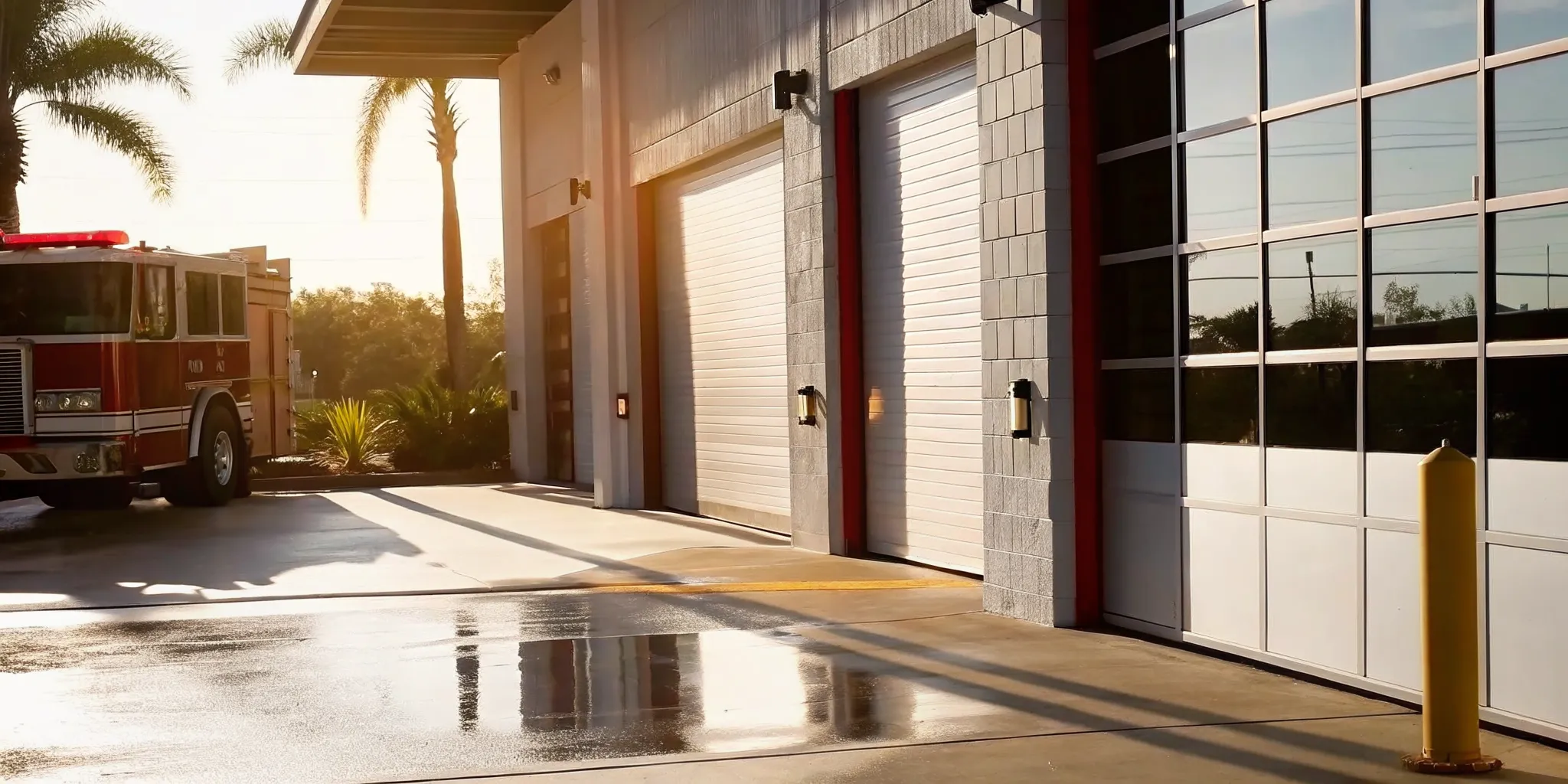
A single yellow warning tag from a local fire inspector can shut down an entire commercial property. This sudden notice often signals the start of a costly dispute with local code enforcement.
Call (833) 302-4567 now to resolve fire code violations before fines escalate.
Fire code violations Florida inspectors cite most often include blocked exits, expired fire extinguishers, missing sprinklers, and alarm system failures. These safety rules are part of the Florida Fire Prevention Code. It is updated every three years, with the eighth edition now in effect. Property owners must resolve these safety issues quickly to avoid stop work orders or a forced fire watch. Heavy daily fines can also range from two hundred and fifty dollars to one thousand dollars. Failing to fix these hazards can halt real estate deals and put professional licenses at risk. Professional remediation services help owners find the right fix, work with local officials, and quickly clear open cases.
Managing these rules can feel hard when you face tight local deadlines. To protect your investment and avoid severe fines, you need to understand the basic safety standards. The path begins with the core question: What Are Fire Code Violations in Florida?
Fire Code Violations Florida: What Are Fire Code Violations in Florida?
To keep properties safe, building owners must meet local and state fire safety rules. Many building owners face fire code violations Florida inspectors find during routine checks. When a property fails to meet these rules, the owner gets a violation notice. Local fire inspectors check buildings to make sure they meet the law.
The Florida Fire Prevention Code
Florida uses a single set of rules called the Florida Fire Prevention Code. The State Fire Marshal updates this code every three years, and the 8th Edition (2023) is now in effect. This code is based on the National Fire Protection Association Fire Code, also known as NFPA 1. These standards set the rules for fire safety in all business and multi-family structures.
Local towns and counties enforce the state code. Local inspectors look at buildings to find safety gaps. They can issue warnings or fines if a property does not comply. Building owners must know these rules to keep their buildings safe.
Common Fire Code Violations in Florida
Most fire code citations in Florida fall into two main groups. The first group covers safety systems, including expired extinguishers, missing fire sprinklers, and alarm failures. Under the second group, inspectors look at poor maintenance like blocked doors or bad wiring.
Keeping fire safety tools in good shape is a key part of the law. You must test alarms and sprinklers often. Extinguishers need new tags. When these systems fail, a building becomes unsafe, and inspectors will issue a warning right away.
A major issue is blocked exit paths. Florida law requires all exit doors and paths to stay clear. Under rules from the Centers for Disease Control and Prevention, obstruction of fire exits is strictly banned at all times. A blocked door or hallway can trap people during a fire.
How Fire Safety Violations Affect Property Owners
A fire code violation can cause major headaches for building owners. Cities can issue daily fines. In some cases, a fire marshal may issue a stop work order to halt all construction on the site.
These issues can also stall or kill real estate deals. If you want to sell a building, open fire safety issues will show up in searches. These cases are part of a broader group of building problems. You can learn more about resolving code enforcement fines to protect your property and clear your title.
Most Common Fire Code Violations in Florida Properties
| Violation Type | Typical Cause | Risk Level | Fixing the Issue |
|---|---|---|---|
| Blocked egress exit paths | Stored clutter in hallways or by doors | High | Clear the path within 24 hours |
| Expired fire extinguisher tags | No annual inspection or recharge | Medium | Replace or get a new inspection tag |
| Missing or blocked sprinkler heads | Storage placed too close to ceiling | High | Move items away and test the system |
| Alarm system failures | Dead backup batteries or old panels | High | Replace batteries or upgrade the system |
Blocked egress paths and corridors
Blocked egress is one of the most common fire code violations Florida building owners face. Facing these issues can lead to costly citations and local fees. We have a detailed guide on resolving code enforcement fines to help you handle this process.
State and federal codes say that any obstruction of fire exits is banned at all times. Building owners often block exits by mistake when they store gear in the wrong spots. Common items that cause issues include empty boxes, metal carts, steel racks, and tools.
Tripping hazards like power cords, hoses, and loose wood also limit path width. You must keep all halls, doors, and paths clear to make sure people can escape safely.
Decorations can also cause issues. Banning the use of highly flammable items or decorations in exits is a standard safety rule. Hanging large drapes or placing dried plants in a main hallway can feed a fire and block smoke paths. Keep these areas free of extra clutter to pass your next inspection.
Locked doors and exit design flaws
All exit doors must allow free and quick egress from the inside of the building. You are not allowed to use locks, chains, or heavy latches that prevent people from escaping. If a room is in use, the exit doors must open easily without a key or special tool.
This rule is a major part of the exit safety standards set by federal guidelines. Locking exit doors to stop theft is a common error that leads to heavy fines.
Exit design also plays a major role in fire safety rules. For example, you must have at least two exits if a fire could block one path. Also, exit doors must swing outward if more than 50 people use the room. The same rule applies to rooms where workers perform risky tasks.
Exit doors and paths must measure 28 inches or more in width. You also need a ceiling height of at least seven and a half feet. Finally, all exits must lead directly to an open space like a street or yard.
Fire safety equipment and system issues
Fire safety systems must stay in working order to protect lives and buildings. Inspectors often find issues with expired fire extinguishers or empty tank pressure. Each unit needs a current inspection tag and must hang in plain sight.
Missing or blocked water sprinkler heads also rank high on the violation list. If a stack of boxes blocks a sprinkler, it cannot do its job during a fire.
Alarm system failures also pose serious risks for business sites. Issues like dead backup batteries, broken smoke detectors, and old control panels will trigger a notice of violation.
Proper storage of flammable liquids is another area of concern. You must store fuel, paint, and oils in rated fire cabinets away from spark sources. Finally, fire lane parking violations can block fire trucks from reaching a burning building, which local teams ticket quickly.
How Are Fire Code Violations Enforced in Florida?
Enforcing fire safety rules involves state and local teams working together. The State Fire Marshal’s Bureau of Fire Prevention sets the rules. Local fire departments carry out the work in each county. They do this through routine checks of local commercial and residential buildings. These local agencies want to prevent fires and protect the lives of residents. When they find that a property needs building code violation remediation, they issue official notices to owners.
Role of local authorities
In Florida, local fire safety inspectors have broad powers to keep properties safe. They act as the local authority having jurisdiction, or AHJ. Under Florida Statute 633.202, these officials can set specific safety rules for their areas. For example, they decide the minimum radio signal strength needed for fire crew radios in high-rise buildings. This ensures that crews can talk to each other during a crisis.
Local officials inspect different kinds of buildings on a set schedule. They look at apartments, offices, and shops to find potential hazards. If they find any fire code violations Florida law forbids, they must document them. This detailed list of hazards becomes the basis for any future enforcement action.
Inspections and enforcement actions
When an inspector finds a safety issue, the formal enforcement process begins. Local fire departments and the State Fire Marshal’s office handle this work through regular checks. If they find a problem, they issue an official notice of violation to the owner. This is noted on the City of Tampa service page. This document lists the exact safety issues and the fire code rules they break.
Common issues that lead to warnings include blocked exits, old fire extinguishers, or broken alarm systems. If an owner does not fix the issues, the city can take further steps. They may issue daily fines or even order the property to be shut down. For severe hazards, cases can go before local boards that deal with unsafe structures and properties.
Compliance windows and reporting
Property owners are often given a short grace period to fix the violations. This window can range from a few days to a few weeks, depending on the risk level. For example, a blocked exit is a severe danger and must be cleared right away. On the other hand, a minor paperwork error might get a grace period of thirty days.
Citizens can also report safety hazards to keep their neighborhoods safe. Many Florida cities offer online forms where people can report active fire code violations Florida inspectors should look into. For example, the Tampa fire code violation portal allows residents to submit complaints about unsafe conditions. But for active fires or open burning violations, people must call 911 dispatch right away.
What Fines and Penalties Apply to Fire Code Violations in Florida?
Skipping fire safety rules in Florida can lead to heavy costs. Local fire and state teams check buildings for hazards, sending a formal warning if they find a risk. You must act fast to fix these problems. Waiting too long will trigger hard fines that hurt your bottom line.
Daily Fines and Financial Demands
The most direct cost for open fire code violations Florida site owners face is daily fines. Once a local office finds an issue, they set a deadline for repairs. If you miss this date, these fines start to pile up. These charges often run from $250 to $1,000 each day until you fix the threat.
Over a few weeks, a small mistake can turn into a massive debt. These liens attach to your land and can lead to foreclosure if they go unpaid. If you are dealing with these fines, you must learn about resolving code enforcement fines. Taking quick action is the only way to stop the cash drain and protect your equity.
Stop Work Orders and Real Estate Risks
For business sites and active builds, fire hazards can halt your work. Fire marshals can issue a stop work order on the spot if they see unsafe risks. This halts all work now, leaving your crew idle and your project behind schedule. Also, local offices like the City of Tampa handle code complaints that can trigger sudden site shutdowns.
Open fire safety issues can also destroy real estate deals. If a title search finds an open warning during closing, banks will refuse to fund the loan. Buyers will walk away from the deal rather than take on your local problems. To save your sale, you must resolve these issues before you list the building.
Business Closures and Legal Liability
Local towns can revoke your right to run your shop if you ignore safety orders. Plus, if a fire breaks out and you have blocked exits, you face immense legal liability. Federal safety checklists from the Centers for Disease Control and Prevention show how critical clear exit paths are. If you fail to keep exits clear, you could face criminal charges and major lawsuits.
Even if you avoid a fire, open codes will drive up your insurance rates. Carriers often drop plans or raise costs if they find active hazards. This adds a heavy monthly cost that drains your profits. Fixing these risks fast is the best way to keep your rates low and your doors open.
Facing fire code violation fines in Florida? Contact Violation Clinic to start the remediation process today and stop daily penalties from piling up.
Fire Code Requirements for Multifamily Properties
Radio Signals and Fire Signal Enhancers
Apartment buildings and condos must meet strict safety rules to avoid fire code violations Florida property owners face. Under Florida Statute 633.202, local safety officials have the power to check radio signal strength in high-rise buildings. Fire crews need strong signals to talk to each other during an emergency. To help with this, many buildings need special signal boosters.
Properties had to get permits for these signal boosters by the end of 2022. The law says they must have these boosters set up by the start of 2025. Many property owners do not know about this rule.
They only find out when they get a code violation notice. If your high-rise does not meet these terms, you could face big fines. You will need to hire a team to test your building. If the test fails, you must apply for a permit and install the signal system right away.
Hallways and Safe Exit Paths
Keeping exit paths clear is another big part of fire safety. In Florida, hallways in apartment buildings must stay open and free from clutter. An old rule once let residents keep trash bins in common hallways.
But that rule ended in 2021. Leaving trash bins or other items in a hallway is now a fast way to get a fire code violation.
There are also rules for exit door sizes and locks. Exit doors and paths must be at least 28 inches wide to allow for safe passage. Also, exit doors must never have locks or chains that stop people from escaping from the inside.
Doors must open easily without a key or special tool. If a safety inspector finds locked exit doors, they will issue a violation right away.
Alarm and Sprinkler Maintenance
Multifamily buildings also need working fire alarms and sprinkler systems. These systems must be checked and tested on a regular schedule. If a system fails, the building owner must fix it right away.
If you do not maintain these systems, local officials can fine you every day. These fines can add up fast and make it hard to sell or lease your property.
When you face fines or code issues, you must act fast. Knowing how to handle these citations can save you time and money. For detailed help on this topic, read our guide on resolving code enforcement fines. An expert can help you work with safety inspectors and clear your record before the fines grow.
How to Resolve Fire Code Violations in Florida
When you face citations for fire code violations Florida inspectors find, you must act quickly. You must fix the problems right away to avoid heavy fines or building closures. Standard safety rules, like those on the CDC fire safety guide, show that exits must stay clear to protect lives.
The Florida fire code clearance process
Resolving a notice involves a clear path. Local fire departments and the State Fire Marshal use regular inspections to find hazards. If they find issues, they issue a notice with a short timeline for repairs. Property owners can manage this process with the right steps.
- Understand the notice. Read the citation to find the exact safety codes you broke and check the deadline to fix them.
- Hire a specialist. Contact a firm like Violation Clinic that offers building code violation remediation to guide you through the process.
- Plan the repairs. Schedule qualified contractors to fix blocked exits, broken alarms, or expired extinguishers.
- Secure permits. Get the correct municipal permits before starting major repairs. Working without a permit can lead to a red tag. You can get a stop work order removal to keep your project moving.
- Get a re-inspection. Once the work is done, schedule an official visit with the local inspector to close the case.
Common challenges in fire code repairs
Correcting fire safety issues is rarely simple. Many owners struggle to find the right parts or licensed workers on short notice. Also, some systems need complex engineering plans before you can start the work. Choosing the wrong contractor can lead to poor repairs that fail the next safety check.
In many cases, the corrective work must be done by certified fire safety professionals. Making sure that everything aligns with the Florida Fire Prevention Code requires deep expertise. If the repairs do not meet code, the inspector will reject them, and the cycle of fines will continue.
This is where professional support becomes vital. Violation Clinic provides full project management to handle these hurdles on your behalf. We work with local teams to ensure every repair meets state standards. Our experts help you avoid costly delays and keep your building safe.
Why expert support matters
Dealing with city systems is a big challenge for property owners. Local fire departments enforce rules strictly, and a single mistake can lead to daily fines. Our team handles every step from the first notice to the final check. We talk to inspectors, get the right permits, and oversee the repairs.
This full service saves you time and stress. Whether you own a home, a shop, or a large apartment block, we can help. We protect your property from ongoing fines and help you clear your record with local officials.
Frequently Asked Questions
How can I report a fire code violation in Florida?
You can report safety hazards to your local fire rescue office or the State Fire Marshal. For example, the City of Tampa lets residents file a complaint online. If you see active open burning, call 9-1-1 for immediate help.
What are the daily fines for fire code violations in Florida?
Property owners with open fire code violations face heavy cash penalties. These daily fines often run from $250 to $1,000 until you fix the issue. Unresolved problems can also block real estate sales and ruin deals at closing. If you face active fines, expert building code violation remediation is the best path forward.
When do Florida multifamily properties need fire signal enhancers?
According to the Florida Apartment Association, multifamily buildings were required to obtain permits for signal enhancers by 2022. The final deadline for full installation is 2025. These boosters ensure emergency radio coverage within high-rise structures under Florida law. Failure to comply can lead to severe fines or building closures.
What is the minimum exit door width for Florida fire safety?
To prevent fire code violations, exit doors and escape paths must be at least 28 inches wide. This standard ensures occupants can escape quickly during an emergency. Also, buildings must have at least two exits if one path could become blocked. You can find more details in the CDC fire safety guidelines.
Ready to Resolve Your Florida Fire Code Violations?
Leaving active fire code violations on your Florida commercial property can trigger daily fines that put your business operations or rental income at risk. These municipal penalties quickly add up to thousands of dollars, making it vital to start the compliance and remediation process as soon as possible. Acting today stops the penalty timeline, starts building code violation remediation, and protects your commercial real estate investment from closure.
Ready to resolve your code issues? Call (833) 302-4567 to call Violation Clinic to resolve fire code violations. Our team of former building inspectors knows the local rules and is ready to help you stop the daily fines. We will work with the local fire marshal to clear your citations and keep your business running smoothly.