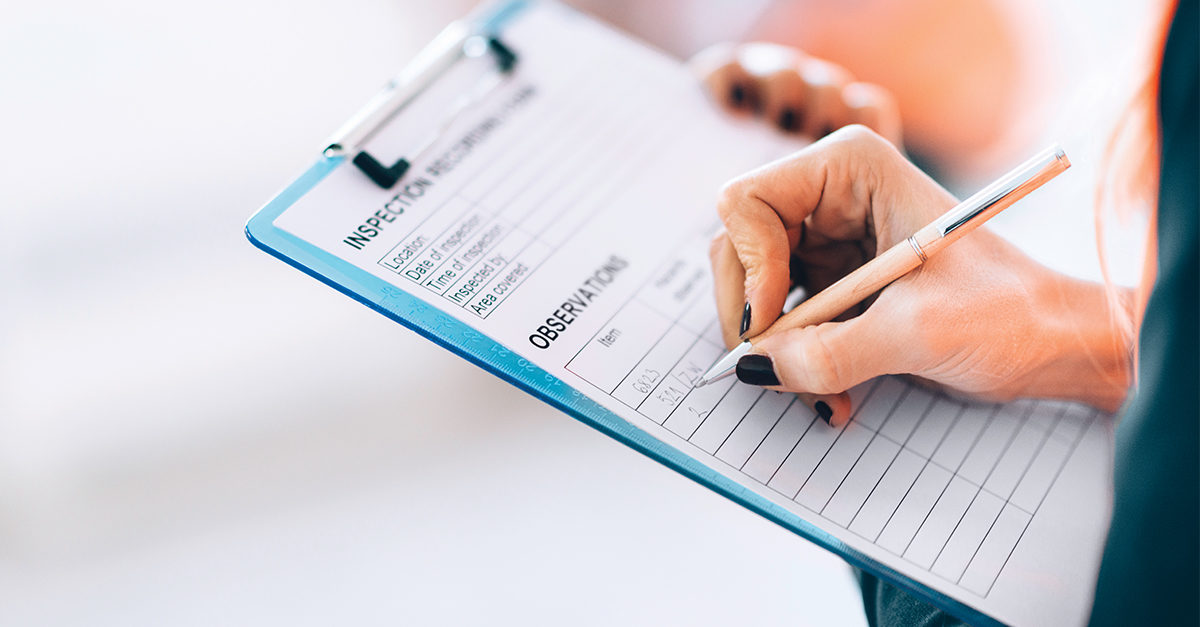
Keeping your Florida property in compliance with local building codes is crucial for safety, property value, and avoiding costly penalties. As we look ahead to 2025, it’s a good time to proactively review potential building violations related to permits. This checklist will help Florida property owners ensure they’re on the right track.
Why Focus on Building Violations and Permits?
Building codes and permit requirements are in place to protect public health and safety. Failing to obtain necessary permits or deviating from approved plans can lead to significant fines, mandatory corrections, and even legal issues. Staying informed and compliant is the best way to avoid these headaches.
Your 2025 Code Violation Checklist:
Go through this checklist carefully to assess your property and identify any potential areas of concern:
☐ Recent Construction or Renovations Without Permits:
- Have you completed any building, electrical, plumbing, HVAC, or structural work in the past year without obtaining the required permits? Remember that even seemingly small projects might require permits.
☐ Unpermitted Additions or Modifications:
- Have you added any rooms, garages, sheds, or made significant structural changes to your property without the necessary approvals?
☐ Expired Permits:
- If you have ongoing projects with open permits, check their expiration dates. Ensure you are working towards completion and necessary inspections before the permit expires.
☐ Work Not Matching Approved Plans:
- If you have active permits, is the work being done exactly according to the approved plans? Any deviations, even minor ones, should be discussed with your local building department.
☐ Failure to Schedule or Pass Inspections:
- Have you scheduled and passed all required inspections for completed permitted work? Failure to do so can result in violations.
☐ Unsafe or Non-Compliant Structures:
- Are there any structures on your property that appear unsafe, dilapidated, or not in compliance with current building codes (even if they were built many years ago)?
☐ Electrical or Plumbing Issues:
- Have you noticed any electrical or plumbing issues that might indicate unpermitted or substandard work? These can be major safety hazards.
☐ Changes in Occupancy or Use:
- Have you changed the way your property is being used (e.g., converting a single-family home into a multi-unit dwelling or a commercial space operating without proper zoning and building permits)?
☐ Lack of Required Safety Features:
- Are essential safety features like smoke detectors, carbon monoxide detectors, fire extinguishers, and proper egress (exits) in place and functioning according to code? This is especially important after any renovations.
What to Do If You Suspect a Violation:
If you answer “yes” to any of the questions above, it’s crucial to take action:
- Review Your Records: Gather any permits, plans, and inspection reports you have for your property.
- Contact Your Local Building Department: Reach out to your city or county building department. They can help you understand the specific requirements and any potential violations. Be prepared to provide details about your property and any work that has been done.
- Be Proactive: It’s always better to address potential issues voluntarily than to wait for a formal violation notice.
- Seek Professional Help: If necessary, consult with licensed contractors or architects to assess the situation and help you bring your property into compliance.
Staying Informed:
Building codes and permit requirements can change. Make it a habit to stay informed about any updates from your local government. Check their official websites and consider subscribing to newsletters or attending community meetings related to development and building regulations.
At ViolationClinic.com, we specialize in helping property owners navigate the recertification process smoothly. Whether you need assistance with inspections, violations, or compliance issues, our team is here to help. Don’t wait until it’s too late, take action today to protect your investment and ensure the safety of your building.
For more information or assistance, contact us at ViolationClinic.com!