When real estate investors, homeowners, and commercial property managers think about property value, they usually focus on location, square footage, and updated finishes. However, an unaddressed code compliance issue can quietly destroy market equity overnight.
An unresolved code issue acts as a dark mark on your title. It triggers financial penalties, complicates standard sales transactions, and scares away potential buyers or lenders. Understanding how open code issues impact real estate equity helps you protect your investment before minor oversights escalate into costly legal troubles.
The True Cost of Open Code Violations
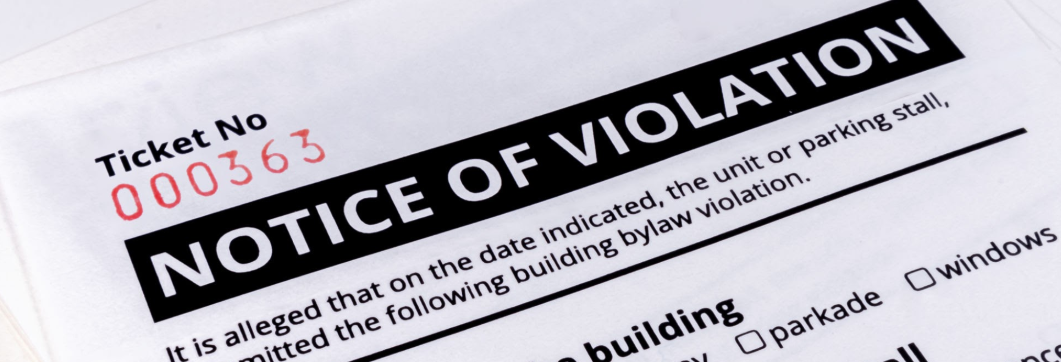
An open code violation is an official notice issued by local municipal enforcement officers when a structure fails to comply with regional safety standards, zoning ordinances, or building codes. These infractions attach directly to the land record, creating cloud titles and financial encumbrances.
Direct Financial Penalties and Escalating Fines
Municipalities do not treat non compliance lightly. Daily fines quickly accumulate into massive financial debts. For example, failing to comply with mandatory milestone inspections or ignoring building code updates leads to substantial penalties:
- Initial Non Compliance Penalties: Initial penalties often start at around $510 for missed milestones or simple maintenance failures.
- Escalating Fines: If left unresolved, municipal enforcement boards can impose daily penalties ranging up to $500 or $1,000 per day. In extreme cases, total accrued fines reach $10,000 or more.
- Code Enforcement Liens: Unpaid fines eventually convert into municipal liens recorded against your property deed. These liens must be cleared before any sale or refinancing can occur.
Title Clouds and Transaction Delays
Buyers rarely close on properties encumbered by active code cases. Title companies flag active municipal violations during standard title searches, preventing buyers from securing title insurance. Mortgage lenders routinely refuse funding for structures with unresolved safety concerns or missing permits. Consequently, property owners are forced to accept steep cash discounts or watch transactions fall apart at the closing table.
Common Reasons Property Owners Receive Code Violations
Understanding why municipalities issue citations allows you to catch issues early. Most code cases fall into a few primary categories.
1. Unpermitted Construction and Renovation
Adding a rear deck, converting a garage into living space, or re-roofing without proper permits is a major contributor to code infractions. When municipal inspectors discover work done without permits, they issue immediate compliance orders. Resolving this often requires hiring structural engineers, exposing covered work for inspection, or completely undoing completed updates.
2. Unsafe Structure Violations
When a building exhibits severe structural deterioration, exposed electrical wiring, or uncontained water damage, authorities issue Unsafe Structure Violations. These flags represent high liability and can lead to total property condemnation if structural repairs are not addressed immediately under engineering oversight.
3. Zoning Violations and Illegal Land Use
Running an unauthorized commercial enterprise out of a residential zone, constructing structures beyond allowable setbacks, or operating illegal multi family rentals trigger strict municipal citations. To resolve these, owners must adjust operations or seek formal variances through local zoning boards.
4. Neglected Property Maintenance
In many jurisdictions, curb appeal intersects directly with municipal law. Overgrown vegetation, structural deterioration, damaged roofs, broken windows, and decaying paint trigger neighborhood code enforcement actions. While less severe than structural failures, compounding aesthetic citations quickly lead to formal hearings.
5. Missed Mandatory Inspections and Recertification
In states like Florida, periodic structural and electrical evaluations are codified into state law under the Florida Building Code. Properties reaching specific age thresholds must undergo strict safety reviews. Neglecting these mandatory milestones guarantees heavy fines and aggressive municipal action.
Actionable Steps to Prevent Violations and Protect Market Value
Proactive compliance ensures your asset maintains its full market appeal and market value.
Obtain All Necessary Permits Upfront
Never perform major structural, plumbing, mechanical, or electrical work without submitting plans to your local building department. Working alongside licensed contractors guarantees that permits are pulled correctly and required field inspections are performed at each stage of construction.
Schedule Routine Professional Inspections
Do not wait for municipal code enforcement officers to point out flaws. Conduct routine structural and mechanical maintenance reviews annually. Identifying roof leaks, settlement cracks, or electrical panel overheating early keeps repair costs manageable and keeps municipal inspectors away.
Stay Informed on Florida Specific Regulations
Florida property owners navigate unique statutory requirements. For instance, landmark legislation mandates that aging commercial and residential multi-story buildings complete comprehensive structural safety evaluations. Staying ahead of these deadlines protects your asset from sudden administrative fines. Explore Violation Clinic’s Building Recertification Services to ensure your property meets every local and state requirement seamlessly.
Case Studies: Real World Resolution Scenarios
Case Study A: Resolving an Abrupt Work Stoppage
A commercial property developer in Miami received a sudden enforcement notice for expanded interior remodeling done without updated MEP permits. The city halted all construction activity immediately.
- The Problem: Total project delay, accruing daily fees, and threatened loan default.
- The Solution: The developer secured expert legal and administrative support for Stop Work Order Removal. Engineers submitted updated as-built drawings, arranged emergency field inspections, paid adjusted permit fees, and cleared the enforcement hold within 10 business days.
- Value Preserved: Prevented an estimated $45,000 in delayed tenant openings and thousands in daily fines.
Case Study B: Clearing Condemnation Threat via Formal Hearings
An investor purchased an old commercial warehouse with historical code issues, inheriting several unresolved structural notices from previous management.
- The Problem: The city scheduled a formal magistrate hearing to impose a $500 per day fine and issue a full condemnation warning.
- The Solution: The investor hired experienced advisors for Special Magistrate Representation. Counsel presented a clear remediation timeline backed by certified engineering plans. The magistrate agreed to pause fine accruals, granting time to complete repairs and secure official final sign offs.
- Value Preserved: Avoided over $30,000 in accrued fine judgments and restored marketability to the asset.
Case Study C: Navigating Complex Tenant Occupancy Approvals
A retail building underwent complete tenant improvements, but the owner struggled to obtain official clearance for final business operations due to open historical permits from a decade prior.
- The Problem: Tenants could not open for business, costing thousands in lost lease income while open historical permit records blocked municipal clearance.
- The Solution: Through targeted Certificate Of Occupancy Assistance, specialists audited historical permit files, arranged final field re-inspections, resolved outstanding engineering items, and secured final occupancy certification.
- Value Preserved: Unlocked rental income streams immediately and cleared legacy cloud titles on the property.
Related Posts and Resources
- Understanding Zoning Violations: What Property Owners Need to Know
- How to Work with Inspectors for Faster Compliance
- Common Building Code Violations and How to Resolve Them Quickly
Summary: Protecting Your Real Estate Assets
Unaddressed code infractions represent direct threats to property equity, overall market value, and transactional fluidness. From escalating fines to cloud titles, ignoring municipal warnings turns manageable repairs into catastrophic financial liabilities. By obtaining proper permits, staying atop mandatory building recertifications, maintaining physical grounds, and acting quickly when notices arrive, property owners safeguard their equity for the long term.
If you are dealing with active municipal citations, open permits, or formal magistrate hearings, seeking expert help immediately is crucial. Working with experienced compliance professionals ensures your property remains legally clear, physically sound, and fully valued.
At Violation Clinic, we specialize in helping property owners navigate the violation remediation process smoothly. Whether you need assistance with inspections, violations, or compliance issues, our team is here to help. Don’t wait until it’s too late, take action today to protect your investment and ensure the safety of your property.
For more information or assistance, contact us at (786) 885-2613 or ViolationClinic.com!