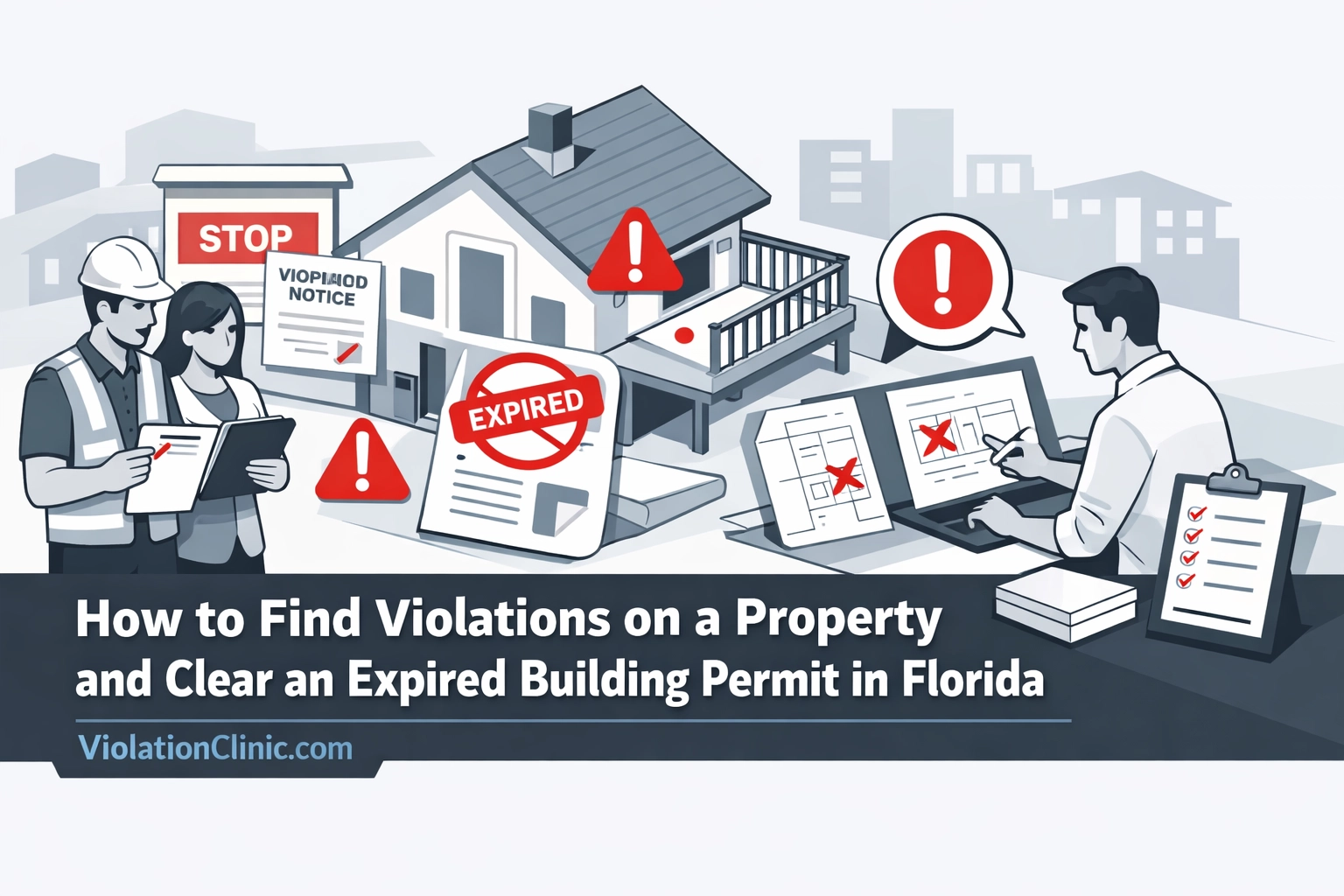
Owning property in the Sunshine State comes with a unique set of regulatory responsibilities: and failing to stay on top of them can quickly turn a dream investment into a financial nightmare. Whether you are a homeowner looking to renovate, a contractor starting a new project, or a real estate professional closing a deal, understanding how to find violations on a property is the first step toward protecting your investment. Building codes in Florida are among the strictest in the nation, and with the implementation of the Florida Building Code 2025, the complexity of staying compliant has only increased.
Unresolved issues, such as an expired building permit in Florida or a lingering stop work order in Florida, don't just disappear over time; they stay attached to the property's title, accumulating daily fines and potentially leading to a recorded lien. This guide provides a comprehensive roadmap for identifying these hidden liabilities and navigating the bureaucratic maze of local building departments to clear them for good.
The High Cost of Non-Compliance
In Florida, "ignorance of the law" is never a valid defense in front of a Special Magistrate or a Code Enforcement Board. If you inherit a property with illegal additions or start work without the proper paperwork, you face significant risks. The penalty for not pulling a permit in Florida is often much higher than the original permit cost: typically involving double or triple fees, mandatory structural engineering reports, and the potential requirement to tear down finished work so an inspector can see "behind the drywall."
Beyond the immediate financial sting, ignoring these issues leads to more severe consequences. When people ask what happens if you ignore code enforcement, the answer ranges from daily accruing fines (which can reach $250 to $1,000 per day) to the property being declared a "nuisance" or receiving an unsafe structure notice. Once a property is officially "red tagged," it may become uninsurable and unmarketable.
How to Find Violations on a Property: A Step-by-Step Guide
Before purchasing a home or starting a renovation, you must perform due diligence. Violations are not always visible to the naked eye; they are often buried in municipal databases.
1. Utilize Local Search Portals
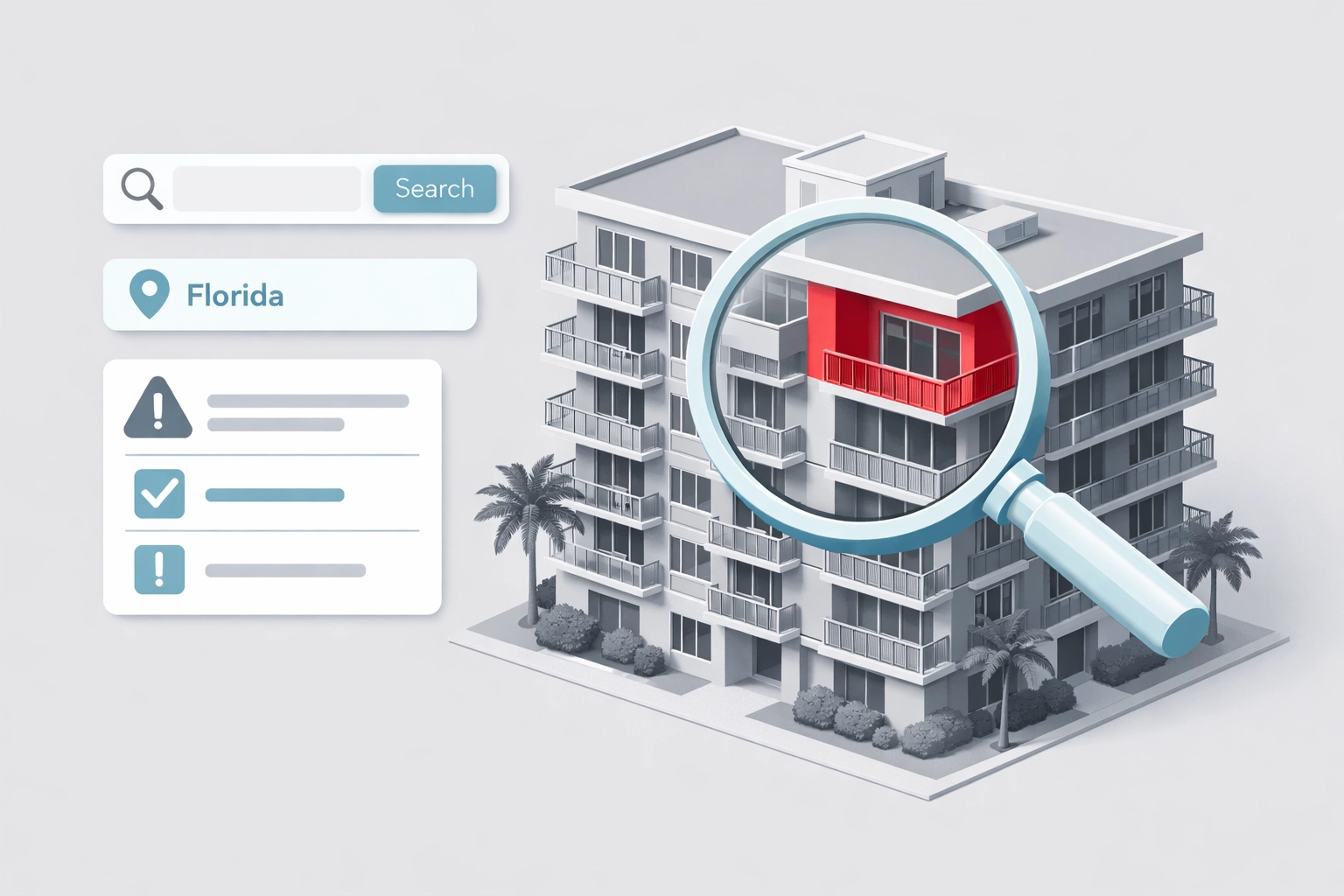
Most Florida counties and municipalities maintain online searchable databases. You can typically search by property address, owner name, or folio/parcel number. These portals will show "Open" or "Active" cases.
- For South Florida projects, check the Miami-Dade Building Code Violations portal or the Broward Building Code Violations search page.
- Central Florida residents should look at Orange County Building Code Violations or Hillsborough County Building Code Violations.
2. Check for Liens and Public Records
Not all violations appear on the building department's main page. Some may have progressed to a legal lien. A title search or a search of the County Clerk’s public records is essential to see if a violation has been "recorded."
3. Review Permit History
A "clean" violation report doesn't mean the property is in the clear. You must also check the permit history. Look for any permit that was "Issued" but never "Closed" or "Finaled." These are "zombie permits" that can haunt a property for decades.
Understanding the "Red Tag" and Stop Work Orders
If an inspector visits a site and finds work being performed without a permit, or work that is dangerously sub-standard, they will issue a stop work order in Florida. This is often accompanied by a physical notice posted on the building: frequently referred to as a red tagged building.
A red tag is a legal command to cease all activity immediately. If you continue working after a stop work order has been issued, you are subject to arrest or massive administrative penalties. Resolving a red tag involves:
- Stopping all construction immediately.
- Hiring a licensed professional to survey the work.
- Applying for an "After-the-Fact" permit.
- Paying the required penalties and compliance fees.
The Challenge of the Expired Building Permit in Florida
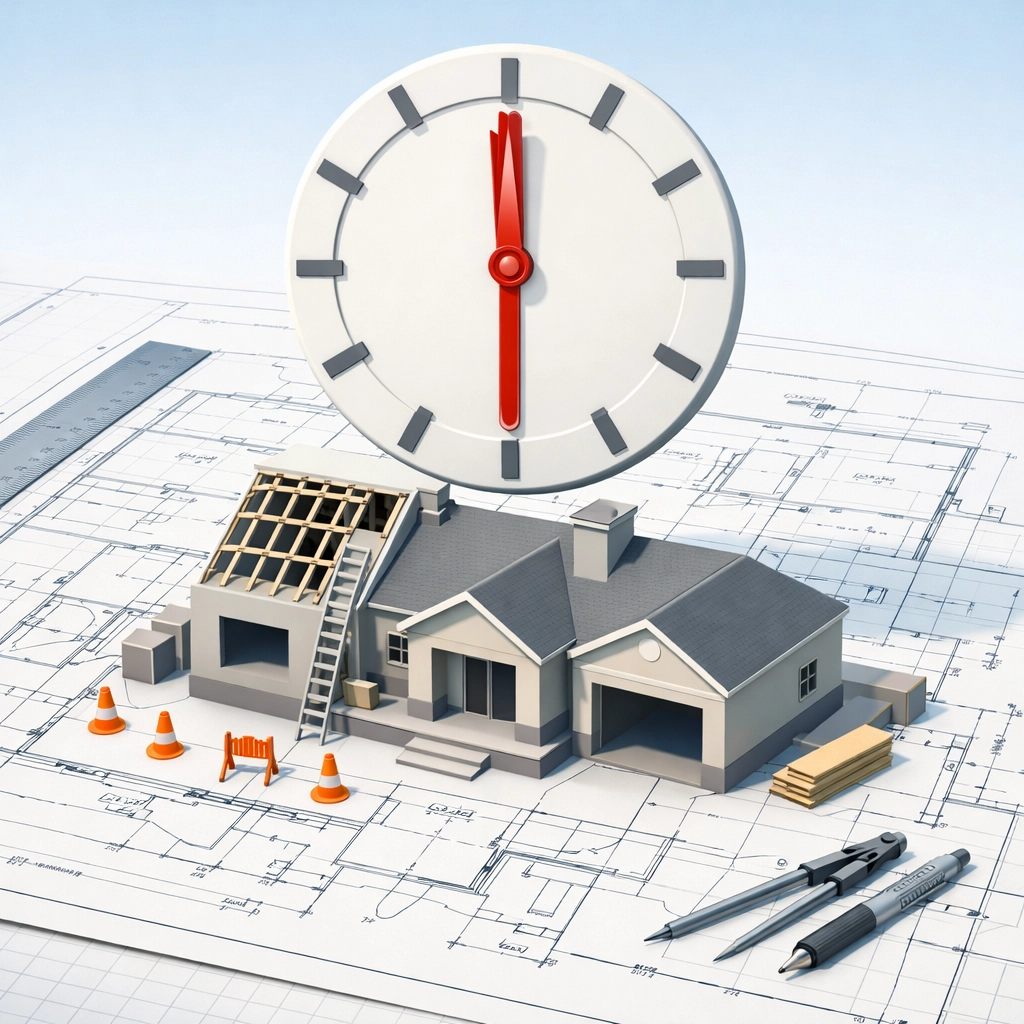
An expired building permit in Florida is one of the most common title defects found during real estate transactions. Most permits are valid for 180 days from the date of issuance or from the date of the last successful inspection. If no inspection is called in within that timeframe, the permit expires.
Why Expired Permits are Dangerous
An expired permit means the city has no record that the work was ever completed safely or according to code. This creates a "cloud" on the title. If you try to sell the property, the buyer's lender will likely refuse to fund the loan until the permit is cleared. Furthermore, if you need to pull a new permit for a different project, many jurisdictions, like Palm Beach County, will block your new application until all old, expired permits are resolved.
The Florida Building Code 2025 Impact
The transition to the Florida Building Code 2025 complicates the clearing of old permits. If a permit expired years ago, the building department may require you to bring the entire system (electrical, plumbing, or structural) up to the current 2025 standards rather than the code that was in place when the work started. This can add thousands of dollars to the cost of "simply closing out" an old permit.
What is a Compliance Fee?
When dealing with code enforcement, you will inevitably encounter the term compliance fee. Many property owners mistake this for a simple fine, but it is actually an administrative charge.
A compliance fee is a fee charged by the municipality to cover the costs of the code enforcement officer's time, the administrative processing of the violation, and the follow-up inspections required to confirm that the violation has been corrected. Even if you fix the physical issue on the property, the case remains open until the compliance fee is paid and the "Order of Compliance" is recorded.
Dealing with an Unsafe Structure Notice
The most severe notice a property owner can receive is an unsafe structure notice. This typically happens when a building has been neglected, damaged by a storm, or modified so poorly that it poses a risk to the public or the occupants.
In these cases, the local Unsafe Structures Board will set a strict timeline. You must either:
- Secure a permit to repair the structure to current standards.
- Demolish the structure entirely.
- Vacate the premises if the building is deemed "unfit for human habitation."
Failure to act on an unsafe structure notice can lead to the city hiring a contractor to demolish the building at your expense, placing a high-priority lien on the land that can eventually lead to foreclosure.
How to Clear an Expired Permit: The Resolution Process
Clearing a violation or an expired permit is a technical process that requires coordination between the building department, engineers, and contractors.
- Status Verification: Determine exactly why the permit expired. Was it a missed final inspection? Or did the contractor abandon the job halfway through?
- Professional Assessment: Contact a firm like Violation Clinic to perform a site visit. We determine if the work performed matches the original plans.
- Permit Reactivation or Re-issuance: You must apply to reactivate the permit. If the permit is very old, you may need to file a new permit application under the Florida Building Code 2025.
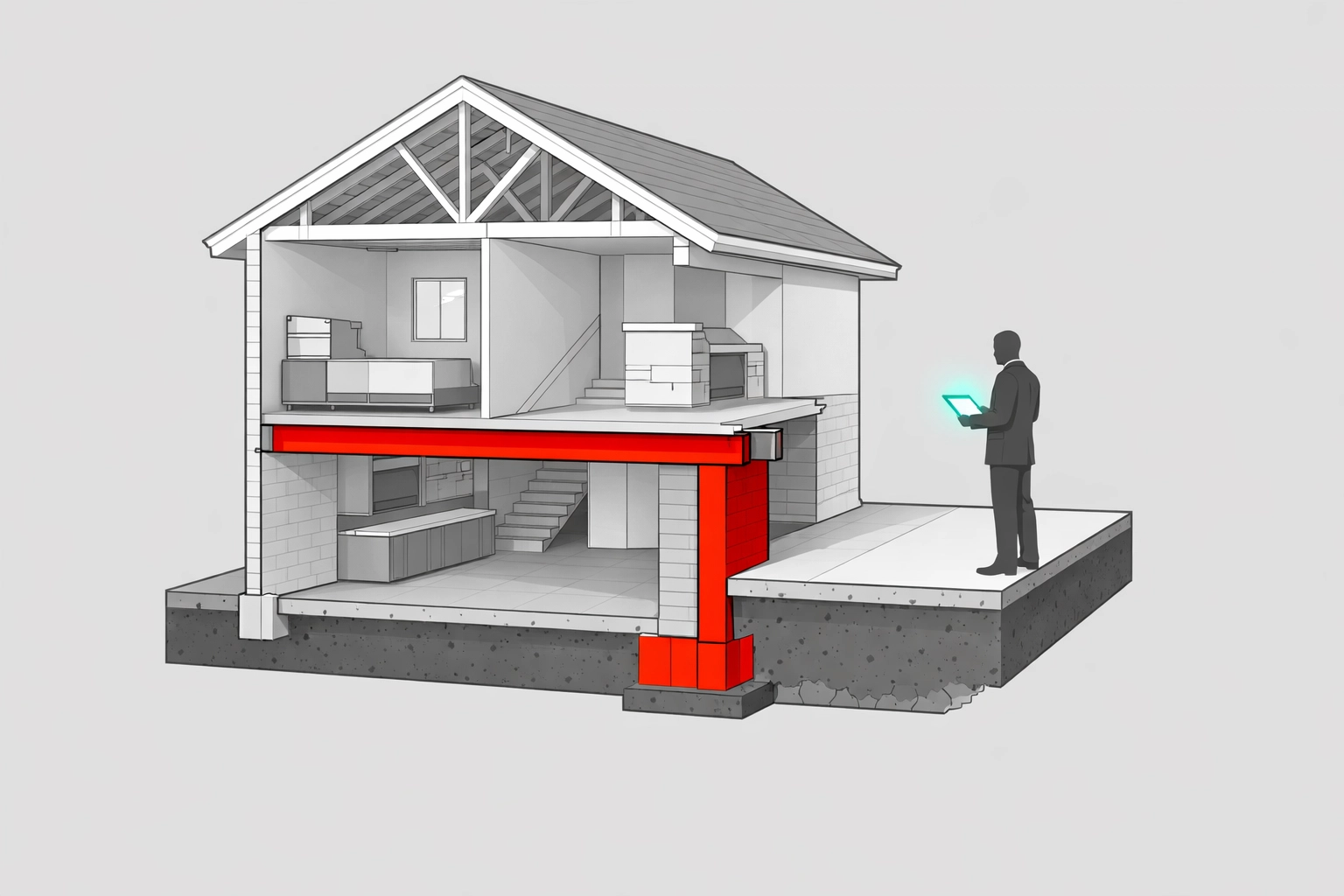
- Engineering Affidavits: In cases where walls are already closed, you may need an engineer to perform "destructive testing" or use specialized equipment to verify that the underlying structure meets code.
- Final Inspections: Schedule the necessary inspections with the city.
- Fine Mitigation: If the violation has accrued thousands of dollars in fines, you can often petition the Code Enforcement Board for a "Fine Mitigation" hearing to reduce the total amount owed, provided the violation is now corrected.
Protecting Your Property with Professional Help
The bureaucracy of Florida building departments can be overwhelming. Each municipality, from Orlando to Boca Raton, has its own set of local ordinances and "fee schedules" that dictate how violations are handled.
Navigating this alone often leads to wasted time and repeated rejections from plan reviewers. Working with a compliance specialist ensures that you are taking the most direct path to a "Certificate of Occupancy" or a "Certificate of Completion."
Code enforcement and compliance requirements may vary by jurisdiction. Always verify with local authorities or consult a licensed Florida compliance specialist.
Summary of Key Takeaways
- Don't wait: Fines for violations and expired permits accrue daily.
- Search early: Use local municipal portals to check for open cases before buying or starting work.
- Understand the Code: The Florida Building Code 2025 sets the new standard for all current compliance efforts.
- Pay the Fees: A violation isn't "gone" until all compliance fees are paid and the case is officially closed in the city’s system.
If you are currently facing a stop work order in Florida, dealing with a red tagged building, or trying to clear an expired building permit in Florida, professional assistance is your best defense against mounting fines and legal headaches. Violation Clinic specializes in helping Florida property owners navigate the complex path from non-compliance to total peace of mind.
For more information on how to resolve your specific code issues, visit Violation Clinic or contact our team of experts today. Whether you need help with Miami-Dade building code violations or Lee County building code violations, we have the expertise to get your project back on track.