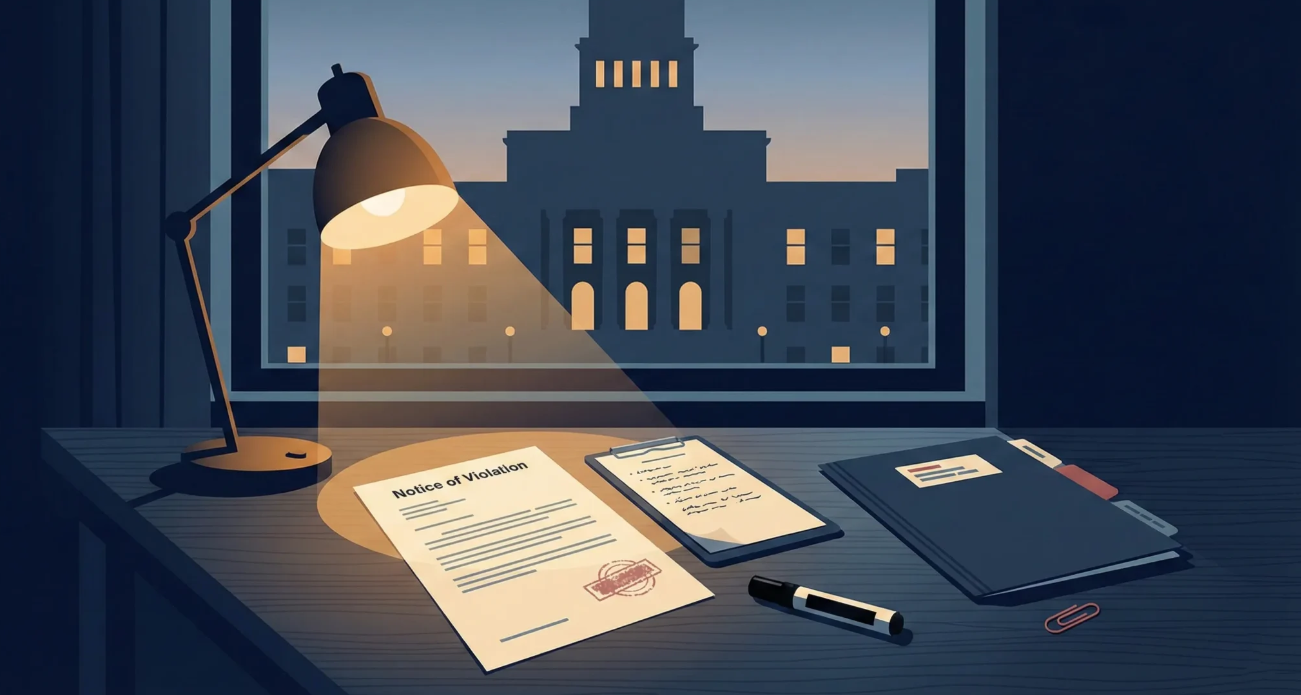
Receiving a notice of a building code violation can instantly trigger stress for any property owner. Whether you manage a commercial facility or own a residential property, a code violation notice is not something you can afford to ignore. Fines can accumulate daily, and unresolved issues can lead to severe legal complications, property liens, or even forced closures.
Resolving these issues quickly requires a clear understanding of why violations happen, how local regulations operate, and what concrete steps you need to take to clear your record. By acting decisively and utilizing professional building code violation remediation, you can stop escalating fines and protect your real estate investment.
Why Property Owners Get Hit with Code Violations and Fines
Code enforcement exists to ensure public safety, structural integrity, and community standards. Most violations stem from oversight, missing paperwork, or delayed property upkeep rather than intentional non-compliance. Understanding these common triggers can help you identify where your property might be vulnerable.
1. Unpermitted Construction and Alterations
One of the most frequent causes of heavy fines is performing structural, electrical, mechanical, or plumbing work without securing the proper permits first. Adding an unpermitted deck, remodeling a commercial interior, or replacing an HVAC system without a paper trail automatically flags your property for a violation.
2. Zoning and Land Use Violations
Zoning codes dictate how a property can be utilized based on its location. Operating a commercial business out of a strictly residential zone, violating property setback requirements, or installing unauthorized commercial signage can quickly attract the attention of code enforcement officers. You can learn more about navigating these complex boundaries by reading our comprehensive guide on zoning violations.
3. Neglected Property Maintenance
Code enforcement looks closely at the exterior health of a building. Peeling paint, damaged roofs, broken windows, overgrown vegetation, and accumulated debris are highly visible issues that often trigger neighbor complaints and subsequent city investigations.
4. Unsafe Conditions and Fire Hazards
Properties must maintain basic safety systems. Blocked fire exits, malfunctioning fire alarms, exposed electrical wiring, or structurally compromised balconies pose immediate risks to occupants. Local municipalities treat these life-safety issues with the highest urgency, often issuing immediate citations with zero grace periods.
5. Missed Mandatory Inspections
Many property owners simply forget that certain inspections are legally required on a cyclical basis. Failing to schedule these mandatory reviews on time results in automated violation notices and heavy financial penalties.
The Clock is Ticking: The High Cost of Non-Compliance in Florida
In Florida, building code compliance is tied directly to public safety, especially given the state’s exposure to severe weather and hurricanes. Because of this, Florida municipalities enforce some of the strictest compliance timelines and costliest penalty structures in the country.
Consider the mandatory building milestone inspections and structural recertifications required under Florida law. If a property owner misses the deadline for a required recertification, the financial fallout can be devastating.
Critical Compliance Note: Initial fines for failing to complete a required building recertification often start at $510. However, if the property owner continues to ignore the compliance window, these penalties can escalate dramatically, up to $10,000 or more, alongside the potential loss of the building’s occupancy permit.
If your property is approaching its milestone year, acting early is the only way to safeguard your finances. You can explore the exact requirements and schedule your compliance review directly through our dedicated Building Recertification and Services page.
Real-World Example: Resolving an Escalating Code Violation
To see how quickly these situations can get out of hand, let’s look at a recent case involving a commercial property owner in South Florida.
The owner hired an uncertified contractor to update the building’s electrical panels and exterior lighting without pulling the necessary municipal permits. A code enforcement officer noticed the work truck and issued a formal citation for unpermitted construction. Because the owner was out of town, the notice sat unopened for three weeks. By the time the owner returned, the city had initiated daily fines of $250, totaling thousands of dollars in accrued penalties.
How the Issue Was Resolved Fast
Instead of panicking or attempting to argue with the local building department, the owner took an organized approach:
- Immediate Stop-Work: They halted all remaining cosmetic work on the site to show good faith.
- As-Built Permitting: They hired a licensed electrical engineer to survey the completed work, draft official plans, and submit an “as-built” permit application to the city.
- Professional Mitigation: They partnered with a compliance expert to request a formal mitigation hearing, demonstrating that the property was actively moving toward total compliance.
Because the owner took rapid, professional action to correct the underlying structural issues, the building department approved the permits, signed off on the final inspection, and agreed to reduce the accrued fines by 85%, saving the owner thousands of dollars.
Actionable Steps to Resolve and Prevent Code Violations
If you have already received a violation notice, or if you want to ensure your property remains entirely bulletproof against future citations, implement these best practices immediately.
1. Always Obtain Necessary Permits Before Work Begins
Never rely on a contractor who suggests skipping the permitting process to save time or money. Under Chapter 1 of the Florida Building Code, most construction, alteration, repair, or demolition work requires an official permit. Ensure your contractor pulls the permits under their license before a single tool touches your property.
2. Establish a Rigorous Inspection Schedule
Do not wait for a city official to find a flaw in your building. Work with licensed professionals to conduct regular checkups on your structural components, roofing, and mechanical systems. For a complete breakdown of what to look for during a self-audit, review our essential code compliance tips.
3. Maintain Property Aesthetics and Basic Safety
Keep the exterior of your property clean, well-painted, and structurally sound. Ensure that all walkways are clear of debris, exterior lighting is fully functional, and landscape growth is kept far away from power lines and structural walls. This reduces the likelihood of citizen complaints, which are the source of most code enforcement visits.
4. Prioritize Critical Structural and Utility Systems
Your electrical, plumbing, and HVAC systems should always be serviced by licensed, insured professionals. Keep detailed records of all maintenance work, receipts, and professional certifications in an organized digital file. If an enforcement officer ever questions the integrity of your systems, having an immediate paper trail can resolve the inquiry on the spot.
5. Partner with Local Compliance Experts
Building codes are constantly updating at both the state and municipal levels. Navigating the paperwork, scheduling the right inspectors, and communicating with code enforcement boards can be incredibly time-consuming if you try to handle it alone. Partnering with a specialized team allows you to fast-track your paperwork and resolve open violations efficiently. Discover how an expert eye can protect your property by reading our detailed breakdown of professional inspections.
Related Resources
- How to Work with Contractors to Correct Code Issues
- Permits for Commercial Build-Outs: What You Need
- Florida Building Code Compliance: Navigating Violations, Permits, and Recertification in 2025
Conclusion
Resolving a building code violation quickly comes down to two things: swift action and professional accuracy. Ignoring a notice will only cause fines to stack up day after day, potentially threatening your ownership of the property. The moment a citation arrives, review the specific code violation, halt any unpermitted work, and begin the process of correcting the issue through official municipal channels.
At ViolationClinic.com, we specialize in helping property owners navigate the recertification process smoothly. Whether you need assistance with inspections, violations, or compliance issues, our team is here to help. Don’t wait until it’s too late, take action today to protect your investment and ensure the safety of your building.
For more information or assistance, contact us at ViolationClinic.com!