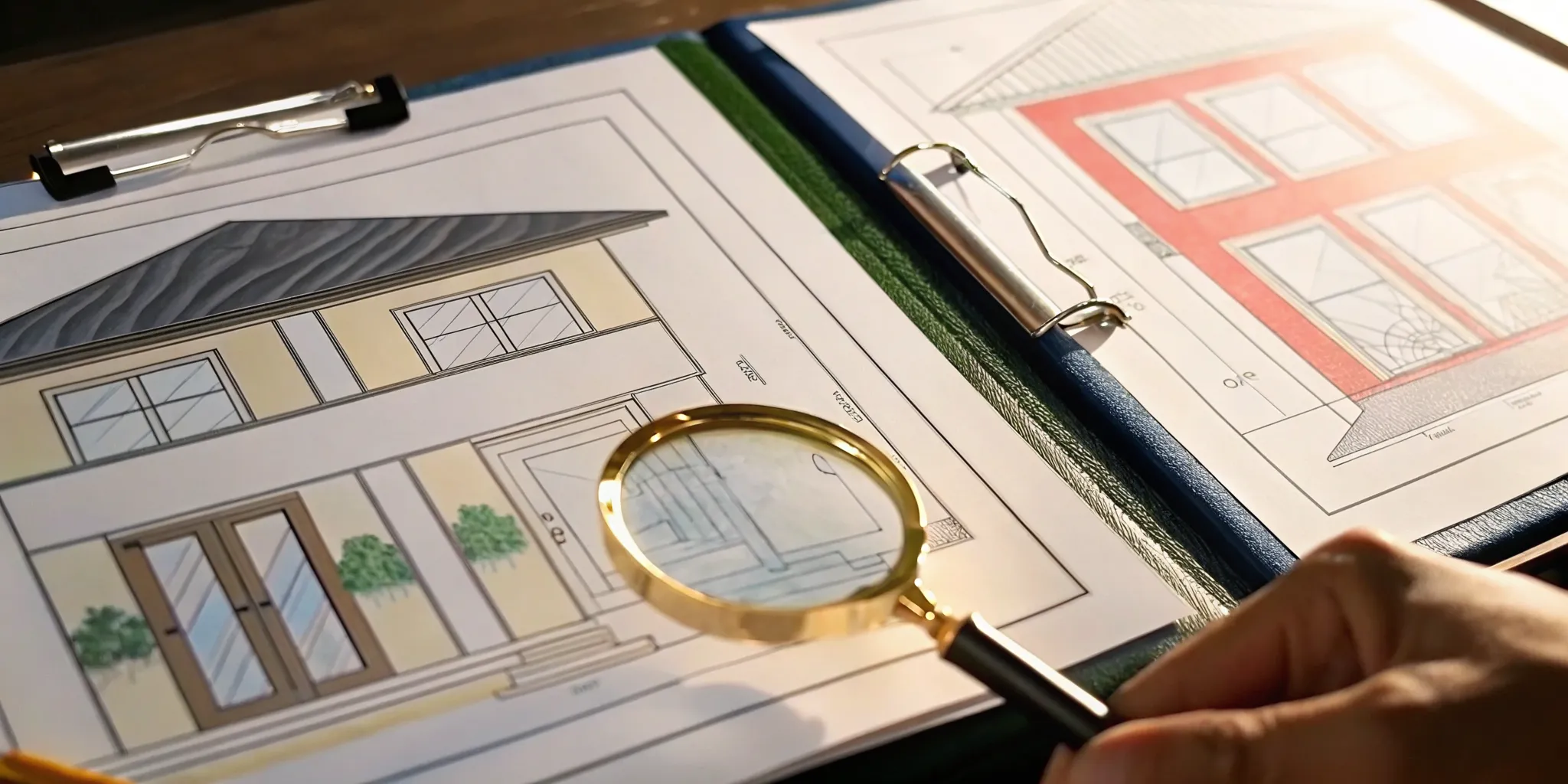
A. A. A. A. Florida property owners often discover that unresolved open permits Florida municipalities maintain can suddenly jeopardize a home sale. This typically happens when a contractor completes physical construction but fails to coordinate the final inspection with the local building department. Ignoring these unresolved building files can lead to active code compliance violations, daily fines, and complex title defects.
Open permits in Florida are active building department records that remain unresolved in a municipality’s system because they never received a final inspection or official sign-off. Unlike expired permits, which have lapsed due to inactivity or the passage of time, an open permit represents a legally issued permit that was never formally closed. According to the compliance experts at Violation Clinic, resolving these open records typically requires coordinating a final municipal inspection or obtaining a signed safety letter from a licensed engineer. Promptly clearing these active files is essential for maintaining a clean title, facilitating property sales, and preventing municipal code enforcement fines.
Many owners think that a permit closes on its own once the crew leaves the site. But the legal duty for the final sign-off rests with you and the building department. To fix these problems, you must first understand the legal status of an open permit.
Open Permits Florida: Understanding the Basics
An open permit is an active file in a local city office. When you start a big home project, you must get a permit. This paper gives you the right to build. Once the city gives it to you, the file stays open in their system. It stays this way until a final check is done. In Florida, open records on the City of Miami Beach Building Violations Portal show that a project is not yet done. The building office is waiting for proof the work is safe and follows all rules.
How a permit stays active
A permit stays open as long as the work is not yet finished. To close it, you must pass a final check from a city worker. This person visits your home to look at the work. They check many parts of the job to ensure they meet the code, such as:
- Electrical wiring and outlets .
- Plumbing pipes and fixtures .
- Structural beams and walls .
- Roofing and water seals .
If the work is good, they sign off. The city then issues a paper to close the file. If you forget this check, the permit stays open. Even if the work was done years ago, the file stays active. Many owners do not know they have these open files until they try to sell.
You can use online tools to see your records. Many cities in our state use a site called Civic Access to track these files. This site lets you see if any work on your home was never signed off. If you find one, you should act fast. An open file means the city does not know if your home is safe. This can lead to big risks for you and your family.
Why open permits matter for home sales
Open permits can be a big block when you want to sell or buy a home. During a sale, a team will check the public records. They look for any issues that could change the value or safety of the house. If they find an open permit, it can stall the whole deal. Most banks will not give a loan for a home with active building issues. The buyer might ask you to close the permit before they sign the deal. This can take weeks or even months if you do not have help.
Closing these files is a key part of what we do. At Violation Clinic, our team has former city staff who know the system well. We offer expert expired permit resolution to help you get through the red tape. We can find the old files, set up the checks, and make sure the city closes them for good. This helps you protect your asset and avoid losing a sale at the last minute.
Open and old permits
It is vital to know the difference between an open permit and one that has run out. An open permit is a project that is still in the system. An expired permit is one that has passed its end date. In Florida, most permits last for six months. Both states cause trouble for owners. An old file can lead to fines and legal woes. You might even get a stop work order if you build on an old permit.
Our goal is to make the process easy for you. We handle the forms and talk to the city so you do not have to. Whether your permit is open or has run out of time, we can fix it. We work fast to stop daily fines and clear your title. Do not let an old permit ruin your plans. Call us today for a free talk.
What is an Expired Permit and How Does It Happen?
An expired permit is a building permit that is no longer valid. In Florida, the building department gives permits with a set life span. If you do not finish the work or pass the final inspection in time, the permit dies. This creates a big problem for owners. It can stop a home sale or lead to large fines. Finding expired permit resolution help is the first step to fix the issue.
The 180 day inactivity rule
Most permits in Florida stay active as long as the work moves forward. The law often follows a 180-day clock. If no work happens or no inspection is called for 180 days, the permit expires. This rule keeps building sites from sitting idle for too long. You can check your status on a public records portal to see if your project is still in good standing. Even one missed inspection can start this timer.
How a permit becomes null and void
When a permit hits the end date without a final sign-off, it becomes null and void. This means the legal right to build has vanished. You cannot just pick up where you left off. Instead, you may need to apply for a new permit or pay fees to renew the old one. Working on a site with red-tagged construction in Florida is a risk you should not take. The city can issue a stop-work order if they find you building without a live permit.
Common causes of permit expiration
Many things can lead to an expired permit. Often, a contractor finishes the work but forgets to call for the final inspection. The owner thinks the job is done, but the city records stay open. Other times, money issues or a change in plans stops the work midway. There are many common causes of stop work orders, and an old permit is a top reason. Keeping track of your paperwork is the best way to avoid these problems.
Key Differences: Open Permits vs Expired Permits
Home owners in Florida often mix up the terms open permit and expired permit. Both mean the city does not see the work as done. But they show different steps in the build. Knowing these terms helps you avoid fees and law issues when you sell your home. You can find more facts on open permits in Florida to see how they affect your home value.
Status and Project Life Cycle
An open permit is one the city gave out but did not close yet. It shows the work is in progress or the final check is not done. A permit stays open as long as you pass one check every 180 days. This 180-day limitation is outlined in Section 105.4 of the Florida Building Code and matches the statutory authority found in Florida Statute 553.79, which regulates construction permits and inspections statewide.
An expired permit is an open permit that is no longer valid. This happens when work stops for more than six months or if you miss a check. Once it dies, you cannot keep doing the work. You must often pay new fees or ask for a new permit to finish. If you have this issue, you might need building permit expediting in Miami to help speed up the process.
How Permits Die
Permits die due to a lack of work. In most Florida cities, a permit lasts for 180 days from the day it starts or from the last passed check. If 180 days pass with no “pass” from a city inspector, the system marks it as dead. Just asking for a check is not enough. The work must move forward to keep it live. Some owners forget to ask for a final check when work ends. This leads to a dead permit years later.
Risks and How to Fix Them
Fixing an open permit is often easy. You just finish the work and pass a final check. Fixing a dead permit is harder. You may need a pro to check the work or pay double the fees as a fine. Both types show up in a title search. This can stop a home sale. It can also stop you from getting a new permit for a new task. If you are not sure what to do, you can contact us to check your records.
| Feature | Open Permit | Expired Permit |
|---|---|---|
| Current Status . | Active and good for work . | Old and not valid . |
| Cause . | Work is going on now . | No passed check for 180 days . |
| Work Rights . | Allowed to keep building . | Must stop work right away . |
| How to Fix . | Pass final inspection . | Renew permit and pay fees . |
Can You Sell a House with an Open Permit in Florida?
You can sell a house with open permits in Florida, but it is not easy. Most home buyers will not close on a home that has active building issues. When a permit stays open, it means the city did not do a final check on the work. This creates big risks for the person buying the house. These risks often stop a deal from moving forward until the owner finds a way to fix open permits before the closing date.
How title searches block a sale
Most Florida real estate deals use a title search and a lien search. These checks look for any problems with the home. An open permit will show up in these reports. If the search finds an open permit, the title company may refuse to give clear title. This is a big issue because a bank will not give a loan without clear title. A buyer may love the house, but they cannot get the money to buy it if the city has not signed off on past work. You can find more about how cities track these issues on the Miami Beach building portal or other local sites.
Real estate agents also watch for these red flags early in the process. They know that a permit left open for years can lead to fines. If you want to sell fast, you must verify whether your property has any open permit files before listing it for sale. Finding them early lets you call a pro to help you close the files. This keeps the sale on track and helps you avoid stress at the last minute.
Risks for the home buyer
Buyers fear open permits because they inherit the problem. Once the deed transfers, the new owner is responsible for the old work. If the city finds that a past roof or deck project was not safe, the new owner must pay to fix it. This could cost many thousands of dollars in repairs and city fees. Some towns also charge daily fines if a permit sits open too long. These fines can add up to large amounts of money. Because of this, most buyers will ask the seller to close all permits as a condition of the sale.
Insurance companies may also refuse to cover the home. Many Florida providers want to see that all major work had a final inspection. If they find an open permit for power or plumbing work, they might cancel the policy. This puts the buyer at risk of losing their coverage. To avoid these traps, many owners look for expired permit resolution help. Getting an expert to talk to the building department is the best way to clear the home’s record.
What is the New Florida Law for Permits?
Florida recently enacted legislative changes to help property owners resolve open and expired permit records. These changes came mostly from House Bill 447, which became law in 2019. The bill updated many parts of the Florida Statutes. Its goal was to make closing out old permits easier for land owners. Before this law, an old permit could stay open on a title search for a very long time. This often happened even if the work was done right. Now, there are clear paths to fix these issues without starting over from the very first step.
Streamlining Permit Closeouts with HB 447
House Bill 447 (2019) amended Florida Statute 553.79 to provide a more structured path for resolving open or expired building permits in Florida. Under F.S. 553.79(15) and (16), local building departments cannot withhold new building permits solely because of an unresolved, open permit from a previous owner, subject to specific safety exceptions. Furthermore, if a permit has been open or expired for more than six years. The local enforcement agency may close it out, provided there are no pending code enforcement actions, safety hazards, or health risks. This change offers significant relief for property owners, though it requires careful coordination with municipal offices to ensure compliance.
The statutory changes also restrict local governments from charging excessive fees or requiring complete permit restarts for extremely old files, provided safety standards are met. Typically, any required inspection is evaluated based on the building code in effect at the time the permit was originally issued. Rather than forcing retroactive compliance with newer, more stringent codes, unless a serious life-safety hazard is identified. This distinction is crucial, as it prevents owners from having to perform costly, unnecessary demolition on historically compliant work.
Private Provider Checks Under F.S. 553.791
Another key part of the law is Florida Statute 553.791, which covers private providers. This law lets you hire your own firm to handle plan reviews and checks. You do not have to wait for a city staff member to show up at your door. Private firms are often faster and can work when you are home. This helps keep jobs on track. It also prevents new projects from lingering as unresolved open permits that owners must address down the road. Most private providers are licensed engineers who work for you to solve code problems before the final sign-off.
County Authority and Florida Statute 125.56
The state sets the main rules, but Florida Statute 125.56 gives counties the power to back these codes. Each county must follow the state law but can have its own local rules for how they take files. It is vital to know both the state law and your local county rules. This makes sure you do not miss a step that could lead to a fine or a stop-work order. Knowing your rights under the new law will help you talk to the city. It gives you the tools to get the results you need and protect your land.
How to Find and Resolve Open or Expired Permits
Property owners across South Florida often encounter significant hurdles when dealing with open or expired building permits when trying to sell or get a loan. An open permit means a project started but the city never signed off on the final work. These records stay in the system and can cause major legal delays. If a permit stays open too long, it becomes expired. Finding these records early is the best way to protect your home and avoid daily fines or title issues.
Finding Open Permits in Florida
Most cities in South Florida provide online tools to check for property issues. You can use official public records portals to view open violations and expired permits directly from your computer. For example, Miami-Dade and Broward counties use the Civic Access portal to track permit status. You just need to search by your home address or folio number to see which checks the city still needs to sign off on.
The Resolution Process
Fixing an old permit requires a clear plan and help from the building department. You must follow specific rules to close expired building permits without causing new issues. This often involves checking the work against current codes to ensure it meets today’s safety standards. You might need an expert to look at the site first to find out if the work is safe. This step helps you avoid surprises when the city inspector arrives for the final check.
- Check the permit status. Use the city website to find out why the permit is still open. Most permits stay open because a final check never took place or a fee was not paid.
- Hire a licensed expert. You may need a contractor or an engineer to check the old work. They will make sure the construction is safe and follows the code.
- Apply for a permit renewal. If the permit is expired, you must ask the city to restart it. You might have to pay a small fee or submit new plans if the code has changed.
- Schedule the final checks. Call the building department to set up a visit from an inspector. They will look at the work to ensure it matches the approved plans.
- Get the final sign-off. Once the inspector approves the work, the city will update the records. This change moves the permit status from open to closed.
Final Inspections and Closing
The final check is the most critical part of the process. The city inspector must verify that all work is safe and complete. Working with a consultant who has insider knowledge can help you pass these visits on the first try. Once the final paper is issued, your property is clear of that old burden. This ensures you can sell your home without any hits. A closed permit is proof that your home meets all safety standards.
Frequently Asked Questions
How long can a building permit stay open in Florida?
Most building permits in Florida stay active for 180 days from the date they are issued or from the date of the last passed check. As stated by Florida Statute 553.79, work must stay active to keep the permit valid. If six months pass without a logged check, the permit moves into an old state. You must then pay fees to restart the file and finish the project.
Can you sell a property with an open permit in Florida?
You can sell a house with an open permit, but it often causes big delays during the sale. Many firms and banks will not sign off on a deal until all open files are closed. As shown by the City of Miami Beach, these open records show that the work has not passed a final safety check. This can lead to insurance issues for the new owner.
What is the difference between an open and expired permit?
An open permit is an active file that allows a builder to keep working on a site. An expired permit means that the time for work has run out and the file is no longer valid. In Florida, a permit usually lasts for 180 days after it is issued. If you have an expired permit, you must stop all work until you pay fees to fix the file.
How do I close an old or expired permit?
To close an old permit, you must first talk to your local building office to find out why the file is still open. You will likely need to set up a final check to prove the work follows city codes. In some cases, you may need to submit new plans or hire an expert to verify the work. Sites like Civic Access help you track the steps needed to fix these issues.
Ready to Resolve Your Open Permits in Florida?
Dealing with open permits or expired building permits in Florida can be incredibly stressful, especially when a property sale, financing, or renovation is on the line. Navigating municipal building departments in South Florida requires professional expertise and local insider knowledge.
At Violation Clinic, we know the system from the inside out. Led by Jeri Goodkin Dausey, a 39-year licensed Florida General Contractor and former City of Miami Beach Senior Building Inspector. Our expert team specializes in resolving complex building code violations and permit closures quickly and efficiently. We will research your original permit details, coordinate final inspections, and handle all municipal paperwork for you.
Don’t let unresolved permit records create daily fines, title issues, or closing delays. Contact Violation Clinic today or call us directly at (786) 885-2613 to schedule your free consultation and take the first step toward complete peace of mind.