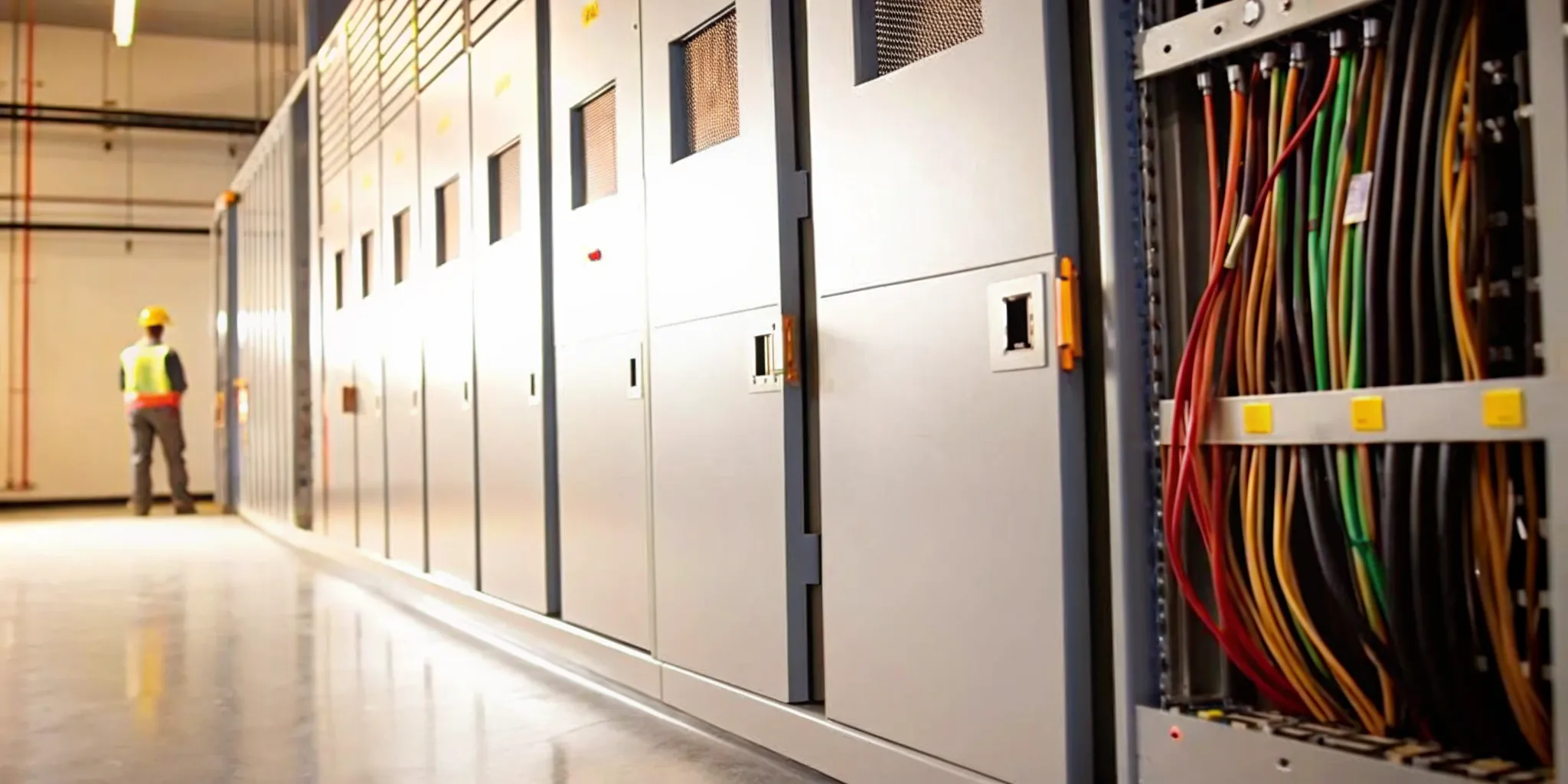
A label that simply reads “Outlets” is almost as useless as no label at all. This kind of vague description is a common mistake we see on properties across Florida, and it creates a serious safety risk. In a critical moment, ambiguity can lead to dangerous delays or accidental shutdowns of essential equipment. Getting your electrical panel labeling right is about providing absolute clarity for electricians, maintenance staff, and emergency personnel. It’s a small detail with major implications for safety and compliance. We’ll explain the specific OSHA electrical panel labeling requirements and show you how to avoid these common pitfalls, ensuring your system is both safe and easy to manage.
Key Takeaways
- Label every circuit with precision: Avoid general terms like “Lights” or “Outlets.” Instead, specify the exact location and function, such as “Kitchen Counter Outlets,” to prevent confusion and ensure anyone can safely work on your system.
- Display clear and specific safety warnings: Your panel must include highly visible warnings for dangers like high voltage. For equipment with arc flash risks, you also need detailed labels that specify the hazard level and required protective gear for qualified workers.
- Make label maintenance a routine: Compliance is an ongoing effort, not a one-time task. Regularly inspect labels for wear, update them immediately after any system modifications, and keep records to ensure your property is always safe and inspection-ready.
What Are OSHA’s Electrical Panel Labeling Standards?
When it comes to electrical safety, guessing is not an option. That’s why the Occupational Safety and Health Administration (OSHA) has clear standards for labeling electrical panels and equipment. These rules aren’t just about following regulations; they are fundamental to preventing serious injuries and ensuring anyone working on your electrical systems can do so safely and efficiently. Think of these labels as a clear instruction manual attached directly to the equipment. They provide critical information at a glance, from voltage ratings to the specific circuits a breaker controls. Understanding these core requirements is the first step toward a safer, more compliant property.
General Equipment Rules (29 CFR 1910.303)
OSHA’s foundational rule for electrical equipment is all about clear identification. According to the general requirements, every piece of electrical equipment must be clearly marked with the manufacturer’s name or trademark. It also needs to display its essential electrical ratings, like voltage and wattage. This information helps ensure the equipment is used correctly and safely. Just as importantly, these labels must be durable enough to withstand their environment. A simple paper label stuck on with tape won’t do the job in a damp or dusty area. The marking needs to remain legible for the life of the equipment to be effective.
Personnel Protection Standards (29 CFR 1910.335)
Beyond identifying the equipment, OSHA requires clear warnings to protect people from potential dangers. This standard focuses on using safety signs, tags, and barricades to alert workers to electrical hazards. This is especially critical for dangers like arc-flash, which can cause severe injury or death. The goal is to communicate risk effectively so that anyone approaching the equipment understands the potential for harm. These OSHA requirements for warning signs ensure that proper precautions are taken, whether that means wearing personal protective equipment (PPE) or keeping a safe distance. It’s about giving everyone a clear heads-up before they get too close.
Construction Site Requirements (29 CFR 1926.403)
Construction sites are constantly changing, which makes clear labeling even more important. For these environments, OSHA has specific general requirements stating that all switches and circuit breakers must be labeled to indicate what they control. This simple step prevents the dangerous guesswork of flipping breakers to find the right one. The only exception is if the purpose is immediately obvious, like a single light switch next to a door. Just like with general equipment, these labels must be durable enough to survive the wear and tear of a construction project, ensuring they remain readable from start to finish.
What Goes on an Electrical Panel Label?
Think of your electrical panel label as a map. A good map gives you clear, accurate directions, while a bad one leaves you lost and frustrated. When it comes to your electrical system, a bad label can be downright dangerous. OSHA requires specific information on every label to ensure safety and proper maintenance. Getting these details right isn’t just about following rules; it’s about protecting your property and the people in it. Let’s break down exactly what needs to be on that label.
Circuit and Equipment Details
This is the most fundamental part of your label. Each circuit breaker needs a clear, specific description of what it controls. Vague labels like “Lights” or “Plugs” aren’t enough. Instead, be descriptive: “Kitchen Counter Outlets,” “Master Bedroom Lights,” or “Living Room A/C Unit.” This level of detail is essential for anyone performing maintenance or trying to shut off power in an emergency. A well-defined circuit directory prevents confusion, saves time, and helps you avoid accidentally shutting off the wrong equipment. It’s the first step toward a safe and compliant electrical panel.
Voltage and Current Ratings
Your electrical panel label must clearly display its electrical ratings. This includes the voltage, current, and power specifications for the equipment. According to OSHA standards, this information is mandatory because it informs electricians and technicians about the system’s capacity and operational limits. Knowing these ratings is crucial for safe servicing, preventing overloads, and ensuring the correct tools and protective equipment are used. Without this data, workers are essentially flying blind, which increases the risk of equipment damage, electrical fires, and serious injury. Think of it as the panel’s vital statistics, essential for its health and safety.
Manufacturer Specs
Along with operational ratings, your label should include the manufacturer’s name or trademark. This might seem like a minor detail, but it’s a key piece of information required by OSHA’s general requirements. Having the manufacturer’s specs on hand makes it much easier to find compatible replacement parts or look up specific technical documents if you need to troubleshoot an issue. It provides a clear trail for sourcing materials and ensures that any repairs or modifications are done with the right components, maintaining the system’s integrity and safety. This simple detail supports long-term maintenance and compliance for your property’s electrical system.
Safety Warnings and Emergency Contacts
Safety warnings are non-negotiable. Your electrical panel must have clear, visible warnings about potential dangers, such as “Danger: High Voltage.” For systems with a high risk of an arc flash, specific arc-flash hazard labels are also required to alert qualified personnel of the severe risks involved. Beyond warnings, it’s a smart practice to include an emergency contact number on or near the panel. This could be for your property manager, a facilities lead, or your trusted licensed electrician. In an urgent situation, having this information readily available can save critical time and help resolve the issue quickly and safely.
How to Label High-Voltage Electrical Panels
When you’re dealing with high-voltage electrical systems, typically those over 600 volts, the labeling rules become even more stringent. The potential for serious injury or property damage is significantly higher, so OSHA requires multiple layers of warnings to keep everyone safe. Think of these labels as non-negotiable safety measures that protect technicians, employees, and anyone else on your property. Getting them right isn’t just about following the rules; it’s about preventing a tragedy.
Properly labeling high-voltage panels involves more than just a single sticker. You need a system of clear warnings that communicate the specific dangers present. This includes bold high-voltage alerts, detailed arc flash hazard information for qualified workers, and signs that restrict access to the entire area. Each type of label serves a distinct purpose, and together they create a comprehensive safety net. If you’re unsure whether your property’s high-voltage areas are up to code, our team at Violation Clinic can help you assess your current setup and identify any compliance gaps.
High-Voltage Warnings
The first and most fundamental requirement is a clear and direct high-voltage warning. This is your frontline defense, designed to be immediately understood by anyone who approaches the panel. According to OSHA’s electrical panel labeling requirements, panels over 600 volts must have labels that read “Danger: High Voltage” or something similar to warn unauthorized personnel.
This label should be placed in a highly visible location on the panel door or enclosure. Its purpose is simple: to stop someone who is not qualified to work on high-voltage equipment from getting any closer. The message needs to be unmistakable, using colors and symbols that are universally recognized for danger, like a bold red or orange header with black text.
Arc Flash Hazard Labels (NFPA 70E)
Beyond a general warning, you also need to address the specific risk of an arc flash, which is a dangerous explosion of electrical energy. The NFPA 70E standards are very clear on this point, stating that “Panels that may require servicing while energized must be field-marked to warn of potential arc flash hazards.”
This label is for the qualified electricians who will be working on the equipment. It provides critical technical information, including the arc flash boundary (the safe approach distance), the incident energy level (the severity of a potential arc flash), and the required personal protective equipment (PPE). This information allows technicians to prepare properly before they ever open the panel, ensuring they have the right gear to protect themselves.
Restricted Access Signs
High-voltage safety isn’t just about labeling the panel itself; it’s also about securing the surrounding area. You need to prevent unauthorized individuals from even entering the space where the equipment is located. To achieve this, OSHA mandates that “Entrances to high-voltage areas must be locked or constantly watched by a qualified person.”
In addition to a locked door, you must post warning signs that read “DANGER – HIGH VOLTAGE – KEEP OUT.” These signs should be placed at every entrance to the room or enclosure. This combination of physical barriers and clear warnings ensures that only trained and authorized personnel can access these hazardous areas, dramatically reducing the risk of accidental contact and injury.
Where and How to Place Your Labels
Creating accurate labels is half the battle; the other half is making sure they’re placed correctly and can stand the test of time. The location and physical quality of your labels are just as critical as the information on them. A label that’s hard to read, hidden from view, or peeling off the panel fails to meet safety standards and puts people at risk. Let’s walk through the practical steps for placing your labels effectively so they do their job for years to come. If you find yourself dealing with compliance issues, remember that our team is here to help you with any building code violations.
Choose Durable Materials
Your electrical panel labels need to be tough enough to last in their environment. Think about the conditions around your panels, especially in Florida where heat and humidity are constant. A simple paper label secured with tape won’t cut it. It will quickly fade, peel, or become illegible, rendering it useless. Instead, opt for industrial-grade materials designed to resist moisture, chemicals, UV light, and extreme temperatures. Laminated polyester or vinyl labels are excellent choices. The goal is to ensure the label remains securely attached and clearly readable throughout the panel’s service life, which is a fundamental part of maintaining electrical safety and compliance.
Position Labels for Easy Reading
A perfectly crafted label is ineffective if no one can see it. Proper placement is all about visibility and quick access to information, especially during an emergency. Labels should be placed where they are easy to see without needing to move wires or other obstructions. For panel directories, this usually means the inside of the panel door. For specific warnings or circuit identifiers, place the label directly on the panel exterior or right next to the corresponding circuit breaker or switch. The text should be oriented for easy reading, not upside down or sideways. This ensures anyone working on the panel can immediately identify circuits and understand potential hazards.
Follow Legibility and Color Rules
To be effective, your labels must be easy to read and understand at a glance. Use clear, simple fonts (like Arial or Helvetica) in a size that’s legible from a safe distance. The most important rule is to use high-contrast colors for the text and background, such as black text on a white or yellow background. This makes the information pop. For warnings, use standardized safety symbols, like a triangle with an exclamation mark, to instantly communicate danger. Following established color codes for safety signs (like red for danger and yellow for caution) helps convey the severity of a hazard immediately, even to someone unfamiliar with the equipment.
How to Stay Compliant with OSHA Labeling Rules
Keeping your electrical panel labels compliant isn’t a one-time task. It’s an ongoing commitment to safety and organization. By building a few simple habits into your property management routine, you can ensure your workplace is safe and ready for any inspection.
Inspect and Maintain Labels Regularly
Set a recurring schedule to walk through your property and check every electrical panel label. Look for signs of wear, like fading, peeling, or damage that makes them hard to read. Staying on top of this is key, since non-compliance with electrical panel labeling standards can lead to serious penalties, including hefty fines and failed inspections. A quick check now can save you a major headache later. Think of it as preventative maintenance for your compliance records.
Update Labels After System Changes
Anytime you change your electrical system, your labels need to be updated immediately. This includes adding a new circuit, moving equipment, or rerouting wiring. An outdated label is not just a compliance issue; it’s a serious safety hazard for anyone working on the panel. You should ensure all labels are maintained, legible, and updated whenever circuits are changed. This simple step ensures the information your team relies on is always accurate and helps you meet key OSHA requirements.
Train Your Team to Read Labels
Clear labels are only effective if your team knows how to read them. Proper training ensures everyone understands the symbols, warnings, and technical information on each label. When your team is well-informed, they can work more safely and efficiently. Proper labels on electrical panels are critical for safety because they help prevent accidents and make it easier to fix problems quickly. Investing in OSHA-compliant training creates a safer environment for everyone and empowers your staff to identify potential hazards.
Work with a Licensed Professional
Navigating OSHA and NFPA 70E requirements can be overwhelming, and getting it wrong is costly. Working with a licensed professional ensures your labeling system is set up correctly from the start. Experts can help you survive an unexpected visit from OSHA inspectors and ensure your workplace is free from recognized hazards. If you need help with compliance or want peace of mind, our team offers comprehensive services to get your property up to code. We handle the details so you can focus on your business.
What Happens If You Don’t Comply?
Ignoring electrical panel labeling requirements might seem like a small oversight, but it can lead to significant problems. Beyond the immediate safety risks, non-compliance can trigger a cascade of financial and legal issues that affect your property and your business. OSHA doesn’t take these rules lightly, and the consequences can range from manageable fines to business-altering penalties.
Think of proper labeling as a form of insurance. It protects workers from injury, and it protects you from hefty fines, legal battles, and complications with your insurance provider. When an inspector walks onto your property, clear and accurate labels show that you prioritize safety and are serious about following the rules. Failing to meet these standards can quickly turn into a costly and stressful situation. If you’re facing a violation, getting professional help can make all the difference in resolving the issue efficiently.
OSHA Citations and Fines
The most direct consequence of improper electrical panel labeling is receiving a citation and fine from OSHA. During an inspection, one of the first things officials look for is compliance with safety standards, and that includes clear labeling. Non-compliance can easily result in a failed inspection and immediate penalties.
These fines are not just a slap on the wrist; they are designed to enforce the importance of workplace safety. Even a seemingly minor issue, like a missing or unreadable label, can be flagged as a violation. These initial fines can add up, especially if an inspector finds multiple instances of non-compliance across your property. It’s a clear signal that cutting corners on safety protocols is never worth the financial risk.
Penalties for Serious and Willful Violations
OSHA distinguishes between different types of violations, and the penalties escalate accordingly. If a violation is classified as “serious,” meaning it could cause an injury or illness likely to result in death, the fines can be substantial. But the penalties for “willful” or repeated violations are even more severe.
According to OSHA’s 2024 penalty adjustments, a single willful violation can cost you over $161,000. This classification is used when an employer knowingly fails to comply with a legal requirement or acts with plain indifference to employee safety. Consistently ignoring labeling rules or failing to correct a previously cited issue can quickly move you into this high-penalty category, turning a manageable problem into a major financial crisis.
Insurance and Legal Risks
The consequences of non-compliance extend far beyond OSHA fines. Your insurance provider has a vested interest in the safety of your property. If an accident occurs and it’s discovered that your electrical panels were not properly labeled, your insurance company could argue that you were negligent. This could give them grounds to deny your claim or even void your coverage entirely.
Furthermore, you open yourself up to significant legal liability. In the event of an electrical accident that causes injury or property damage, improper labeling can be used as evidence of negligence in a lawsuit. This can lead to expensive legal battles and settlements. Ensuring your property is fully compliant is a critical step in managing your risk and protecting your assets. Our team can help you address any compliance issues before they become larger problems.
Common Electrical Panel Labeling Mistakes to Avoid
Properly labeling your electrical panel seems straightforward, but small mistakes can create big problems. Getting the details right is about more than just staying organized; it’s a critical part of property safety and compliance. When labels are unclear, incorrect, or missing key information, you risk everything from failed inspections and fines to serious electrical hazards for anyone working on your system.
Think of your panel labels as a clear, simple instruction manual for your property’s electrical system. If that manual is confusing or out-of-date, it becomes useless and even dangerous. An electrician trying to perform a repair or a first responder during an emergency needs to be able to identify and shut off the right circuit quickly and confidently. Ambiguity can lead to delays, property damage, or even injury. Avoiding a few common pitfalls will help ensure your property remains safe, compliant, and easy to manage. Let’s walk through the most frequent errors we see and how you can steer clear of them.
Vague Circuit Descriptions
One of the most common mistakes is using descriptions that are too general. A label that just says “Plugs” or “Lights” isn’t helpful when you need to shut off power to a specific area. Your labels need to be precise. Instead of “Kitchen,” try “Kitchen Outlets – Counter” or “Living Room Lights – East Wall.” According to electrical panel labeling standards, labels should clearly state which circuit it is and what it controls. This level of detail is essential for safety and efficiency, ensuring that anyone working on the panel knows exactly what they’re turning on or off. Clear descriptions prevent accidental shutdowns and make troubleshooting much faster.
Forgetting Safety Warnings
Safety warnings are not optional. Electrical panels can be extremely dangerous, and clear warnings are your first line of defense against accidents. Every panel should include labels that alert people to potential hazards, such as “Danger: High Voltage” or specific arc flash warnings. These notices are crucial for protecting anyone who might need to access the panel, from a licensed electrician to a first responder in an emergency. Omitting these warnings not only puts people at risk but can also lead to serious compliance issues with OSHA. Making sure your safety labels are prominent and accurate is a simple step that protects both people and your property.
Using Outdated or Damaged Labels
An electrical panel label is only useful if it’s accurate and easy to read. Over time, labels can fade, peel, or become damaged, making them illegible. Even worse, they can become outdated if your electrical system has been modified without updating the panel directory. An incorrect label is just as dangerous as no label at all. Non-compliance with labeling standards can result in significant penalties, including fines and failed inspections. If you’re facing code enforcement issues because of poor labeling, it’s important to address them immediately. Regularly inspect your labels and replace any that are worn or inaccurate to keep your property safe and compliant.
How to Create an Effective Labeling System
An effective labeling system is more than a one-time task; it’s an ongoing process for keeping your property safe and compliant. This framework helps you manage your electrical panels over time, reducing risks and simplifying maintenance. Creating a reliable system comes down to three key practices: scheduling regular checks, keeping detailed records, and verifying every update. Building these habits into your property management routine helps you stay ahead of potential issues and maintain a safe environment.
Set a Maintenance Schedule
Electrical panels are often in busy areas where labels can get dirty, fade, or peel. That’s why a consistent maintenance schedule is so important. Regular checks ensure your labels remain legible and accurate, a cornerstone of electrical safety compliance. Plan to inspect all panel labels once or twice a year. During these checks, look for any wear and tear, like fading or peeling. Make sure every label is securely attached and easy to read from a safe distance. A simple calendar reminder can turn this crucial task into a routine habit.
Keep Good Records
Good documentation is your best friend during an audit. Keeping detailed records of your label maintenance shows you are proactive about safety and compliance. Your log should include the date of each inspection, notes on the labels’ condition, and any actions taken, like replacing a faded warning. This paper trail provides a clear history of your maintenance and helps you demonstrate compliance with OSHA standards. Whether you use a digital spreadsheet or a physical binder, consistent record-keeping makes it easy to manage your electrical system responsibly.
Double-Check Your Label Updates
An inaccurate label can be more dangerous than no label at all. Whenever electrical work is done or a circuit is changed, updating the panel label must be part of the job. This isn’t just a suggestion; it’s a fundamental requirement for a safe workplace. Make it a rule that any modifications require an immediate label update. Before the job is complete, have someone double-check that the new label is accurate, clear, and correctly placed. This verification step is critical for preventing accidents and ensuring your system’s documentation aligns with its actual configuration, as outlined in OSHA’s general requirements.
Related Articles
- Common Building Code Violations and How to Resolve Them Quickly | VIOLATION CLINIC
- Building Compliance Tips for Real Estate Agents | VIOLATION CLINIC
- Looking for the Florida Building Code 2025? Here Are 10 Things You Should Know About the New Compliance Rules | VIOLATION CLINIC
- Top Code Violations Landlords Get — And How to Avoid Them | VIOLATION CLINIC
- Why Compliance Support Matters for Property Owners | VIOLATION CLINIC
Frequently Asked Questions
My panel already has handwritten labels. Are those good enough? While a handwritten label is better than no label at all, it often falls short of OSHA’s durability and legibility standards. The main issue is that ink from a marker can easily fade, smudge, or become unreadable over time, especially in humid or dusty environments. For full compliance and long-term safety, it’s best to use professional, printed labels made from industrial-grade materials like laminated vinyl. This ensures the information remains clear and securely attached for the life of the equipment.
What’s the biggest difference between labeling a standard panel and a high-voltage one? The primary difference comes down to the level of danger involved. For standard panels, the focus is on clearly identifying each circuit. For high-voltage systems (over 600 volts), the labeling requirements are much more intense. You need multiple layers of warnings, including a general “Danger: High Voltage” sign, restricted access notices, and a specific arc flash hazard label. This arc flash label provides critical technical data that qualified electricians need to protect themselves from a potential electrical explosion.
I’ve made some changes to my building’s wiring. How soon do I need to update the panel labels? You should update the labels immediately, as part of the same project. An outdated or incorrect label is a serious safety risk, as it can lead someone to shut off the wrong circuit or work on a wire they believe is de-energized. Make it a standard procedure that no electrical job is considered complete until the panel directory is updated to reflect the changes accurately.
Do these labeling rules apply to residential properties too? While OSHA regulations are specifically for workplace safety, the principles behind them are universal best practices for any electrical system. Your home’s electrical panel should also have clear, specific, and durable labels for your own safety and convenience. It makes it much easier to handle a tripped breaker or shut off power during an emergency. However, the strict enforcement and potential for fines discussed in the post apply to commercial and industrial properties.
I think my property’s labels are out of compliance. What should I do first? The first step is to conduct a thorough audit of all your electrical panels. Take photos and make notes of any labels that are missing, vague, faded, or incorrect. Once you have a clear picture of the issues, you can create a plan to replace them with compliant labels. If you’re feeling overwhelmed or unsure about the specific requirements for your equipment, it’s wise to contact a professional who can assess your property and help you resolve any compliance issues correctly.