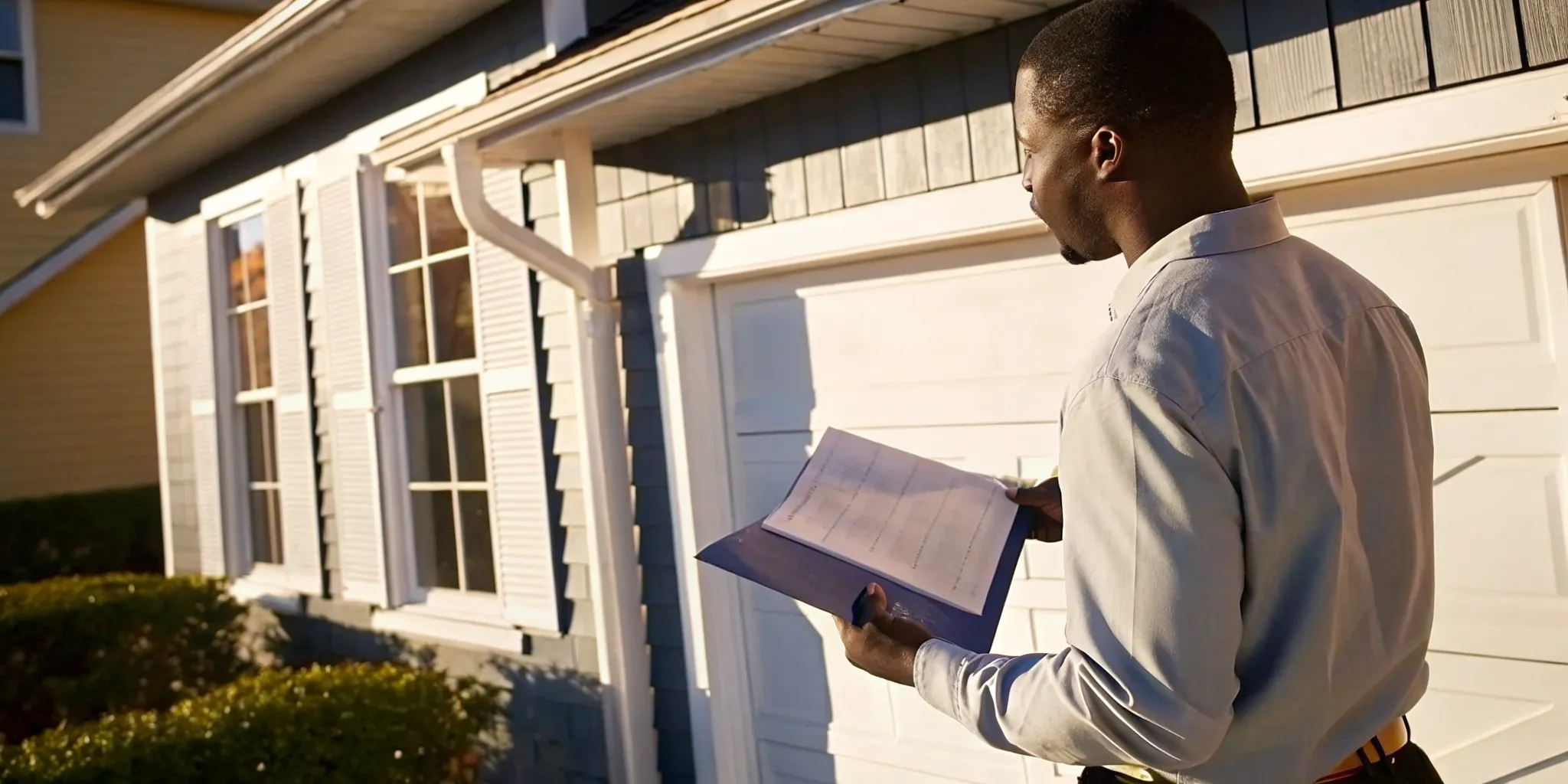
Daily code enforcement fines in Florida can quickly grow from a small nuisance into a massive financial burden. If you do not act fast, these penalties can turn into property liens that block sales and refinancing. You must take specific steps now to protect your assets. Request a free consultation with Violation Clinic
A code violation grows every day that the property stays out of compliance. You must act before the city puts a lien on your title. Below, we explain how to stop code enforcement fines from escalating, beginning with the steps to take after receiving a notice.
How to stop code enforcement fines from escalating
When you get a notice of violation, you must act fast to stop code enforcement fines. In Florida, daily costs can range from $250 to $5,000 for each day the issue stays open. In addition to daily accruals, you must also prepare for any initial violation fines in Florida that the municipality might impose for building without a permit. Taking the right steps now can save you thousands of dollars and help you keep your property value high.
Check your notice for deadlines
The first step is to read every word on the notice you received. It will list the code you broke and give you a date to fix it. This is often called a cure period. You have the right to file an appeal within 20 days of getting the notice in many Florida areas. Knowing these dates helps you plan your next move and avoid late fees that make the problem worse.
Contact the building department
Reach out to the officer who wrote the notice. Ask them what you need to do to pass a re-inspection. Sometimes a simple fix is all you need to reach compliance. If the issue is big, like a permit for a new roof, you may need more time. Talking to the officer shows you are trying to help. This can lead to an extension of your deadline, which pauses the start of daily fines while you work on the fix.
Document your progress
Keep a clear record of every action you take. Take photos of the property before and after you make repairs. Save every email and write down the names of the people you talk to at city hall. If you have to go to a special magistrate representation hearing, these records are your proof. Showing that you worked hard to fix the issue can help you ask for a lower fine later on.
Follow these steps to halt fines
- Read the full notice to find your case number and the specific rule you broke.
- Take photos of the current state of the property as a baseline for your records.
- Call the inspector to clarify the steps needed for compliance and ask for an extension if needed.
- Start the repairs or hire a pro to handle the building code violation remediation right away.
- Request a re-inspection the moment the work is done to stop the case.
Acting soon is the best way to protect your money. If you are not sure how to fix the problem, a free consultation can help you see your legal options for reducing fines. An expert can guide you through the local rules to ensure you do not miss any vital steps.
How does a code violation become a lien in Florida?
Direct answer: A code violation can become a lien after the owner misses a compliance deadline. The municipality issues an order imposing fines, and that order is recorded against the property. Acting before the hearing and proving compliance promptly can prevent the balance from growing. The path from a simple notice to a property lien moves fast in Florida. It starts when an officer finds a building issue on your property. You will first get a notice to fix the problem. If you miss the deadline, the case goes to a board or a magistrate. This is where the municipal compliance process can become costly and complex for owners.
The notice and hearing stage
Once the city issues a notice, you have a set time to fix the work. This is often called a cure period. If the work is not done, you must attend a hearing. A special magistrate or board will hear the case and set a daily fine. You can seek special magistrate representation to help explain your side. If you do not win, the city issues a final order with a start date for fines.
Accruing daily fines
Fines start to add up every single day that the property is not in compliance. These costs can range from $250 to $5,000 per day depending on the local rules. The goal at this stage is to stop code enforcement fines before they reach a high total. According to the Miami-Dade County Clerk, you have a 20-day window to appeal most citations after you receive them.
Final order and lien recording
If the fines continue, the city will record the final order in the public records. This act creates a lien against your property. A lien can stop you from selling or refinancing your home. It also grows as the daily fines continue to stack up. You may need to remove a code violation lien by paying the full amount or negotiating a settlement with the city once the work is finally done.
Build a clear record of compliance
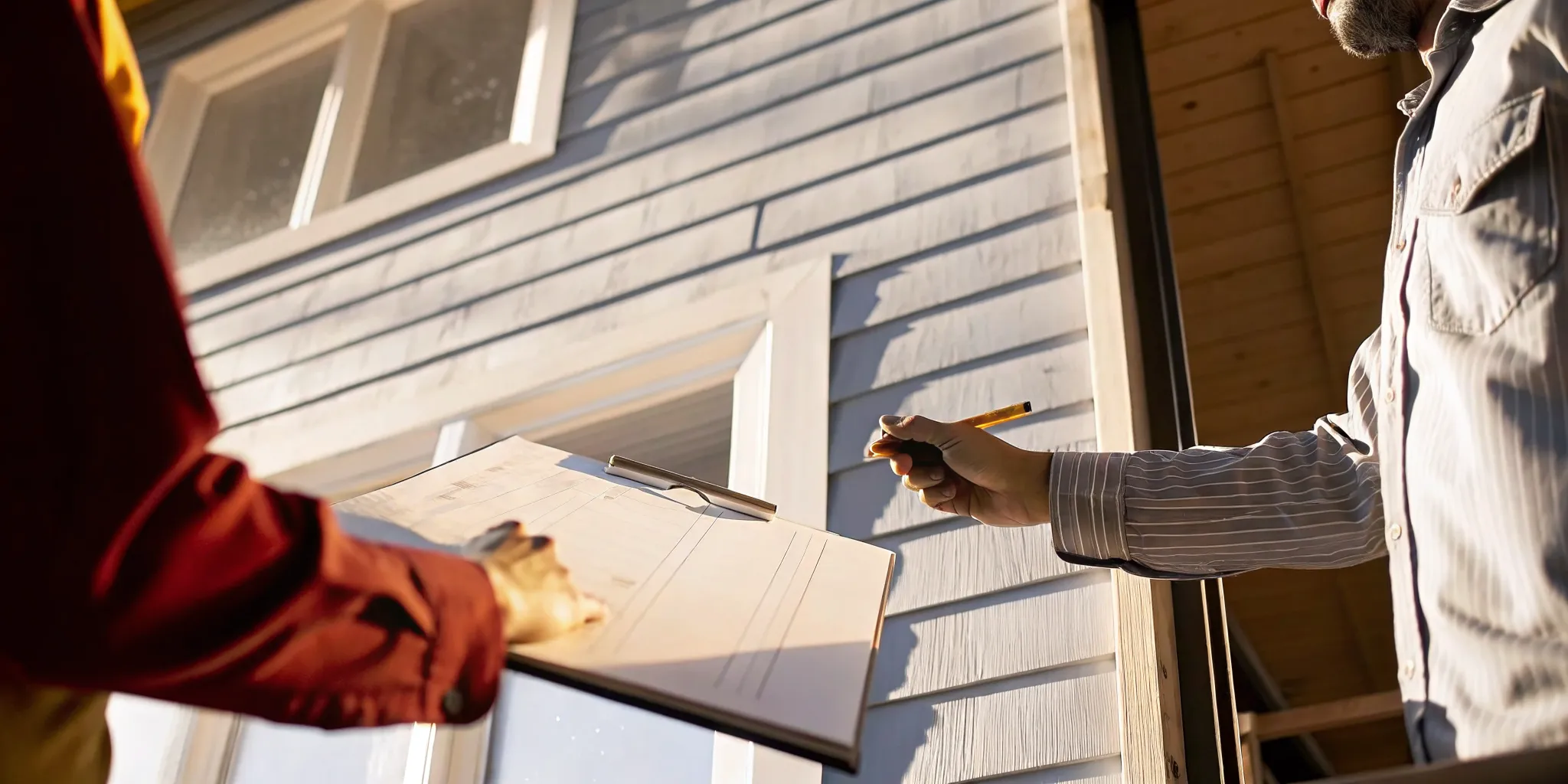
Direct answer: A clear compliance record connects every repair, permit, inspection, and municipal confirmation to the cited violation. Keep dated photos, invoices, permits, inspection results, emails, and written confirmation that the case is compliant and daily fines have stopped. Fixing a building code issue is only half the battle. To stop code enforcement fines, you must prove to the city that the work is complete and meets all standards. Without a clear paper trail, the building department may keep charging daily penalties even after the physical repairs are done. You need a full file of evidence to show that your property now follows the local rules.
Gather your repair evidence
Start by collecting every piece of paper related to the fix. This includes signed contracts, itemized bills from your contractor, and proof of payment. Take clear photos of the work before, during, and after the repair process. These visual records are vital when you need to show the city exactly what steps you took to reach building code violation remediation. Keep all emails and letters sent between you and any city officials in one safe folder. Photos should be high quality and show the specific areas mentioned in the original citation. If the city inspector cannot visit the site right away, these photos serve as your primary proof. Detailed records help you show that you acted fast. This record is often the first thing a board looks at during a special magistrate representation hearing to decide if your fines should be reduced.
Verify permit status and inspections
A common mistake is thinking that finishing the work is the final step. In many Florida cities, a case stays open until a final inspection is passed and the permit is closed. According to Miami-Dade County Clerk rules, you have a set time to appeal or show proof of compliance. If you miss these dates because you forgot to schedule an inspection, the city may keep adding fines to your account. Always get a written “Notice of Compliance” or a similar letter from the city once they approve the work. Check the status of your permits online through your city or county portal. If a permit is still “open” or “expired,” the violation is not resolved in the eyes of the law. Closing these permits is the only way to officially end the case and prevent a lien resolution process later. If the city says you are still in violation, your records will be your best tool to dispute the claim and protect your property value.
What options can reduce fines before or after compliance?
Direct answer: Owners may prevent or reduce fines by correcting the violation during the cure period, requesting more time when justified, proving compliance, or requesting a reduction hearing after compliance. Available options and deadlines depend on the municipality and case history. Facing a notice of violation can be a heavy burden for any land owner. Daily fines for issues that do not meet local building codes can range from $250 to $5,000 per day. These costs add up fast and can lead to a lien on your land if you do not act. You must take steps quickly to stop code enforcement fines from growing. Most cities in Florida offer a few paths to lower what you owe or stop the clock on daily charges.
Acting during the cure period
The best way to save money is to fix the issue during the cure period. This is a set time the city gives you to address the problem before fines start. If you finish the work before this time ends, you can often avoid all costs. If you need more time due to the scope of work, you can ask for a compliance extension. You should file this request before the deadline to show you are acting in good faith. City boards in places like Miami-Dade and Broward often look at your effort when they decide on final costs. Proactive work is the best way to avoid fines turning into costly liens. If you are waiting for a permit or a contractor, keep a record of your steps. Showing proof of your effort can help you get more time from the code board. This early action keeps the case from moving to a hearing where costs can jump. Staying in touch with your code officer is a good way to stay on track.
Seeking a fine reduction after compliance
Many people do not know they can ask to lower their fines after they fix the violation. Once you have a notice of compliance, you can file a mitigation request. This is a formal way to ask the city to cut the total bill. According to the Miami-Dade Clerk, local boards have the power to reduce fines based on the facts of your case. They will check the gravity of the issue and your past history as an owner. A mitigation hearing lets you explain why the fix took time. If the fine has already become a lien, this process is even more vital. Working with the city after you fix the problem is key. It is a vital step to remove a code violation lien and protect your home equity. You want to show that the issue is fully gone and will not come back. This can lead to a big drop in the final amount you must pay.
Expert help at hearings
If you disagree with a citation, you have the right to a hearing. You can contest the violation or the fine amount before a special magistrate. These meetings are formal, and the rules can be hard for most people. Having an expert with you at these meetings can help you get a better result. A former city inspector knows how the system works and what the board needs to see. They can help you present facts that might lead to a lower fine or a better plan to reach compliance. Expert help is also useful when you face an unsafe structure notice or a stop work order. These issues often need a fast response to avoid big daily fees. A pro can look at the city rules and find the best path forward. They can speak for you at the hearing to ensure your rights are met. This level of support can be the difference between a high fine and a fair deal.
| Option | Best Time to Use | Main Benefit |
|---|---|---|
| Timely Cure | Before the deadline | Avoids all daily fines |
| Extension Request | During the cure period | Gives more time to fix issues |
| Mitigation Request | After compliance is met | Lowers the final fine amount |
| Magistrate Hearing | Within 20 days of notice | Lets you contest the violation |
Every city has its own set of rules and deadlines. You should always check your local rules or get a free consultation to see which route fits your needs. The goal is to reach compliance as soon as possible. This stops the daily clock and sets you up for a better outcome in the end. Dealing with the building department can be hard, but taking the right steps will save you time and money.
When should you bring in a violation specialist?
Direct answer: Bring in a violation specialist when the notice involves unpermitted work, expired permits, multiple departments, a hearing, an unsafe structure issue, or a pending sale. Early coordination can clarify the compliance path and reduce avoidable delays. Dealing with code enforcement can be stressful and confusing. While some small issues are easy to fix on your own, others need expert help to stop code enforcement fines from growing. A specialist knows how to talk to the city and find the best path to compliance. You should think about hiring a pro if you face complex problems like expired permits or unsafe structure notices.
Handling complex permit issues
Expired permits and work done without a permit are two common reasons for fines. Fixing these often needs a full plan review, new drawings, and many city checks. If you do not know the municipal compliance process, these tasks can take months. A specialist helps by finding exactly what the city needs to close the file. This fast action can prevent a simple mistake from becoming a big cost.
Representation at municipal hearings
If you get a notice for a hearing, you may need a licensed pro to speak for you. Special Magistrate hearings are formal meetings where the city decides on your case. According to Florida Law, boards must look at the gravity of your case and your efforts to fix it when they set fines. Having a specialist with city experience can help you show your progress. They can often negotiate for more time or a lower fine amount to protect your property.
Protecting your property value
Unresolved violations can lead to liens that make it hard to sell or refinance your home. Daily fines in Florida can reach $250 or even $5,000 for very serious cases. To avoid these costs, it is best to use a building code violation remediation expert early on. They work to resolve the issue before it turns into a lien. If you already have a lien, they can help you find legal options for reducing fines through a formal settlement process. Getting help now can save you many thousands of dollars.
Mistakes that allow fines to keep growing
Direct answer: The most costly mistakes are ignoring the notice, missing deadlines, assuming repairs alone close the case, failing to schedule inspections, and relying on verbal confirmation. Owners should verify every required step and obtain written proof that compliance is recorded. Many people think that a code violation notice is a warning. They wait to see what happens next. This delay is often the biggest mistake a home owner can make. In many cities, the clock starts the moment the cure time ends. If you do not act, the daily costs will add up fast. You must take steps to stop code enforcement fines before they turn into a lien on your home.
The danger of ignoring notices
When a city sends a notice, they expect a fast reply. Some owners put the paper in a drawer and hope the city forgets. This never works. Florida laws allow boards to set high costs for every day a problem stays open. For a first violation, a fine can reach $250 per day. If you think the city is wrong, you must move fast. You usually have 20 days to appeal a code violation citation. These costs do not stop until the city records the fix as done.
Why repairs are not enough
A common error is to think that fixing a wall or roof is the last step. Owners spend money on repairs and then stop. They assume the city will see the work and close the case. This is not how the system works. You must ask for a final check from the building department. If the inspector does not sign off, the fines keep growing. You might have a fixed building but still owe thousands in fees. It is wise to look at legal options for reducing fines if you find yourself in this spot.
The hidden costs of waiting
Do not try to fix a violation with more work that lacks a permit. If you fix a tagged issue without a new permit, you are adding a new violation. The city may even issue a stop work order. This makes the whole process take much longer and cost much more. If the fines turn into a long-term debt, you will need to learn how to remove a code violation lien. You must do this before you can sell or get a new loan on your home. Missing a hearing is a second costly choice. The board will make a ruling even if you are not there. This often means the highest fine is set against you. You lose your chance to show the work you have done or ask for more time. Many owners also wait until they want to sell their home to deal with old fines. Title agents will find the debt during their search. By then, a small fine may have grown into a big bill that eats your home value. Dealing with them early is the only way to save your money.
Frequently Asked Questions
Direct answer: The questions below explain the practical steps owners often need to stop code enforcement fines, protect appeal rights, use a cure period, and legalize unpermitted work. Always confirm the specific deadlines and requirements shown on your municipal notice.
How can I stop code enforcement fines from increasing?
To stop your fines from growing, you must fix the code issue right away. Most cities give you a set date by which you must finish the repair work. If you meet this goal, the city will stop the daily charges that add up over time. You should also call the city and ask for a site check to prove the job is done. According to the Violation Clinic, being fast is the best way to keep small fines from becoming big property liens.
Can I appeal a code enforcement fine?
Yes, you have the right to fight a code fine if you think it is not fair. In many parts of Florida, you must file your appeal within 20 days of getting the ticket. You will then go to a meeting with a special board to tell your side of the story. The Miami-Dade Clerk notes that this 20-day rule is standard, but some local areas might have different time limits. It is smart to talk to an expert before you go to the hearing to protect your rights.
What is the cure period for code enforcement violations?
The cure period is the amount of time the city gives you to fix a code violation. During this window, you can finish the repairs or get the right permits without having to pay any daily fines. If you miss this date, the city will start to charge you money for every day the issue remains. Per Violation Clinic, this is the most critical time to take action and keep your overall costs low. Fixing the problem during the cure period is the best way to save your property.
How do I legalize unpermitted work to stop fines?
To stop fines from unpermitted work, you must start the work to make it legal by hiring a licensed pro to check the site. You will need to submit new plans and apply for a permit to show the work meets the Florida building code. Once the city approves your permit, they will often stop the daily fines from growing. Getting help from an expert can help you finish the job faster and save money.
Protect your property from daily code enforcement fines and liens
Every day that you wait to fix a code violation adds more money to your fine until the city puts a lien on your property. This legal burden can stop you from selling your house or getting a loan, so acting today is the best way to protect your equity. Our team of former building officials knows how the city system works and what the department needs to see to lower your debt right now. Ready to stop your daily fines? Request a free consultation now to find out how our experts can fix your violations and reduce your debt. We will help you with lien resolution to protect your property and your peace of mind.