
A red sticker on your door can halt a major construction project in minutes. This stop work order florida notice signals that you are building without a permit or breaking local codes. You must act fast to protect your property and stop the daily fines.
If you have received a stop work order in Florida, do not wait for compounding daily fines—contact Violation Clinic today for a free consultation to resolve your violation quickly.
A stop work order florida is a formal notice from a city office that stops all building work on a property. These orders usually come from work done without a permit, safety risks, or breaking local codes. According to the City of Tampa, you must stop all work right away and get the permits shown on your notice.
Fixing this problem needs a close look at your plans, talking with inspectors, and sending the right forms to the city. You cannot start working again until the city lifts the order. If you wait, you may face daily fines that grow into thousands of dollars. This sticker can also stop property sales. Expert help makes the process easier so you can get back to work fast.
Many property owners feel lost when they see a red tag on their site. You need to know how the rules work in your area. To resolve the issue, you must first understand the basics. The journey begins by answering,
What is a Stop Work Order in Florida?
A stop work order in Florida is an official administrative mandate issued by local building departments or state agencies that legally halts all construction activities on a property. It is typically triggered by unpermitted construction, severe life-safety code violations, or non-compliance with state workers’ compensation insurance regulations.
A stop work order florida is a legal notice that shuts down all work at a job site. It is a powerful tool used by state and local staff. When you get one, you must stop every task right away. The order stays in place until you fix the issues that caused it. This notice can come from the state for insurance reasons or from a city for building rules.
Legal basis for the order
Florida uses two main sets of rules to issue these orders. One set deals with workers’ comp insurance. Under Florida Statute 440.107, the state can stop a business if it does not have the right insurance for its staff. The law says that failing to cover workers is a danger to the public. The state wants to make sure every worker is safe if they get hurt on the job.
The second set of rules comes from local building codes. Cities and counties use their own laws to manage construction. Staff can issue an order if a site does not have the right permits. They can also step in if the work is not safe. Following these local safety rules is a must for any project in the state.
Immediate halt of all jobs
When a stop work order is posted, the clock stops on your project. This is a serious event for any property owner or builder. The notice is often a bright color like red or orange so everyone can see it. It is usually taped to a front door or a fence where work is done. This paper tells the public that the site is not safe or legal to use right now.
The halt of all work applies to every person on the site. This includes lead builders, painters, and even cleaning crews. You cannot just switch tasks or work on a different part of the building. Every action must stop until a state or city official says it is okay to start again. Ignoring this rule is a major mistake. It can lead to jail time or the loss of your business license.
Common types of site shutdowns
There are two common ways a site gets shut down in Florida. These paths depend on why the order was sent in the first place.
- Insurance shutdowns: These happen when an owner does not pay for workers’ comp. The state tracks these payments closely to protect staff and keep the public safe.
- Permit shutdowns: These occur when a builder starts a job without city approval. City staff may call this red-tagged construction in Florida.
Each type of order has its own path to a fix. For insurance, you must show proof of coverage and pay a fine. For building issues, you might need to get new permits. You may also have to show a city magistrate that you fixed the safety flaws at your site. Doing business while under this order can even lead to a third-degree felony charge and big daily fines.
Common Causes of a Stop Work Order Florida
The most common causes of a stop work order in Florida include performing construction work without required building permits, failing to maintain active workers’ compensation insurance coverage, and creating hazardous job-site conditions that violate safety codes. Local building departments issue these orders immediately upon discovering any non-compliant activity.
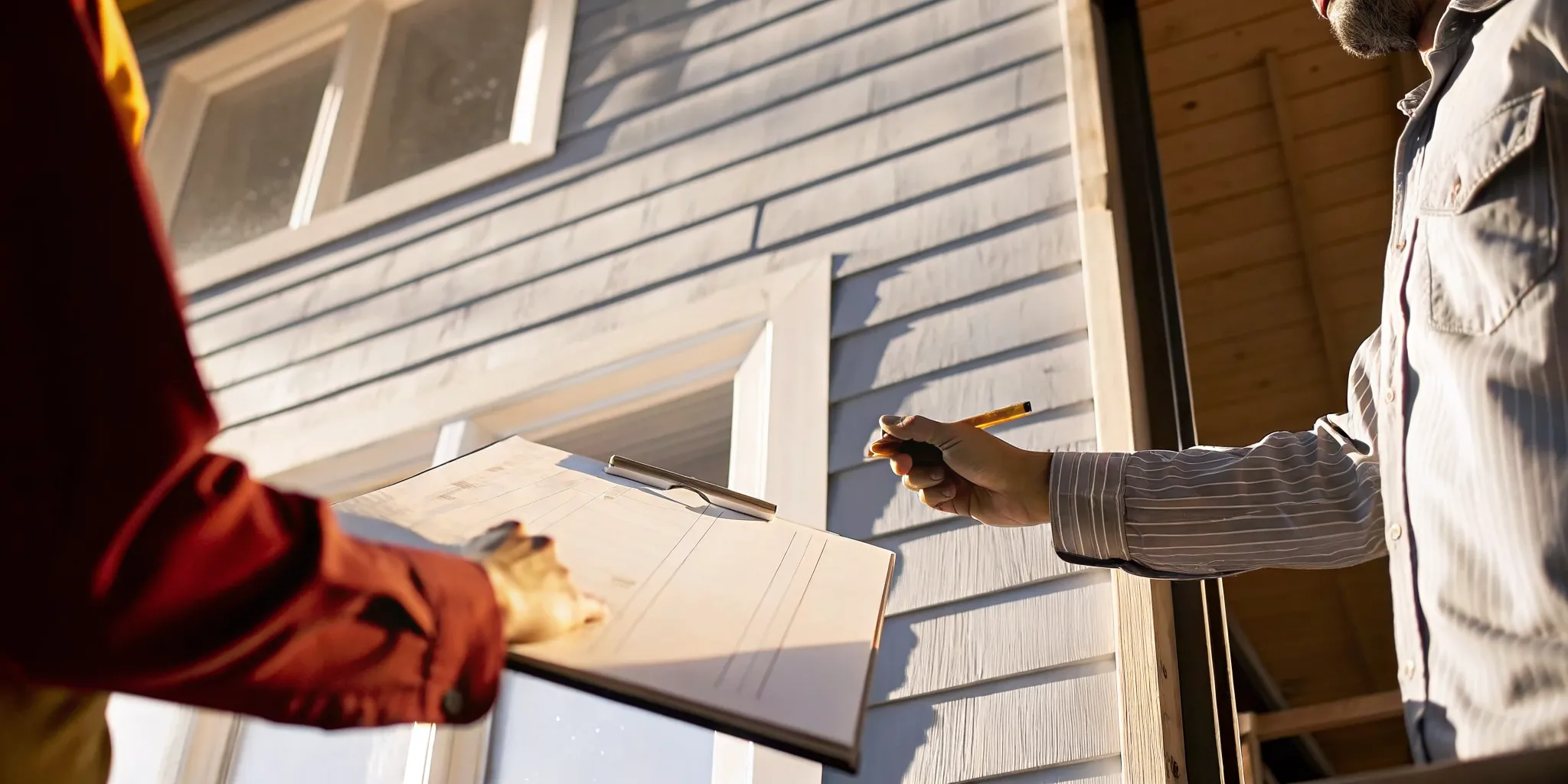
Local and state agencies issue a stop work order florida to protect public safety and ensure legal compliance. These orders halt all activity on a site until specific issues are fixed. Understanding the main triggers can help you avoid costly delays and fines.
Unpermitted construction work
The most common reason for a stop work order is performing construction without a permit. Building departments use these orders to find work that may not meet local codes. Work done without oversight can lead to faulty electrical systems, poor structure, or blocked exits. If an inspector finds unauthorized work, they will post a notice on the site immediately.
Insurance and payroll violations
State agencies like the Department of Financial Services issue orders when employers fail to follow workers’ compensation coverage rules. Florida law treats the lack of proper insurance as a danger to public welfare. A business may also face an order if it understates its payroll or hides worker data to lower its insurance costs. In these cases, the department has the power to check records and business sites at any time.
Safety and health risks
Severe safety risks often lead to an immediate stop work order. Agencies must act fast when a site poses a threat to workers or the public. These life-safety issues include structural instability or fire hazards. If you receive a notice, you should contact the listed inspector to learn exactly what needs to change. Failing to fix these risks can lead to hearings before a special magistrate or assessment liens on the property.
- Unpermitted Work: Stop all activity and check local city rules to find the needed permits.
- Insurance Issues: Give proof of current workers’ compensation coverage to the state.
- Payroll Audit: Let state officials review business records to check your staff count and pay.
- Safety Fixes: Repair any hazards that put lives at risk on the job site.
- Permit Filing: Submit full plans to the building department to legalize any previous work.
Florida Stop Work Order Penalties and Financial Consequences
Penalties for a Florida stop work order include compounding daily civil fines ranging from $250 to $1,000, municipal assessment liens placed against the property title, and potential third-degree felony charges with criminal fines of $1,000 per day if unpermitted construction continues after the notice has been officially posted.
Steep Daily Fines and Property Liens
A red-tagged building in Florida faces more than just a pause in work. A stop work order is a formal tool used by the city to enforce safety. It brings heavy costs that can drain a project budget in weeks. You must stop all work right away to avoid the harshest results. Not following the red tag often leads to a fast path toward court and big debts.
Money fines are the first hit. Local building offices often charge between $250 and $1,000 per day for common causes of stop work orders like missing permits. These costs add up while you wait for a hearing or a new permit. If the fines stay unpaid, the city can place a special assessment lien on your land. This lien can block you from selling the site or getting a loan.
Criminal Risks of Continuing Work
The law in Florida is strict about stop work orders. Under Florida Statute 440.107, doing business after an order is a crime. It is a third-degree felony that carries a fine of $1,000 for each day of work. This is another cost from the building office fines. A felony charge can also lead to jail time and a fixed criminal record for the owner or firm. It is safer to wait for a legal release than to risk your freedom.
Insurance and Payroll Violations
Some stop work orders come from the state level. The Department of Financial Services looks for proper insurance. If a firm hides payroll or lies about worker duties, they face a shutdown. To get a release, you must often pay the full fine within 28 days. The state may allow a payment plan, but you must still make a down payment of at least $1,000. These rules ensure that all workers stay safe and covered under the law.
Safety risks are the core reason for these rules. Work done without a permit can lead to faulty electrical setups or blocked exits that put lives at risk. Building officials use stop work orders to prevent these dangers from becoming fixed. Fixing these issues late is much more costly than doing the work right the first time. Expert help is the best way to clear these hurdles and get back to the job.
Owners must know which type of order they have. The rules for a local building tag differ from a state insurance notice. The table below compares the two main paths for Florida stop work order penalties.
| Details. | Workers’ Comp Breach. | Building Office Breach. |
|---|---|---|
| Issuing Office. | FL Dept. of Financial Services. | Local Building Office. |
| Main Cause. | Lack of insurance or payroll errors. | Unpermitted work or safety risks. |
| Daily Fine. | $1,000 per day or premium based. | $250 to $1,000+ per day. |
| Legal Danger. | Third-degree felony for work. | Special assessment liens on land. |
| Release Path. | Payment in full or payment plan. | Permits obtained and inspections. |
Emergency Checklist: What to Do When You Receive a Stop Work Order
When you receive a stop work order, you must immediately halt all construction activity, carefully review the official citation to identify the specific compliance violations, contact the designated building inspector to clarify remediation requirements, and organize all project plans and permitting documentation to begin the legalization process.
A stop work order can halt your project in an instant. This notice is a formal demand from the city to stop all work on the site. In South Florida, towns often issue these orders when building work is done without a permit. These notices also go out if work fails to meet safety codes. To protect your property and avoid legal issues, you must act fast. This checklist covers the first steps you should take the moment a red-tagged construction in Florida notice appears on your door.
Quick stop of all building work
The most vital step is to halt all work at once. If you keep working after you get the notice, you could face big fines. Florida cities treat continued work as a serious breach of the law. In some areas, these orders can lead to liens against your property. This means the city could place a claim on your assets if the issue is not fixed soon.
Beyond legal risks, stopping work helps keep the public safe. Work done without a permit may have faulty power systems or blocked exits. According to Miami Beach building staff, codes ensure that structures are safe for all. You should tell all crews and trades to leave the site until you clear the issue. This pause prevents small errors from turning into big legal battles or safety risks.
Notice review and inspector contact
Once the site is safe, look closely at the notice or sticker left by the agent. This paper lists the exact reason for the stop work order. It might be due to a missing permit or a failure to follow the approved plans. Many cities provide a clear schedule for when you must fix the work. You can often track these dates and the status of your case through online sites like Civic Access.
You should contact the inspector listed on the notice to get more facts. Ask exactly what needs to change to get the project back on track. Having the notice in hand when you call will help you give them the right file numbers. This step is the best way to learn about the common causes of stop work orders that apply to your case.
Project records and permit papers
After you speak with the inspector, start a file with all your project papers. The city or state may want to look at your records during their probe. You should pull together your latest site plans, permit receipts, and contracts. Having these papers ready will speed up the fix and help your case. Most times, the path to a fix involves getting new permits or fixing work to meet code standards.
Being neat shows the city that you take the rules to heart and want to follow them. It also helps if you need to hire an expert to talk to the city for you. A pro firm can review these records to find the fastest path to lift the order. They can help you deal with the city staff so you can focus on your work.
How Violation Clinic Resolves Stop Work Orders Fast
Violation Clinic resolves Florida stop work orders quickly by leveraging a team of former senior building inspectors and code enforcement officials who understand exactly what city departments require, expediting the plan-review process, filing after-the-fact permits, and representing clients at magistrate hearings to minimize civil fines and liens.

A stop work order can halt your project in an instant. This often happens due to work done without a permit or code issues. In Florida, the law is strict about safety. When your site is shut down, you need a team that knows the system from the inside. Violation Clinic uses a deep network of experts to get your crew back to work.
Deep Insider Knowledge
Our team has former senior building inspectors and code staff. We know how building departments work. We know what a city inspector looks for when they visit a job site. This view helps us find why you have red-tagged construction in Florida without delay. We speak the same language as city staff. This speeds up each step.
Cities like Miami Beach and Tampa use these orders to keep buildings safe. For example, Miami Beach officials use violations to find work done without permits. These issues can range from minor errors to big risks like bad wiring. We review your case to clear up any doubt and meet all local rules.
Fast Remediation Steps
Speed is vital because daily fines can grow fast. We start by looking at the stop work order sticker. Florida law says you must stop all work until you fix the issue. We handle the hard part by providing professional stop work order removal services, talking with engineers, and negotiating directly with city staff. We help you send in the right plans and get the required permits to resolve the case.
Our staff can also represent you at a hearing. If a city goes before a special magistrate, you need an expert. We talk for you to lower fines and stop liens. Our goal is to lift the order so you can finish your build. To avoid common causes of stop work orders later, our team can help guide your next project.
The Risks of Ignoring a Stop Work Order Florida
Ignoring a stop work order in Florida carries severe consequences, including immediate escalation of daily municipal fines up to $1,000, the placement of property-blocking assessment liens, utility service disconnections, and criminal prosecution resulting in third-degree felony charges, expensive litigation, or court-mandated structural demolition.
Not following a stop work order florida is a choice that leads to big legal and money risks. Many people think they can keep working and fix the issue later. But Florida cities are very strict with these orders. The state has the power to stop all work on your site to keep the public safe. If you look the other way, you face more than just a small fine. You could lose your land rights or even go to jail. These rules exist to ensure that every project meets the state safety code.
Heavy Fines and Liens
The first risk is the high cost of daily fines. Cities can charge you big fees if you keep working after a red tag. In some cases, these fines reach $1,000 for each day you break the order. These costs add up fast and can ruin your building budget in just a few weeks. If you do not pay, the city may place a special assessment lien on your land. This lien can apply to the work site and any other land you own in the same county. It makes it very hard to sell your land or get a loan until you pay the full debt.
Legal and Jail Time
The trouble does not stop with money. Not following an order is often a crime in the state of Florida. Under state law, working after a stop work order can lead to a third-degree felony charge. This means you could go to jail for trying to finish a project without the right permit.
You may also have to go to court before a local judge. This person has the power to set strict rules for your site and levy civil fines. Learning the common causes of stop work orders can help you stay out of these traps. This keeps your project moving and your record clean.
Long Term Damage to Your Land
Safety is the main reason why cities use these tags on job sites. Work done without a permit often skips key safety checks by a code checker. This can lead to bad wiring, gas leaks, or weak walls that put people in danger. Building teams focus on codes to keep towns safe and prevent fires.
If you skip the order, you might build a home that is not safe for people to live in. The city may even order you to tear down the new work if it does not meet the code. This would lead to a total loss of the time and money you spent on the task.
Frequently Asked Questions
What does a stop work order mean in Florida?
A stop work order is a legal notice from a local building department. It tells you to stop all work on a site. This often happens when work is done without a permit or does not follow state rules. As noted in the Florida Statutes, the city can issue these orders to keep people safe. You must not do any more work until the city clears the issue and lifts the order.
How can I resolve a stop work order florida?
To clear a stop work order, you must first find the reason for the notice. You may need to get a new permit or fix work that is not safe. It is often best to hire an expert to talk to the city for you. They can help you send in the right plans and schedule new checks. Once the city is happy with the work and the permits, they will lift the order so you can finish your project.
What happens if I ignore a stop work order in Florida?
Skipping a stop work order is a big risk that can lead to high fines. In many Florida cities, you could face fines of hundreds or even thousands of dollars each day. The city may also put a lien on your site, which makes it hard to sell or get a loan. In the worst cases, the city might cut off your power or take you to court. It is much safer to stop work and fix the problem right away.
Can I get a permit after receiving a stop work order?
Yes, you can usually get a permit after you get a stop work order. This is called an after-the-fact permit. You will need to show plans of the work that is already done. A city inspector will check the site to make sure it follows the Florida Building Code. You might have to take out parts of the work so they can see the plumbing or wires. Paying extra fees for the permit is also common in these cases.
Ready to resolve your Florida Stop Work Order today?
Leaving a Florida red tag alone only leads to higher fines and long delays that can stop your building project for many months of lost work. Every day you wait to fix the order, you risk more legal trouble and extra costs from the city office that are very hard to pay. Our team can work with building staff right now to help you get your crew back on the job site without any more lost time.
Ready to get your project moving again? Call (786) 885-2613 to schedule a free consultation. Talk to our team today to avoid more fines. We can help you get back to work and stay on track right now. Do not wait for the city to take more action against your site.