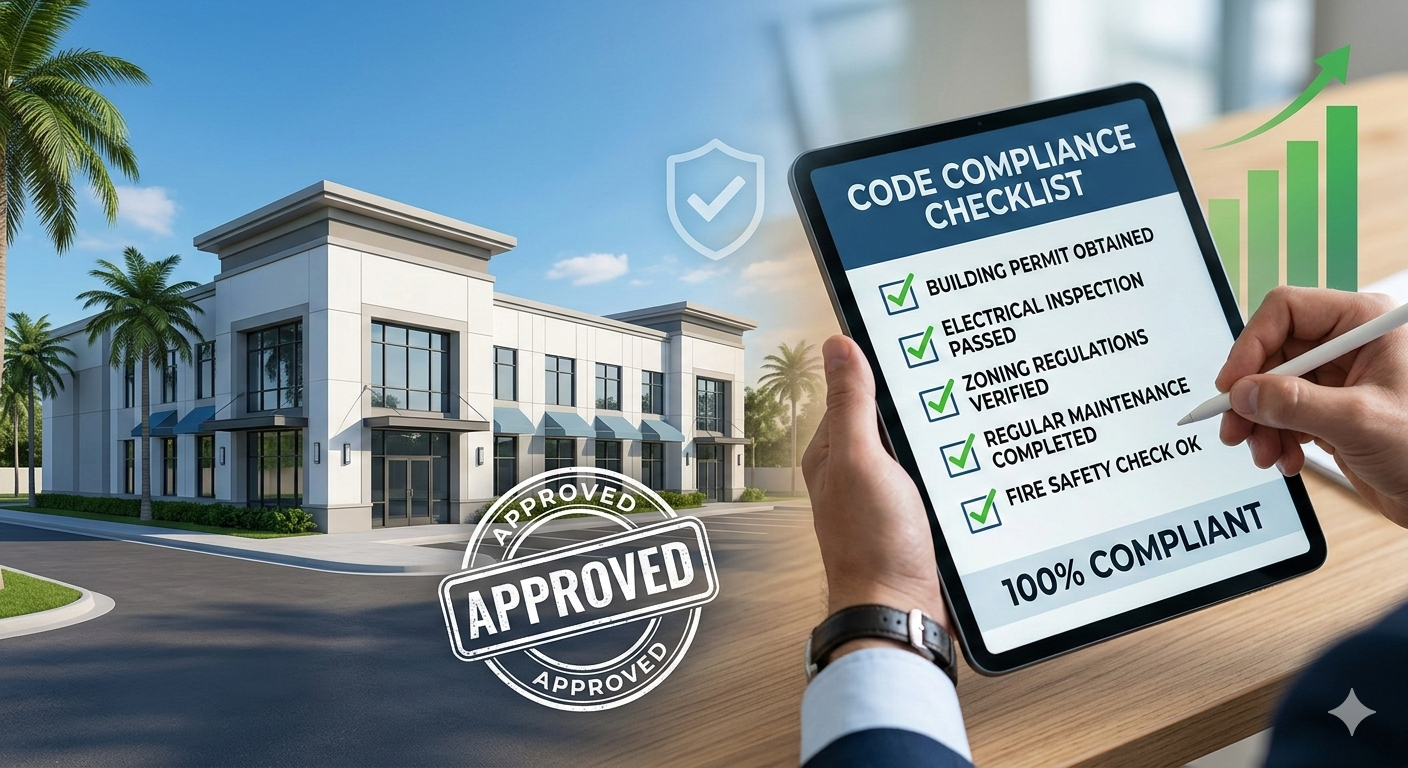
For property owners and real estate investors in Florida, a building is more than just concrete and steel; it is a financial asset. However, the profitability and longevity of that asset depend heavily on one often-overlooked factor: regulatory compliance. While some view building codes as bureaucratic red tape, savvy business owners understand that staying compliant is a strategic move that protects their bottom line.
Ignoring local ordinances doesn’t just result in a minor annoyance; it can lead to mounting daily fines, legal battles, and a significant decrease in property value. This article explores the economic reality of code compliance and why proactive management is the best investment you can make for your property.
Common Pitfalls: Why Property Owners Receive Violations
Understanding why the authorities issue citations is the first step toward prevention. In Florida’s rigorous regulatory environment, most violations fall into five primary categories:
1. Unpermitted Construction and Alterations
One of the most frequent triggers for a lien is performing work without the proper authorization. Whether it’s an interior remodel, a structural addition, or even a specialized electrical upgrade, failing to pull a permit is a costly mistake. If the local building department discovers unpermitted work, they may issue a “Stop Work Order” and require you to pay double or triple the original permit fees, or even demand that you tear down the new construction.
2. Zoning Violations
Zoning laws dictate how a property can be used. Running a commercial business out of a residentially zoned area or exceeding the allowable “lot coverage” can result in immediate enforcement actions. Navigating zoning violations requires a deep understanding of local land-use maps and municipal codes.
3. Neglected Property Maintenance
In Florida, the “Minimum Housing Standards” or “Property Maintenance Codes” (such as the International Property Maintenance Code adopted by many municipalities) require owners to keep buildings in good repair. Peeling paint, overgrown vegetation, cracked walkways, and broken windows aren’t just eyesores—they are code violations that can lead to daily fines.
4. Unsafe Conditions and Life Safety Issues
Violations related to fire safety, such as blocked exits, malfunctioning sprinkler systems, or faulty wiring, are treated with the highest level of urgency. These issues pose a direct threat to occupants and can lead to the property being declared “unfit for human habitation.”
5. Missed Inspections and Expired Permits
Sometimes the work is done correctly, but the paperwork is forgotten. An open permit that never received a final inspection is a “zombie” violation that can haunt a property title during a sale or refinancing.
The Financial Impact: Fines and Escalating Costs
The business case for compliance is rooted in simple math. In Florida, code enforcement boards have the power to levy significant financial penalties. For a first-time violation, fines can range from $75 to $250 per day. However, for repeat violators, these fines can jump to **$500 per day**.
A particularly critical area of compliance in Florida is the building recertification process. Under the Florida Building Code, certain older buildings must undergo comprehensive structural and electrical inspections to ensure they remain safe for occupancy.
Failing to comply with a building recertification notice is a grave financial risk. Initial fines for non-compliance often start at $510, but if the owner continues to ignore the requirement, total penalties can escalate to $10,000 or more, eventually leading to a foreclosure on the property to satisfy the lien. To avoid these catastrophic costs, it is essential to engage with professional Building Recertification and Services as soon as you receive a notice.
Actionable Steps: Best Practices for Prevention
To maintain a “compliance-first” business model, property owners should adopt the following strategies:
Obtain Necessary Permits Early
Never start a project with the intention of “asking for forgiveness later.” Before any hammers swing, consult with the local building department or a compliance expert to determine which permits are required. This ensures that the work is performed to current safety standards and avoids the nightmare of “after-the-fact” permitting.
Schedule Regular Inspections
Don’t wait for a code enforcement officer to knock on your door. Conduct annual “self-inspections” of your property. Look for signs of structural wear, electrical hazards, or plumbing leaks. Catching a small issue today prevents it from becoming a five-figure violation tomorrow.
Maintain Aesthetics and Safety
Curb appeal and code compliance go hand-in-hand. Regularly pressure wash walkways, maintain landscaping, and ensure that all exterior lighting is functional. This reduces the likelihood of “neighbor-initiated” complaints, which are the most common source of code enforcement visits.
Stay Informed on Florida Regulations
Building codes are not static; they evolve. Following the tragic Surfside collapse, Florida has seen significant updates to the Milestone Inspection requirements. Staying educated on these changes or partnering with a consultant ensures you are never blindsided by new legal mandates.
Case Study: Proactive vs. Reactive Compliance
The Scenario: A commercial warehouse owner in Miami-Dade County decided to add a mezzanine level for extra storage without applying for a permit to save time and money.
The Reactive Result: Two years later, during a routine fire inspection, the unpermitted mezzanine was discovered. The owner was issued a violation. Because the mezzanine didn’t meet modern fire-clearance codes, the owner was forced to pay $4,000 in accumulated daily fines, $2,500 in “after-the-fact” permit fees, and eventually had to spend $15,000 to demolish the structure because it could not be brought up to code. Total loss: $21,500.
The Proactive Alternative: If the owner had consulted a code compliance expert initially, they would have learned that the mezzanine was not feasible under current zoning. They could have instead invested in an approved external storage solution for a fraction of the cost, avoiding all fines and demolition expenses.
Why Compliance is an Asset, Not an Expense
When a property is fully compliant, it holds its value. During the “due diligence” phase of a real estate transaction, buyers and lenders will conduct a lien search. A property riddled with open violations and expired permits is a “red flag” that can kill a deal or force the seller to drop the price significantly.
By maintaining a clean record, you:
- Increase Marketability: Buyers pay a premium for “turn-key” properties with no legal baggage.
- Lower Insurance Premiums: Many insurers offer better rates for buildings that have passed recent safety inspections.
- Ensure Tenant Retention: Safe, well-maintained buildings attract higher-quality tenants who stay longer.
Related Resources
- What is Building Recertification?
- How to Check for Outstanding Violations on Your Property
- Top 5 Building Violations That Can Halt Your Construction Project
Summary: Protecting Your Investment
The business case for staying property code compliant is clear: the cost of compliance is a manageable investment, while the cost of non-compliance is an unpredictable and often devastating liability. From obtaining the right permits to adhering to the strict Florida building recertification timelines, staying ahead of regulations protects your capital and your reputation.
At ViolationClinic.com, we specialize in helping property owners navigate the recertification process smoothly. Whether you need assistance with inspections, violations, or compliance issues, our team is here to help. Don’t wait until it’s too late, take action today to protect your investment and ensure the safety of your building.
For more information or assistance, contact us at ViolationClinic.com!