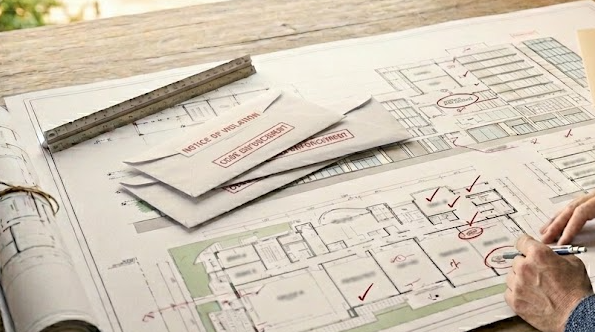
Owning property is a significant investment, but it comes with a complex set of legal responsibilities. In Florida, staying on top of building codes is not just about following the law; it is about protecting the value of your asset and ensuring the safety of everyone who enters the building. Unfortunately, many owners only think about code compliance after a yellow notice is taped to their front door.
Navigating the labyrinth of local ordinances, state statutes, and safety requirements can feel overwhelming. This guide breaks down the essentials of building code compliance, common pitfalls to avoid, and how to stay ahead of the curve to prevent costly fines.
Why Property Owners Face Code Violations and Fines
Code enforcement officers do not look for reasons to penalize owners, but they are tasked with upholding community standards and safety protocols. Most violations stem from a few common areas of oversight.
Unpermitted Construction
This is perhaps the most frequent issue. Whether it is a kitchen remodel, a new deck, or an electrical upgrade, many owners bypass the permitting process to save time or money. However, unpermitted work can lead to “double permit” fees, requirements to tear down completed work for inspection, and significant title issues when trying to sell the property.
Zoning Violations
Zoning laws dictate how a property can be used. Running a commercial business out of a residential zone or adding a secondary dwelling unit (like an “in-law suite”) without proper authorization can trigger immediate enforcement action. Understanding zoning violations is crucial before changing the fundamental use of your space.
Neglected Property Maintenance
Aesthetics matter to the municipality. Overgrown weeds, peeling paint, broken windows, or accumulating debris are often cited under “minimum housing standards” or “nuisance” ordinances. While these may seem minor, they are the most visible violations and often the easiest for neighbors to report.
Unsafe Conditions and Structural Integrity
Serious safety hazards like exposed wiring, leaning fences, or compromised foundations are high priority for inspectors. In Florida, the humid climate and salt air can accelerate the degradation of concrete and steel, making structural maintenance a constant necessity.
Missed Mandatory Inspections
Some inspections are not optional. In many Florida jurisdictions, older buildings must undergo specific safety checks to remain legal. Ignoring these deadlines is a surefire way to incur heavy daily penalties.
The Financial Reality: The Cost of Non-Compliance
In Florida, the stakes for ignoring code requirements are high. For example, mandatory building recertifications are a legal requirement for many aging structures. If an owner fails to submit the required reports on time, initial fines often start at $510. If the non-compliance continues, these fines can escalate rapidly, sometimes reaching $10,000 or more, eventually leading to liens against the property or even a “Vacate Order” if the building is deemed unsafe.
For those facing these deadlines, utilizing professional Building Recertification and Services is the most effective way to navigate the technical requirements and avoid the mounting debt of daily fines.
Best Practices to Prevent Fines and Ensure Compliance
Proactive management is always cheaper than reactive repairs and legal fees. Here is how successful property owners stay compliant.
1. Always Obtain Necessary Permits
Before starting any project, check with your local building department. Generally, if you are moving walls, changing plumbing, or adding electrical circuits, you need a permit. Florida Building Code (FBC) Section 105.1 explicitly requires a permit for any owner who intends to “construct, enlarge, alter, repair, move, demolish, or change the occupancy of a building.”
2. Schedule Regular Professional Inspections
Do not wait for the city to find a problem. Hiring a private inspector to conduct an annual “health check” of your property can identify minor issues like roof leaks or electrical wear before they become code violations. Regular inspections are the backbone of a long-term compliance strategy.
3. Focus on Aesthetics and Safety
Maintain a “curb appeal” checklist. Ensure that:
- Lawns are mowed and landscaping is trimmed.
- Exterior paint is in good condition.
- Walkways are clear of debris and trip hazards.
- Smoke detectors and fire extinguishers are serviced and up to date.
4. Stay Informed on Florida Regulations
Florida’s building codes are some of the most stringent in the country due to hurricane risks. The codes are updated every three years. You can stay informed by checking the Florida Department of Business and Professional Regulation (DBPR) website for updates on the latest Florida Building Code editions.
Case Study: From Violation to Resolution
Consider the case of a commercial property owner in Miami-Dade who ignored a notice for a 40 year recertification. What started as a simple notification turned into a $5,000 fine within three months because the owner believed the building “looked fine.”
To resolve the issue, the owner had to:
- Hire a structural and electrical engineer to perform the inspection.
- Perform “repaired work” on the parking lot lighting and emergency exit signs which were found to be faulty.
- Apply for an extension through the local Board of Rules and Appeals.
- Submit the final sealed reports to the city.
By working with a compliance expert, the owner was able to mitigate the fines and bring the building into safety. The lesson here is clear: the inspection itself is far less expensive than the fines for avoiding it.
Mastering the Technical Side: Structural and System Safety
Compliance is not just about what is visible from the street. The “guts” of your building—the HVAC, plumbing, and electrical systems—must meet specific standards.
- Electrical: Ensure your panels are not overloaded and that all GFCI outlets near water sources are functioning. Old “Zinsco” or “Federal Pacific” panels are common red flags for Florida inspectors.
- Plumbing: Leaks not only waste water but can cause mold, which is a major health code violation.
- Mechanical: Regular servicing of AC units prevents drainage issues that can damage the building envelope.
Implementing these code compliance tips ensures that when an official inspector does arrive, they find a well maintained facility rather than a list of hazards.
Useful Resources for Florida Owners
For more specific information on legal requirements, you may find these external resources helpful:
- The Florida Building Commission: For the full text of current building codes.
- Local County Clerk of Courts: To check if there are any existing liens or code enforcement cases on your property.
Related Posts
- Expired Building Permits: Steps to Avoid Legal Issues
- Step-by-Step: How to Clear a Building Violation in Record Time
- Common Building Code Violations and How to Resolve Them Quickly
Summary and Final Thoughts
Understanding building code compliance is a fundamental part of responsible property ownership. While the rules may seem rigid, they exist to create a standard of safety and quality that benefits everyone in the community. By obtaining the right permits, staying on top of property maintenance, and respecting the mandatory inspection cycles like building recertifications, you protect your wallet and your peace of mind.
At Violation Clinic, we specialize in helping property owners navigate the violation remediation process smoothly. Whether you need assistance with inspections, violations, or compliance issues, our team is here to help. Don’t wait until it’s too late, take action today to protect your investment and ensure the safety of your property.
For more information or assistance, contact us at (786) 885-2613 or ViolationClinic.com!