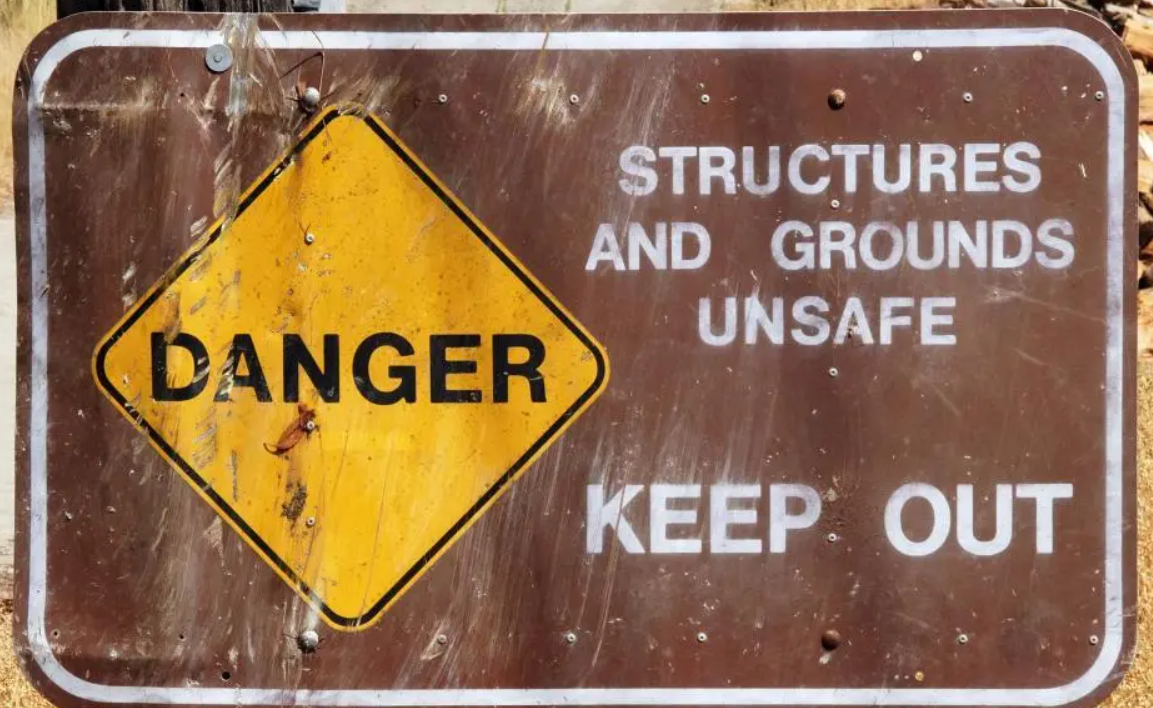
Receiving an unsafe structure notice can be alarming for any Florida property owner. What may look like a simple code enforcement letter can actually signal a much larger issue involving structural safety, building permits, property maintenance, inspections, or local regulations.
An unsafe structure notice generally means that a local authority has identified conditions that may threaten the safety, health, or welfare of occupants or the public. Depending on the situation, the property owner may be required to make repairs, obtain permits, complete inspections, appear before a hearing officer or Special Magistrate, or even vacate the property until the problem is corrected.
The good news is that many Unsafe Structure Violations can be prevented with regular maintenance, proper permitting, and proactive inspections.
Why Do Property Owners Receive Code Violations and Fines?
Florida property owners must comply with the Florida Building Code as well as applicable county and municipal regulations. The Florida Building Commission currently identifies the Florida Building Code as the statewide construction standard, with local governments enforcing the code alongside their own applicable ordinances and regulations.
Here are some of the most common reasons a property receives a violation.
1. Unpermitted Construction
One of the most common problems involves construction or improvements completed without the required permits.
Examples include adding rooms, enclosing patios, converting garages, installing electrical equipment, modifying plumbing, replacing certain mechanical systems, or making structural changes without first obtaining approval.
Unpermitted work can become especially problematic when the property is sold. A buyer, lender, title company, or inspector may discover that improvements do not match the property’s permit history.
In some situations, the owner may need to apply for an after the fact permit, provide plans or engineering documentation, expose completed work for inspection, or remove work that cannot be brought into compliance.
If construction is still underway, authorities may also issue a Stop Work Order. Property owners dealing with an existing order should address the underlying violation before attempting Stop Work Order Removal.
For more information, see Violation Clinic’s guide on how to fix open or expired building permits.
2. Zoning Violations
Building codes determine how structures are constructed and maintained, while zoning regulations control how property can be used.
Common zoning problems include unauthorized commercial activity, improper property use, structures that violate setback requirements, excessive building height, unapproved additional dwelling units, and other land use issues.
These requirements vary considerably between municipalities. A property that is compliant in one Florida city may have different requirements in another.
Property owners should review local zoning regulations before changing the use of a property or adding a new structure. Violation Clinic’s guide to Understanding Zoning Violations provides additional information about common zoning problems and their consequences.
3. Neglected Property Maintenance
Not every violation involves construction.
Overgrown landscaping, accumulated debris, damaged fences, deteriorating exterior surfaces, broken windows, damaged roofs, unsafe walkways, and other visible problems can attract code enforcement attention.
Local property maintenance requirements are intended to protect neighborhood conditions as well as public health and safety. A property that appears neglected may also receive additional scrutiny if officials identify more serious safety concerns.
Simple maintenance can therefore go a long way toward preventing an expensive code enforcement case.
4. Unsafe Conditions
Unsafe conditions are among the most serious reasons a property may receive a notice.
Examples can include structural deterioration, compromised foundations, damaged stairs or railings, unsafe electrical systems, deteriorated roofing, fire safety concerns, or other conditions that could endanger occupants.
When a building presents significant safety concerns, the municipality may take stronger enforcement action. In serious circumstances, occupants may be required to leave until the property has been repaired and cleared for occupancy.
This is where addressing Unsafe Structure Violations quickly becomes particularly important.
5. Missed Inspections
Another common problem is failing to complete required inspections.
Inspections are not simply administrative steps. They help verify that construction, structural systems, electrical components, plumbing, mechanical systems, and other work meet applicable requirements.
Florida also has specific mandatory inspection requirements for certain aging condominium and cooperative buildings. Florida Statutes Section 553.899 establishes a statewide milestone inspection program for qualifying buildings that are three habitable stories or more and subject to condominium or cooperative ownership.
How Can Property Owners Prevent Code Fines?
Preventing a violation is usually easier and less expensive than resolving one after enforcement has started.
Obtain Necessary Permits
Before beginning construction, renovation, demolition, electrical work, plumbing work, mechanical work, or other regulated improvements, determine whether a permit is required.
Do not rely solely on assumptions such as “it is a small project” or “the previous owner did the same thing.”
Check with the appropriate local building department and keep copies of permits, approved plans, inspection records, contractor information, and completion documents.
Schedule Regular Inspections
Property owners should not wait for a code enforcement officer to discover a problem.
A regular property inspection can identify issues while they are still manageable. Look for:
- Cracks or signs of structural movement
- Roof damage or water intrusion
- Damaged stairs and railings
- Electrical concerns
- Plumbing leaks
- Deteriorated exterior surfaces
- Unsafe doors and windows
- Fire and life safety concerns
- Unauthorized alterations
For commercial properties, multifamily buildings, and other regulated structures, owners should also track legally required inspections and reporting deadlines.
Maintain Property Appearance and Safety
Keeping a property clean and maintained is more than an aesthetic decision.
Regular landscaping, debris removal, exterior repairs, functioning lighting, secure fencing, and safe walkways can help prevent property maintenance citations and reduce hazards.
Create a maintenance schedule instead of waiting until something becomes an obvious problem.
Monitor Structural and Building Systems
Florida properties face unique environmental challenges, including hurricanes, heavy rain, humidity, and coastal exposure.
Property owners should pay close attention to roofing, drainage, exterior walls, foundations, balconies, electrical systems, plumbing, HVAC equipment, and other important building components.
If you notice a significant structural concern, have the appropriate licensed professional evaluate it rather than attempting to diagnose a serious structural problem yourself.
Stay Current With Florida and Local Regulations
The Florida Building Code changes over time. The Florida Building Commission identifies the 2026 update as the 9th Edition of the Florida Building Code, while the 8th Edition took effect on December 31, 2023.
Owners should also remember that statewide requirements are only part of the compliance picture. Cities and counties may have additional zoning, property maintenance, inspection, and administrative requirements.
The safest approach is to verify requirements with the authority having jurisdiction before beginning a project or assuming an existing condition is compliant.
Building Recertification Is More Than a Recommendation
Some inspections are legal requirements, not optional maintenance services.
Building Recertification and milestone inspection requirements apply to qualifying buildings under Florida law and applicable local regulations. Florida Statute Section 553.899 requires qualifying condominium and cooperative buildings to undergo milestone inspections beginning when the building reaches the applicable age threshold, with recurring inspections thereafter.
Local requirements can also impose additional recertification obligations. Failure to meet a required deadline can result in enforcement action, fines, and potentially serious consequences for the building.
According to Violation Clinic’s Building Recertification resources, noncompliance can result in code violations, accumulating fines, insurance difficulties, or even vacate orders when a building is determined to be unsafe.
Depending on the applicable jurisdiction and enforcement circumstances, fines may start at approximately $510 and can escalate to $10,000 for continued noncompliance. Property owners should verify the exact penalties that apply to their specific municipality.
If your building is approaching a required inspection deadline, review Violation Clinic’s Building Recertification Services before the issue becomes an enforcement matter.
Practical Example: An Unpermitted Addition
Consider a homeowner who enclosed an outdoor area and converted it into additional living space. The work looked professional, but no permit was obtained.
Years later, the homeowner decided to sell. During due diligence, the buyer discovered that the additional space did not appear in the property’s permit records.
Instead of a straightforward sale, the owner now had to investigate the construction, determine what permits were required, obtain the necessary documentation, and address the compliance issue.
The lesson is simple: saving time by skipping the permit process can create a much larger problem later.
Practical Example: A Missed Structural Inspection
Consider an older multifamily building approaching a mandatory inspection deadline. The owner postpones the process because there are no obvious problems with the property.
When the inspection eventually occurs, the professional identifies deterioration that requires further evaluation and repairs.
Had the owner scheduled the inspection early, there would have been more time to obtain engineering services, plan repairs, coordinate contractors, and submit the required documentation.
Instead, the missed deadline created additional pressure and increased the risk of enforcement.
This is why proactive Building Recertification is so important.
What If You Already Received an Unsafe Structure Notice?
Do not ignore it.
Start by carefully reviewing the notice and identifying the specific violation, deadline, required correction, and responsible government department.
Then:
- Determine exactly what condition caused the notice.
- Check whether permits or professional reports are required.
- Contact qualified professionals when structural, electrical, mechanical, or other technical issues are involved.
- Complete the required corrective work.
- Schedule the necessary inspection or reinspection.
- Maintain documentation showing that the violation has been corrected.
- Respond to hearings or administrative requirements by the stated deadlines.
If the matter reaches an administrative hearing, professional assistance may also be appropriate. Depending on the circumstances, Violation Clinic can assist property owners navigating code compliance issues and related proceedings, including Special Magistrate Representation.
If an occupancy issue is involved, property owners may also need Certificate Of Occupancy Assistance to address documentation and approval requirements.
Why Proactive Compliance Matters
A code violation is rarely just about paying a fine.
An unresolved violation can interfere with a property sale, delay construction, create insurance concerns, result in liens, increase repair costs, and in serious situations affect whether occupants can safely remain in the building.
The most effective strategy is to identify potential problems before the municipality does.
Regular inspections, proper permits, preventive maintenance, documentation, and awareness of local regulations can protect both the property and its owner.
Related Posts and Resources
- How to Fix Code Violations in Florida: A Step by Step Guide
- How to Check for Outstanding Violations on Your Property
- Understanding Zoning Violations: What Property Owners Need to Know
- How to Fix Open or Expired Building Permits
- Building Recertification Services
Conclusion
Understanding Unsafe Structure Notices starts with understanding why code enforcement happens in the first place. Unpermitted construction, zoning violations, neglected maintenance, unsafe conditions, and missed inspections can all result in costly enforcement action.
Florida property owners can reduce these risks by obtaining permits before construction, scheduling regular inspections, maintaining their properties, monitoring structural and building systems, and staying informed about Florida and local regulations.
Most importantly, remember that some inspections are legally required. Building Recertification and milestone inspection requirements are designed to identify structural concerns before they become dangerous. Waiting until a deadline passes or a violation notice arrives can make an already complicated situation significantly more expensive.
If you have received a violation notice, are dealing with Unsafe Structure Violations, need help with Stop Work Order Removal, require Certificate Of Occupancy Assistance, or are approaching a Building Recertification deadline, getting professional guidance early can make the compliance process much more manageable.
At ViolationClinic.com, we specialize in helping property owners navigate the recertification process smoothly. Whether you need assistance with inspections, violations, or compliance issues, our team is here to help. Don’t wait until it’s too late, take action today to protect your investment and ensure the safety of your building.
For more information or assistance, contact us at ViolationClinic.com!