
Unpermitted additions and illegal electrical work can derail a Florida property closing just when buyers and sellers expect to sign. A permit-record mismatch can trigger lender concerns, insurance questions, negotiations, or a delayed closing.
Facing unpermitted work before closing? Request a consultation with Violation Clinic to identify the compliance path and protect your transaction.
When unpermitted work before closing in Florida is discovered, pause and verify the property records, inspection findings, and contract deadlines. Sellers may pursue after-the-fact permits, correct or remove the work, or negotiate terms. Buyers should confirm lender and insurer requirements before accepting responsibility.
Fast action matters, but the right solution depends on the work, municipality, contract, lender, and insurer. The following options help both parties assess a practical legal and financial path.
What unpermitted work before closing in Florida means
Unpermitted work is construction, alteration, or installation completed without the permit and inspection required by the local authority. During a Florida closing, a mismatch between the property’s physical condition and municipal records can affect valuation, financing, insurance, negotiations, and the closing timeline. Buyers and sellers should first confirm the exact record issue instead of assuming every mismatch requires the same remedy.
Risks for loans and home value
Banks often refuse to lend money for homes with unpermitted work. Lenders look at the home’s square feet to set the loan amount. If a room was built without a permit, the bank may not count that space. This can cause the home’s value to drop during the appraisal. Sellers may have to pay impact fees for new living areas before they can close the deal.
Buyers should check for code issues to avoid closing delays from code issues. If the bank finds out about the work late in the process, the loan could fail. This leaves the seller with a home they cannot sell and the buyer with no place to live. Such delays can cost both sides time and money.
Insurance and legal costs
Insurance firms may not cover a home with unpermitted work. If a fire or leak starts in a room built without a permit, the firm might deny the claim. They could even cancel the policy. This puts the owner at risk of losing their whole home value. Most owners do not know this until they try to file a claim.
Buyers must also watch out for liens. A lien is a legal claim on the home due to unpaid fines. You should get a code lien search to find these costs early. If you do not find them, the new owner might have to pay thousands of dollars in old fines. It is best to clear property violations before closing to keep the sale on track.
Work without permits vs open permits
It is vital to know how unpermitted work and open permits differ. Unpermitted work is work done with no permit at all. This requires you to get a new permit and have the work checked by the city. You may need to pull an after-the-fact permit to make the work legal and safe.
An open permit is not the same. It means a permit was pulled, but the city never did the final check. This is often easier to fix than work done with no permit. Both issues can hurt the sale, but they need other steps to solve. Knowing which one you have will help you plan your next move and keep the closing on time.
What should you do immediately after discovering unpermitted work?
Finding unpermitted work before closing in Florida can feel like a big risk. It creates stress for both the buyer and the seller. You should act fast to find the full scope of the issue before the deal moves too far. Taking the right steps now helps you avoid the impact of building code violations on sales that often lead to legal or money trouble later.
Check local building records
The first task is to verify the permit history of the home with the local building office. You can search for open permits or missing records to see which parts of the home were built without city approval. This search helps you find unpermitted improvements or non-conforming structures. It is best to have a clear list of every change made to the site to know what needs a fix.
Bring in a licensed pro
Once you know there is a problem, you need an expert to check the quality of the work. A Florida licensed contractor or home inspector can look at the structure to see if it meets current safety rules. These property inspections provide a clear view of the cost to bring the work up to code. Do not assume the work is safe just because it looks good to the eye.
Follow these immediate steps
If you find unpermitted work during a home sale, use this list to protect your interests and stay on track for your closing date.
- Stop all assumptions about safety. Do not trust that the work is good without seeing a permit or a report from a licensed pro.
- Review your contract dates. Look at your inspection period to see if you have time to fix the issue or if you need to ask for more days.
- Order a code lien search. This check will show if there are any outstanding code liens on the site that could cost you thousands.
- Talk to the other party. Buyers and sellers should talk about who will pay for the “after-the-fact” permits and any repairs.
- Contact a permit consultant. A pro can help you work with city rules and get the right papers to make the work legal.
Acting fast allows you to address code issues before they become closing-day surprises. Whether you buy or sell, clear documentation and open communication provide the best chance to preserve the transaction.
Options for Florida sellers before closing
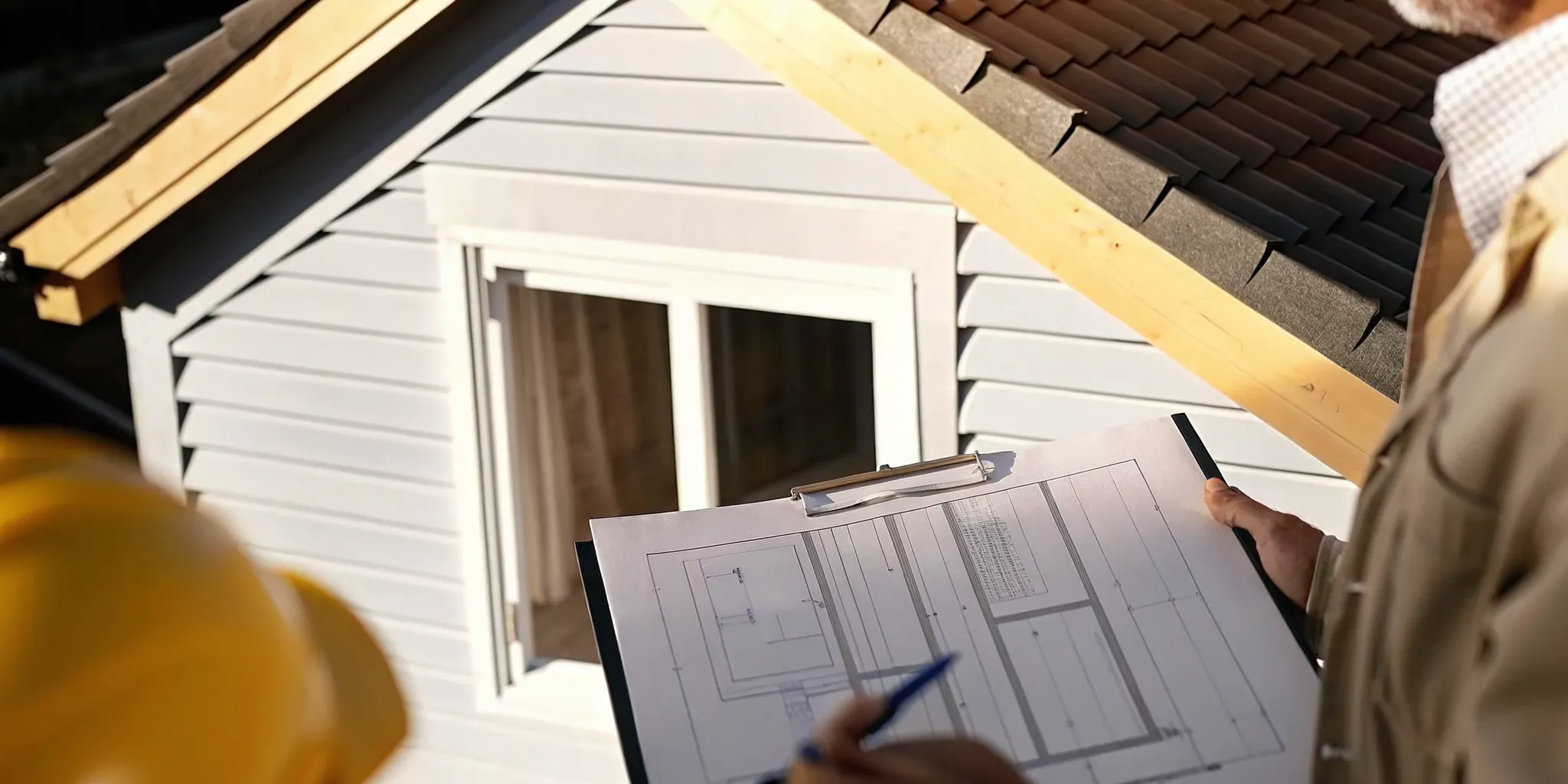
Finding unpermitted work before closing in Florida can feel like a big hurdle. But you have paths to move the sale forward. Most sellers choose to fix the issue, remove the work, or talk with the buyer about a deal. Each path has its own steps and costs. You should look at each choice based on your timeline and the type of work done.
Apply for after-the-fact permits
Many Florida cities let you get a permit after the work is done. This is often called an after-the-fact permit. It allows you to make the work legal before the sale is final. You will need to hire a pro to check the work and make sure it meets current codes. Some places like Pasco County give clear steps for this work. It helps you show the buyer that the home is safe and follows all laws.
Keep in mind that this path can take time. You may need to open up walls so an inspector can see the hidden work. If the work does not meet the code, you will have to fix it. Getting these permits can avoid closing delays from code issues that might otherwise stop the sale. Most buyers prefer this as it gives them a clean title and peace of mind.
Correct or remove the unpermitted work
Sometimes the best path is to remove the work that was done without a permit. If you built a shed or a deck without asking the city, taking it down might be fast. This removes the code issue fully. If the work is inside the home, you might need to hire a licensed pro to bring it up to code. This can be a good choice if the work is small and easy to fix. Some common items that might need removal or a fix include:
- Decks or patios built without a permit.
- New rooms or garage changes.
- Electrical or plumbing work done by hand.
- Fences that are too high or in the wrong spot.
You can also choose to finish the work the right way. A pro can help you clear property violations before closing by pulling the right papers now. This shows the buyer that you are taking the issue seriously. It also prevents future legal problems for the new owner. Many sellers find that a quick fix or removal is the cheapest way to stay on track for their closing date.
Negotiate credits or escrow holdbacks
If you don’t have time to fix the work, you can talk to the buyer about a credit. This means you lower the price so the buyer can fix the work later. Another choice is an escrow holdback. In this case, some of your sale money stays with the closing agent until the work is made legal. This gives the buyer proof that the work will get done without them paying out of pocket.
You may also need to ask for a closing extension. This gives you more days to manage the paperwork with the building department. Be sure to disclose everything about the unpermitted work to the buyer in writing. Good disclosure can prevent lawsuits later. Talk with your agent and the buyer to find a deal that works for both sides. This path keeps the sale moving while the city reviews the property.
Options for Florida buyers before closing
Finding unpermitted work before closing Florida property sales puts you in a tough spot. You must decide how to handle the risk before you sign the final papers. Most buyers find these issues during a home inspection or a lien search. You can ask the seller to fix the problem or change the price to cover the cost of legalizing the work.
Requesting a seller cure
You can ask the seller to fix the code issues before you close. This often means the seller must hire a licensed contractor to get an after-the-fact permit. In many Florida cities, you can pull a permit for work that is already done. This process makes the work legal and ensures it meets the current building code. If the seller agrees, make sure they show you the final permit sign-off from the city.
Choosing this path can help you avoid closing delays from code issues that might pop up later. Keep in mind that getting these permits takes time. You might need to extend your closing date to give the seller enough time to finish the work. A clean permit record is the best way to protect your new home from future fines.
Renegotiating the sale price
If the seller will not fix the unpermitted work, you can ask for a lower price. This credit helps pay for the costs you will face after you move in. You should get quotes from local pros to find out the real cost of legalization. Some projects might need big changes to meet the code, which can be very expensive. For example, adding new living space often triggers impact fees in some parts of Florida.
You must also talk to your lender and insurance agent before you take a credit. Most banks will not lend money on a house with known code issues or safety risks. Insurance companies might also refuse to cover parts of the home that do not have a permit. Make sure you know the full impact of building code violations on sales before you agree to a price cut.
Using your contract rights
Your real estate contract gives you ways to back out if the property has big flaws. If you find unpermitted work during your inspection period, you can usually cancel the deal. This is why you should always order a code lien search to find hidden issues early. A lien search looks for open cases or fines that a standard title search might miss.
Closing on a home with unpermitted work is a big risk. You will be responsible for any fines or repairs once you own the property. It is wise to get help from a pro who knows local building rules. They can help you see the full cost and find the best way to move forward. Knowing your options early helps you make a safe choice for your family and your wallet.
Comparing ways to resolve unpermitted work before closing in Florida
Finding unpermitted work before closing in Florida can stop a home sale in its tracks. Both buyers and sellers need to find a path that keeps the deal alive while fixing safety and legal issues. There are some ways to handle these problems, from getting new permits to changing the sale price. Each choice has its own set of risks and costs that you must weigh well. It is common for older homes to have some work done without a permit, but not fixing it can lead to big fines later.
Common legal paths for fixes
The most direct way to fix the issue is to fix the work through legal channels. Florida cities and counties often allow owners to get an after-the-fact permit for work done without one. This path often needs a check to make sure the work meets local building codes. If the work was not done right, the owner might need to make repairs before the city grants the permit. Taking this path helps you clear property violations before closing so the buyer gets a clean title. This is often the best choice for big changes like new rooms or pool decks.
Money and contract fixes
Sometimes there is not enough time to get a permit before the date of the sale. In these cases, the seller and buyer might agree to a money fix. A seller credit can cover the cost of future repairs or permit fees. One other choice is an escrow holdback, where some of the sale money stays with a third party until the work is fixed. Sellers should also look for non-conforming structures early in the process to avoid last-minute shocks. These fixes are often faster but may not meet every lender’s rules.
| Fix Path | Who Bears Risk | Time Needed | Best-Fit Case |
|---|---|---|---|
| After-the-Fact Permit | Seller | High | Work is well-done and time is not an issue. |
| Seller Credit | Buyer | Low | Quick closing is needed and buyer accepts risk. |
| Escrow Holdback | Shared | Medium | Lender allows it and buyer wants work done later. |
| Closing Extension | Seller | Shifts | Permit process is almost done. |
| Removal of Work | Seller | Medium | Work cannot be fixed or is unsafe. |
Making the best choice for your deal
The best choice depends on how much time you have and what your lender will allow. Many banks will not fund a loan if there are big open issues with the land. Buyers should always order a code lien search to find any hidden costs. Finding these issues early can help you avoid closing delays from code issues that might otherwise kill the sale. Experts can guide you through the local rules and help you find the fast path. They can help you decide if a quick credit or a full permit fix is the right move for your case.
How does after-the-fact permitting work in Florida?
Dealing with unpermitted work before closing florida property sales can be a slow task. Each city has its own rules for how to fix these issues. Most areas in Florida allow you to apply for an after-the-fact permit to make the work legal. This process helps you clear the title so you can sell or buy the home without worry. Many towns in Florida provide resources to pull these permits to help homeowners follow the law (Pasco County).
Starting the permit process
The first step is to find out what work was done without a permit. You will need to talk to your local building department to see what they need from you. Most cities will ask for a set of plans that show the current state of the home. These plans must match the building codes used in Florida today. If the work was a big room addition, you might also have to pay impact fees to the city (Pasco County).
You may need to hire a pro to draw these plans for you. This helps the city see that the work is safe and follows the law. If you are dealing with unpermitted work before closing florida real estate, you should start this early. It can take weeks or even months to get a final answer from the building office. The city must review every detail to ensure it meets safety standards for the next owner.
Inspections and opening hidden work
Once the city has your plans, an inspector may need to check the home. This can be difficult for completed work because wires, pipes, and structural connections may be concealed. The municipality may require limited openings so the inspector can verify the hidden work.
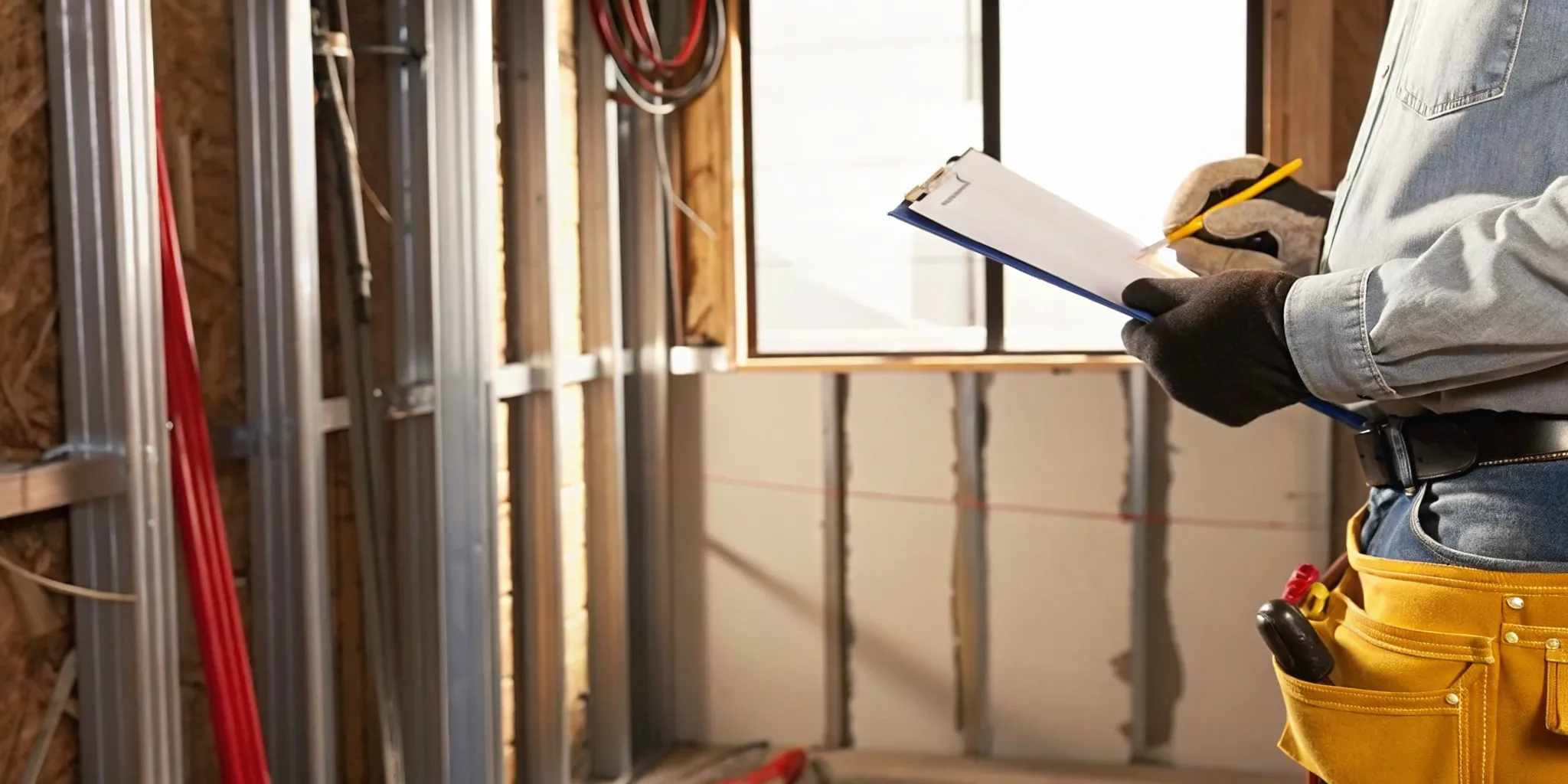
A Florida licensed contractor or home inspector can often help with these checks (Collier County). They know what the city looks for and can find problems before the official check. If the work fails the code, you must fix it right away. This might mean taking out parts of the old work and doing it over again. It is better to find these flaws before the city inspector arrives at your door.
The role of a compliance team
Trying to handle the city hall on your own can be hard and confusing. Many people use a team to clear property violations before closing to save time. These pros talk to the building office for you. They help gather the right papers and set up the checks you need. This allows you to focus on other parts of your move or sale.
While no one can promise a fast result, having help can reduce the stress of the process. A compliance team knows how to move things along in different cities across Florida. They can help you find a licensed pro to do the repairs if the city finds a flaw. This keeps your sale on track and helps you avoid closing delays from code issues during the deal. Working with pros ensures you do not miss any small steps that could lead to more fines.
How to protect the transaction and avoid closing delays
Buying or selling a home with unpermitted work in Florida can slow down your deal. To keep the sale on track, you must find and fix these issues early. A solid plan helps you avoid closing delays from code issues before they become deal breakers.
Check property records and permits early
Start by checking the permit history for the property. You can look up past permits at your local building department. This step helps you find work done without a permit before it shows up in an inspection. About 30 percent of homeowners do upgrades without getting the right permits first.
You should also order a code lien search to see if the property has any unpaid fines. Finding these links early can save you thousands of dollars in the long run. Municipalities in Florida often allow owners to apply for permits after work is already finished to make it legal.
Work with a team of experts
Handling unpermitted work often needs help from professionals. A municipal compliance specialist can guide you through the local rules. They know how to talk to city staff and can help you get the right paperwork fast. This team approach is key to clear property violations before closing without stress.
Your real estate lawyer and agent should also stay in the loop. They can write terms into the sales contract that protect your interests. If you find unpermitted work, these experts can help decide who pays for the fix. Proper planning ensures that property inspections for code violations do not stop your closing day from happening.
Review the cost of compliance
Fixing code issues takes both time and money. You may need a contractor to check the work or a licensed engineer to sign off on it. Knowing these costs early lets you adjust your budget or ask for a price drop. Quick action keeps the deal moving and prevents last minute surprises for the lender or insurer.
Need a practical resolution plan before your closing date? Explore Violation Clinic’s building code violation remediation service or request a consultation.
Frequently Asked Questions
Can you sell a house with unpermitted work in Florida?
Yes, you can sell a house with unpermitted work in Florida, but you must tell the buyer about it. Many owners find that about 30 percent of people do home upgrades without a permit. You might need to lower the price or fix the work before the sale is final. Most banks will not give a loan if they find work that is not legal. Telling the truth helps you avoid legal trouble later.
Do appraisers look for unpermitted work?
Appraisers check the home to see if the size and features match the city records. If they see a new room that is not on the tax roll, they will ask for a permit. According to the Collier County government, code property inspections look for unpermitted changes and non-conforming structures. If the work is not legal, the appraiser may not give any value to that space. This can cause the sale to fail because the loan will be too small.
Can you get a permit after the work is done in Florida?
Yes, you can often get what is called an after-the-fact permit in Florida. Many cities like Pasco County have a clear path for owners to legalize old work. You will need to hire a licensed pro to check the work and make sure it is safe. This may involve opening up walls so the city can see the wiring or pipes. Getting this permit is the best way to clear code issues and keep the closing on track.
What happens if you buy a house that has unpermitted work?
If you buy a home with unpermitted work, you take on all the legal risks and costs. The city might fine you or tell you to tear the work down. You should always get a code lien search to find unpaid fines before you buy. If you find issues late, you may have to pay thousands of dollars in old fees. Most insurance firms will also deny claims if a fire starts in a room that lacks a permit.
How can you resolve unpermitted work before your Florida property closing date?
A practical resolution begins with verified permit records, a clear assessment of the work, and coordination among the parties who can affect closing. Violation Clinic helps property owners and real estate stakeholders identify the municipal compliance path, organize required documentation, and manage the resolution process. Starting early gives the parties more options and reduces the chance of a permit issue becoming a closing-day surprise.
Ready to protect your Florida closing? Request a consultation with Violation Clinic to review the unpermitted work and define the next compliance steps.