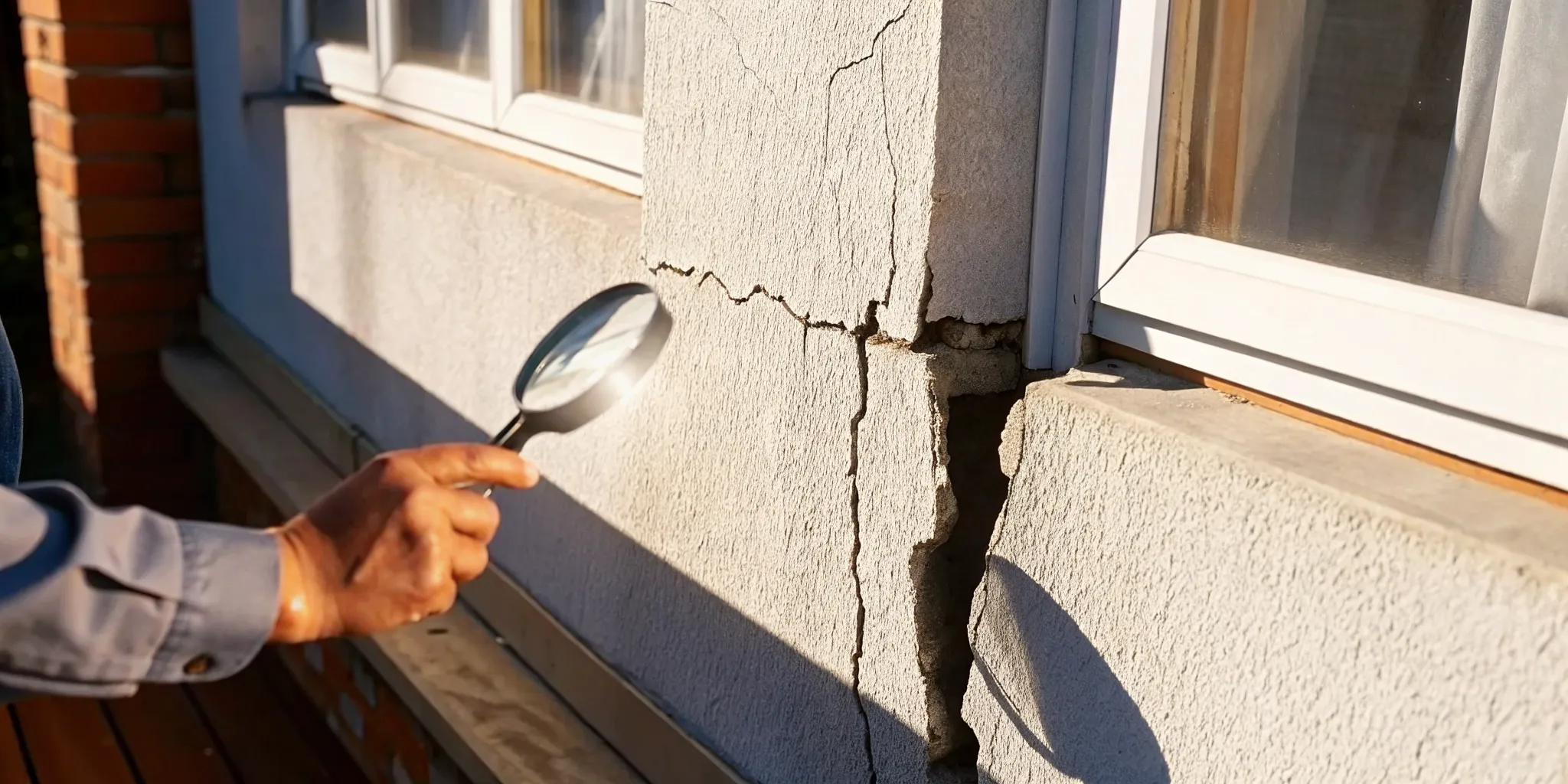
An unsafe structure board hearing notice is a legal summons that puts your property rights at risk. This administrative process in South Florida can result in costly fines or even a demolition order. You must act quickly to defend your investment before local officials take control.
The unsafe structure board florida is a legal group that reviews choices from building officials about unsafe properties to decide if they need repairs, evacuation, or demolition. Most owners face these hearings after they fail to fix building violations or miss key dates for the building recertification process. Since these boards can charge daily fines from $250 to $1,000, getting expert help is the best way to protect your property and your money. Miami-Dade County states the board meets once every month to hear cases and can keep or change the orders given by local building inspectors.
Moving through this hearing process requires you to know the building codes and understand what the board expects from you. Here is what the Unsafe Structures Board is, how the process works, and how you can protect your property.
Unsafe Structure Board Florida: What Is the Unsafe Structures Board in Florida?
The unsafe structure board florida is a group that reviews building department choices. In Miami-Dade County, this board is a quasi-judicial committee. Its job is to look at cases where a building official says a property is not safe. The board hears these cases to decide if the official made the right call. You can find more details about this at miamidade.gov.
Role of the board
This board does not just give advice. It has the power to change what happens to your property. The board can agree with the building official, change the order, or even stop it. They look at buildings that may be dangerous to people or life. This often happens because of old age, bad repairs, or storm damage. The building recertification process is one way local cities find these issues early.
Most boards meet once a month to hear new cases. In Broward County, the board meets on the third Monday of each month. They sit at the government center in Plantation. The board acts as a middle ground between you and the city. They listen to facts from both sides before they make a choice. According to broward.org, they can order repairs or even a full demolition.
Local board differences
Each city or county may run its board in a slightly different way. For example, North Miami set up its board through a city law in 2019. That board can have up to nine members. These members include engineers, architects, and contractors. This mix of experts helps the board understand complex building codes. You can learn more about these rules on the northmiamifl.gov website.
In the City of Miami, the process moves very fast. If you get a notice, you only have ten days to file an appeal. The city’s unsafe structures group handles these files and demolition permits. Dealing with these boards alone is hard for most owners. Professional Unsafe Structure Board representation can help you navigate these strict rules and deadlines.
Timeline and Process for an Unsafe Structure Board Hearing
The path to a hearing starts the moment you get a notice. You must act fast to protect your property and avoid big fines. In the City of Miami, you have just 10 days to file an appeal of an unsafe structure violation after you get the notice. Missing this short window can lead to a demolition order or heavy daily costs. Residential fines often reach $500 per day, but commercial property fines can hit $1,000 per day.
Initial steps and deadlines
Your first move is to read the notice of violation. It will list why the building is unsafe and what you must do to fix it. This is the time to get help from experts in building code violation remediation. You will need to hire a licensed engineer or architect to check the building. They must write a report that shows if the structure can be saved. If you wait too long, the city may take control of the case.
Preparing for the board
Once you appeal, the county or city will set a hearing date. Miami-Dade County notifies all parties when they schedule a case for the board. Before that day, you must submit a plan to fix the issues. This plan needs to show how you will get the building back to code. A strong plan can help you get more time from the board and avoid the worst results.
- Receive notice: You get an official letter that names the structure as unsafe.
- File appeal: You submit your appeal within 10 days to stop the clock on immediate action.
- Get reports: A licensed engineer visits the site and writes a report on the building’s safety.
- Submit plan: You send a full plan to the city to show how you will fix every issue.
- Board hearing: You or your experts go to the hearing to speak with the board members.
- Board decision: The board votes to approve your plan, change it, or order the building to be torn down.
- Compliance: You follow the board’s new timeline to finish the work and clear the violation.
The hearing day
At the hearing, a board of local experts will review your case. They look at the building official’s report and your own engineer’s findings. The board can choose to agree with the city or give you more time. Having a professional at the hearing can help you negotiate these deadlines. They know the rules and can show the board that you are taking the right steps to fix the property.
Who Sits on the Unsafe Structures Board?
The members of an unsafe structures board decide the fate of your property. These boards act like a court for building rules. Each member brings a specific skill to the table. Most cities in South Florida pick people with deep technical knowledge. This ensures the board can read complex plans and understand building safety risks.
North Miami board makeup
In North Miami, the board has up to nine members. This group follows strict rules for who can serve. The board must include a registered engineer and a registered architect. They also need licensed contractors for general building, electrical, and plumbing work. An attorney and a real estate appraiser sit on the board as well. A property manager and a local citizen fill the last two seats. You can find these rules in Ordinance 1434 which created the board.
This mix of experts allows the board to check every part of a case. They look at structural stability and code compliance. Because these members are licensed pros, they know exactly what to look for in your repair plans. They want to see that your project meets the high safety standards set by the Florida Building Code.
Broward County at-large members
The Broward County board also has nine members. Unlike some cities, these are at-large members. The Broward County Commission appoints each person to a three-year term. These members hear appeals from the building official. They have the power to change or reverse a safety decision. This board meets once a month to review cases and issue orders. Their goal is to make sure every building in the county is safe for the public.
Why our team fits the board model
Your case goes before a board of experts, so you need experts on your side. Our team at Violation Clinic aligns with the exact makeup of these boards. We staff our team with licensed building officials and certified inspectors. We also work with professional engineers and registered architects. We speak the same technical language as the board members who hear your case.
This shared knowledge helps us when we provide Unsafe Structure Board representation services for our clients. We know what evidence board members need to see. Our experts can review inspection findings and create corrective plans that the board will accept. We help you navigate the hearing process with a team that has been on both sides of the table. Working with people who know the rules makes the process much easier for you.
What Happens at the Hearing
On hearing day, the property owner or their representative appears before the board. The board reviews the Building Official’s findings, inspects all submitted engineering reports, and hears testimony from both sides. This is a formal proceeding, and the board expects a professional presentation of evidence.
Presenting Your Case
The board hears evidence from the Building Official first. The official explains why the structure was deemed unsafe, citing specific building code violations and inspection results. The property owner or their representative then presents their side of the case. This is where professional representation makes a significant difference. A licensed representative knows what evidence the board needs to see and how to present it clearly. They can submit corrective action plans, engineering reports, and permit applications that address the board’s concerns directly.
Board Deliberation and Decision
After hearing all evidence, the board deliberates and issues a written decision. The board can affirm the Building Official’s original finding, modify it, or reverse it entirely. Options include ordering repairs within a specific timeline, granting a compliance extension, or in severe cases, ordering demolition or occupant evacuation. In Broward County, the board meets monthly on the third Monday at 2:00 p.m. at the Government Center West in Plantation. Miami-Dade’s board meets once per month, with hearing dates advertised and all parties notified in advance. Knowing these schedules helps property owners prepare adequately.
How Representation Changes the Outcome
Violation Clinic’s team attends board hearings on behalf of property owners. They present corrective action plans, negotiate deadlines, and argue for reasonable compliance extensions. The goal is to avoid demolition orders and secure enough time to complete required repairs. With a former Senior Building Inspector on the team who understands how these boards think and operate, the chances of a favorable outcome increase significantly. For related matters, Violation Clinic also offers special magistrate representation services for property owners facing multiple legal fronts.
Consequences of Non-Compliance and How to Avoid Demolition Orders
Ignoring a notice from the unsafe structure board florida can lead to big costs and legal loss. The local government has the power to take fast steps to protect public safety. Owners often face high daily fines that grow until they fix the issues. Based on building code violation remediation services, home owners may pay $250 to $500 per day. Commercial fines can hit $1,000 per day.
Financial and Legal Risks
Past daily fines, the board can place a lien on your property title. This legal claim makes it hard to sell or get a new loan until you pay the debt. Often, insurance firms will end your policy if they find an unsafe building tag. These results lead to a big drop in property value and long-term money loss. You may also face a stop work order removal case if the city finds new work on the site.
The biggest risk is a demolition order. When a building is found to be dangerous, decayed, or unsound, the Miami-Dade County board has the power to order repairs, demolition, or for people to leave. If you do not act, the city may tear down the building and bill you for the cost. This leaves the owner with a bare lot and a large bill for the work.
How to Avoid Demolition
You can stop these results by acting fast and showing a clear plan to repair the site. Most boards will give you more time if you prove you are working toward the goal. You must submit a plan that shows how you will fix the building. This plan often needs technical reports from licensed pros like engineers or architects.
Professional help is the best way to talk with the board. Experts can help you file papers and ask for more time at the hearing. Our goal is to lower fines, stay out of court, and keep your property value high. Getting help early can turn a threat into a plan you can finish.
Why Professional Representation Makes the Difference
Property owners often wonder whether they can handle an Unsafe Structure Board hearing on their own. While it is technically possible, the risks are high and the board’s procedures are unfamiliar to most people. Professional representation changes the outcome in several measurable ways that directly affect your property’s future.
| Factor | DIY Approach | Professional Representation |
|---|---|---|
| Knowledge of local procedures | Limited to what you find online or at city hall | Deep insider knowledge across Miami-Dade, Broward, and City of Miami |
| Engineering and structural reports | Must find and vet your own licensed engineer | Coordinated through an established network of licensed professionals |
| Hearing presentation and advocacy | Unfamiliar with legal standards and board expectations | Experienced in board testimony, evidence rules, and persuasive presentation |
| Negotiation leverage for extensions | Limited ability to negotiate more time for repairs | Proven track record of securing compliance extensions from local boards |
| Cost of a bad outcome | Demolition order, accumulating fines, liens, and property value loss | Focused on avoiding worst-case outcomes and protecting your investment |
Violation Clinic brings a unique combination of qualifications that most representation firms cannot match. Founder Jeri Goodkin Dausey holds a Florida General Contractor license with 39 years of active experience and served 10 years as a Senior Building Inspector for the City of Miami Beach. The team includes licensed building officials, certified inspectors, registered architects, and professional engineers. This depth of expertise means they understand both what the board needs to see and how to deliver it effectively under pressure. Learn more about Unsafe Structure Board representation from a team that has been on both sides of the hearing table.
Frequently Asked Questions
What does “unsafe structure” mean?
An unsafe structure is a building or part of a building that is dangerous to the life, health, property, or safety of the public or its occupants. This includes structures that are damaged, decayed, dilapidated, structurally unsafe, or built on an unstable foundation where partial or complete collapse is possible.
What happens at an Unsafe Structures Board hearing?
The board reviews cases submitted by Building Officials, hears evidence from both sides, and makes a determination about whether a structure is unsafe. They can order repairs, demolition, or occupant evacuation, or they can grant compliance extensions with a corrective action plan.
How long do I have to appeal an unsafe structure violation in Miami?
In the City of Miami, you can appeal an unsafe structures violation within ten days of the violation date. Missing this deadline can result in automatic penalties, so it is critical to act quickly after receiving a notice.
Who sits on the Unsafe Structures Board?
Board composition varies by municipality. In North Miami, the board includes a registered engineer, architect, general building contractor, electrical contractor, attorney, plumbing contractor, real estate appraiser, property manager, and a citizen. The Broward County board consists of nine at-large members appointed by the County Commission.
Can the Unsafe Structures Board order demolition?
Yes. The board has authority to demand repairs, demolition, or occupant evacuation. However, with proper representation and a strong corrective action plan, it is often possible to negotiate compliance extensions and avoid demolition orders entirely.
What is the difference between the Miami-Dade USB and the Unsafe Structures Appeal Panel?
The Miami-Dade Unsafe Structures Board (USB) is a quasi-judicial advisory committee that reviews Building Official decisions. Separately, the Unsafe Structures Appeal Panel handles administrative hearings for unsafe structure violations in unincorporated Miami-Dade, specifically for single-family homes and duplexes.
Ready to Resolve Your Unsafe Structure Case?
Don’t navigate the Unsafe Structure Board hearing process alone. One wrong step could cost you thousands in fines or even your property. Violation Clinic has the expertise to represent you at hearings across South Florida, from Miami-Dade to Broward County. Our team of licensed professionals knows the system from the inside and fights to protect your property value.
We handle every part of the process: reviewing your violation notice, coordinating engineering reports, submitting corrective action plans, attending hearings on your behalf, and negotiating for compliance extensions. Our goal is to get you more time to fix the problem and avoid the worst outcomes like demolition orders.
Call us today at (833) 302-4567 to schedule a free consultation. You can also visit our Unsafe Structure Board representation page to learn more about how we can help you protect your property and your peace of mind.