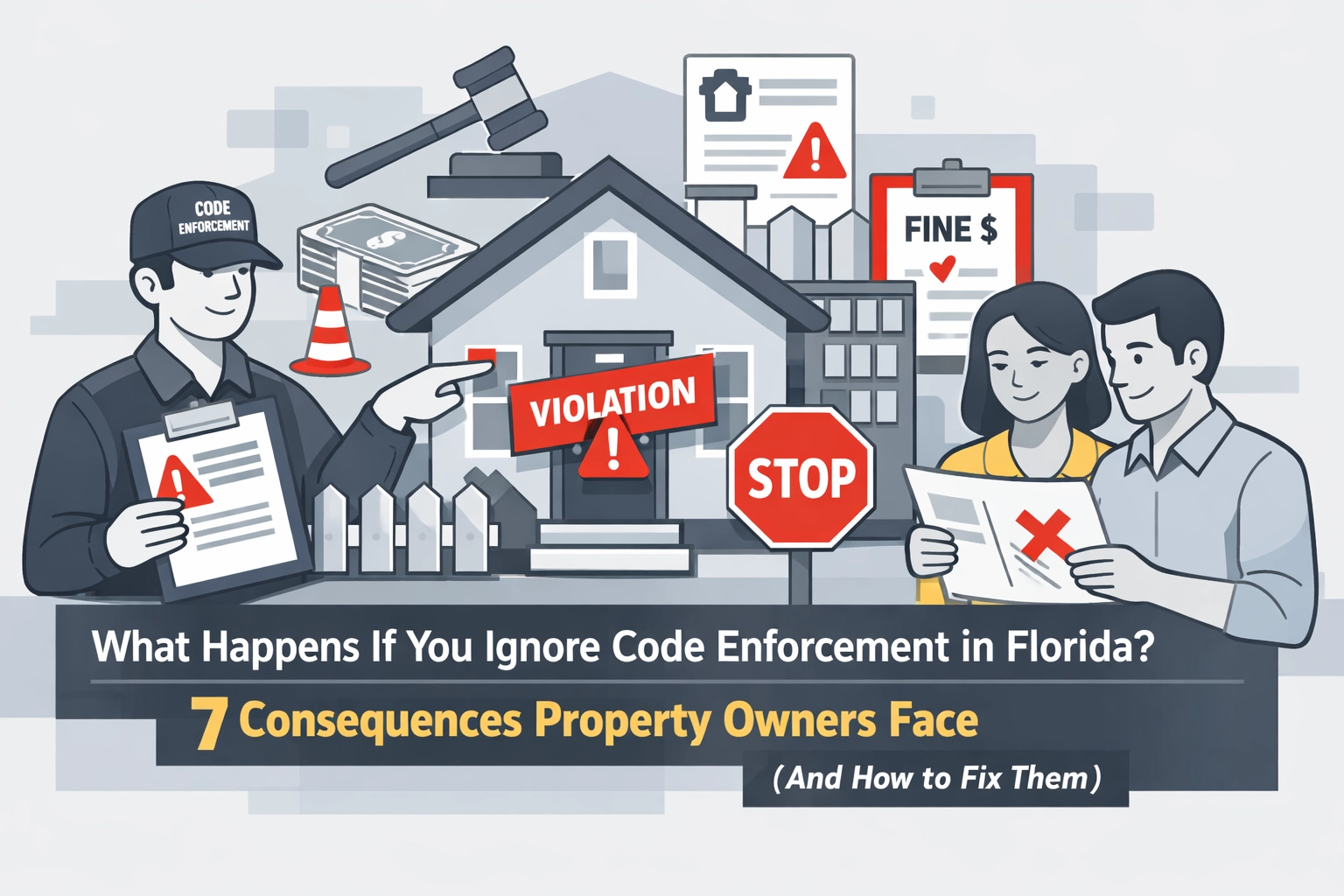
Ignoring a code enforcement notice in Florida isn't like ignoring a parking ticket: it's more like watching a snowball roll downhill and gain mass. What starts as a correctable violation can cascade into daily fines, property liens, and even foreclosure if you let it spiral out of control.
Whether you're a homeowner, landlord, or contractor, understanding what happens if you ignore code enforcement matters for one simple reason: the penalties escalate fast, and your options shrink with every passing day.
Here's what you're actually facing: and more importantly, how to fix it before it costs you your property.
The 7 Consequences of Ignoring Code Enforcement in Florida
1. Escalating Daily Fines That Never Stop Accruing
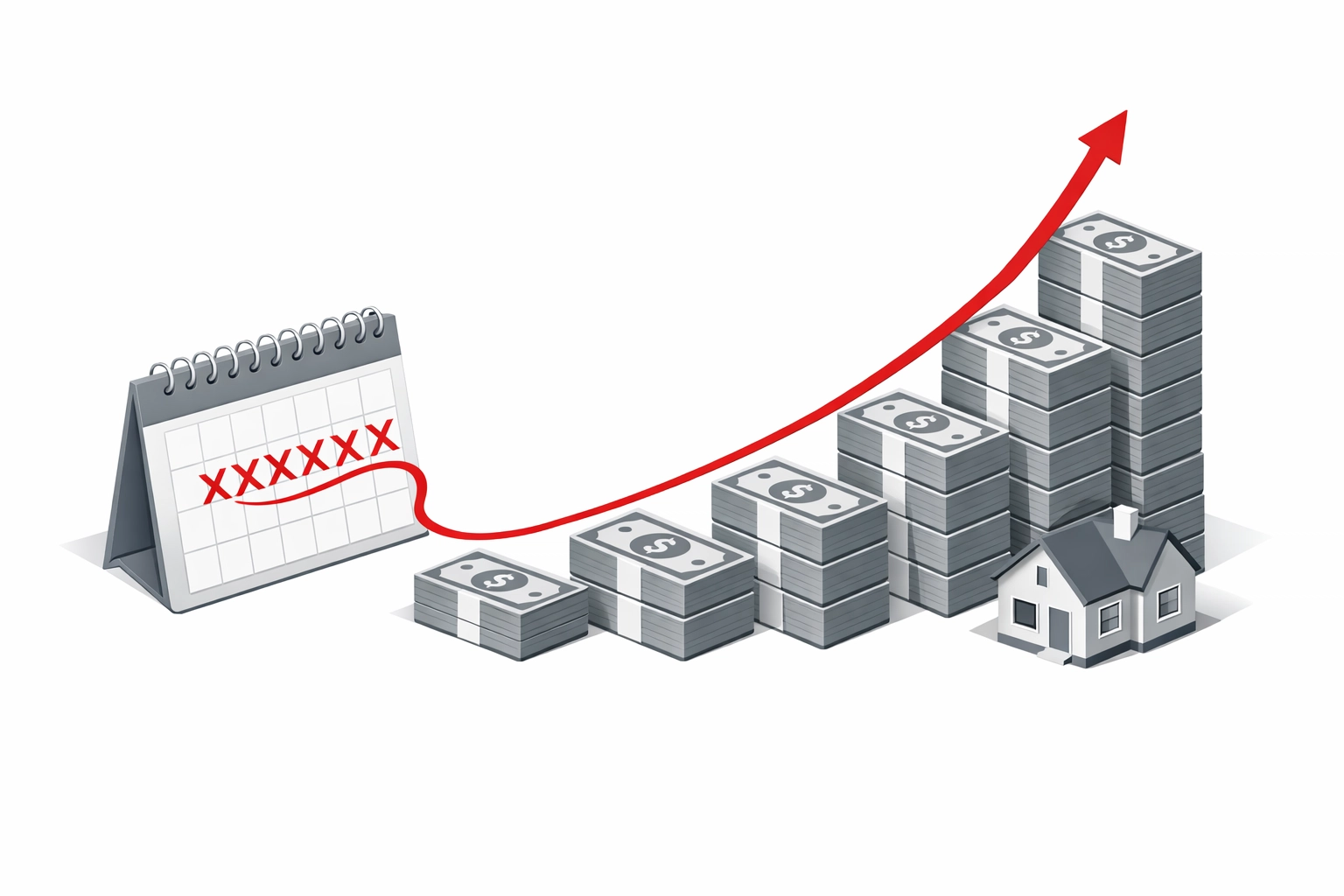
Code enforcement fines don't begin the moment an inspector spots a violation. They're imposed after a formal hearing where the violation is confirmed. But once that hearing happens and fines are authorized, the clock starts ticking: and it doesn't stop until you fix the problem.
Florida law allows jurisdictions to impose:
- Up to $250 per day for first-time violations
- Up to $500 per day for repeat violations
- Up to $15,000 per violation for irreparable or irreversible violations (think: illegal demolition, environmental damage)
These aren't one-time penalties. They're daily fines that accumulate every single day the violation remains unresolved. Miss the compliance deadline by 30 days? That's $7,500 for a first offense. Miss it by six months? You're looking at $45,000: for one violation.
And if you've got multiple violations on the same property, those fines stack.
2. Automatic Property Liens (That Follow You)
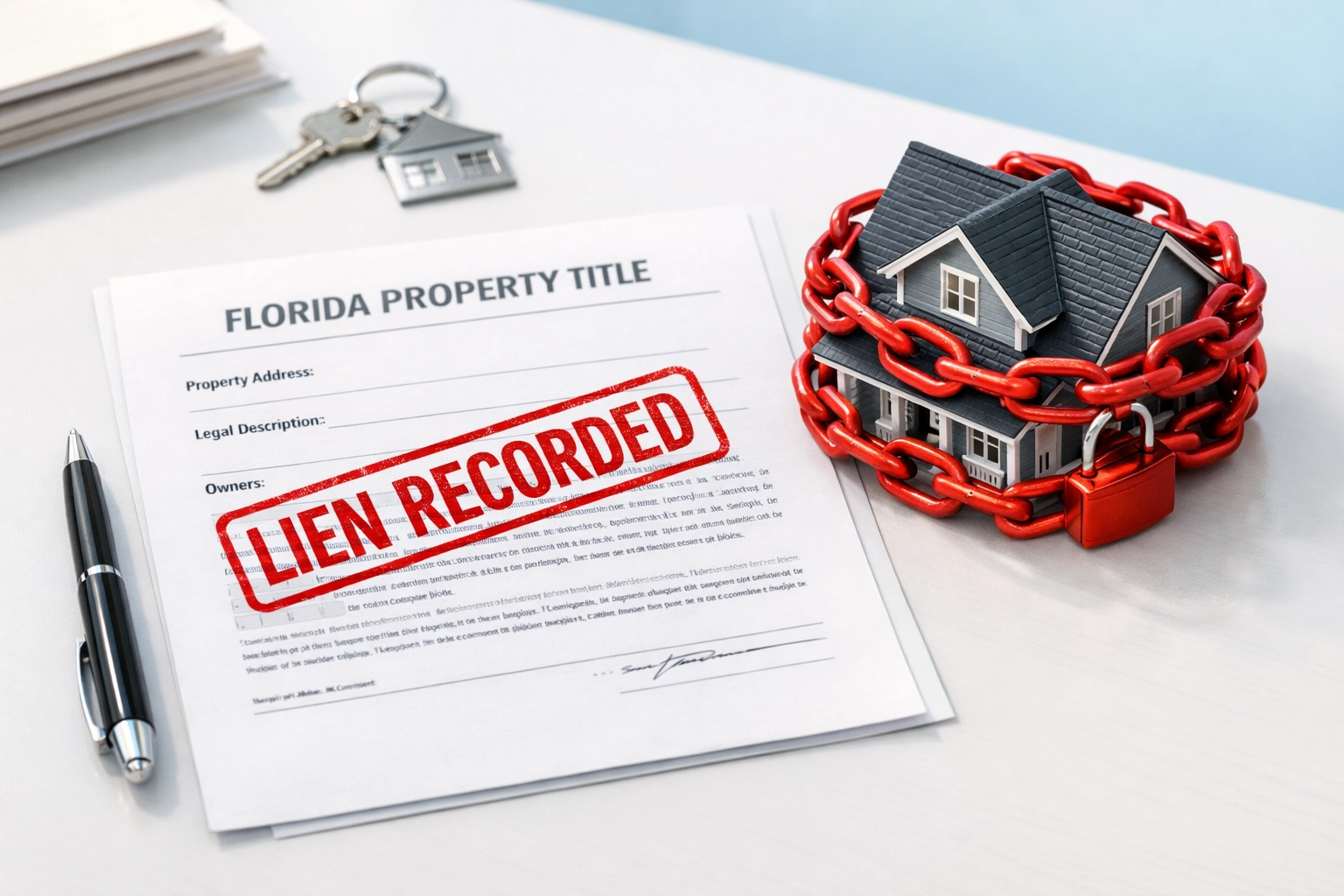
Once fines start accruing: typically within three months of the hearing: a lien is automatically recorded against your property. You don't get a warning. The jurisdiction files it, and it becomes public record.
Here's what makes Florida code enforcement liens particularly aggressive: they don't just attach to the property with the violation. In many jurisdictions, the lien can attach to other properties you own within that county or city limits.
The lien stays on your property until:
- The violation is corrected
- All fines are paid
- You negotiate a reduction (more on that later)
This isn't a minor administrative issue. It's a cloud on your title that affects your ability to sell, refinance, or leverage your property in any way.
3. You Can't Sell or Refinance Without Clearing the Lien
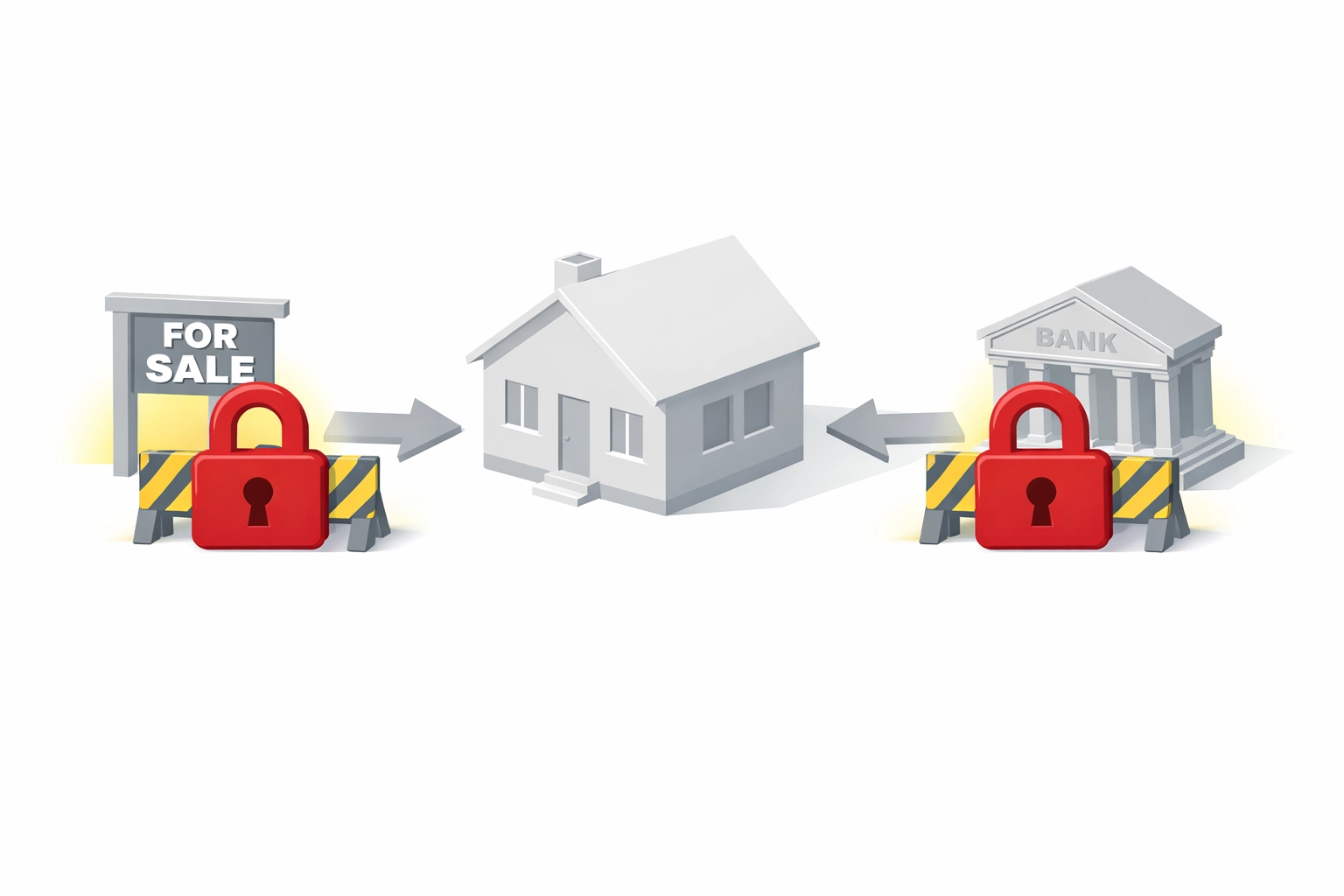
Try to sell a property with an active code enforcement lien, and you'll hit a wall during the title search. Potential buyers and their lenders will see the lien immediately: and most won't move forward until it's resolved.
The same applies to refinancing. Lenders won't approve loans on properties with unresolved liens because those liens take priority in the event of foreclosure.
What this means: your property becomes financially frozen until you address the violation and settle the fines. Real estate transactions that should take 30 days can drag on for months: or collapse entirely.
For more on how violations impact property transactions, check out our guide on Miami-Dade building code violations.
4. Interest, Administrative Fees, and Correction Costs Pile On
The daily fines are just the beginning. Florida jurisdictions can also add:
- Interest on unpaid fines (rates vary by jurisdiction)
- Administrative fees (commonly $100 per violation)
- Cost recovery charges if the jurisdiction takes corrective action on your behalf
That last one is critical. If you ignore an unsafe structure notice long enough, the jurisdiction may hire contractors to make emergency repairs or demolish the structure: then bill you for the full cost plus markup.
You're not just paying for the violation anymore. You're paying for enforcement, administration, and the city's contractors. The bill compounds fast.
5. Foreclosure Becomes a Real Possibility
This is the consequence most property owners don't see coming: code enforcement liens in Florida can lead to foreclosure.
Unlike other liens that simply cloud title, Florida law specifically grants jurisdictions foreclosure rights when accumulated fines exceed the property's equity or value. This is particularly common with abandoned properties, repeat violators, or cases involving multiple serious violations.
Once a foreclosure action is filed, you're dealing with a legal proceeding that can strip you of ownership. And because code enforcement liens take priority, mortgage lenders often can't stop it.
6. Repeat Violations Trigger Exponentially Higher Penalties
Get cited for the same violation type twice, and the penalties jump significantly:
- Daily fines can escalate to $5,000 per day
- Per-violation fines can reach $5,000 per violation
- Compliance timelines get shorter
- Lien reduction opportunities shrink
Florida's code enforcement system is designed to punish chronic violators harder. If you've received a Notice of Violation for unpermitted work, ignored it, and then got caught doing more unpermitted work later, you're no longer a first-time offender: you're a repeat violator facing five-figure penalties.
This is especially relevant if you've been hit with a stop work order in Florida or if you've got an expired building permit in Florida that you never closed out.
7. You Lose Negotiating Power
Here's the tactical mistake most property owners make: they wait too long to respond, then try to negotiate once fines have ballooned into five or six figures.
At that point, jurisdictions have less incentive to offer reductions. You've demonstrated that you only respond to maximum pressure. You've ignored notices, skipped hearings, and let fines accumulate. Why would they cut you a deal now?
The best time to negotiate is early: before fines start, or immediately after the hearing when you're still showing good faith. The longer you wait, the weaker your position becomes.
How to Fix Code Enforcement Violations (Before It's Too Late)
Respond to the Notice of Violation Immediately
When you receive a Notice of Violation, you're in the critical window. Before the violation goes to a formal hearing, you can often resolve it informally with the code enforcement officer.
This means:
- Contact the officer listed on the notice within 48 hours
- Schedule an inspection to discuss compliance options
- Request a reasonable compliance deadline
- Document everything in writing
The officer may delay the hearing to give you time to correct the issue. Once it goes to hearing, the process becomes formal, penalties get set, and your flexibility shrinks.
Correct the Violation and Request an Affidavit of Compliance
Once you've fixed the issue: whether that means pulling permits, completing repairs, or removing unpermitted structures: notify the investigating officer and request an Affidavit of Compliance.
This document formally closes the case and stops fine accrual. Without it, fines keep running even if you've corrected everything. The affidavit is your proof that the violation no longer exists.
Apply for Fine and Lien Reduction
After the property is fully compliant, you can apply for a fine and lien reduction. Most Florida jurisdictions allow this, but approval depends on:
- Whether you demonstrated good faith effort
- Your compliance history (no repeat violations helps)
- How quickly you responded after being cited
- Whether you attended hearings and communicated with officers
Some jurisdictions handle reductions administratively. Others require you to appear before the Code Enforcement Board, Special Magistrate, or even City Council. Be prepared to present evidence of compliance, receipts for repairs, and a clear timeline showing your responsiveness.
For detailed guidance on compliance fees and reduction strategies, see our article on the cost of compliance fees, fines, and deadlines explained.
Exercise Your Due Process Rights
You have the right to:
- Receive proper notice of hearings
- Challenge whether violations actually exist
- Present evidence and testimony
- Request reasonable compliance timelines
- Appeal findings within 30 days
If the violation was caused by a previous owner, if you're disputing the inspector's findings, or if you believe the penalty is disproportionate, make that case at the hearing. Don't wait until fines have accumulated for months.
Work With a Code Compliance Specialist
Navigating Florida's code enforcement system: especially across different counties with varying rules: requires specific expertise. A code compliance specialist can:
- Assess the violation and determine the fastest path to compliance
- Negotiate with code enforcement officers on your behalf
- Prepare documentation for fine reduction hearings
- Coordinate permit applications and inspections
- Represent you at hearings if needed
This is particularly critical if you're dealing with complex violations like red tagged buildings, expired permits, or multiple jurisdictions (common for property owners in Broward, Palm Beach, or Hillsborough County).
Don't Wait Until Fines Hit Five Figures
Code enforcement violations don't get better with time. The fines compound, your options narrow, and what could have been a $500 permit problem becomes a $50,000 lien threatening your ownership.
The key is speed: respond to notices immediately, correct violations before hearings, and apply for reductions as soon as you're compliant.
Violation Clinic helps Florida property owners and contractors navigate remediation, permitting, and compliance across all major jurisdictions. Whether you're dealing with an active violation, expired permits, or trying to clear liens before a sale, getting professional guidance early can save you tens of thousands in fines and legal costs.
Code enforcement and compliance requirements vary by jurisdiction. Always verify current requirements with local authorities or consult a licensed Florida compliance specialist.