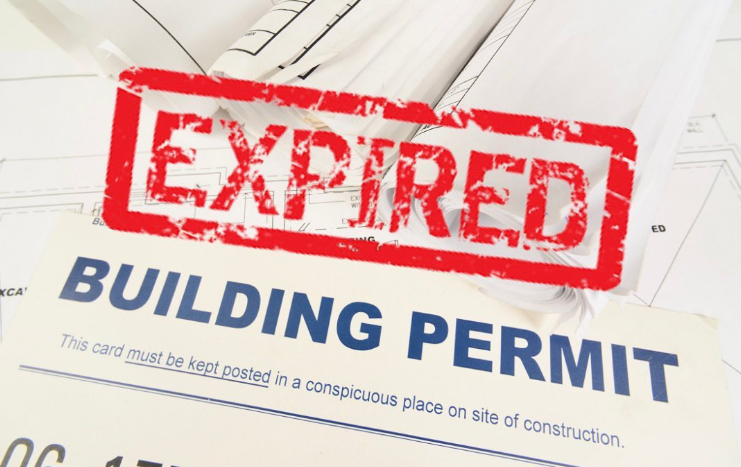
You started a home improvement project with the best intentions. You applied for the paperwork, hired a contractor, and construction began. Months later, life got busy, the project wrapped up, or maybe the contractor stopped showing up. You completely forgot about the paperwork sitting at the local building department.
Suddenly, a notice arrives in the mail or a bright warning gets slapped on your front door. Your building permit has officially expired.
An expired permit is one of the most common ways property owners find themselves facing code violations, unexpected fines, and title issues when trying to sell their homes. If you are dealing with an expired building permit, understanding the Florida Building Code is crucial. Under the Florida Building Code, standard permits are generally valid for 180 days from the date of issuance. If no work starts, or if construction stops for more than 180 days, the permit expires.
If you just discovered an open or expired permit on your property, do not panic. This comprehensive guide walks you through exactly what happens, why cities issue violations, and how to resolve the issue before fines spin out of control.
Why An Expired Permit Triggers Code Violations
Local code enforcement departments do not track expired permits just to be bureaucratic. Open, unfinalized paperwork creates serious risks for safety, property values, and structural integrity.
When a permit expires without a final inspection, the city assumes the work is unapproved or unsafe. This status triggers an official case against your property. Let’s look at the most common reasons property owners receive code violations and fines related to permits and maintenance:
- Unpermitted Construction: If an old permit expires, any subsequent work on that system is viewed as unpermitted construction. This can force you to tear open drywall just so an inspector can verify the wiring or plumbing behind it.
- Zoning Violations: Projects that sit unfinished for too long might fall out of alignment with updated local zoning rules. If your property violates setback lines or density rules during a prolonged delay, you could face severe penalties. You can read more about avoiding these land use traps in our guide to resolving zoning violations.
- Missed Inspections: A permit is not complete just because the physical work is done. It requires a series of mandatory progress checks and a final signoff. Missing these milestones is a direct violation of safety protocols.
- Neglected Property Maintenance: Often, an expired permit goes hand in hand with a site that looks abandoned. Overgrown grass, exposed building wraps, and loose debris quickly violate local aesthetic laws.
- Unsafe Conditions: Unfinished construction zones pose a physical hazard to neighbors and emergency responders. Exposed electrical wires, half built decks, or unreinforced structural frames threaten the community.
Actionable Steps to Handle an Expired Permit
If you have discovered an old open permit on your home or commercial building, follow these standard best practices to clear your property title and avoid fines.
Step 1: Research the Permit Status
Visit your local building department website or use their online portal to pull up your property history. Look at exactly when the permit was issued, which inspections were passed, and which milestones were missed.
Step 2: Determine if You Need a Renewal or a New Permit
If the work was mostly completed and you just missed the final check, the city might allow you to pay a simple renewal fee to reopen the existing paperwork. However, if the permit has expired for years or building codes have changed significantly, you may need to apply for an entirely new permit package.
Step 3: Schedule the Missing Inspections
Once the paperwork is active again, book the required site visits immediately. If you need assistance navigating municipal inspectors, check out our professional advice on managing inspections effectively to ensure you pass on the first try.
Step 4: Remedy Any Substandard Work
If an inspector finds work that fails current safety standards, do not argue. Hire a licensed professional to bring the construction up to par, and then schedule a reinspection.
Real World Example: The Danger of the Forgotten Final Inspection
Consider a practical example involving a homeowner in Broward County. The owner hired a pool company to build an outdoor deck and install a safety enclosure. The contractor completed the pool and deck, but neglected to schedule the final electrical and safety fence inspections. The pool company went out of business shortly after.
Three years later, the homeowner decided to sell the property. During the title search, the buyer’s real estate attorney discovered the expired permit. Because the final inspection never happened, local code enforcement had opened a violation case that accumulated daily fines. The total bill exceeded $7,500.
To resolve the situation, the homeowner had to hire a new licensed electrician to audit the wiring, pay the county to reactivate the expired permit, pass the structural inspection, and petition the local code board to reduce the accrued fines. This nightmare delayed the home sale by months and cost thousands in unexpected fees. This emphasizes why proactive tracking is so critical.
Best Practices to Prevent Future Code Violations
Maintaining compliance requires a proactive approach to property management. Use these essential tips to keep your property safe and legal:
Obtain Necessary Permits Before Starting Work
Never skip the administrative phase to save a few dollars. Unpermitted work always catches up with you during a property sale or after a severe storm when insurance adjusters review municipal records.
Establish a Calendar for Regular Inspections
When managing an active construction project, treat inspection dates like hard deadlines. Do not let a contractor convince you to skip progress checks.
Keep Up with Structural and System Safety
Your roofs, electrical panels, and plumbing systems must always meet the strict parameters outlined in the Florida Building Code. Regular maintenance prevents small wear and tear issues from turning into major structural violations.
Maintain Property Aesthetics and Safety
Keep the exterior of your property clean, lawn mowed, and structural surfaces painted. Code enforcement officers often spot permit issues simply because they stopped to investigate a neglected yard. Discover how minor adjustments prevent major headaches by reading our essential code compliance tips.
High Stakes Compliance: Florida Building Recertification
While expiring construction permits are problematic, missing legally mandated periodic inspections can cause even worse financial damage. In the State of Florida, building recertification is a strict statutory requirement designed to protect human life.
Following major structural failures in recent history, Florida expanded its rules regarding building safety. Under current guidelines, many commercial buildings and multi-family residential structures must undergo a comprehensive structural and electrical engineering audit once they reach a certain age, often 25 or 30 years old, with subsequent reviews every 10 years.
Failing to complete this mandatory check results in immediate, severe legal penalties:
- Initial fines typically start at $510 just for missing the filing deadline.
- Daily non compliance penalties can quickly escalate up to $10,000 for continued refusal to complete the audit.
- In extreme cases, the local municipality can declare the structure unsafe, order a total evacuation, and shut down business operations.
If your property is approaching its milestone anniversary, do not wait for a warning letter. Review the specialized Violation Clinic Building Recertification and Services to schedule an authorized engineering evaluation and protect your investment.
Related Posts
- How Much Does a Permit Expediter Cost in Florida?
- How to Legalize Unpermitted Work in Florida
- Managing Common Contractor-Related Permit Issues
Summary and Conclusion
An expired permit might feel like a minor paperwork issue, but it can quickly spiral into a legal and financial headache. Whether you are dealing with unpermitted construction, zoning conflicts, or missed structural inspections, ignoring the problem will only make it more expensive. By taking quick action to renew your paperwork, scheduling the necessary inspections, and staying updated on local Florida building regulations, you can secure your property title and avoid costly fines.
At ViolationClinic.com, we specialize in helping property owners navigate the recertification process smoothly. Whether you need assistance with inspections, violations, or compliance issues, our team is here to help. Don’t wait until it’s too late, take action today to protect your investment and ensure the safety of your building.
For more information or assistance, contact us at ViolationClinic.com!