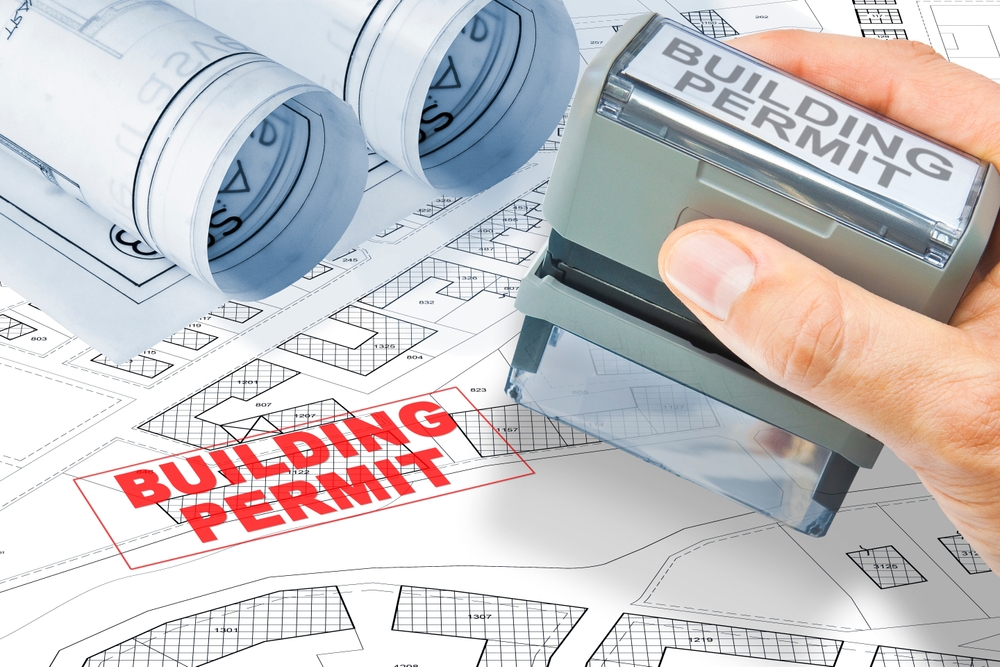
The landscape of property ownership in Florida is defined by sunshine, opportunity, and, critically, strict building codes. For both commercial and residential property owners, navigating the requirements set forth by local and state governments can feel like a complex, daunting task. However, at its core, the system of building permits and routine inspections is not designed to create unnecessary bureaucracy—it is a foundational pillar of public safety.
Permits are the invisible scaffolding that guarantees the structural integrity, health, and resilience of our built environment, particularly in a state prone to intense weather events. Ignoring these mandates, whether through oversight or intentional disregard, exposes property owners to severe legal, financial, and structural risks.
In this detailed guide, the experts at Violation Clinic break down why permits are non-negotiable, how code violations occur, and the proactive, actionable steps you must take to ensure long-term compliance and safety.
The Hidden Costs of Non-Compliance: Understanding Common Code Violations
Property owners often only fully grasp the importance of compliance when they receive an official Notice of Violation (NOV). This citation signals a failure to adhere to local ordinances or the Florida Building Code (FBC). These violations are costly, delaying construction, diminishing property value, and, most importantly, jeopardizing occupant safety.
Here are the most common reasons property owners in Florida receive code violations and fines:
1. Unpermitted Construction or Alterations
This is arguably the most frequent and severe violation. Any substantial change to a property’s structural, electrical, plumbing, or mechanical systems typically requires a permit. This includes everything from installing a new roof or HVAC system to remodeling a bathroom or enclosing a porch.
- The Risk: Without a permit, the work bypasses necessary inspections. This means faulty wiring, substandard materials, or dangerously compromised structural supports might be buried behind walls, posing immediate fire or collapse risks.
- The Solution: Always consult with a licensed contractor or code compliance specialist before commencing work. If you discover unpermitted work on an existing property, remedial action, often involving obtaining a “permit after the fact,” is necessary. For guidance on legalizing such work, visit our resource on Top 5 Building Violations That Can Halt Your Construction Project.
2. Zoning and Land Use Violations
Zoning codes dictate how land can be used (e.g., residential, commercial, industrial) and specify requirements like setbacks, height restrictions, and lot coverage. Violations often occur when owners change a property’s use without authorization (e.g., running a full-scale commercial business out of a residential home) or build structures too close to property lines.
- The Risk: These violations disrupt neighborhood harmony, impact property values, and can lead to costly demolition orders if the structure cannot be brought into compliance.
- The Solution: Review your local municipality’s zoning map and ordinances before starting any new development or changing the use of an existing property. Learn how to navigate these complexities with our in-depth guide to Understanding Zoning Violations: What Property Owners Need to Know.
3. Neglected Property Maintenance and Aesthetics
Many county and city ordinances enforce minimum standards for property appearance and upkeep to preserve community health and welfare. Common maintenance violations include:
- Accumulation of trash or debris that attracts pests or creates fire hazards.
- Overgrown grass, hazardous landscaping, or damaged fencing.
- Failing to repair severely deteriorated exterior surfaces, which can lead to structural damage from moisture intrusion.
4. Unsafe Conditions and Imminent Hazards
Violations are immediately issued when a property poses a direct threat to life, health, or public safety. Examples include unstable foundations, dilapidated balconies, exposed electrical wires, broken guardrails, or damage from fire, wind, or water that compromises structural integrity.
5. Missed or Skipped Mandatory Inspections
Routine inspections are designed to catch maintenance issues and structural degradation before they become catastrophic. Failing to schedule or pass mandatory inspections is a violation in itself, carrying increasingly severe consequences, especially under Florida’s new recertification laws.
The Legal Mandate: Building Recertification in Florida
For certain buildings in Florida, particularly condominiums and cooperative associations three stories or taller, periodic structural review is not just a suggestion—it is a strict legal requirement established by Florida Statute Section 553.899 (the “Milestone Inspection” law) and often reinforced by rigorous county ordinances, such as those in Miami-Dade and Broward counties.
This legislation was put in place to ensure the continued structural and electrical integrity of aging buildings, helping to prevent catastrophic failures like the one seen in Surfside. The recertification process requires a Phase I Milestone Inspection by a licensed architect or professional engineer when the building reaches specific age thresholds (typically 25 or 30 years, and every 10 years thereafter).
Fines and Enforcement
The penalties for non-compliance with recertification deadlines are severe because the safety risks are high. When a property owner or association fails to submit the required recertification reports or fails to initiate necessary repairs, local building officials have the authority to issue immediate sanctions.
Fines for continued non-compliance with the state’s mandatory inspection timeline can be substantial, with enforcement actions starting at penalties around $510 and rapidly escalating to fines as high as $10,000 for ongoing refusal to comply. In the most serious cases involving imminent danger, the building official can even order the evacuation and subsequent utility disconnect of the property.
If you are an association board member or property owner facing this complex legal requirement, proactive engagement is essential. Secure your building’s safety and avoid crippling penalties by utilizing Violation Clinic’s Building Recertification and Services.
The Roadmap to Compliance: Actionable Steps to Prevent Fines
Preventing violations is far easier—and infinitely less expensive—than resolving them after the fact. By prioritizing a culture of compliance, you can protect your investment and the safety of your occupants.
1. Obtain Necessary Permits, Every Time
A building permit acts as official permission to perform work, but more importantly, it is an implicit contract ensuring that the work will be inspected and verified to meet minimum safety standards set by the FBC.
- The Permit’s Role: It ensures compliance with the Florida Building Code, which is based on national model codes but amended for Florida’s specific needs, particularly for high-velocity hurricane zones (HVHZ).
- Tip: Always verify your contractor is licensed and that they pull the required permits before any work begins. A reputable contractor will insist on it.
2. Schedule Regular and Mandatory Inspections
Don’t wait for a violation notice to prompt an inspection. Utilize professional third-party inspectors to conduct voluntary, comprehensive checks of critical systems and structures. This proactive maintenance schedule is a core component of risk management.
- Mandatory Checks: This is especially true for buildings subject to the Milestone Inspection requirements outlined in Florida law. Staying ahead of these deadlines is vital. Find a comprehensive guide to inspection schedules on The Ultimate Guide to Navigating Building Violation Notices.
3. Ensure Structural and System Safety
The FBC, particularly the 8th Edition (2023) of the Florida Building Code, sets rigorous standards for structural stability, especially concerning wind loads and hurricane resistance. This includes standards found in Chapter 553, F.S.
- Structural Integrity: Routinely check load-bearing elements, balconies, foundation walls, and roofing systems for signs of stress, water intrusion, or corrosion—a frequent issue in coastal areas.
- System Integrity: Ensure your electrical and mechanical systems are functioning safely. The electrical portion of the FBC requires compliance with the National Electrical Code (NEC). Faulty wiring, outdated panels, and unmaintained HVAC systems are major fire hazards.
4. Maintain Property Aesthetics and Maintenance
General property maintenance is a direct reflection of overall property health. Addressing minor issues quickly prevents them from escalating into major structural or code violations.
- Curb Appeal and Compliance: Keeping a property clean, painted, and well-maintained signals to code officials that the owner is responsible, often preventing unwarranted initial inspection visits.
- Safety First: Ensure all pathways, stairs, and common areas are well-lit and unobstructed, adhering to FBC requirements for egress and accessibility.
5. Stay Informed About Local Florida Building Codes and Regulations
Building codes are not static; they evolve every few years to incorporate lessons learned from technological advances and natural disasters. Staying current is essential, as what was compliant 20 years ago may be non-compliant today.
The primary resource for Florida’s standards is the Florida Building Commission website, where you can access the latest editions of the FBC: Florida Building Commission. Local municipalities often adopt stricter, more specific administrative requirements, making local code review equally important.
Case Study: The Unpermitted Garage Conversion
To illustrate the importance of compliance, consider the hypothetical case of a Miami-Dade property owner, Mr. A.
The Violation: Mr. A hired an unlicensed handyman to convert his garage into a rental unit without obtaining any permits. The handyman incorrectly tied the new electrical wiring into the existing house panel, neglected to install the required fire-rated drywall, and failed to meet minimum ceiling height requirements mandated by the FBC Residential Volume.
The Trigger: A neighbor filed an anonymous complaint regarding noise and increased traffic. A Code Enforcement officer investigated and, upon recognizing the unpermitted structural change, issued a Notice of Violation for unpermitted construction and a violation of the local zoning ordinance.
The Financial Fallout:
- Initial Fine: $510 for unpermitted work and $100 per day for the continuing violation (which quickly escalated).
- Mitigation Costs: Mr. A had to stop all work immediately. He then hired a code compliance specialist (Violation Clinic) to initiate a permit-after-the-fact process, which required plans drawn up by a licensed architect and structural engineer to prove the safety of the current structure.
- Correction Costs: The illegal electrical work had to be completely redone, inspected, and permitted. The low ceiling required significant re-framing, and fire-rated barriers had to be installed, all under the supervision of the architect. This process cost $18,000—three times the original cost of the illegal construction.
- Final Resolution: After 90 days, the violation was cleared, but not before Mr. A accrued over $5,000 in daily fines and thousands in professional fees.
The Lesson: Mr. A’s attempt to bypass the permit process ultimately cost him well over $23,000 in fines, remediation costs, and professional fees. Proactive compliance is always the most economical and safest route.
Related Posts and Resources
- Real Estate Closings: Avoid Delays From Code Issues
- Understanding Construction Code Requirements
- Importance of Building Recertification in Florida
- Understanding the Role of Code Enforcement
Conclusion: Safety is the Ultimate Compliance
Building permits and code compliance are not merely regulatory hurdles; they are instruments of public safety and property preservation. From ensuring that your home can withstand hurricane-force winds (a primary function of the Florida Building Code) to guaranteeing the structural integrity of a 30-year-old high-rise through mandatory inspections, adherence to these laws is non-negotiable.
At ViolationClinic.com, we specialize in helping property owners navigate the recertification process smoothly. Whether you need assistance with inspections, violations, or compliance issues, our team is here to help. Don’t wait until it’s too late, take action today to protect your investment and ensure the safety of your building.
For more information or assistance, contact us at ViolationClinic.com!