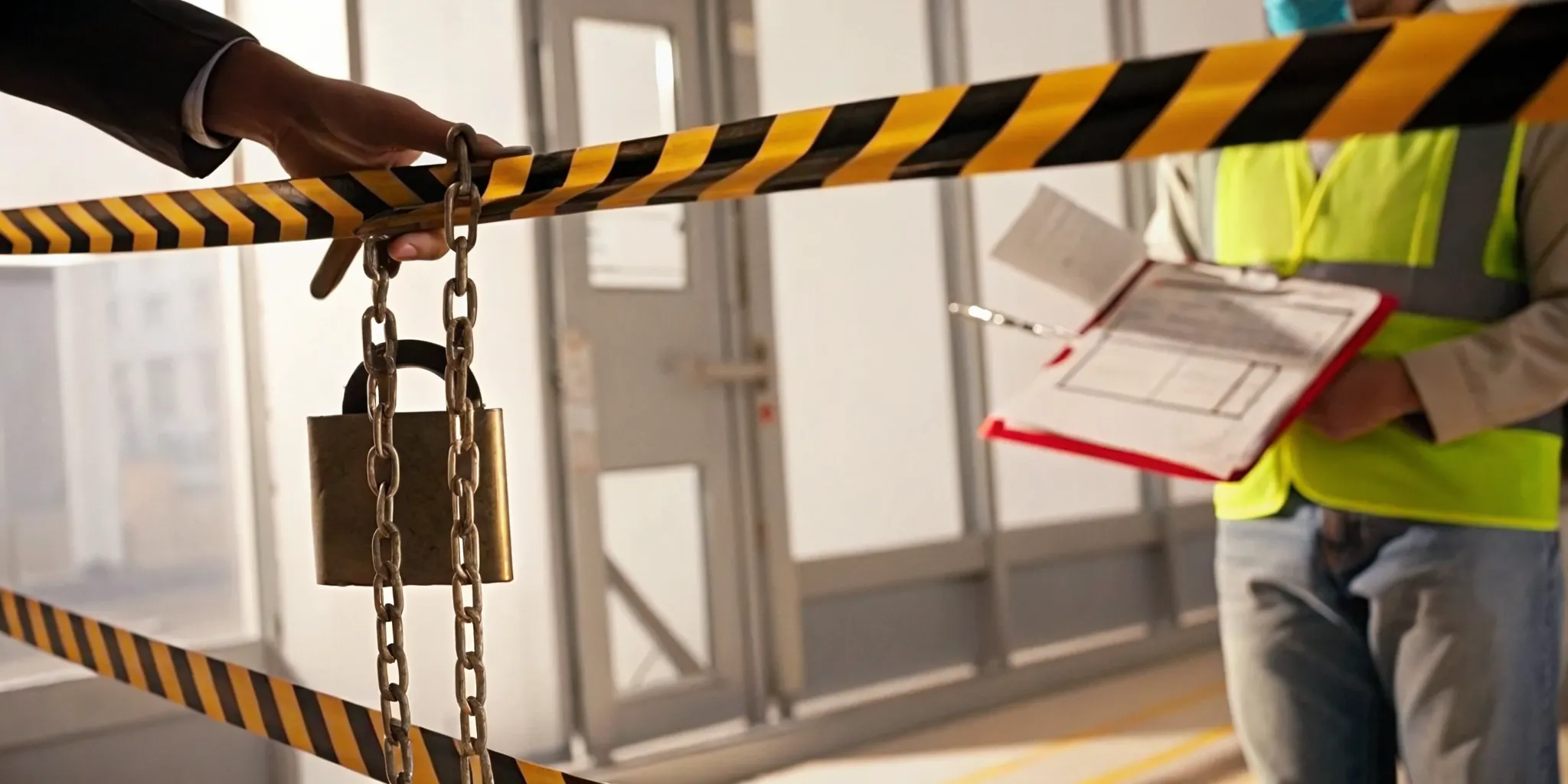
You’ve invested a lot in your property, and every improvement should add to its value, not put it at risk. That’s why understanding the permit process is so important before you begin any work. It’s not just about paperwork; it’s about protecting your financial future. Unpermitted construction can make it nearly impossible to sell your property, get insurance, or secure financing down the road. The financial penalty for building without a permit is only the beginning. The real cost comes from the long-term damage to your property’s value and marketability. This article will break down the specific ways violations can impact your investment and how to ensure your project is a success from the start.
Key Takeaways
- Permits are essential for most renovations: Any project that touches your property’s structure, electrical, or plumbing systems almost certainly needs a permit. Ignoring this can lead to significant fines, project shutdowns from stop-work orders, or even forced demolition.
- Unpermitted work creates financial roadblocks: Selling, refinancing, or insuring a property with unpermitted construction is extremely difficult. Lenders and insurance companies avoid the liability, which can kill deals and reduce your property’s market value.
- You can resolve permit violations proactively: The best approach is to research local codes and hire licensed contractors from the start. If you find existing unpermitted work, you can often legalize it with a retroactive permit by working with the building department and qualified professionals.
What Counts as Building Without a Permit?
It’s easy to get confused about which home projects need an official green light from the city and which ones you can tackle over a weekend. The term “unpermitted work” often brings to mind major illegal additions, but it can also apply to much smaller jobs. Understanding the difference is the first step to keeping your property compliant and avoiding serious penalties down the road. The rules aren’t there to create headaches; they exist to ensure all work is done safely and up to code.
Projects That Require a Permit in Florida
So, what kind of work actually lands you in permit territory? In Florida, the rules are quite clear. You will generally need a permit for any new construction or for projects that alter your property’s core systems. This includes obvious jobs like building an addition, but it also covers most structural alterations, demolitions, and roofing projects.
Any work that involves your home’s electrical, plumbing, or mechanical systems will almost always require a permit to ensure it’s done safely. Even projects like installing new windows, doors, or certain types of fences can fall under this requirement, depending on your local municipality’s rules. If you’ve already completed work like this without approval, the process of legalizing unpermitted work is your necessary next step.
Common Permit Myths, Debunked
Let’s clear up a few common misunderstandings about building permits. First, not every single home improvement project requires one. Simple cosmetic updates like painting, laying new tile, or installing standard cabinets typically don’t require you to file paperwork with the building department. These are considered minor changes that don’t affect your home’s structure or safety systems.
Another big myth is that you can skip the permit if you’re doing the work yourself. That’s simply not true; the rules apply whether you hire a licensed contractor or go the DIY route. A great rule of thumb is this: if the project touches your home’s structure, wiring, or plumbing, you should plan on getting a permit. When in doubt, getting expert advice is always the safest bet.
What Are the Legal Consequences of Unpermitted Work?
Skipping the permit process might seem like a tempting way to save time and money on a construction project, but it’s a gamble that rarely pays off. Unpermitted work can lead to a cascade of problems that are far more expensive and stressful than getting the right approvals from the start. When the local building department discovers work done without a permit, they don’t just look the other way. The consequences can range from hefty fines to legal orders that halt your project indefinitely.
Ignoring these requirements can lead to severe financial penalties, mandated demolition, and long-term legal issues that far outweigh the cost of proper planning. These aren’t just empty threats; they are real actions taken by municipalities across Florida to enforce safety standards and protect property values. Whether you’re a homeowner doing a DIY renovation or a developer overseeing a large project, understanding the potential fallout is the first step in protecting your investment. If you find yourself in this situation, our team has extensive experience in resolving compliance issues and can help you find a path forward.
Facing Fines and Financial Penalties
The most immediate consequence of unpermitted work is almost always financial. Florida’s building codes are clear, and municipalities have the authority to issue significant fines for violations. These penalties aren’t just a slap on the wrist; they can quickly add up to thousands of dollars. The exact amount often depends on the scope of the unpermitted work and how long the violation has existed. You may be required to pay double the original permit fee or even face daily fines until the issue is resolved. The specific fees are outlined in Section 109 of the Florida Building Code, making it clear that this is a structured and serious enforcement process.
Stop-Work Orders and Legal Action
Imagine your project coming to a sudden, complete stop. That’s exactly what happens when a building inspector issues a stop-work order. This legal notice is posted on your property and prohibits any further construction until the permit violations are addressed. A stop-work order freezes your timeline, creates scheduling nightmares with contractors, and leaves your property in a state of disarray. If work is halted for 180 days, your original permit may expire, forcing you to start the application process all over again. This delay not only costs you time but also adds significant expenses for new permits and potential contractor rescheduling fees.
The Possibility of Forced Demolition
In the most severe cases, the building department may determine that the unpermitted work is unsafe or cannot be brought up to code. This can happen if the construction violates zoning regulations, compromises the structural integrity of the building, or uses improper materials. When this occurs, the city or county can issue a demolition order. This means you would be legally required to tear down the unpermitted structure at your own expense. You would not only lose the money invested in the construction but would also have to pay for the demolition and removal, turning your initial project into a total financial loss.
What Specific Penalties Can You Face in Florida?
When you bypass the permitting process, you’re not just bending a rule; you’re stepping into a field of potential legal and financial landmines. Florida’s enforcement of its building code is robust, and the penalties are designed to be a serious deterrent. The consequences aren’t just a slap on the wrist. They can range from hefty fines that grow daily to stop-work orders that bring your project to a screeching halt, leaving you with a half-finished structure and a growing list of expenses.
In more severe cases, you could even be ordered to tear down the unpermitted work, forcing you to absorb a total loss on your investment of time and money. Imagine pouring your savings into a new addition, only to be told it has to be demolished. These penalties are not abstract threats; they are concrete measures local authorities use to ensure public safety and maintain property standards across the state. Understanding the specific ways Florida enforces these rules is the first step in protecting yourself and your property from long-term complications. The initial cost and time spent on getting the right permit are tiny compared to the financial and legal headaches you could face down the road.
How Florida Enforces Its Building Code
Florida takes construction standards seriously, and the primary tool for enforcement is the Florida Building Code. This comprehensive set of regulations governs everything from minor repairs to major new construction. According to Section 105 of the code, nearly all construction and remodeling work requires a permit. This isn’t just about paperwork. Permits trigger inspections, which are crucial checkpoints to confirm that all work is done safely and correctly. By enforcing the code, local building departments ensure that structures can withstand hurricanes, that electrical systems won’t cause fires, and that plumbing is installed properly. This system is in place to protect you, future owners, and the community.
Daily Fines That Add Up Quickly
One of the most immediate consequences of unpermitted work is financial. Local code enforcement can issue fines that accumulate for every day the violation remains unresolved. What might start as a manageable penalty can quickly spiral into thousands of dollars. Ignoring these requirements can lead to severe financial penalties that far outweigh the original cost of the permit. The city or county can also place a lien on your property for the unpaid fines, which complicates your ability to sell or refinance until the debt is settled. These fines are a powerful incentive to resolve violations promptly and follow the proper procedures from the start.
The Risk of Criminal Charges
While it may sound extreme, failing to obtain a required permit can sometimes lead to criminal charges. Under Florida law, knowingly violating building codes can be classified as a misdemeanor. This is especially true for contractors who repeatedly flout the rules or for property owners whose unpermitted work creates a serious safety hazard. The specific fees and penalties are outlined in Section 109 of the Florida Building Code. While criminal prosecution isn’t the most common outcome, it remains a real possibility for significant or repeated offenses. It underscores just how seriously the state considers the permitting process and the safety standards it upholds.
How Permit Violations Affect Your Property’s Value
Beyond the immediate stress of fines and legal notices, unpermitted work delivers a quiet but powerful blow to your property’s financial health. These violations can seriously undermine your investment, creating long-term problems that often surface when you decide to sell, refinance, or insure your home or building. Think of a clean permit history as a core part of your property’s foundation; without it, the entire structure of its value becomes unstable. Understanding these financial risks is the first step toward protecting your asset.
Making Your Property Harder to Sell
Selling a property with unpermitted work is an uphill battle. Most savvy buyers and their agents will uncover these issues during the due diligence process, and it’s a major red flag. An unpermitted addition or renovation means the property may not have a valid Certificate of Occupancy, which is the official document proving it’s safe and legal to live in. This can make a property nearly impossible to sell through traditional channels. Potential buyers will likely walk away, ask for a massive price reduction to cover their risk, or demand that you legalize the work before closing. Handling these compliance issues is essential to ensure a smooth and profitable sale.
Complications with Financing and Insurance
If a buyer can’t get a loan, you can’t sell your property. Lenders are extremely cautious about financing properties with unpermitted structures because they represent a significant liability. As one expert noted, you often “won’t be able to get a loan or insurance for a building that was constructed without permits.” Banks see the risk that local authorities could impose costly fines or even order the illegal work to be torn down, which would damage their collateral. Similarly, insurance companies may refuse to issue a policy or deny a claim related to the unpermitted part of the property. If unpermitted wiring causes a fire, for example, your claim could be rejected, leaving you with the full cost of repairs.
Issues with Your Certificate of Occupancy
A Certificate of Occupancy (CO) is the city’s official stamp of approval, confirming that a building is safe and up to code. Unpermitted work puts your CO in jeopardy. If the work is discovered, the city can revoke your existing certificate or refuse to issue a new one until the problem is fixed. In the worst-case scenario, authorities can force you to remove the unpermitted construction entirely. If the work is found to be non-compliant, you may be “ordered to demolish and remove the entire structure or improvement at their own expense.” This means you not only lose the money you invested in the project but also have to pay for its demolition, turning your initial investment into a total financial loss.
Can You Fix Unpermitted Work After the Fact?
Discovering unpermitted work on your property can feel overwhelming, but it doesn’t have to be a dead end. While you can’t turn back time, there are clear steps you can take to legalize the construction and bring your property into compliance. The process requires patience and the right expertise, but resolving the issue is entirely possible. It’s not about hiding the problem, but about facing it head-on with a solid plan. By understanding the path to legalization, from applying for the right permits after the fact to working constructively with your local building department, you can protect your investment and gain peace of mind. Here’s how you can approach fixing unpermitted work.
Applying for a Retroactive Permit
Yes, you can often apply for a permit after the work is already done. This is typically called a retroactive permit. The process involves submitting an application to your local building department to have the existing work inspected and approved. However, it’s not always straightforward. You’ll need to prove that the construction meets all current building codes, which may be stricter than the codes in place when the work was originally completed. This could mean you have to make additional, sometimes costly, updates. Expect to pay fines and fees as part of this process for legalizing unpermitted work. It’s the building department’s way of addressing the initial failure to obtain a permit.
The Role of a Structural Engineer Inspection
If the unpermitted work involved structural changes, like moving walls or altering rooflines, you’ll likely need a licensed professional to get involved. Since the building department couldn’t perform its standard inspections during construction, it will require a qualified third party to vouch for the work’s safety and integrity. A structural engineer or architect will need to inspect the property, assess its compliance with building codes, and provide sealed drawings and a letter taking professional responsibility for the structure. This report gives the building official the assurance they need to approve the work after the fact. Getting this professional assistance is a critical step in the legalization process.
How to Work with the Building Department
Dealing with the building department can seem intimidating, but open communication is your best strategy. It’s essential to be upfront about the unpermitted work and show that you’re committed to making things right. Hiding the issue or providing incomplete information will only lead to bigger problems and higher fines. Be prepared to provide any necessary documentation, schedule inspections, and pay the associated penalties. If you’re unsure how to handle these conversations or what to prepare, it’s a good idea to get in touch with an expert who can represent you. A professional can manage the process, ensuring everything is handled correctly and efficiently.
How to Avoid Permit Problems from the Start
The easiest way to deal with a permit violation is to never get one in the first place. While that might sound obvious, many property owners find themselves in trouble simply because they weren’t aware of the rules or tried to cut a corner. Being proactive is always less stressful and less expensive than trying to fix unpermitted work after the fact. A little bit of planning can save you from hefty fines, stop-work orders, and major project delays that can derail your entire timeline and budget.
Think of the permitting process not as a hurdle, but as a safeguard. Permits ensure that any work done on your property is safe, sound, and up to code, protecting your investment and anyone who sets foot on it. This official approval is your proof that the construction meets critical safety standards, which is important for insurance, financing, and the future sale of your property. Getting everything right from day one means your project will run more smoothly and you won’t have to worry about legal headaches down the road. If you’re already facing a violation, our team has the expertise to help you resolve it quickly. But if you’re just starting out, following a few key steps can keep you in the clear. Let’s walk through how you can set your project up for success.
Research Local Building Requirements
Before you even think about knocking down a wall or breaking ground, your first step is to do some research. Building codes and permit requirements can vary significantly from one place to another, so what’s allowed in Miami-Dade might be different in Broward County. Permits are the official way to ensure your project complies with all local safety and construction standards. Start by visiting your local building department’s website or giving them a call. Find out exactly what kind of permit your specific project requires. Don’t assume a small job doesn’t need one; many simple upgrades still require official approval. This initial homework is the foundation of a successful and violation-free project.
Hire Licensed Professionals
Unless you’re an experienced contractor yourself, it’s always best to hire licensed and insured professionals. In Florida, most permits for electrical, plumbing, and mechanical work must be pulled by a licensed contractor. This isn’t just a rule, it’s for your protection. A licensed professional understands the Florida Building Code and has experience with the local permitting process. They can manage the application, make sure the work passes inspection, and take responsibility for the project’s compliance. While it might be tempting to hire a cheaper, unlicensed handyman, the risk isn’t worth it. Faulty work can lead to dangerous situations and costly violations that you’ll be responsible for fixing.
Understand the Permit Application Process
The permit application process can feel a bit intimidating, especially if you’ve never done it before. It typically involves submitting detailed plans for your project, filling out specific forms, and paying the required fees. Once the permit is issued, you’ll also need to schedule inspections at various stages of the project to ensure the work is being done correctly. Skipping this process can lead to serious penalties. It’s a critical step that certifies your project is safe and legal. If you find the paperwork and regulations overwhelming, don’t hesitate to ask for help. Our team at Violation Clinic can guide you through every step, ensuring your application is complete and correct from the start. You can contact us to learn more.
Related Articles
- 7 Mistakes You’re Making with Florida Permits (and the Penalty for Not Pulling a Permit in Florida)
- Dealing with Building Violations in Florida: A Local’s Guide
- Penalty for Not Pulling a Permit in Florida: 7 Costly Mistakes Property Owners Make (And How to Fix Them)
- 7 Mistakes You’re Making With an Expired Building Permit in Florida (and How to Fix Them)
- The Ultimate Guide to an Expired Building Permit in Florida: Everything You Need to Succeed
Frequently Asked Questions
What should I do if I discover unpermitted work done by a previous owner? Discovering unpermitted work after you’ve bought a property is a stressful but common situation. The responsibility for bringing the property into compliance now falls on you as the current owner. The best first step is to not ignore it. You should contact a professional who specializes in resolving these issues. They can assess the scope of the work, determine what’s needed to make it legal, and represent you when dealing with the local building department to secure retroactive permits and inspections.
Do I really need a permit for a smaller project like replacing a water heater or building a deck? Yes, you often do. While minor cosmetic updates like painting don’t require a permit, projects involving your home’s core systems do. Replacing a water heater involves both plumbing and electrical systems, so it almost always requires a permit to ensure it’s installed safely. Likewise, building a deck is a structural addition that needs to meet specific safety codes. A good rule of thumb is that if a project touches your home’s structure, plumbing, electrical, or mechanical systems, you should plan on getting a permit.
Is it more expensive to get a retroactive permit than it would have been to get one originally? Yes, it is almost always more expensive. When you apply for a permit after the work is done, you can expect to pay the original permit fee plus significant penalties. These often include double or triple the standard fee and may involve daily fines that have accumulated since the violation was noted. You may also have to pay for an engineer or architect to inspect and approve the work, and potentially open up walls for inspection, adding to the overall cost.
Who is responsible for getting the permit, me or my contractor? While a licensed contractor typically handles the process of pulling the permit, the ultimate legal responsibility rests with you, the property owner. This is why it is so important to hire licensed and insured professionals who understand the local codes. Before any work begins, you should confirm with your contractor that the necessary permits have been secured and ask to see a copy for your records.
What’s the first thing I should do if I receive a violation notice from the city? The most important thing is to act quickly and not ignore the notice. These notices have deadlines, and waiting will only lead to higher fines and more complicated legal issues. Your first step should be to read the notice carefully to understand the specific violation. Then, contact an expert in code compliance. They can help you understand your options, communicate with the building department on your behalf, and create a clear plan to resolve the issue efficiently.