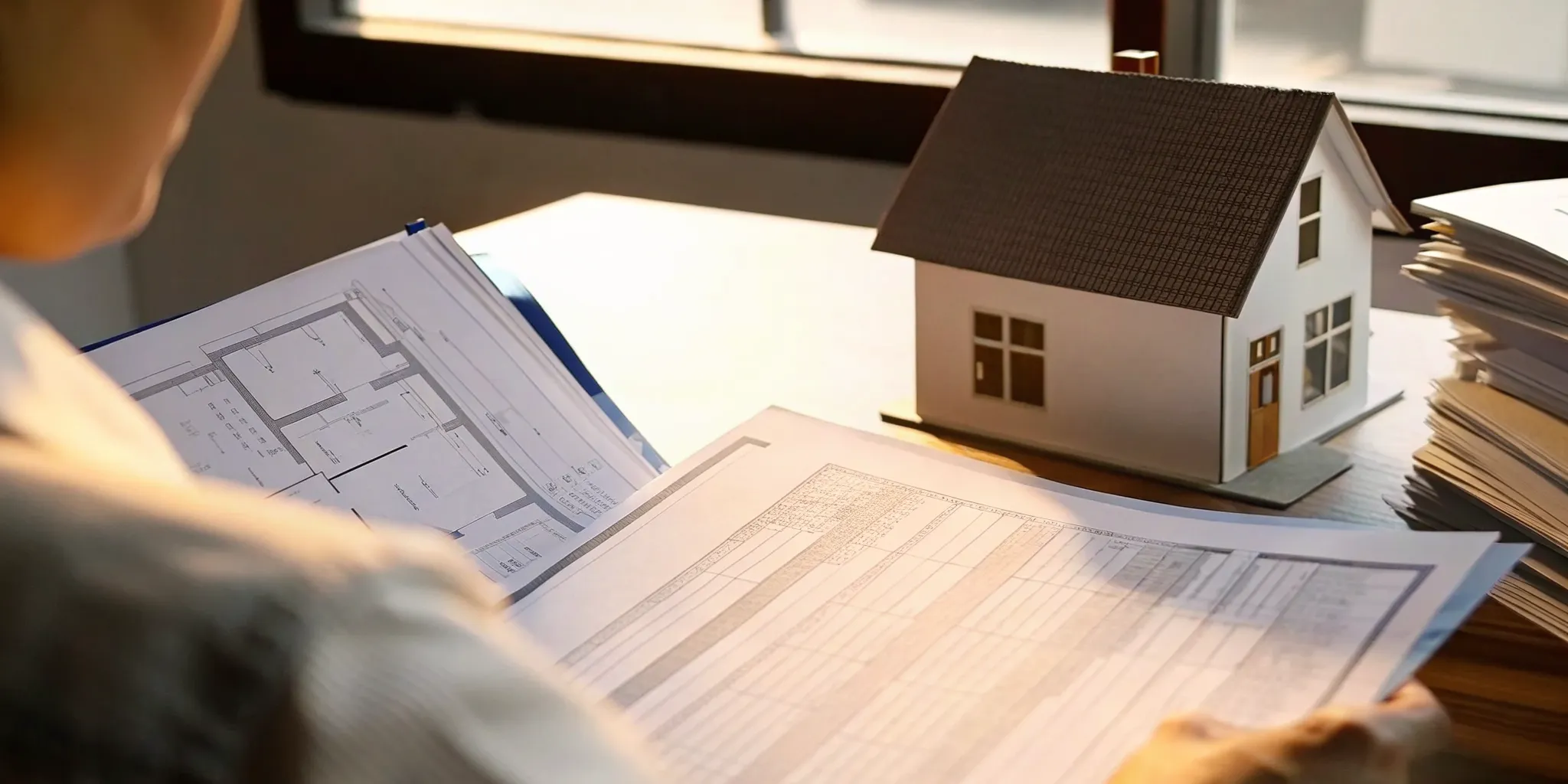
A zoning violation letter starts a clock that can threaten your property and transaction. The safest response is prompt, documented, and based on the exact ordinance cited.
Request a consultation with Violation Clinic if you received a zoning violation letter and need a practical response plan before fines, liens, or closing delays escalate.
A zoning violation letter is a formal notice that a Florida municipality believes a property’s use, structure, setback, parking, or development breaks local rules. Read the cited ordinance, correction deadline, case number, hearing information, and required action before contacting the assigned officer. Then document the property’s current condition, collect permits and plans, and confirm whether compliance, a variance, or a formal challenge fits the facts. Respond promptly in writing, keep every record, and request clear written confirmation of any extension or completed correction from the municipality. Florida law generally requires an inspector to notify the violator and allow reasonable correction time before a formal hearing, but repeat violations may move faster.
Before deciding whether to correct or challenge the issue, you need to know what the municipality has actually sent. The next section, What a zoning violation letter means in Florida, separates the notice from a final ruling and shows why deadlines matter. Start here:
What a zoning violation letter means in Florida
A zoning violation letter is a formal notice from a city or county code enforcement office. It says the property’s current use or condition may break a local zoning rule. The letter should name the issue, cite the relevant rule, and state what must happen next.
This notice starts an enforcement process; it is not a general warning or routine request. Under Florida’s code enforcement law, an inspector who finds a violation must notify the violator and allow a reasonable correction period. Repeat violations may move forward without that correction period.
What zoning rules control
Zoning rules govern how land and buildings may be used within a certain area. They can control the allowed use, building location, parking layout, signs, and limits on short-term rentals. A zoning issue differs from a building code issue, though one property condition may trigger both.
For example, a finished garage may meet basic construction standards but still violate zoning if used as an unapproved rental unit. An addition may also cross a required setback. Resolving such issues may require plans, approvals, removal, or an after-the-fact permit through building code violation remediation.
Common reasons for the notice
A zoning violation letter may follow an inspection, a named complaint, or a review of property records. Common triggers include:
- Operating a business or rental use that is not allowed in the zoning district.
- Building a shed, addition, enclosure, or other structure without required approvals.
- Placing a structure too close to a property line or beyond another setback.
- Installing signs that exceed local size, location, or permit rules.
- Creating parking, storage, or outdoor-use conditions that conflict with local zoning.
The notice may identify more than one issue, so read each cited section and required action with care. Do not assume that removing one visible condition will close the case. The municipality may require proof, an inspection, or written confirmation before it marks the property compliant.
Why the response deadline matters
The correction date tells you when the city or county expects a response or completed action. It does not always mean every repair must be finished by then. If approvals take time, contact the listed officer promptly and document the steps already underway.
Ignoring the letter can allow the matter to move toward a hearing or further enforcement. It can also make a later sale or refinance harder if the case remains open. Property owners should review the consequences of ignoring code enforcement and treat every stated date as time-sensitive.
First steps after receiving a zoning violation letter
A zoning violation letter needs a prompt, careful response. Do not ignore it, but do not rush into repairs or remove structures without approval. Your first goal is to learn what the city alleges, protect your records, and build a clear response plan.
Protect the deadline and the record
Start by finding every date in the notice, including any correction, inspection, response, or hearing deadline. Add each date to your calendar with reminders well in advance. Florida law generally requires an inspector to give notice and a reasonable correction period before a formal hearing. Repeat violations may follow a faster path under the Florida code enforcement process.
- Calendar every deadline. Note the response date, hearing date, case number, and any stated correction period. Missing a date can reduce your options.
- Preserve the full notice. Keep the letter, envelope, attachments, posting photos, and email headers. Scan them into one folder and record when each item arrived.
- Confirm the issuing department. Find the department name, officer, phone number, case portal, and case number. Zoning, building, and code enforcement staff may handle different parts.
- Read the cited code section. Compare the notice with the actual local ordinance. Mark the alleged condition, required action, and any wording that is unclear.
- Inspect and document the property. Photograph the cited area from several angles before changing anything. Note current use, dimensions, signs, structures, tenants, and visible safety concerns.
- Gather permits and property records. Collect surveys, site plans, permits, inspection reports, leases, prior approvals, and closing records. These documents may show lawful use or explain the property’s history.
- Pause unapproved corrective work. Do not demolish, rebuild, relocate, or change a use until the right department confirms the proper path. Ask a compliance professional to review the case.
Verify the allegation before acting
A notice describes the government’s position, not necessarily the full property history. Compare the cited parcel, address, owner name, code section, and site condition against your records. If something appears wrong, document the mismatch and ask for clarification in writing.
Keep a contact log with names, dates, phone numbers, and short notes from every exchange. Calm, accurate communication supports effective working with code enforcement officers. It also helps your adviser see what the department has requested and what remains unresolved.
Choose the proper compliance path
The right next move depends on the alleged violation and local rules. A use issue may call for proof of lawful use, a variance, or a change in operations. An unapproved structure may require plans, permits, inspections, removal, or another form of building code violation remediation.
Contact a compliance professional before committing money or admitting facts you have not verified. Share the untouched notice, your timeline, property photos, and all permits or records. Early review can help separate a simple records issue from a case that needs plans, hearings, or formal relief.
What should you check before responding to the city or county?
Before contacting the municipality, build a clear record of the property and the alleged issue. A calm, fact-based review helps you ask useful questions and avoid agreeing to an incorrect description.

Documents and case records
Start with the full zoning violation letter, including every page, attachment, envelope, and posted notice. Note the case number, cited ordinance, named inspector, alleged condition, and correction requested. Check whether the notice describes a zoning issue, unpermitted construction, an unsafe condition, or more than one concern.
Gather permits, approved plans, inspection reports, surveys, and the current certificate of occupancy or certificate of use. Compare those records with the property’s present layout and use. Missing or expired permits may require a separate path involving plans, inspections, and building code violation remediation.
Request the municipality’s case history and review prior notices, inspection notes, photos, and past violations. Keep your own dated photos of the area named in the letter. Save emails and write down each call’s date, contact name, and key points.
Deadlines and required actions
Create one timeline from every date in the notice. Mark the response deadline, correction deadline, inspection date, reinspection steps, and any hearing before a board or special magistrate. Do not assume that a phone call pauses a deadline unless the municipality confirms that change in writing.
Florida law generally requires an inspector to notify the owner and allow a reasonable correction period before a formal hearing. Repeat violations can follow a faster path, so check how the case is classified. Review the Florida code enforcement procedure alongside the local notice and ordinance.
- Confirm which office must receive the response.
- Ask what proof will show compliance.
- Verify whether an inspection must be scheduled.
- Confirm whether a hearing remains on the calendar.
Property facts and transaction risks
Verify the parcel number, legal owner, site address, zoning district, future land use category, and approved property use. Then compare those facts with what happens on site. A letter may turn on a tenant’s activity, parking, outdoor storage, a changed use, or a structure’s location.
Check public permit and code enforcement records for open permits, prior violations, liens, and related cases. Also confirm whether the property has a pending sale, refinance, insurance review, or title search. These events may change the response plan and make accurate records more urgent.
If a transfer is pending during enforcement, Florida law requires written disclosure of the proceeding and its nature to the buyer. Share the notice with the closing or lending team as needed. Before sending your response, review the facts and plan your approach to working with code enforcement officers.
Response options for zoning violation letters
A zoning violation letter can allow more than one response path. The right choice depends on the cited rule, the property condition, and the deadline. Start by confirming what the notice requires and whether the city has accurate facts. Compare the notice with permits, surveys, leases, and approved site plans before choosing a response.
Florida law generally requires an inspector to notify the owner and allow reasonable time to correct a violation. Repeat violations may move forward without that correction period. Review the Florida code enforcement procedure before assuming that extra time is available.
Choosing a practical response path
Correction is often the direct path when the cited condition is clear and easy to remove. This may mean ending a prohibited use, moving stored items, or restoring a required setback. Keep dated photos, receipts, and written confirmation of any inspection. Ask the city what proof it needs to close the case.
Unpermitted work may require plans, an after-the-fact permit, inspections, and final approval. In that case, permit expediting services can help organize the application and track municipal review. Do not remove or alter work until you understand what the city requires.
| Response path | Best fit | Main risk | Documentation needed |
|---|---|---|---|
| Correct the issue. | Clear condition with a direct fix. | Fix may not satisfy the cited rule. | Photos, receipts, inspection record. |
| Request more time. | Valid fix is underway. | Deadline may remain in force. | Work schedule, contracts, permit status. |
| Apply for permits. | Work can be legalized. | Plans or inspections may fail. | Plans, surveys, permit application. |
| Seek variance or relief. | Strict compliance creates a zoning hardship. | Relief may be denied. | Survey, zoning analysis, hardship evidence. |
| Appeal or contest. | Notice has factual or legal errors. | Short filing deadlines may apply. | Notice, records, photos, legal support. |
| Negotiate a compliance plan. | Complex correction needs several actions. | Missed milestones can restart enforcement. | Written plan, dates, progress records. |
When more time or a compliance plan fits
Ask for more time before the deadline when a valid correction cannot be finished at once. Explain the cause, completed work, remaining steps, and a realistic finish date. A request is stronger when it includes contractor schedules, permit receipts, or other proof. Get any approved extension and its new deadline in writing.
A written compliance plan can suit a case involving several permits, trades, or inspections. Keep the plan specific, and confirm each agreement in writing. Professional and clear communication matters when working with code enforcement officers. Track each promised step so delays can be raised before a milestone passes.
When to seek relief or contest the notice
A variance or administrative relief may fit when the existing use or site condition cannot meet the zoning rule. These requests usually need a survey, a clear zoning analysis, and proof supporting the requested relief. Filing a request does not always pause enforcement, so confirm that point in writing.
Contest the notice when its facts, cited parcel, ownership record, or legal basis appears wrong. Preserve the envelope, notice, photos, prior permits, and all city messages. Because appeal rights and deadlines can vary, confirm the correct filing route before submitting a challenge. Legal advice may help when the case turns on code meaning or prior approvals.
Why zoning violations can create fines, liens, and closing delays
A zoning violation letter is not just a warning about a property condition. It can begin a local enforcement process that affects cash flow, title work, financing, and active construction plans. The outcome depends on municipal rules and the case facts, but delay tends to reduce the owner’s options.
From notice to fines and liens
Florida law says an inspector generally must notify the owner and allow a reasonable correction period before starting a formal board hearing. If compliance is not shown by the deadline, the case may move to a special magistrate or code enforcement board. Repeat violations can move forward without the same correction period.
A hearing can result in an order that sets compliance terms and fines. Once fines begin, they may accrue daily until the property reaches compliance. Unpaid amounts may lead to a lien that clouds title and makes the consequences of ignoring code enforcement harder to contain.
- Daily fines can increase the balance while corrective work, permits, or approvals remain open.
- A lien can appear during title review and require added work before a transaction can proceed.
- A failed follow-up inspection can leave the case open, even after some repairs are complete.
Effects on a sale or refinance
Open zoning cases often surface during due diligence, title research, an appraisal, or a lender review. Florida owners transferring property during enforcement must disclose the proceeding and its nature to a prospective buyer in writing. That duty does not mean every sale must fail, but it can change negotiations and closing conditions.
A buyer, lender, insurer, or title company may ask for proof that the violation is corrected and the case is closed. They may also seek a payoff, lien release, approved permit, or passing inspection. Gathering those records can delay closing or refinancing when municipal files, field conditions, and title records do not match.
Pressure on construction schedules
A zoning issue can also hold up contractor work. The municipality may not approve related permits or inspections until the use, setback, parking, or unpermitted structure issue is addressed. Contractors can then face idle crews, revised plans, added professional fees, and disrupted material schedules.
The practical response is to map each open item before work continues. Owners should confirm the cited rule, hearing date, correction deadline, permit status, and inspection needs. When the matter includes building work, building code violation remediation may require plans, after-the-fact permits, and inspections before the file can close.
Prompt action does not guarantee a certain outcome or timeline. It does help keep the case focused on compliance instead of growing fines, title disputes, and avoidable scheduling problems.
How Violation Clinic helps resolve zoning violation letters
A zoning violation letter can raise several questions at once. The cited rule may involve property use, setbacks, parking, or work completed without permits. Violation Clinic helps turn the notice into a clear case file and a practical response plan. Its licensed professionals review the facts, speak with the right department, and track the steps needed for compliance.
A focused review of the notice and property record
The work starts with the letter, its response date, and the code sections listed by the city or county. The team then compares those details with available permits, plans, surveys, and property records. This review helps separate the cited issue from unrelated property concerns. It also shows which records are missing before talks with officials begin.
Under Florida’s code enforcement law, an inspector generally notifies the violator and allows a reasonable correction period after finding a violation. Each case still depends on its facts and local rules. Violation Clinic reviews the notice early so the owner can respond with useful records instead of guesses.
A practical path toward compliance
After the first review, the team evaluates the available paths. Some matters may call for a permit, corrected plans, a site change, or proof of an approved use. Other cases may support a challenge based on the property’s records or the cited rule. The goal is to choose a sound path before filing documents or scheduling inspections.
- Confirm the cited zoning rule and the alleged property condition.
- Collect permits, plans, surveys, photos, and prior approvals.
- Check whether design or engineering documents are needed.
- Prepare the response package requested by the local department.
- Track reviews, inspections, corrections, and final compliance records.
When permits or plan reviews are part of the solution, Violation Clinic can coordinate its permit expediting services with the broader case. That keeps the notice response and permit work aligned. It also helps reduce missed requests when several city or county departments must review the same property issue.
Clear communication with local officials
Resolving a zoning violation often requires steady contact with code enforcement, zoning staff, and building officials. Violation Clinic helps organize those talks and records each request, submission, and response. The team can clarify what the department needs and assemble the documents for review. Owners stay informed without having to manage every city or county exchange alone.
The team also helps move required corrections through its building code violation remediation process when the case extends beyond zoning. This may include coordinating licensed specialists, revised plans, permits, or inspections. The exact route depends on the notice and local approval process. Violation Clinic keeps that route organized from the first review through the final compliance steps.
When should you get professional help?
You do not need professional help for every zoning violation letter. But early guidance makes sense when the case has a short deadline, unclear instructions, or risks beyond a simple correction. Start with the letter, cited code section, deadline, and property records.
Professional help can define the next steps without turning the matter into a dispute. The right expert depends on the issue. A permit consultant may guide filings, while an architect, engineer, contractor, or attorney may address technical or legal questions.
Deadlines, hearings, and repeat violations
Get help promptly if the letter sets a near deadline or includes a hearing notice. Florida law generally requires notice and reasonable time to correct a first violation. Yet repeat violations can move toward a hearing without that correction period.
Do not guess when the cited code, correction steps, or municipal instructions conflict. Also seek guidance if the same violation has returned or prior work did not close the case. These signs call for a closer file review, not a rushed reply.
Bring the full notice, photos, permits, inspection records, and prior messages to the consultation. A clear record helps the professional compare the city’s request with the property’s history.
Transactions, liens, and property use
Bring in help when a sale or refinance is active, or when a possible lien could affect title. During an enforcement proceeding, Florida law requires an owner who transfers property to disclose the proceeding to the buyer in writing. Early review can show closing parties what remains open.
Professional review also helps when a tenant or business use is involved. A use issue may involve leases, licenses, site plans, or limits beyond a basic property repair. Keep all parties informed, but do not agree to a fix before confirming the city’s requirements.
Unpermitted work and the right next step
Unpermitted construction often needs more than a written response. Plans, inspections, and after-the-fact permits may be needed to legalize prior work. A licensed professional can assess the scope and help prepare documents that meet technical requirements.
For support with plans, permits, and municipal steps, review the available building code violation remediation process. The goal is not to make the matter sound worse. It is to find the correct path before time or incomplete work adds complications.
Ask for a consultation when several warning signs overlap, such as a hearing date, active transaction, and unclear correction path. That does not mean the case cannot be fixed. Early help lowers the chance of missed steps and keeps the response focused.
Frequently Asked Questions
What would be a zoning violation?
A zoning violation occurs when land, a building, or a structure is used or developed contrary to a local zoning ordinance. Common examples include an unapproved business use, a setback encroachment, excess building height, or an unauthorized conversion. Most violations can be corrected by stopping the use, modifying the property, obtaining permits, or seeking a variance when local rules allow one.
How do you respond to a zoning violation letter?
Respond before the stated deadline. Confirm the property address, case number, cited ordinance, alleged condition, and required correction. Then contact the assigned officer in writing, document each exchange, and request clarification or more time if needed. Under Florida law, an inspector generally must notify the violator and allow a reasonable correction period before a formal hearing.
How do you get a zoning compliance letter?
Request a zoning compliance or verification letter from the municipality’s zoning or planning department. Provide the property address, parcel or folio number, current use, proposed use, and the exact facts needing verification. Requirements, fees, and processing times differ by jurisdiction. A verification letter may confirm zoning details, but it does not necessarily clear an active violation, lien, or open permit.
What happens if you buy a house with code violations?
An unresolved violation can delay financing or closing and may leave the buyer responsible for corrective work, permits, fines, or liens. Review municipal records and obtain written estimates before closing. During an active Florida code enforcement proceeding, the seller must disclose the violation in writing. The Florida statute also gives a new owner a reasonable correction period before the hearing, but the proceeding continues.
Ready to Address Your Zoning Violation Letter?
Waiting to respond can make a zoning violation harder and more costly to resolve, while adding uncertainty to your property plans and planned transactions. Starting now gives your team time to review the letter, gather records, and choose a practical response before the situation becomes urgent or deadlines tighten. Early action also helps owners, contractors, developers, and real estate professionals protect project schedules and keep planned transactions moving toward closing without added uncertainty.
Do not let unanswered questions or missed steps create avoidable pressure when you have a clear way to begin. Request a consultation with Violation Clinic to discuss the letter, understand your next steps, and start building a focused response plan today.