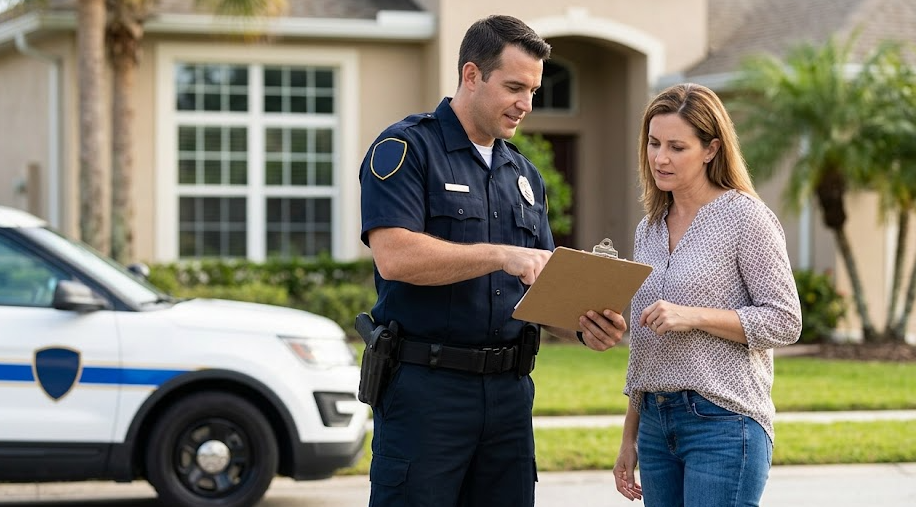
Receiving a notice from a code enforcement officer can be a stressful experience for any property owner. Whether you are a homeowner in Miami-Dade or a commercial property manager in Broward County, the sight of a violation notice taped to a door or arriving via certified mail often triggers immediate concern about fines, legal hurdles, and the safety of your investment. However, the relationship between property owners and code enforcement does not have to be adversarial.
Code enforcement officers are tasked with ensuring that buildings remain safe, sanitary, and compliant with the Florida Building Code. Their primary goal is community safety, not revenue generation. By understanding the common pitfalls that lead to citations and learning how to navigate the system proactively, you can protect your property value and avoid the heavy financial toll of non-compliance.
Common Reasons for Code Violations and Fines
The first step in working effectively with enforcement is understanding what triggers an investigation. Most cases stem from preventable oversights or a lack of familiarity with local ordinances.
Unpermitted Construction
This is perhaps the most frequent source of friction. In Florida, many projects that seem minor such as installing a new water heater, replacing windows, or building a backyard shed require a permit. When a code officer identifies work done without a permit, they may issue a “Stop Work Order” or a violation notice requiring the owner to obtain an after-the-fact permit, which often carries double or triple the standard fees.
Zoning Violations
Zoning laws dictate how a property can be used. Common issues include operating a business out of a residential zone without the proper license, improper land use, or violating setback requirements (the distance a structure must be from the property line). Navigating zoning violations requires a clear understanding of your specific municipality’s master plan.
Neglected Property Maintenance
Local ordinances often include “Minimum Housing Standards.” This covers everything from overgrown grass and stagnant pool water to peeling paint and broken fences. While these may seem like aesthetic issues, they are frequently cited because they can impact neighborhood property values and create breeding grounds for pests.
Unsafe Conditions and Structural Integrity
Issues such as exposed electrical wiring, rotting wood on balconies, or leaking roofs are high-priority for enforcement officers. These are considered life-safety hazards. If a property is deemed “Unsafe,” it can be evacuated or even scheduled for demolition if the owner fails to act.
Missed Inspections and Expired Permits
A permit is not “closed” until a final inspection is performed and approved. Many owners complete the construction but forget to call for the final inspection. Years later, when trying to sell the property, they discover “Open Permits” that have since expired, leading to significant administrative fines and title issues.
Actionable Steps to Prevent Fines and Ensure Compliance
Prevention is always more cost-effective than remediation. By staying ahead of the curve, you can maintain a positive reputation with your local building department.
1. Always Obtain Necessary Permits
Before starting any renovation, check with your local building department or a compliance expert. It is a common misconception that “if it is inside my house, I don’t need a permit.” In reality, anything affecting structural, electrical, mechanical, or plumbing systems typically requires oversight. Obtaining the permit on the front end ensures the work is done to code and protects you from future liability.
2. Schedule Regular Inspections
Do not wait for a code officer to show up. Conduct your own annual “health check” of your property. Look for signs of wear and tear, such as cracks in masonry, water intrusion, or faulty lighting. If you have active permits, ensure that your contractors are calling for inspections at every required stage of the project. You can find more code compliance tips on our blog to help guide your self-assessments.
3. Maintain Property Aesthetics and Safety
Curb appeal is often the first thing a passing code officer notices. Ensure that landscaping is trimmed, trash is disposed of correctly, and the exterior of the building is kept clean. Simple maintenance prevents “nuisance” violations that can lead to daily fines.
4. Understand Florida-Specific Requirements
Florida has some of the most stringent building codes in the United States due to our unique climate and hurricane risks. For example, the Florida Building Code updates regularly, and what was compliant ten years ago might not meet current safety standards during a major renovation.
One of the most critical legal requirements for older buildings is the Milestone Inspection and Building Recertification. In many Florida counties, buildings that are 25 or 30 years old must undergo a formal engineering evaluation to ensure they are structurally and electrically sound. Failing to comply with these Building Recertification and Services can result in devastating penalties. Fines often start at $510 for the initial violation and can escalate to $10,000 or more if the property remains in non-compliance, eventually leading to a hearing before a Special Magistrate.
Case Study: The Cost of Procrastination vs. Proactive Action
Consider the case of a commercial plaza owner in Miami who ignored a notice for a 40-year recertification. Initially, the owner viewed the notice as an unnecessary expense. After six months of inaction, the city assessed an initial fine and scheduled a hearing. By the time the owner sought help, the daily fines had accumulated to over $15,000.
In contrast, a neighboring property owner received the same notice and immediately contacted a consultant to manage the inspections. They identified a few minor electrical issues that needed repair, completed the work within sixty days, and submitted the certification. This owner spent a fraction of the cost on repairs compared to the neighbor’s fines and maintained a clean record with the city. This illustrates that the code enforcement officer is not the enemy; the timeline is the enemy.
Best Practices for Communicating with Officers
If you do receive a violation, your attitude and speed of response will dictate the outcome.
- Respond Immediately: Do not ignore the notice. Even if you cannot fix the problem right away, calling the officer to acknowledge the notice and discussing a plan of action shows good faith.
- Ask for Clarification: If you do not understand the specific code section cited, ask the officer to explain it. Most are happy to provide guidance on what is needed to achieve compliance.
- Request an Extension: If the repairs are extensive or require a specialized contractor, you can often request an extension of time. As long as you show progress, many officers are willing to work with you to avoid sending the case to a magistrate hearing.
- Document Everything: Keep records of your permits, receipts for repairs, and photos of the corrected issues. This documentation is vital if you ever need to contest a fine or prove compliance.
Related Posts
- Common Building Code Violations and How to Resolve Them Quickly
- 5 Steps How to Find Violations on a Property and Clear Them (Easy Guide for Real Estate Pros)
- Why Understanding Local Codes Helps Avoid Penalties
Summary
Working effectively with code enforcement is about being a responsible and informed property owner. By prioritizing safety, obtaining the correct permits, and staying on top of mandatory requirements like Florida’s building recertifications, you can avoid the stress of heavy fines and legal battles. Remember that code enforcement exists to protect the community, and a proactive approach is the best way to ensure your property remains a safe and valuable asset.
At ViolationClinic.com, we specialize in helping property owners navigate the recertification process smoothly. Whether you need assistance with inspections, violations, or compliance issues, our team is here to help. Don’t wait until it’s too late, take action today to protect your investment and ensure the safety of your building.
For more information or assistance, contact us at ViolationClinic.com!