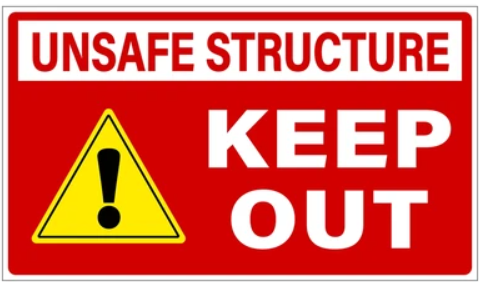
Finding a brightly colored government notice taped to the front door of your property can make your heart drop. If that piece of paper says Unsafe Structure Notice, your mind might immediately race to worst case scenarios. Images of immediate demolition orders, staggering legal fees, and losing your real estate investment can easily trigger a wave of panic.
Take a deep breath.
Receiving a code violation notice is not the end of the world, nor does it mean your building is scheduled to be torn down tomorrow. Municipalities issue these notices to protect public safety and ensure properties remain up to code. It is an administrative warning that requires your urgent attention, not a final judgment.
By understanding why local code enforcement officers issue these citations and knowing how to systematically address the issues, you can resolve the problem, protect your bank account, and maintain the value of your property.
Here is an actionable guide from the experts at Violation Clinic on how to manage an unsafe structure notice with confidence, logic, and a clear plan of action.
Why Did You Receive an Unsafe Structure Notice?
Before you can fix the problem, you need to understand exactly what caught the attention of the local building inspector. Code violations happen for a wide variety of reasons. Some stem from deferred maintenance, while others are the result of administrative oversights.
Identifying structural issues early prevents municipal enforcement escalation.. Source: EnmaTech
The most common reasons property owners find themselves facing code violations and fines include:
- Unpermitted Construction: Adding an extension, converting a garage into an apartment, or changing major electrical or plumbing systems without a city permit is a primary trigger. Municipalities view unpermitted work as inherently dangerous because a licensed inspector never verified its safety.
- Zoning Violations: Using a property for something other than its designated purpose can lead to heavy fines. You can explore our deep dive into zoning violations to see how local ordinances govern property usage.
- Neglected Property Maintenance: Cracked stucco, rotting fascia boards, broken windows, or overgrown vegetation that compromises structural integrity can quickly cause an inspector to flag your home or commercial building.
- Unsafe Structural Conditions: True structural hazards, like sagging roofs, leaning walls, or crumbling balconies, pose a direct danger to occupants and neighbors. In high risk zones like coastal Florida, structural integrity is non-negotiable.
- Missed Mandated Inspections: Sometimes, a building is physically sound, but the owner simply missed a critical administrative deadline. Missing legally required inspection milestones automatically pushes a property into the non compliance category.
The High Cost of Ignoring the Problem
Ignoring an enforcement letter will only make the situation dramatically worse. In the state of Florida, property compliance laws are exceptionally strict. This is especially true regarding building recertification programs.
Under the Florida Building Code, older commercial and multi-family residential properties must undergo comprehensive structural and electrical evaluations at regular intervals to prove they are safe for continued occupancy.
If you miss your recertification window or completely ignore an official warning letter, the financial fallout can escalate rapidly:
- Initial penalties for non compliance often start at a baseline of $510.
- Daily recurring fines can pile up, stretching up to $10,000 for continued, long term non compliance.
- Local code enforcement boards have the authority to place a lien on your property, which can freeze your ability to sell or refinance.
- In extreme cases, the city may shut off your utilities or issue a mandatory evacuation order, displacing tenants and eliminating your rental revenue.
If your building is approaching its milestone anniversary, you can secure professional assistance through our comprehensive Violation Clinic Building Recertification and Services to stay ahead of these aggressive fines.
Actionable Steps to Handle the Notice Productively
If a notice is currently posted on your building, do not panic. Follow this systematic, professional checklist to clear the violation and protect your asset.
Step 1: Read the Document and Document Everything
Do not throw the notice away or put it in a drawer. Read every line carefully. The document will explicitly state the exact code section you violated, the specific changes required to fix it, and the strict deadline for compliance. Immediately take high resolution photos of the notice and the specific areas of the building mentioned in the text. Start a dedicated physical or digital file to keep track of all incoming and outgoing letters, repair estimates, and city permits.
Step 2: Contact the Named Code Enforcement Officer
Every notice lists the name and direct contact information of the inspector or enforcement officer handling your file. Reach out to them immediately. Keep the conversation professional, polite, and cooperative. Let them know that you take the matter seriously and intend to fix the problem. Ask clarifying questions if you do not understand the description of the violation. Establishing a good relationship showing clear intent to comply can often buy you crucial extension time to complete necessary repairs.
Step 3: Hire Qualified Professionals
Do not try to fix structural, electrical, or major plumbing issues yourself, or hire an unlicensed handyman. Code enforcement departments require licensed general contractors, structural engineers, or master electricians to sign off on corrective actions. Hiring a professional ensures the work meets the strict criteria outlined in local regulations, ensuring the inspector approves the final fix.
Step 4: Pull the Necessary Permits
If the unsafe notice involves unpermitted work or requires extensive physical repairs, you must go through the proper channels at your local building department. You will need to submit repair plans, pay processing fees, and pull the correct building permits before any construction work begins. Doing work without a permit while already under code scrutiny is a recipe for legal trouble.
Proactive Strategies to Prevent Future Code Violations
The absolute best way to manage an unsafe structure notice is to never receive one in the first place. You can implement several best practices to keep your investment properties fully compliant and secure.
- Schedule Routine Professional Inspections: Do not wait for the city to find problems. Hire an independent inspector to check your roofs, electrical panels, and foundations every few years. Discovering a minor hairline crack early is far cheaper than dealing with a formal structural notice down the road. Review our ultimate checklist on inspections to learn exactly what professional inspectors look for during a property walkthrough.
- Prioritize Property Aesthetics and Basic Safety: Keep walkways clear, repair damaged fences promptly, replace cracked windows, and maintain clean exterior walls. Clean, well maintained properties rarely attract the attention of passing code enforcement officers.
- Stay Educated on Regional Building Codes: Building regulations evolve over time, especially in response to changing weather patterns and environmental challenges. Make an effort to review updates from your local building department or read expert code compliance tips to keep your property management policies aligned with current legal standards.
A Real World Compliance Success Story
Consider the experience of a commercial property owner in Miami who received a daunting unsafe structure notice regarding a retail strip mall. The city cited severe concrete spalling (flaking and crumbling concrete) along the rear support beams and threatened a daily fine of $500 if the owner did not address the issue within 30 days.
Instead of panicking or ignoring the letter, the owner immediately contacted a structural engineer to assess the true depth of the damage. The engineer drafted a comprehensive remediation plan, which the owner quickly submitted to the city building department along with a formal permit application.
Because the owner actively communicated with the code enforcement officer and provided proof of a signed contract with a certified repair crew, the city agreed to suspend the daily fines. The repairs took six weeks to complete, but upon final inspection, the city lifted the violation entirely. The owner saved thousands of dollars in potential fines and significantly extended the lifespan of the commercial building.
Related Resources
If you want to protect your real estate investments from municipal fines, explore these helpful articles on our site:
- Dealing with Unpermitted Work: Solutions for Building Compliance
- Landlords: How to Prevent Costly Violation Penalties
- Steps to Remove a Lien from Code Violations
Summary and Next Steps
An Unsafe Structure Notice is a serious administrative matter, but it is entirely manageable if you approach it with an organized plan. Remember that panic clouds judgment, while swift, professional communication clears violations. Start by reviewing the document details, connecting directly with the code enforcement officer, and hiring licensed professionals to perform permitted repairs. By shifting toward proactive property maintenance and scheduling timely building evaluations, you can avoid stressful code enforcement drama entirely.
At ViolationClinic.com, we specialize in helping property owners navigate the recertification process smoothly. Whether you need assistance with inspections, violations, or compliance issues, our team is here to help. Don’t wait until it’s too late, take action today to protect your investment and ensure the safety of your building.
For more information or assistance, contact us at ViolationClinic.com!