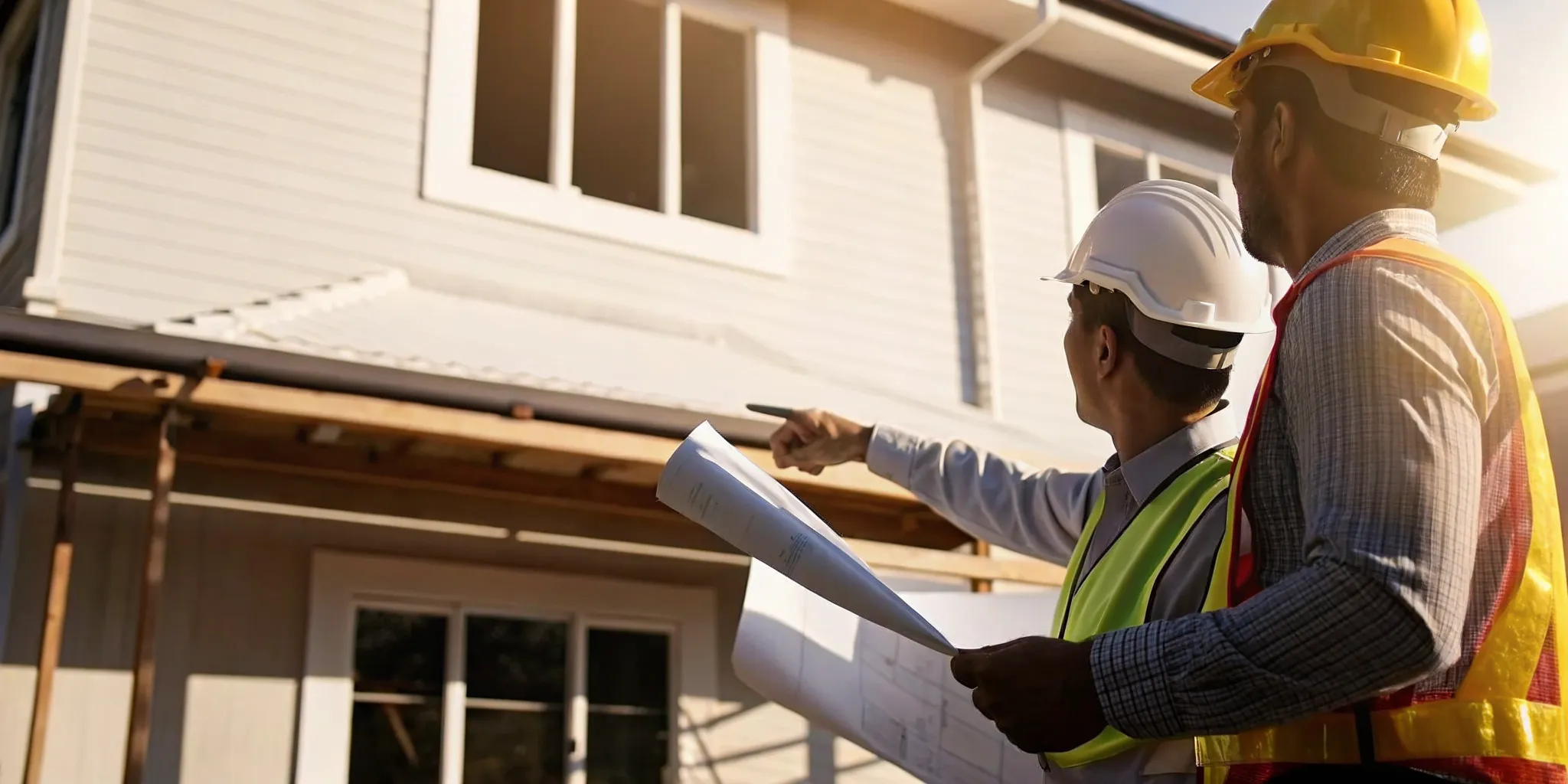
A red code tag on a Florida home stops building work and freezes sales instantly. Whether the issue is a new deck with no permit or bad wiring, code officers act fast. Fixing these problems needs quick action and a solid plan.
In Florida, building violations are legal infractions that occur when a structure fails state safety codes or undergoes work without proper permits. These issues range from simple cosmetic deviations to severe, material violations that can cause real physical harm or major structural damage to a building. Homeowners and commercial property owners who ignore these active warnings face severe trouble, including growing daily fines, stopped work orders, and blocked property sales. To resolve a violation, you must fix the physical defect and obtain retroactive permit approval from local code enforcement officers. Hiring a violation expert is often the fastest way to navigate this complex system, stop growing daily fines, and clear your property title.
To protect your property value and stop active fines, you must first understand exactly what municipal inspectors look for. Knowing what counts as a building violation in Florida is the crucial first step to getting your property back into compliance. Here is how you can find and fix these issues.
Need help with a Florida building violation now? Contact Violation Clinic for a free consultation.
What Counts as a Building Violation in Florida
A property owner must know what a building violation is to protect their asset. In Florida, these compliance issues happen when work does not meet safety standards or lacks the right city permits. Fixing these problems quickly keeps your building safe and preserves its market value. If you ignore these alerts, you could face the severe financial consequences of building violations. It is always best to act as soon as you find an issue.
Material Versus Minor Violations
State law defines how local cities must view these issues on your land. Under Florida Statute 553.781, a material code violation is any defect in a completed structure that can cause real physical harm. It also applies to defects that cause major damage to building performance. These are severe safety problems that need fast action from licensed experts.
Minor issues include small problems that do not hurt safety. For example, paint chips or cracked trim do not threaten structural safety. While minor problems are easy to fix, material issues often lead to big fines and stop-work orders. Local code enforcement teams will focus most of their effort on these high-risk safety threats.
Property Type Differences
Enforcement rules can change depending on how you use the building. You will find distinct differences between commercial and residential building violations in Florida. Commercial sites must meet stricter fire and structural codes than homes. They also face larger daily fines when they do not comply with the law. But home violations can still stop a property sale or lower your home equity during a deal.
The Four Main Buckets
Most building violations fit into four major groups. The first group is structural, which includes weak walls, cracked slabs, or bad roof supports. These structural flaws put the whole building at risk of collapse and need fast care. The second group is electrical, which involves bad wiring, overloaded panels, or unsafe connections that pose severe fire risks. Faulty electrical systems are a leading cause of property damage in South Florida.
The third group is fire safety, which covers blocked exit paths, broken sprinklers, and missing alarms. Commercial structures must keep clear exit doors to pass routine checks. The fourth group is permitting, which happens when you build or remodel without local city approvals. This includes unpermitted room additions, garage conversions, or major plumbing work done without a license. Safe and prompt remediation protects your property from these severe compliance risks.
Common Florida Building Violations by Type
Building codes exist to keep structures safe. When a property fails to meet these rules, local inspectors issue code violations. These issues can affect its safety and value. Knowing the main types can help you find and fix them before they lead to big fines.
Many code issues vary based on how the property is used. The state has clear differences between commercial and residential building violations that impact how owners must respond.
Structural and foundation damage
Structural issues are some of the most serious building violations. Under state law, a material violation can cause physical harm or major damage to a structure. This definition is found in Florida Statute 553.781. If an inspector finds a major structural defect, they can issue a stop work order right away.
- Cracked or sagging concrete foundations.
- Damaged or sagging load-bearing walls.
- Severe wood rot in roof trusses.
- Cracked masonry or masonry block walls.
- Rusting steel supports in older structures.
- Leaking roofs that damage structural wood.
Electrical and fire safety issues
Electrical problems and fire hazards pose major risks in older Florida properties. Unpermitted wiring or overloaded panels can start fires. Fire safety codes also require working warning systems and clear escape paths. When these are missing, local inspectors will issue a red tag to halt use of the space.
- Outdated electrical panels or fuse boxes.
- Unpermitted wiring or loose wires.
- Missing or broken smoke detectors.
- Blocked exits or locked fire doors.
- Walls made with materials that burn fast.
- Exposed live wires in open areas.
- Illegal connections to local power lines.
Permitting and unpermitted work
The most frequent building violations involve work done without a permit. Homeowners often make simple changes without local approval. Doing work without a permit is a risk that leads to large fines. If you buy a home with open issues, you must fix those errors. Our team at Violation Clinic helps you resolve these past issues and get back into compliance.
- Home additions built without a permit.
- Expired permits that were never closed out.
- Buildings that are too large for the lot.
- Remodels done without local city checks.
- Fences or sheds put up in the wrong spots.
- New roofs put on without a permit.
Many people do unpermitted work to save time or money. But when local codes are not met, the cost to correct them rises fast. You may have to tear down new work. Paying for multiple tests to prove a structure is safe is also costly. Working with an expert can help you find the easiest way to fix these mistakes and close your case.
How Code Enforcement Discovers Violations
Code inspectors do not find issues by chance. They use clear steps to track down building problems on both homes and business sites. Owners often think their work will stay hidden, but local offices have many ways to spot unpermitted work. Let’s look at how these systems work.
Neighbor reports and routine drives
Tips from neighbors are a common way code officers find building violations. When someone reports loud work or a new fence without a posted permit, code officers must check it out. These reports often lead to a site visit where an inspector can issue a stop work order on the spot.
Many cases also start during regular drives. In Florida, officers do routine patrols. They search for new roofs, fences, or extra rooms that lack a posted permit. If they see work underway without a permit card, they will stop and check the status right away.
Public data and permit checks
Local offices also use data to find issues. In Florida, cities and counties must maintain public records of material code violations. They must also report these problems to the state. This public tracking keeps building histories open to anyone. Inspectors can compare tax property details with old permit files to find unpermitted structures. This backtracing makes it easy to find unpermitted spaces.
The ways that officers find these issues can differ based on whether the site is a home or a business. You can learn more about the differences between commercial and residential building violations to see how each type is handled.
Real estate sales and new projects
Many building violations come to light during property sales. Buyers hire home inspectors who check every part of the building. Title companies also search city files for open issues. If a search reveals an open case, it can stall the sale. A single open permit from ten years ago can block a home sale. These discoveries force the owner to act quickly to save the deal.
Planning a renovation is another common way to trigger a check. When you apply for a new permit, the local office looks at your property’s history. They will check for any expired permits or past warnings. If they find an old issue, they may deny your new request. You will need to resolve the past problems before you can start your new project.
What Happens When You Get a Building Violation
When a city inspector finds building violations on your property, the enforcement process starts. Usually, you will get a notice. This warning tells you what is wrong and what you must fix. For major issues or active construction, the city might issue a stop work order. This order halts all work on the site right away. If you ignore these alerts, you will face quick legal and financial action from your local building department.
The initial notice and red tag
The first step is a formal notice of violation. A code inspector will post this red tag on your door or mail it to you. The paper lists the codes you broke. It also gives you a deadline to resolve them. If you got a red tag because of unpermitted work, you must stop building. The local department wants you to apply for the proper permits before you proceed. Municipal processing times can vary, so do not delay your response.
During this early stage, you have a chance to fix the issue without heavy fines. You can hire a professional team to assess the site. They can find the best path forward. If you need help with this step, you can look into resolving code enforcement fines and violations with a skilled consultant. Working with an expert can help you avoid costly mistakes.
Fines and daily penalties
If you do not fix the problem quickly, the city will start charging fines. These fines are not just a one-time fee. Instead, they can pile up every single day the violation remains active on your property. Under Florida Statute 553.781, local boards must fine a licensed professional who fails to fix a material code violation. This fine must be between $500 and $5,000 per violation. These costs add up fast and can create a massive financial burden for property owners.
Permit suspension and licensing holds
Fines are not the only consequence of building violations. If a professional fails to pay these fines within 30 days, the state suspends their ability to obtain new permits. This hold stops all other active projects on your property or under your license. You cannot buy, sell, or modify a building with an open violation and unpaid fees. Local boards keep public records of these issues, which makes it easy for buyers and banks to see the problem.
To protect your investment, you must resolve these issues before they escalate. A simple mistake on a project can quickly turn into a legal headache. This can halt your business. Taking action early is the best way to keep your project on track and avoid steep state penalties.
How to Fix a Building Violation Fast
When you face building violations, you must act fast to protect your property. The goal is not to plan a new project, but to resolve a past mistake. You need a remediation plan, not a general building permit service. Correcting code enforcement issues is a specific process that needs the right steps. If you wait too long, the fines can build up and make the problem much worse.
The step-by-step remediation path
Florida code-enforcement procedures and deadlines vary by jurisdiction. For a local-government enforcement action using the Chapter 162 framework, Florida Statutes Section 162.06 describes the general enforcement procedure, while Section 162.09 addresses administrative fines, repair costs, and liens. Your city or county controls the notices, hearings, permits, inspections, and closure steps for a specific property. Use this checklist to organize your response, then confirm the requirements with the responsible local department.
- Read the violation notice: Record the case number, issuing jurisdiction, required correction, and response deadline. Do not ignore a stop-work order, red tag, hearing notice, or other formal instruction.
- Confirm the requirements: Ask the responsible building or code-enforcement office what remains open and which correction, permit, hearing, or inspection applies to your property. Local requirements can differ by city and county.
- Get a qualified site review: Have the existing work and violation notice reviewed by an appropriately qualified professional. The review can identify whether plans, engineering, specialty work, or additional inspections are needed.
- Use the right remediation path: For unpermitted work, ask about the jurisdiction’s after-the-fact permit or legalization process where applicable. This is a past-work compliance issue, not automatically a standard new-project permit. Read more about unpermitted work before closing.
- Complete corrections and inspections: Use appropriately licensed professionals where required, follow approved plans, and schedule the required inspections or re-inspections. Do not assume the case is closed until the local authority accepts the correction.
- Keep closure records: Save the notice, permits, approvals, inspection results, receipts, and written closure evidence. Confirm with the local authority whether fines, liens, or other open case items remain before a sale, refinance, or new project.
Getting expert remediation help
Each city and county in Florida has its own rules, and city timelines vary based on local workloads. Because of these shifts, you should not trust generic permit services that make flat promises. Instead, seek an expert who knows the system from the inside. A good partner will help you navigate the process without costly delays.
If you feel overwhelmed by the process, look for remediation help for building violations to guide your next steps. A dedicated consultant acts as your lifeline to navigate local boards and departments. With the right expert, you can stop the stress and fix your building violations for good.
Why Unresolved Building Violations Matter for Your Property
Leaving a red tag or open permit unfixed causes major pain for any Florida home owner. These issues do not go away on their own. Instead, they can ruin your home value and stop deals.
You might think a small change to your home is not a big deal. But local code agents can find these problems years after the work is done. When they do, the stress and costs will start to build up fast.
Blocked property sales
An open code case can stop a home sale in its tracks. When you sell a house, a title search will turn up any open issues. Buyers will not want to take on your old problems.
Ignoring building violations leads to the real cost of unresolved violations, which often means lost sales. Most real estate deals in Florida use standard contracts. These forms force the seller to clear any open building violations before the sale. If you cannot clear them in time, the buyer can walk away and keep their deposit. This leaves you back at square one with a home you cannot sell.
Lender and insurance flags
Banks and insurance firms do not like risk. If a home has active building violations, a bank may deny a buyer’s loan. Insurance firms may also drop your coverage or refuse to write a new policy. This leaves your home unprotected and makes it hard to refinance your debt.
Even if you do not plan to sell, you still need insurance. Florida has tough weather, and a solid policy is a must. If your insurer finds out about unfixed problems, they may cancel your plan. Without active coverage, your bank can place a forced policy on your home that costs much more.
Growing fines and public records
Local boards charge daily fines for unfixed code problems. These fines can grow into tens of thousands of dollars over time. Under Florida law, cities must keep public records of material building violations. This means anyone can look up your home’s record.
If a code fine is left unpaid, the city can place a lien on your land. This lien stays on your title until you pay the full amount and clear the case. It can also hurt your credit score and make it hard to get new loans.
Safety risks and peace of mind
Beyond the money costs, some violations pose real safety risks to you and your family. Poor wiring, bad support beams, or blocked exits can cause injury or fire. Taking care of these code issues is about keeping your loved ones safe.
The good news is that you do not have to handle this stress on your own. It is easy to feel overwhelmed by local rules, but there are fast ways to fix these problems. With the right expert help, you can clear your record and secure your home’s future without the wait.
How a Building Violations Expert Fast-Tracks Your Compliance
Fixing a red tag or stop work order on your own can feel like a maze. If you try to fix these issues without help, you will likely face long delays. The process of curing building violations needs deep knowledge of state and local codes.
Florida law under Section 553.781 of the Florida Statutes outlines strict rules for these matters. If you do not follow these rules, you may face big fines and lose the right to get new permits. This means a single open issue can stall your property plans for months.
A building code expert acts as a critical lifeline. They do not work on pre-construction permit design. Instead, they focus only on fixing active code issues. Their main goal is to protect your property and get your building back in good standing.
Comparing your compliance options
Many property owners think they can handle code enforcement on their own. But doing it yourself often leads to costly mistakes. Local building departments have complex rules that change from city to city.
If you do not know the local process, you may submit the wrong plans and face more rejections. The table below shows the key differences between handling a case yourself and hiring an expert.
| Issue Area | DIY Method | Expert Method |
|---|---|---|
| Permit navigation | High risk of code errors and permit rejection. | Fast filing with exact and correct paperwork. |
| City relationships | No direct links to local building staff. | Direct contact with city code officials. |
| Timelines | Slow process with many weeks of waiting. | Fast track progress with active daily follow up. |
| Fine risks | Daily fines keep growing without an end. | Fines stopped quickly through swift agency action. |
| Predictable costs | Hidden fees and repeated correction costs. | Fixed flat rates and clear cost paths. |
How our team gets results
Hiring an expert gives you a clear edge. At Violation Clinic, our team of former building officials knows how the system works from the inside. We understand what local inspectors look for when they review a property. Our staff has spent years working directly with municipal teams to solve tough cases.
Our staff will guide you through every step in Miami-Dade County and across Florida. We can help you submit correct plans, get the right permits, and pass the final inspection.
We work fast to stop daily fines from piling up. Working with an expert turns a stressful, open-ended problem into a clear path to compliance. You can focus on your life while we take care of the city department.
Talk to our team about fast-track building violation remediation today.
Frequently Asked Questions
Can I be fined for unpermitted work in my home?
Yes, Florida cities can fine you if they find unpermitted work on your property. Under Florida Statute 553.781, local governments can issue large fines to correct material code violations. For licensed professionals, these fines range from $500 to $5,000 per violation. Fines for owners also add up daily until you fix the issue. You must apply for an after-the-fact permit to resolve the violation and stop the daily fees.
What happens if I ignore a building code violation notice?
Ignoring a code notice will lead to serious problems for your property. Fines will start to grow daily, and the city can place a lien on your home or building. These unpaid fees can block you from getting new permits, and you may find it hard to sell or refinance the property. You can learn about the long-term impact in this guide on the real cost of unresolved violations.
How can I legalize unpermitted work or renovations?
To legalize past work, you must get an after-the-fact permit from your local building department. First, hire a licensed professional to inspect the work and draft plans. Next, submit these plans to the city for review. You will need to pay any open fees and pass a final city inspection. If you need help with this process, you can read our guide on choosing a building code violation consultant.
Do HOA violations fall under Florida building codes?
No, homeowners association violations are not the same as municipal building violations. Associations enforce their own private neighborhood rules, which cover paint colors, lawns, and design styles. In contrast, local code enforcement officers enforce state-mandated safety rules for structures, electrical systems, and plumbing. To learn how local fines work, read our guide on resolving building violation fines.
Ready to Resolve Your Florida Building Violations?
Ignoring building violations only leads to larger fines, stopped work orders, and lost property value. Starting the compliance path today is the best and fastest way to save your budget and protect your investment. Our former building officials handle all the hard paperwork, which you can read about on our remediation services page.
Do not let unresolved building department issues turn into major legal and financial headaches. We work directly with local code enforcement to clear red tags and unpermitted work as fast as possible. Our experienced team takes care of every compliance step so you can focus on your property.
Ready to resolve your violations? Contact us to schedule a free consultation.