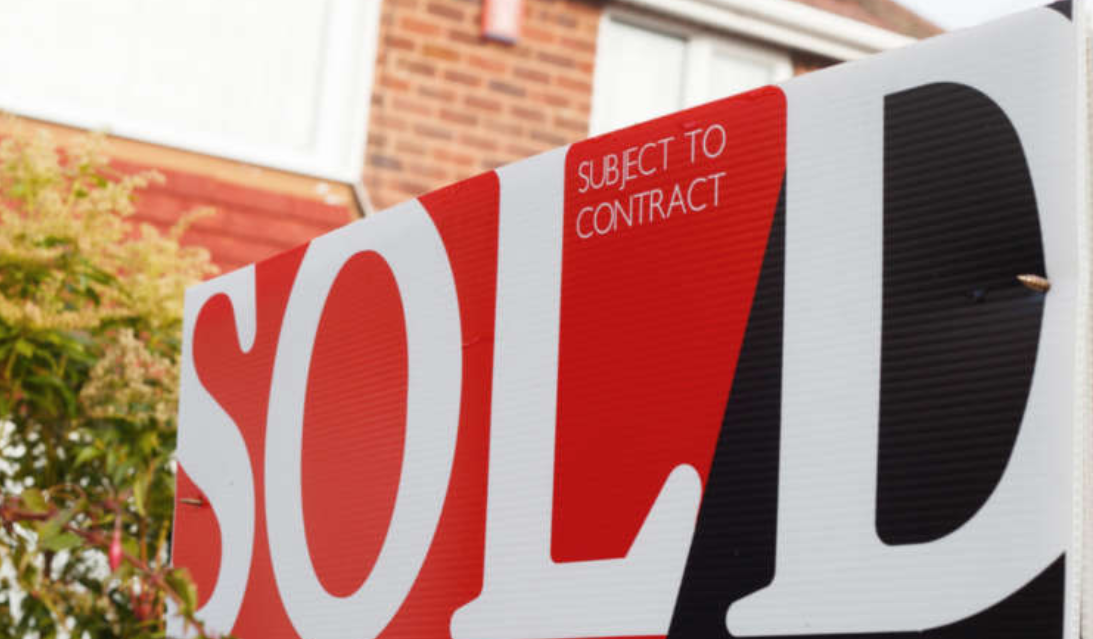
Closing a real estate deal should feel like reaching the finish line of a major achievement. However, few things stall a closing faster than a sudden title search flag for an open building code violation. Whether you are selling a single-family home or a commercial complex, unresolved building code issues can trigger a Stop Work Order, freeze financing, or halt title transfer entirely.
Buyers want move-in ready properties, and lenders refuse to fund deals tied to legal liabilities. Understanding common code issues and addressing them proactively ensures a smooth, profitable transaction.
Common Code Violations That Stall Property Sales
Building codes exist to guarantee structural integrity, public health, and safety. When property owners bypass regulations or neglect maintenance, municipalities step in with formal notices, stop work directives, and daily escalating fines.
Unpermitted Construction
Adding a covered patio, remodeling a kitchen, or updating electrical wiring without proper municipal permits is one of the most frequent deal breakers. Buyers often discover unpermitted work during pre-sale inspections. Rectifying this requires applying for retroactive permits, paying penalty fees, and uncovering finished walls so inspectors can verify compliance.
Zoning Violations
Zoning laws govern how a property can be used. Running an unapproved commercial business from a residential property, violating lot coverage ratios, or building structures within set-back zones are common infractions. Unresolved zoning issues can result in mandatory removal of structures or requiring formal Special Magistrate Representation to request variances.
Neglected Property Maintenance
Local municipalities enforce exterior maintenance standards to prevent neighborhood blight. Overgrown landscaping, peeling paint, broken windows, and damaged roofs can yield municipal citations. Left unchecked, simple maintenance issues can stall appraisal processes and turn away potential buyers.
Unsafe Conditions and Structural Issues
When code enforcement identifies severe structural deficiencies, water intrusion, or hazardous electrical setups, the property may be designated as an unsafe structure. Resolving Unsafe Structure Violations demands immediate engineering intervention, structural repairs, and comprehensive re-inspections before title transfer can proceed.
Missed Inspections and Expired Permits
Sometimes work was completed under a valid permit, but the contractor never scheduled the final inspection. Over time, that permit expires in the municipal database. An open or expired permit acts as a cloud on the title, preventing sellers from conveying clear ownership.
The Cost of Non-Compliance: Florida Building Recertification Requirements
In Florida, keeping up with building compliance is not just about curb appeal—it is a strict legal mandate. Following recent updates to state safety statutes, mandatory structural integrity assessments have become strictly enforced across local jurisdictions.
Under Florida law, specific commercial and residential buildings reaching 25 or 30 years of age must undergo formal structural and electrical safety evaluations. Failure to complete these mandatory checks carries severe financial consequences.
Initial fines for missing recertification deadlines often start at $510, but continued non-compliance can escalate rapidly up to $10,000 or lead to an immediate order to vacate.
Property owners facing mandatory milestone assessments should review Violation Clinic’s Building Recertification and Services to ensure all required engineering reports are submitted correctly to local enforcement boards. For official guidance on state-level standards, property owners can consult the Florida Building Commission guidelines.
Best Practices to Prevent Fines and Sales Delays
Preventing code violations requires a proactive management approach. Taking straightforward steps early safeguards property value and streamlines future real estate transactions.
Always Obtain Necessary Permits
Before starting any major renovation, structural change, or trade update (plumbing, electrical, HVAC), verify municipal permit requirements. Working with licensed contractors who manage permitting directly protects your investment down the road.
Schedule regular Inspections
Conduct voluntary annual property audits. Catching minor electrical flaws, minor roof leaks, or deteriorating structural elements early prevents full-scale violations later.
Maintain Safety and Aesthetics
Keep exterior areas clean, well-lit, and structurally sound. Routine upkeep prevents minor maintenance issues from spiraling into formal city citations.
Stay Informed on Local Regulations
Florida building codes evolve regularly to adapt to weather demands and structural safety standards. Keeping informed about changes in your local county code enforcement rules prevents unexpected surprises during title searches.
Real World Examples: Resolving Complex Violations
Case Study 1: Resolving a Stop Work Order Before Closing
A commercial building seller in South Florida faced an immediate sale freeze after receiving a city order due to unpermitted interior layout changes made by a previous tenant.
The Solution: The seller engaged specialized consultants to secure retroactive architectural plans, arrange fast-track site inspections, and negotiate a successful Stop Work Order Removal. The transaction closed within three weeks of compliance clearance.
Case Study 2: Finalizing Occupancy Requirements for a Buyer
A residential seller struggled to close because a past addition lacked final clearance documentation, leaving the title search incomplete.
The Solution: By working directly with city inspectors, scheduling structural verification tests, and acquiring Certificate Of Occupancy Assistance, the owner resolved the paperwork gap, cleared the cloud on the title, and finalized the sale smoothly.
Related Posts and Resources
- Understanding Florida Code Enforcement Hearing Procedures
- How to Clear Expired Permits from Your Property Title
- Essential Property Owner Guide to Florida Building Codes
Conclusion
Building code violations do not have to jeopardize your real estate transactions. By staying proactive with permits, maintaining property safety, fulfilling mandatory recertification milestones, and clearing open permits early, you preserve property value and ensure quick closing timelines. When complex code issues arise, getting professional guidance is the fastest way to achieve full compliance and protect your bottom line.
At ViolationClinic.com, we specialize in helping property owners navigate the recertification process smoothly. Whether you need assistance with inspections, violations, or compliance issues, our team is here to help. Don’t wait until it’s too late, take action today to protect your investment and ensure the safety of your building.
For more information or assistance, contact us at ViolationClinic.com!