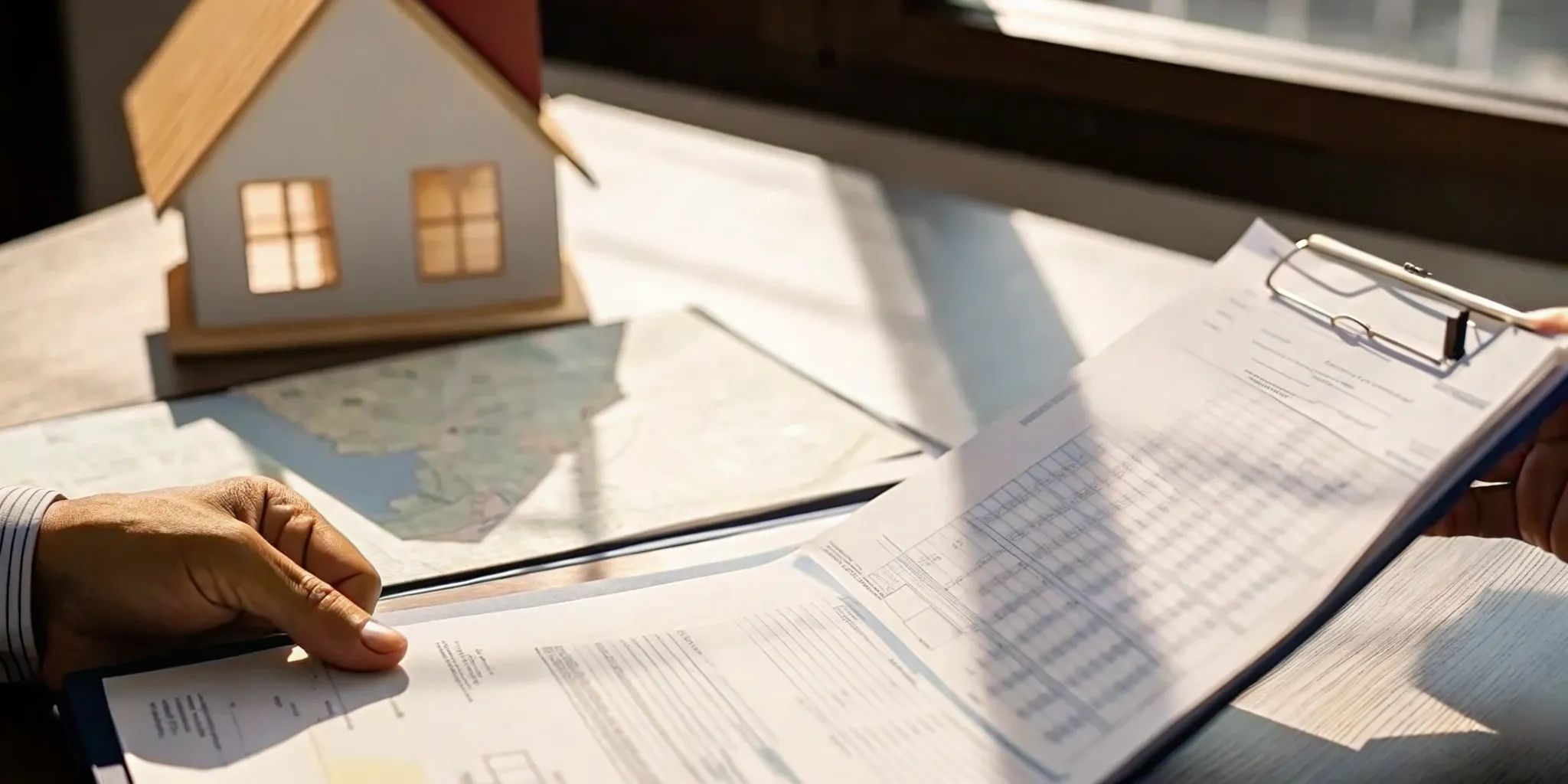
An Alachua County code notice can stall a sale, delay construction, or expose an owner to mounting fines. A prompt, documented response can keep a correctable issue from becoming a costly enforcement case.
Need help responding before the deadline? Request a consultation with Violation Clinic to review your Alachua County code enforcement notice, documents, and next steps.
Alachua county code enforcement gives property owners a chance to correct cited conditions before a case advances, but each deadline and required action matters. Florida law requires an inspector to notify the violator and allow reasonable time for correction, according to Florida Statute 162.06. Start by confirming the enforcing jurisdiction, case number, cited ordinance, inspection findings, compliance deadline, and instructions for requesting reinspection or a hearing. Preserve the notice and photos, stop unsafe or unpermitted work, contact the assigned office, and coordinate any needed permits, repairs, inspections, and records. Submit proof before the deadline, verify that the county recorded compliance, and prepare for a Special Magistrate hearing if the matter remains unresolved.
The key question is not simply whether a violation exists, but what this specific notice requires and how quickly you must act. The path begins with understanding what the notice means, what the county expects, and which records will prove compliance.
Alachua County code enforcement: what the notice means
An Alachua County code enforcement notice identifies a property condition that may violate a local rule and gives the owner a chance to correct it. The notice should guide your response by naming the issue, deadline, office contact, and proof needed before the case advances.
A notice from Alachua County Code Administration is a formal warning that a property may not meet an applicable code or ordinance. It tells the recipient what condition needs attention and starts a process for correcting it. The office handles local compliance matters, while inspectors document conditions and guide cases through the required steps.
Code Administration and voluntary compliance
In November 2021, the county renamed its Office of Code Enforcement as the Office of Code Administration. The county says the new name better reflects the office’s function and its focus on voluntary compliance. The change did not make an active notice less important or remove the need to respond.
Under Florida Statute 162.06, an inspector who finds a violation must notify the violator and allow a reasonable time for correction. Voluntary compliance means fixing the cited condition within that process, before the case needs further enforcement action. Understanding the role of local code enforcement can help recipients respond with the right records and questions.
What to review first
Read the full notice promptly, even if the cited condition seems minor or unfamiliar. Note the property address, cited code section, stated condition, correction date, inspector contact details, and any hearing information. A calm review helps separate the issue described in the notice from unrelated property concerns.
- Confirm that the notice applies to the correct property and recipient.
- Photograph the cited area before making changes.
- Gather permits, plans, inspection records, invoices, and prior county correspondence.
- Ask the listed inspector what proof will show that the condition is corrected.
Do not assume that visible repair work alone will close the case. Some conditions may involve permits, inspections, plans, or records that must match the work. Keep copies of each submission and record the date of every call, email, inspection, and correction.
Reasons for prompt action
The notice can affect people beyond the named property owner. Contractors may need to confirm the permit history and scope before touching prior work. Real estate professionals should find out whether the open issue could affect a sale, title review, or planned closing. Developers should assess whether the cited condition changes schedules, inspections, or other approvals.
Owners and their representatives should first confirm what the county requires, then build a clear correction plan. Prompt action leaves more time to collect records, hire qualified help, and resolve any difference between field conditions and county files. When a case involves several trades or old work, a structured plan to remediate building code violations can reduce delays and missed steps.
What should you do first after receiving a violation notice?
Start by reading the notice, saving evidence, and confirming the deadline with the assigned office. Do not begin major repairs until you know whether permits, plans, inspections, or licensed contractors are required. A documented response protects your timeline and helps prove compliance.
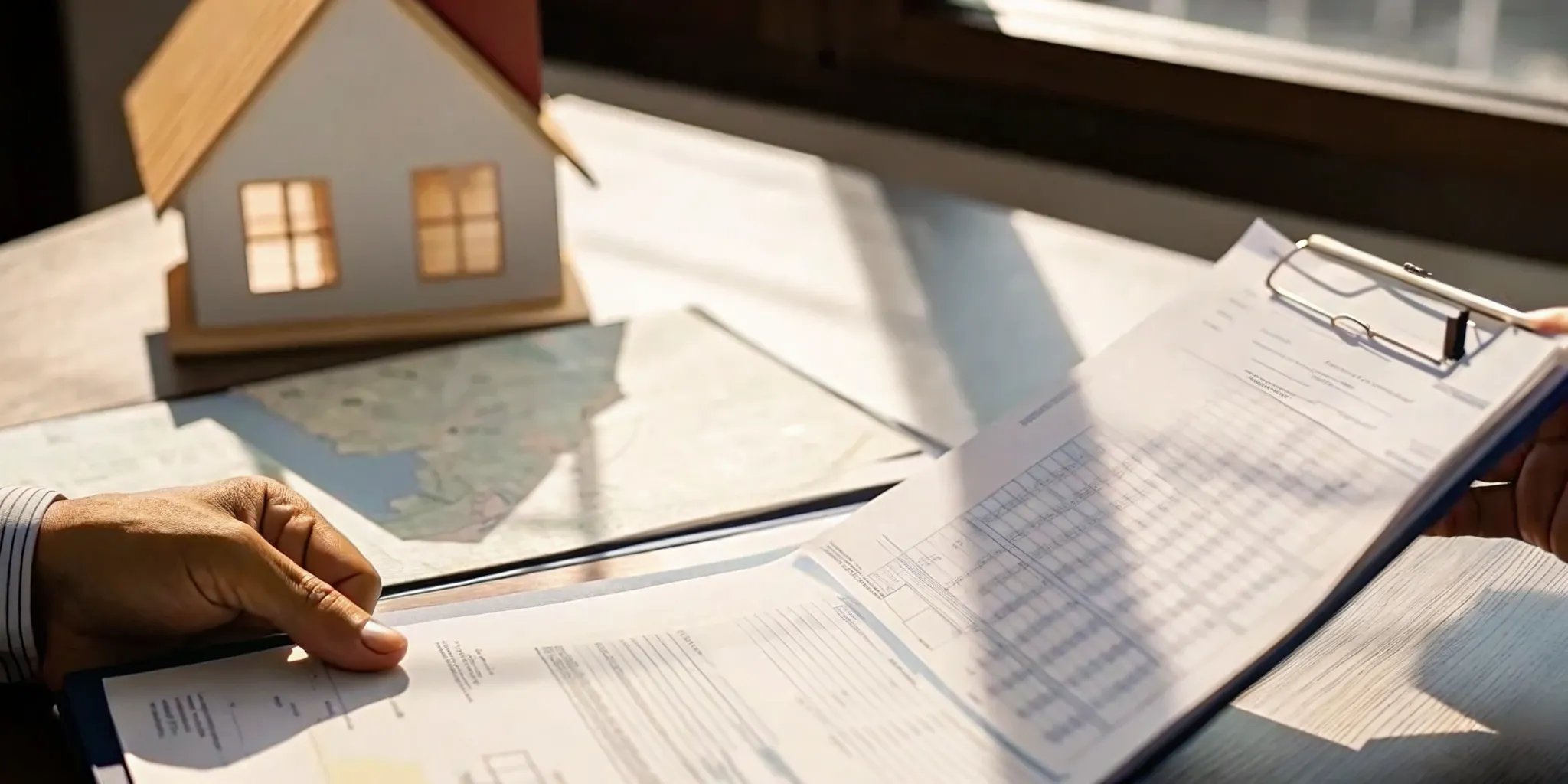
Start with a calm review, not a rushed repair. An Alachua County code enforcement notice should tell you what condition was cited and which office is handling the case. Florida law requires an inspector who finds a violation to notify the responsible party and allow a reasonable correction period. You can review that process in Florida Statute 162.06.
Protect the response window
Your first goal is to preserve time and build a clear record. Do not assume that a call, repair, or permit application closes the case. Track each action and confirm what the assigned office still needs.
- Read the full notice. Note the cited code section, property address, alleged condition, issue date, and required action. Check every page and attachment before deciding what the notice means.
- Confirm the jurisdiction and case number. A Gainesville address may fall under the city, county, or another local authority. Use the case number in every email, call, document name, and payment record.
- Calendar every deadline. Record the correction date, inspection date, hearing date, and appeal window shown on the notice. Set reminders well before each date so there is time to handle delays.
- Document current conditions. Take clear, dated photos and videos from several angles before anyone changes the site. Save permits, plans, receipts, leases, surveys, and past messages that may explain the condition.
- Pause unpermitted repairs. A quick fix can create a second problem if the work needs permits, plans, or licensed trades. Confirm the proper path before demolition, electrical work, plumbing work, or structural changes begin.
- Contact the assigned office or a consultant. Ask what proof will show compliance and whether an inspection must be booked. Clear, factual communication is central to cooperating with code enforcement officers.
- Prepare a corrective plan. List each cited item, the needed permit or repair, the responsible person, and the target date. Add a final step for submitting proof and confirming written closure.
Questions to ask before work begins
Ask whether the notice covers one condition or several separate violations. Also ask which permits, inspections, plans, or affidavits will be required. Find out whether the office will consider a written schedule when the work cannot finish by the stated date.
Keep the conversation tied to facts. Share the case number, describe what you found, and ask for the next required step. Do not promise a completion date until a contractor or permit professional has checked the scope.
A corrective plan that closes the case
A useful plan connects every cited item to proof of correction. That proof may include an approved permit, passed inspection, paid fee, contractor letter, or dated photo. The right proof depends on the cited code and the instructions from the assigned office.
Complex cases may involve old permits, prior owners, or work completed without approval. In those cases, first map the full compliance path instead of treating one visible defect. A structured approach to Florida building code compliance can help you avoid incomplete fixes and repeat inspections.
Before the deadline, submit the requested records through the method named by the office. Then ask for written confirmation that the case is compliant or closed. Save that confirmation with the notice, permits, inspection results, and all related messages.
Common violations that create fines, liens, and closing delays
The most disruptive cases usually involve unpermitted work, expired permits, unsafe conditions, property maintenance issues, or zoning conflicts. These problems can become expensive when paperwork, inspections, and corrective work are not coordinated before a sale, refinance, hearing, or compliance deadline.
Alachua County code enforcement cases often begin with a visible property issue, a permit record problem, or a complaint. The issue may look minor, but an open case can affect a sale, refinance, insurance review, or planned renovation. Owners should confirm both the physical correction and the paperwork needed to close the case.
Concerned that an open case could affect a closing or permit? Talk to Violation Clinic before fines, liens, or project delays become harder to unwind.
Issues commonly found at a property
Building and housing violations may involve unsafe electrical work, damaged structural parts, missing safeguards, or work that does not meet an approved plan. Property maintenance cases often concern debris, overgrowth, poor exterior conditions, or conditions that may pose a health or safety risk. Each issue requires a correction that matches the cited code provision.
- Unpermitted work: Additions, conversions, electrical upgrades, plumbing changes, and other work may lack required permits or inspections.
- Expired permits: A permit may remain open when final inspections, corrections, or closeout records were never completed.
- Zoning issues: A property’s use, setbacks, parking, signs, or added structures may conflict with local zoning rules.
- Unsafe structures: Serious damage or unstable building parts can trigger urgent safety concerns and a more complex repair path.
- Housing violations: Rental or occupied properties may have sanitation, safety, or basic maintenance problems that require prompt action.
- Property maintenance: Outdoor storage, junk, vegetation, fences, and neglected exterior areas can lead to a cited case.
A violation notice should identify the cited condition and the steps needed for compliance. Under Florida’s code enforcement process, an inspector who finds a violation must notify the violator and allow a reasonable correction period. The required fix may still involve plans, permits, licensed trade work, or follow-up inspections.
Risk to a sale, loan, or insurance review
An open violation can surface during due diligence, a title review, an appraisal, or an insurance inspection. Buyers and lenders may ask who will complete the work, pay any fines, and provide proof of closure. If those answers are unclear, closing can slow down while the parties assess cost and risk.
Unpermitted work creates a separate concern because its condition and inspection history may be unknown. An insurer may ask for permits, inspection records, or proof that unsafe conditions were repaired. Owners can review Florida building code compliance before deciding how to address the cited work.
Records needed to close the case
Completing the repair does not always close the enforcement file. The owner may need final inspection results, permit closeout records, contractor documents, photographs, or written confirmation from the county. Keep copies of every notice, submission, receipt, and message in one case file.
Delays increase when the correction solves only part of the cited problem or lacks required proof. Daily fines may continue when a violation remains unresolved, and unpaid amounts can create lien concerns. A focused plan from Violation Clinic to remediate building code violations should track the physical work, required approvals, and final written closure.
How to work with Alachua County Code Administration
Effective communication with Alachua County Code Administration is factual, organized, and deadline-driven. Use the case number, ask what proof will close the file, keep copies of every submission. And confirm whether the office needs photos, permits, inspections, or an in-person recheck.
Alachua County Code Administration is the office that handles local code complaints and works toward voluntary compliance. You may still see searches for Alachua County code enforcement because the office previously used that name. A calm, well-documented approach helps the office understand the issue and keeps your case moving.
Using the county complaint portal
The county directs residents to its online code complaint portal. Start by creating an account with accurate contact details. Then file the complaint with the property address, a clear issue summary, and useful records. Photos should show the concern without extra comments or claims that you cannot support.
After filing, save the complaint number and the date submitted. Use the portal to check its status and search for complaint records tied to the property. If a search returns no result, confirm the address format and complaint number before filing another report. Duplicate complaints can make the record harder to follow.
- Describe what you observed, where it is located, and when you observed it.
- Keep copies of photos, notices, permits, emails, and portal updates.
- Record each contact date, the staff member’s name, and any next step.
- Do not enter private property or create a safety risk to gather evidence.
Names, contact details, and public records
Florida law limits anonymous code complaints. A reporter must provide a name and address before an enforcement case can begin. The rule has an exception when an inspector sees reason to believe there is an imminent threat. The exception also covers threats to public welfare, habitat, or sensitive resources. These limits appear in Florida Statute 162.06.
Contact Code Administration at 352-374-5238 or Codes@alachuacounty.us during regular business hours. Assume messages and documents sent to county officials may become public records. Keep emails factual, brief, and focused on the property. Include the complaint or case number in the subject line whenever one exists.
Communicating with an inspector
An inspector’s first goal is often to explain the issue and seek correction. If a violation is found, Florida law calls for notice and a reasonable time to correct it. Ask which code section applies, what proof will show compliance, and when the next review will occur. Repeat your understanding in writing after the call.
If you own the cited property, do not argue about blame or promise a deadline you cannot meet. Share permits, contractor updates, and repair records as they become available. Ask early if access, an inspection, or another department’s approval is needed. Our guide to cooperating with code enforcement officers explains how to keep those exchanges useful.
For a complex case, Violation Clinic can help request a clear list of open items and the steps needed to close each one. Confirm whether the inspector needs photos, receipts, permits, or an on-site visit. If delays arise, contact the inspector before a due date and explain the cause. Professional updates create a clean record and help prevent avoidable confusion.
When do you need professional help?
Professional help is most valuable when the notice is unclear, the permit history is missing, the work involved multiple trades, or a deadline threatens a sale or project. Violation Clinic can coordinate records, agency communication, permits, inspections, and compliance proof for complex cases.
A simple Alachua County code enforcement issue with one clear fix may be manageable without outside help. Professional support from Violation Clinic makes more sense when the notice is unclear, records conflict, or several agencies may be involved. Under Florida’s code enforcement process, an inspector must notify the violator and allow a reasonable time to correct a found violation.
Warning signs that call for help
Bring in a professional when you cannot tell what work caused the violation or which permit is missing. Unpermitted additions, prior-owner work, and expired permits can require research before anyone can choose the right fix. A professional can compare the notice, permit history, plans, and site conditions.
Some cases also involve more than a basic correction. A stop work order may halt an active project, while an open violation may affect a sale or refinance. Owners facing these issues may need help to remediate building code violations before the problem grows.
| Situation. | Self-managed response may fit. | Professional help may fit. |
|---|---|---|
| Clear minor correction. | Fix is stated and records are complete. | Scope or required proof is unclear. |
| Unpermitted work. | Licensed contractor and plans are ready. | Work history or approval path is unknown. |
| Expired permit. | Only a known inspection remains. | Old plans, contractors, or inspections are missing. |
| Stop work order. | Agency gives a direct release path. | Project schedule or contractor license is at risk. |
| Hearing or lien risk. | Deadline and cure terms are clear. | Compliance proof or representation is needed. |
| Sale or refinance. | No urgent closing date exists. | Open issues threaten title or funding. |
Deadlines and transaction pressure
Do not wait for the last few days before a hearing, inspection, closing, or lender review. These cases often need records from several parties, plus time for permits, repairs, and proof of compliance. Fast action is important when fines, liens, or a delayed project could raise the cost.
A stop work order deserves prompt review because crews may be unable to continue until the agency accepts a correction path. Contractors and developers may need help linking field work to approved plans. Violation Clinic’s stop work order removal service focuses on that type of coordinated response.
Who should lead the response?
The right lead depends on the issue. A property owner may gather notices and permit records, while a contractor explains completed work. Real estate agents and title companies should flag open matters early. Such issues can affect closing terms, title review, or lender approval.
Developers may need one person to coordinate inspectors, design professionals, contractors, and permit staff. Before hiring help, ask who will review the records, speak with the agency, track deadlines, and confirm compliance. Also ask what documents are needed and which steps still depend on county review.
Violation Clinic is most useful when professional help creates a clear path from notice to verified correction. It should also give each party defined tasks, realistic timing, and records that show what was completed.
How to prevent a violation from becoming a bigger problem
The best way to prevent escalation is to maintain permit records, verify property conditions before projects or closings, and respond early when a notice arrives. Organized documentation and timely communication reduce the chance of repeat inspections, fines, liens, and transaction delays.
Check records before you commit
A clean-looking property can still have unresolved permit or code issues. Before buying, ask for the permit history, open complaint records, inspection results, and any notices tied to the address. Compare those records with the property’s current layout and use. This review can reveal work that was built without approval or never received a final inspection.
Ask the seller, title agent, or closing attorney to explain each open item in writing. Do not assume an old permit is harmless because work looks complete. A permit may still need plans, corrections, fees, or a final inspection. Learning how the role of local code enforcement affects a property can help you ask better questions before signing.
Build a clear corrective scope
If Alachua County code enforcement sends a notice, read every deadline and cited section. Florida law says an inspector who finds a violation must notify the violator and allow reasonable time for correction. That process is set out in Florida Statute 162.06. Use the response period to confirm what must change and what proof the county expects.
A corrective scope should name each issue, the needed permit or repair, the responsible party, and the next inspection. It should also list required plans, contractor records, photos, receipts, and approval documents. Keep the scope narrow enough to follow, but complete enough to prevent repeat visits. Confirm whether fixing one item could expose another permit or zoning concern.
Schedule inspections as soon as the work is ready. Before the visit, check that the approved plans match the completed work and that the site is safe to access. If an inspection fails, request clear notes and update the scope at once. Prompt follow-up keeps small corrections from becoming missed deadlines, repeat fees, or closing delays.
Keep a reliable communication record
Treat every call, email, submission, and inspection as part of one case file. Record the date, staff contact, topic, promised action, and next deadline. Save copies of notices, plans, permits, receipts, inspection reports, and closure letters. A complete file helps new staff, buyers, lenders, or contractors understand what has already happened.
Communicate early when a deadline may be hard to meet. Explain the work completed, the remaining obstacle, and the date of the next step. Ask whether the office needs a written request or added documents. Practical guidance on cooperating with code enforcement officers can help keep exchanges clear and focused.
Early consultation can also reduce compounding risk during a sale or renovation. A licensed professional can review the record, map the corrective path, and spot gaps before they delay a deal. This does not replace county approval. It helps owners reach each review with the right work and documents ready.
Frequently Asked Questions
How do I report a code violation in Alachua County?
Use Alachua County’s online code complaint portal to create an account, file the complaint, and check its status. Include the property’s location and a clear description of the suspected violation. Add useful photos or records if the portal allows them. Keep the case number so you can track updates and respond to requests.
Can I report a code violation anonymously in Alachua County?
Generally, no. Under Florida Statute 162.06, a person reporting a potential violation must give the local government their name and address before enforcement may begin. An exception applies when an inspector believes the issue creates an imminent threat to public health, safety, welfare, habitat, or sensitive resources.
How can I contact the Alachua County Code Administration office?
Contact Alachua County Code Administration by phone at 352-374-5238 or email at Codes@alachuacounty.us. The county code administration page provides official office information and links for code complaints. Have the property address, case number, notice, and deadline ready before calling or emailing so staff can locate the correct record.
What is the difference between Alachua County Code Enforcement and Code Administration?
They refer to the same county office. Alachua County renamed the Office of Code Enforcement as the Office of Code Administration in November 2021. The office still handles local code compliance and enforcement functions. Older notices, online results, and residents may still use the former name, so either term can appear during a case.
What happens after an Alachua County code inspector finds a violation?
When an inspector finds a code violation, Florida law generally requires notice to the violator and a reasonable period for correction. The state enforcement statute also allows different treatment for repeat violations or issues presenting a serious threat. Read the notice closely and confirm every deadline. Document corrective work and ask the assigned office how to verify compliance.
Ready to Resolve Your Alachua County Code Issue?
If an Alachua County notice is already on your desk, the safest next step is a documented response plan. Violation Clinic helps property owners, contractors, and real estate teams organize records, clarify agency requirements, and move toward verified compliance before fines or closing delays grow.
Waiting to address an Alachua County code notice can narrow your options, increase costs, and create delays for projects, sales, or financing. Starting now gives you time to organize records, confirm what the county requires, and plan corrective work before the next enforcement milestone.
Ready to take control of the response process? Request a consultation with Violation Clinic to review your notice, deadlines, documents, and practical next steps.